
Alpacas don’t just stand around looking cute with their goofy grins and cloud-like coats. These animals pack a lot of strange habits, ancient history, and unexpected appeal into their lanky frames. They are some of the most fascinating farm animals around, and we’ve listed weird and wholesome facts you probably didn’t know.
Alpacas Use Shared Bathroom Spots
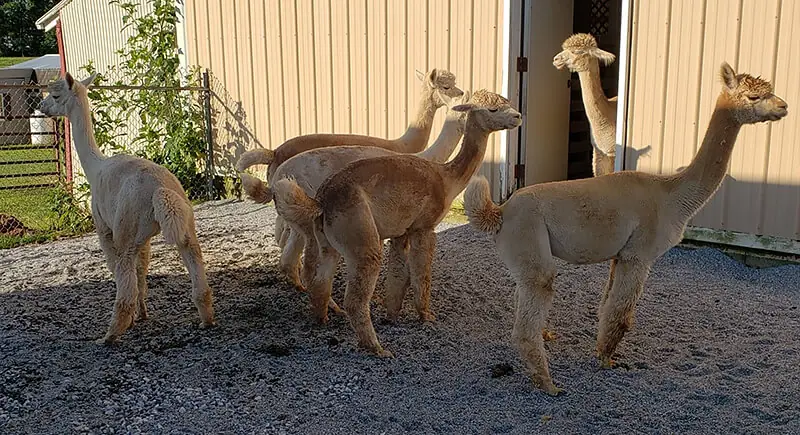
Alpacas all agree on one thing: where to go number two. Instead of scattering their poop across the pasture, they pick a communal dung pile and take turns using it. The leader of the herd often signals when it’s time, and the rest line up like polite restroom patrons.
They Spit, But Only With Purpose
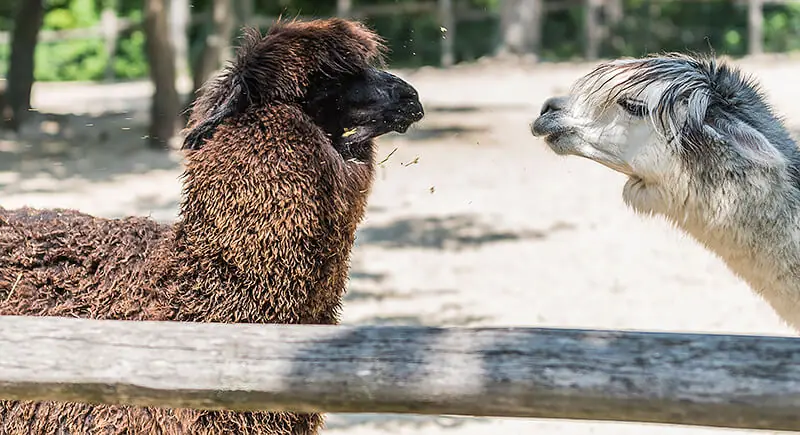
When alpacas have beef with each other, they spit. A sour mix of stomach bile and fermented grass gets launched at the offender, usually during squabbles over food or dominance. It’s rarely aimed at humans, but if you’re standing too close when tensions rise, prepare to be collateral damage.
Their Fiber Is Naturally Flame-Resistant
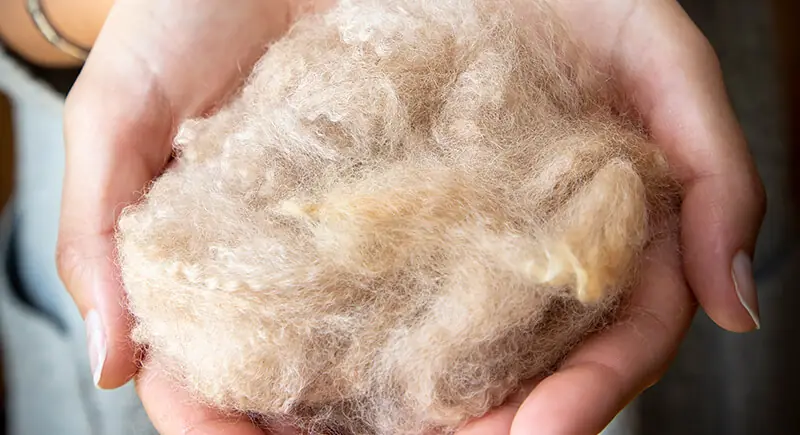
Alpaca fleece isn’t just soft and warm; it meets U.S. safety standards as a Class 1 flame-resistant fiber. That means it’s tough to ignite and won’t melt against skin. Add that to its water resistance and wide range of natural colors, and you’ve got a material that’s both beautiful and practical.
They Come in Two Breeds, With Very Different Hair
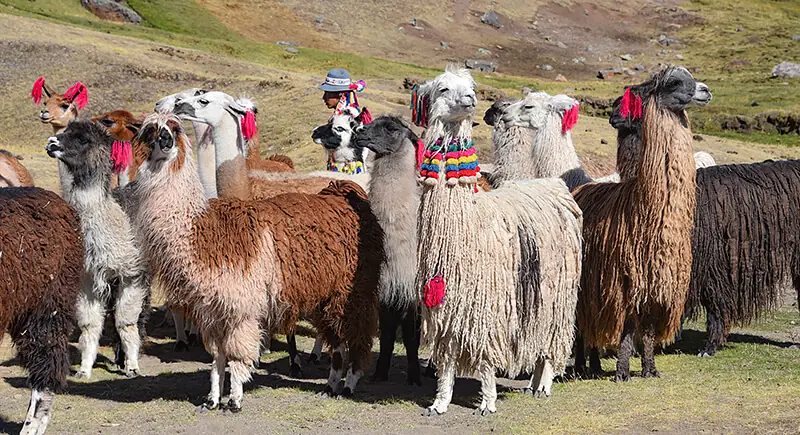
There are two types of alpacas, and their hairstyles couldn’t be more different. Huacayas have that familiar, fluffy, teddy bear look, while Suris rock sleek, silky locks that grow into floor-sweeping spirals. Both kinds need a good shearing yearly, or they’ll overheat and start looking like matted mops.
They Prefer Alpaca Company to Human Bonding
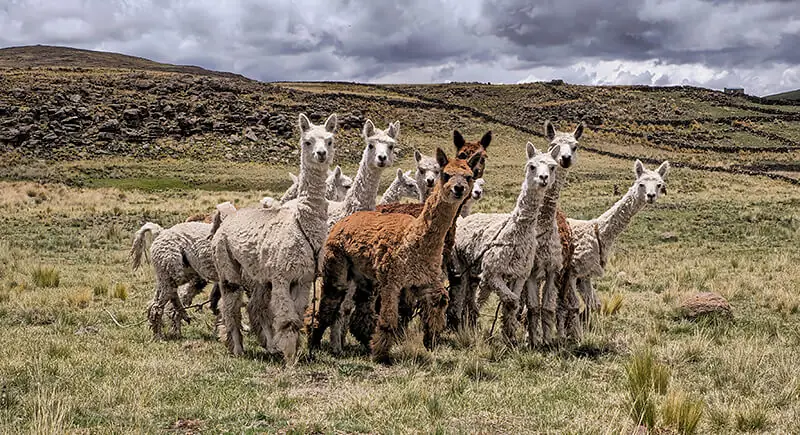
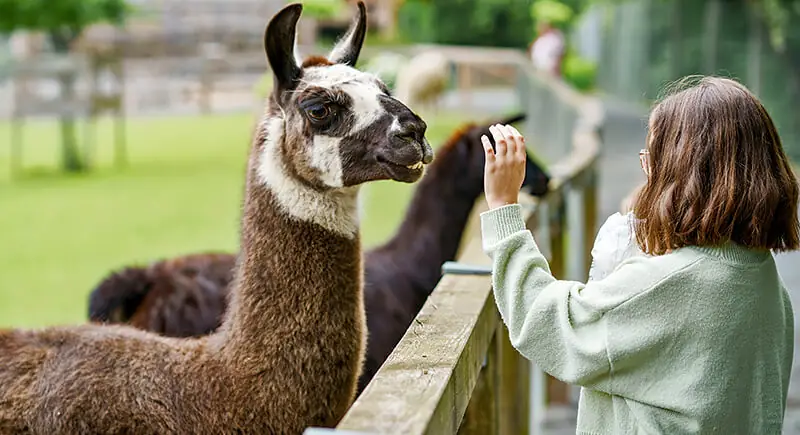
Alpacas are deeply herd-oriented. Most don’t crave human affection unless they’ve been bottle-fed from birth. While they can warm up to gentle, predictable handlers, alpacas naturally find comfort and communicate within a group of fellow camelids. A solo alpaca can become depressed or anxious without its kind.
They’ve Been Domesticated for Thousands of Years
The Inca civilization prized alpacas for their fleece, selectively breeding them in the Andes for over 6,000 years. Their fiber was reserved for royalty, and herds were managed with detailed care. These animals were symbols of wealth and woven deeply into ancient culture.
Male Alpacas Have a Tooth for Fighting
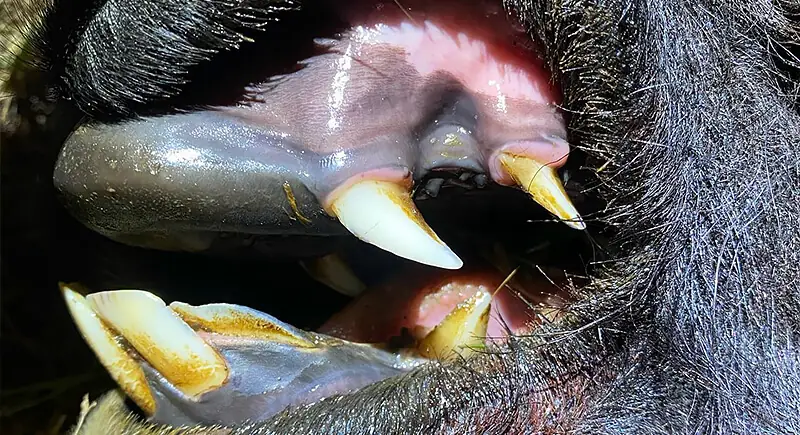
Adult males grow a unique tooth known informally as the “fighting tooth” or castration tooth. Its sole purpose is biting the testicles of rival males during battles for dominance. These fights don’t usually turn gruesome, but they do get rowdy. Most breeders have that tooth trimmed to avoid injuries.
Their Feet Are Surprisingly Gentle on the Earth
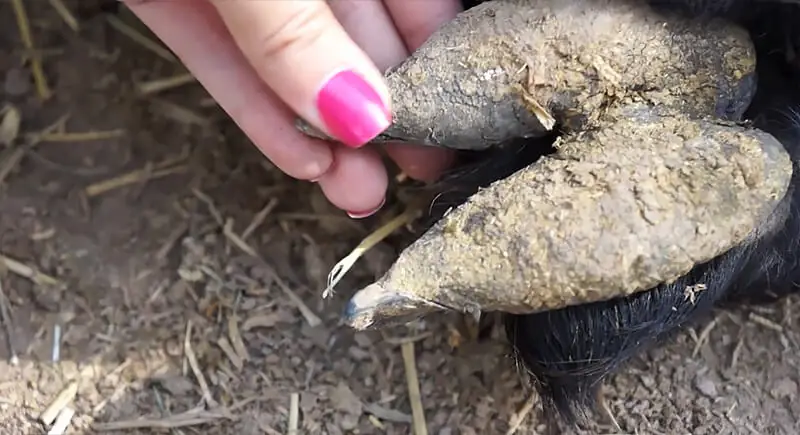
Unlike hooved animals that can tear up soil, alpacas have soft, padded feet. This makes them ideal for hilly farms practicing regenerative agriculture. Their grazing habits are light on the land, and they tend to avoid overgrazing, which helps maintain pasture health and reduces erosion.
They Don’t Have Upper Teeth in Front

If you ever get a good look at an alpaca’s grin, you might notice something odd. They only have bottom teeth at the front of their mouths. Up top, there’s just a hard dental pad they use to mash food. This setup helps them clip grass efficiently without uprooting it.
They Hum to Communicate
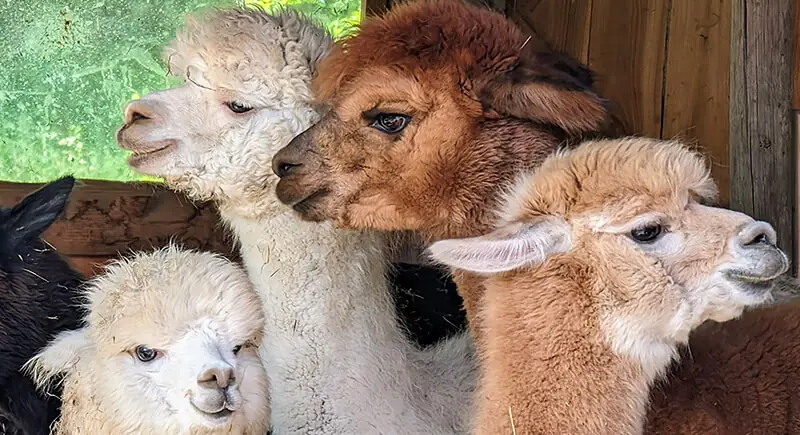
Spend a few minutes near a herd, and you’ll hear it: soft, rhythmic humming. It’s how alpacas communicate feelings like curiosity, contentment, or mild unease. During danger, though, their alarm call is loud and sharp. And when it’s breeding season, the males throw in some unexpected sounds.
They Can Be House-Trained—Sort Of

Because alpacas prefer designated bathroom areas, some people have trained them to use specific spots indoors. While they aren’t ideal house pets, they need space and companionship. This tidy bathroom habit makes them more manageable when they are in petting zoos or as therapy animals visiting care centers.
They Rarely Give Birth to Twins
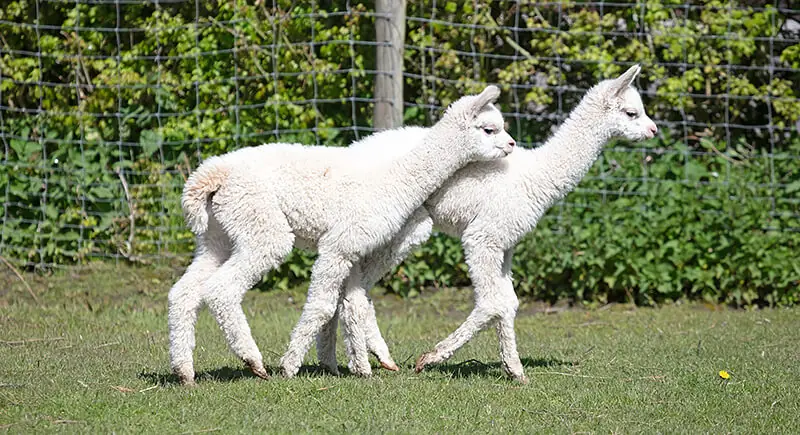
Female alpacas almost always deliver a single cria after a pregnancy that lasts close to a year. Twins are a major rarity and don’t tend to survive. Newborns stand and start nursing fast, often within the first hour, ready to handle the mountain air and weather without much fuss.
They Chew Cud Like Cows
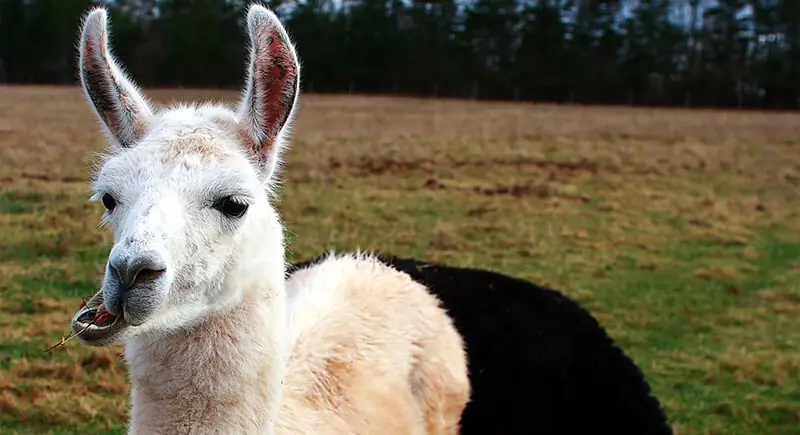
Alpacas have a three-compartment stomach, which means chewing their food is a bit of a project. They swallow, bring it back up, chew again, and repeat. It’s how they squeeze every nutrient from grasses and hay. If they always look like they’re mid-chew, it’s because… well, they usually are.
They Can Crossbreed With Llamas
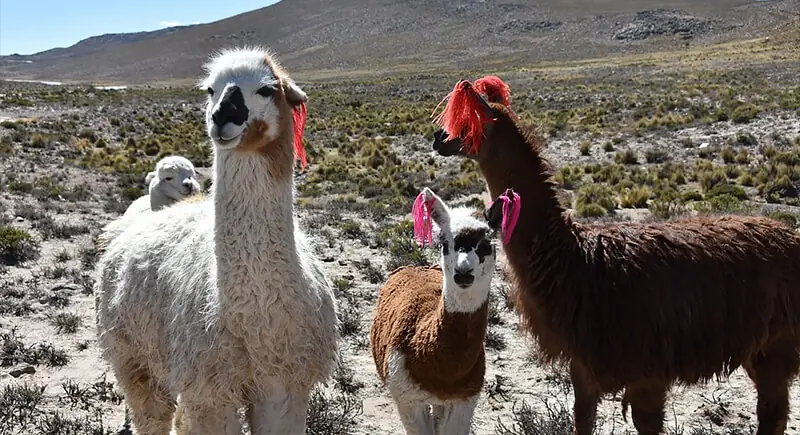
Though they’re smaller, alpacas can interbreed with llamas. The offspring are called huarizo, and they tend to inherit the llama’s size and the alpaca’s soft fleece. These hybrids are usually sterile, but they’re popular as pets or fiber animals thanks to their unique appearance and temperament.
Their Poop Is Garden Gold
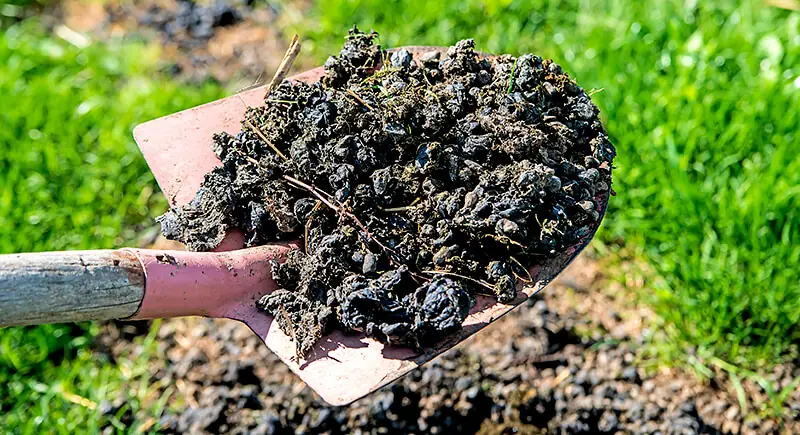
Alpaca manure is low in nitrogen and urea. This makes it a “cold” fertilizer that can be applied directly to gardens without composting. It breaks down quickly, enriches the soil, and doesn’t smell much. Gardeners often call it “black gold,” and some even seek out alpaca farms just to gather it.
Their Ears Can Reveal Their Mood
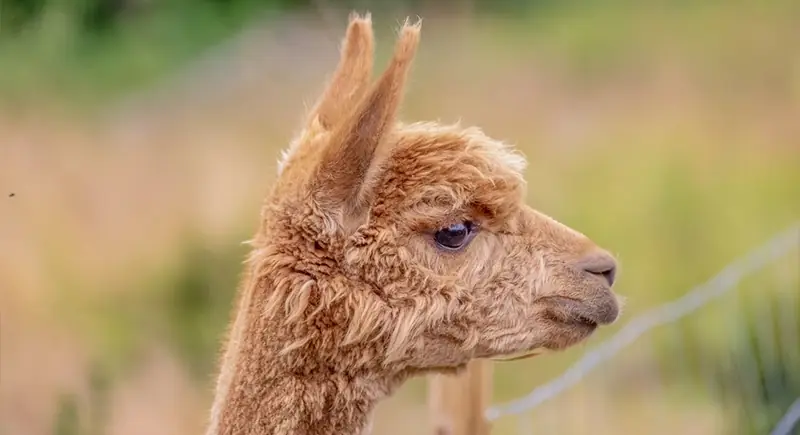
Watch the ears first. An alpaca can point them forward when something catches its attention, pin them back during a dispute, or swivel them as it listens to the herd. Those small movements speak volumes. Spend enough time around alpacas, and you start reading their mood before they make a sound.
Many Alpacas Live 15 to 20 Years or More
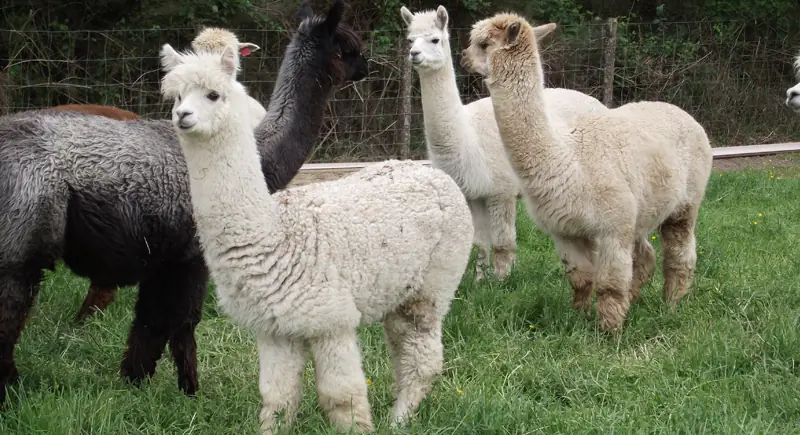
An alpaca is in no rush. With proper care, many live 15 to 20 years, and a few reach their late twenties. That long life gives owners years to learn every habit and quirk. A cria may arrive as a bundle of fluff and remain part of the herd for many years.