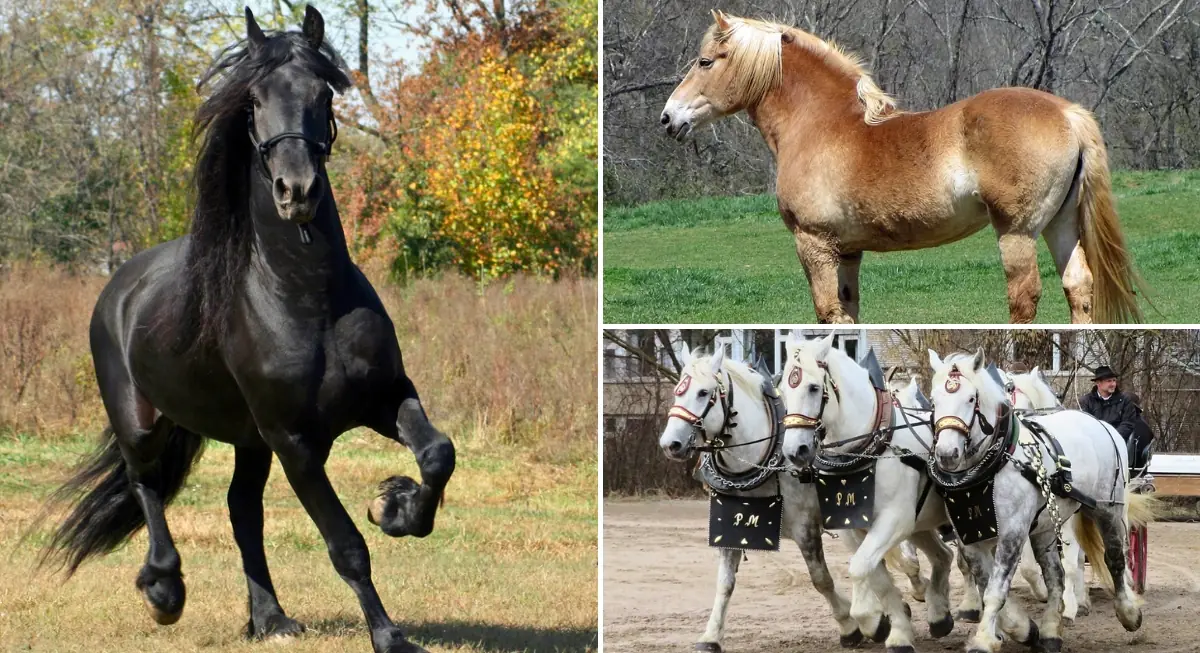
The strongest horse breeds in the world weren’t built overnight. Generations of selective breeding and hard labor shaped them into muscular workhorses that could pull, carry, and endure more than most animals.
Here’s a closer look at what makes them stand out.
Clydesdale
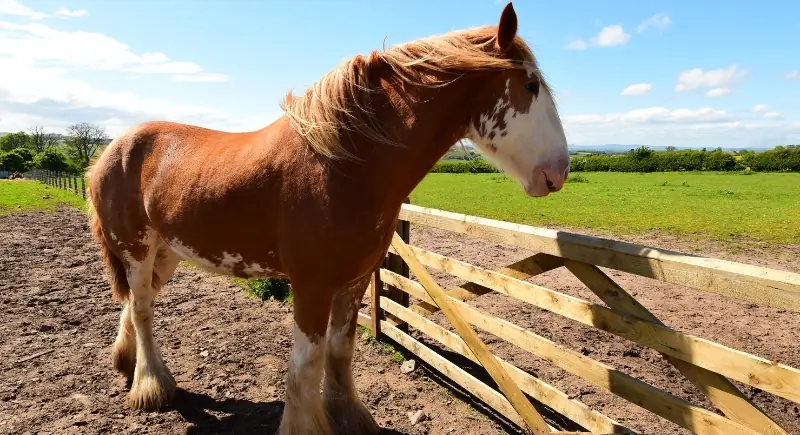
Clydesdales were originally used to haul coal but became iconic for their distinctive white leg feathers and large size. They typically stand close to 18 hands high, and their reputation goes beyond appearance. These horses handled tough road and farm work across Scotland and, later, North America.
Australian Draft
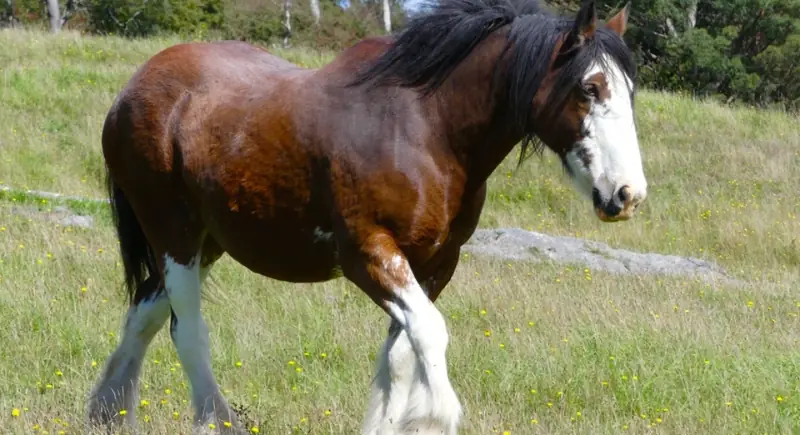
Considering that it’s a mix of several European breeds, the Australian Draft is not as widely known internationally. However, it is quite active in agricultural shows and rural settings. Its combined heritage makes it versatile in various work environments, particularly where steady, physical effort matters more than speed or agility.
North Swedish Horse
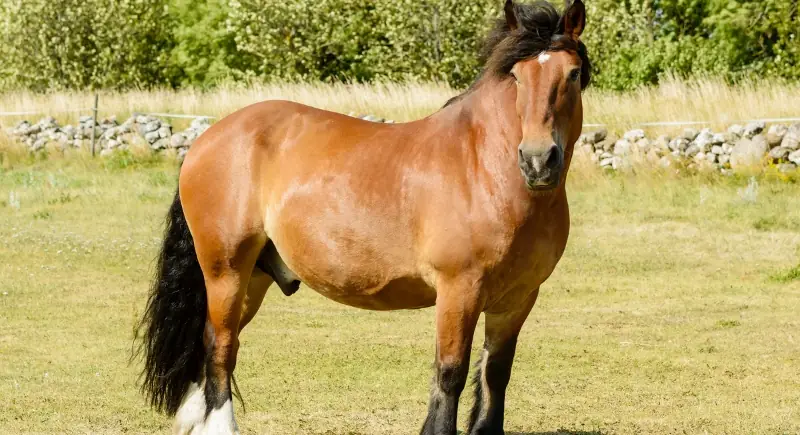
People have long appreciated the endurance of North Swedish Horses and their willingness to work all day without fuss. In Sweden, they are used for traditional logging and small-scale farming. Breeding programs have helped maintain their numbers, and studies suggest their metabolic efficiency contributes to their long-term viability as working horses.
American Cream Draft
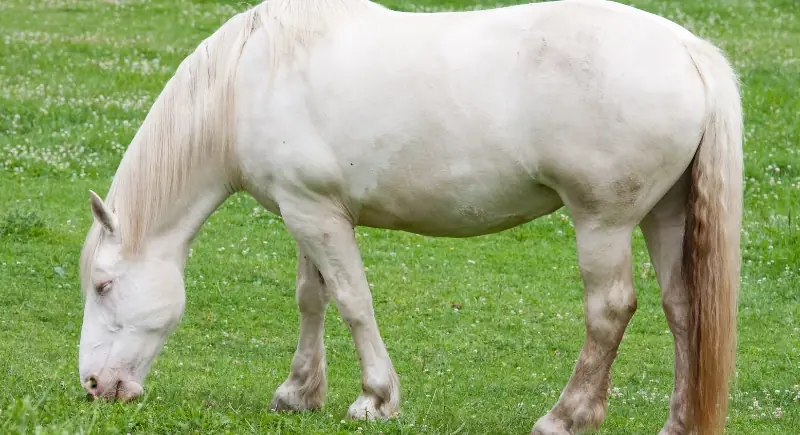
American cream drafts are the only draft breed native to the United States, and they were developed in the 20th century. They were bred from a mare named Old Granny who passed on her distinct coloring. These horses typically weigh up to 2,100 pounds and work well under harness. They’re recognized for their pale gold coats and amber eyes.
Marwari
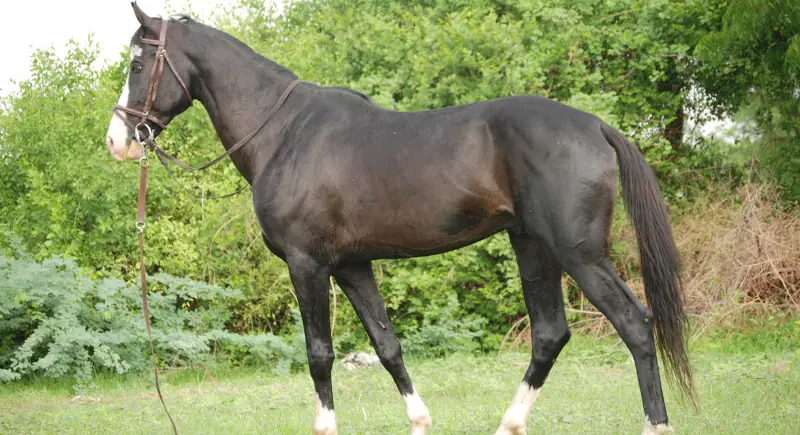
One of the most interesting things about Marwaris is that they are a cultural symbol in Rajasthan, India, prized for their stamina and unique appearance. They’re native to the region and have adapted to travel long distances in extreme heat. They commonly appear in weddings, religious festivals, and ceremonial processions.
South German Coldblood
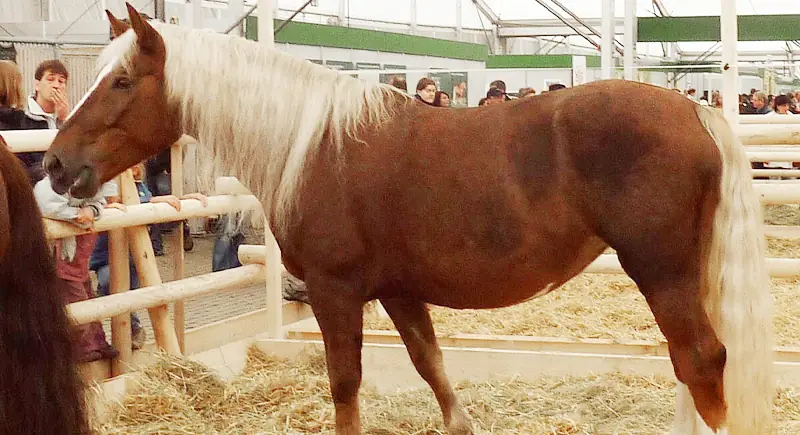
This regional breed from southern Germany averages about 16 hands and 1,500 pounds. Some individuals display a leopard-spotted coat, though solid chestnut and bay are more common. And let’s not forget that calm demeanor that makes it easier for them to manage in areas with narrow roads or uneven ground.
Ardennais
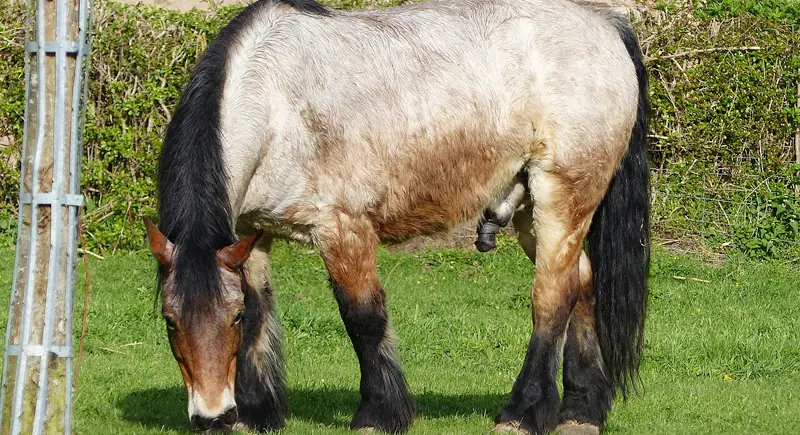
As its name gives it away, the Ardennais horse comes from the rugged Ardennes region between France and Belgium. Archaeological findings trace its lineage back to ancient Rome, suggesting a long-standing role in hard labor. These horses are broad, low-set, and ideal for pulling through steep or uneven ground.
Shire Horse
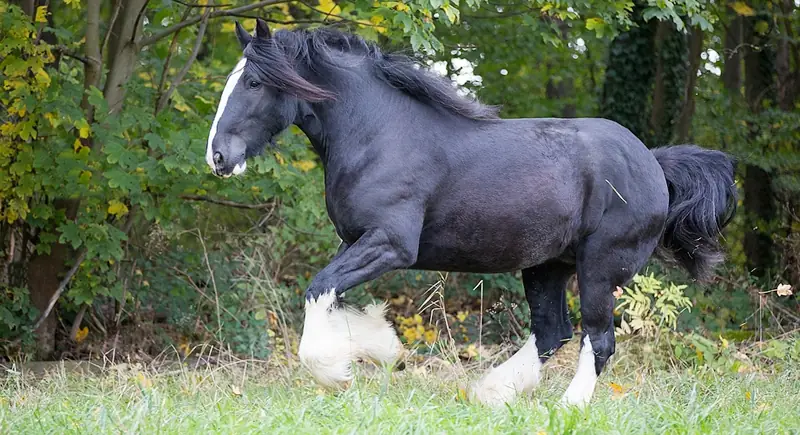
Massive loads, rough terrain, and long hours never slowed these giants down. In controlled tests, they’ve pulled as much as 50 tons. Despite their show presence today, the Shire horse earned its status through sheer strength and consistency, traits deeply associated with the breed’s pulling roots.
Belgian Draft
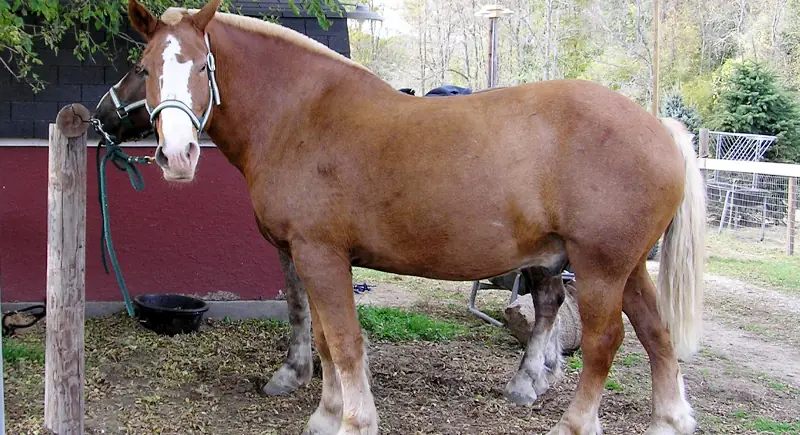
This breed became a favorite among farmers needing reliable muscle. It was developed in Belgium’s Brabant region for serious agricultural demands. A pair once hauled over 17,000 pounds in a recorded event. Their dense, muscular frames give them a natural pulling advantage.
Percherons
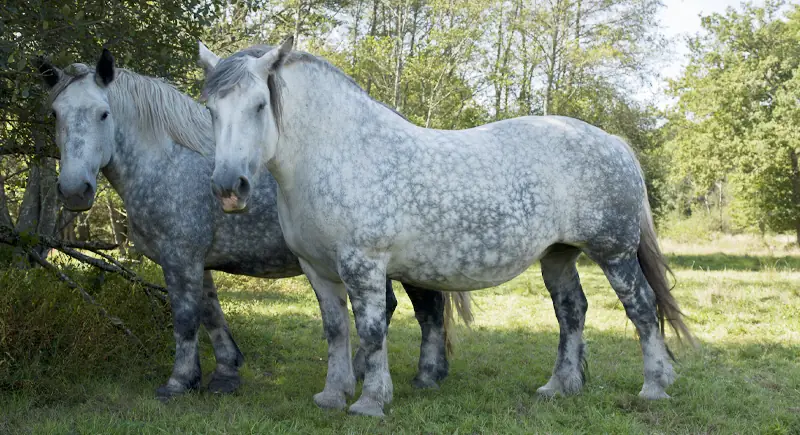
You’ll see Percherons hauling logs in forests and performing in carriage competitions, where strength and control matter most. They’ve carved out a role in sustainable forestry, especially in areas where equipment can’t operate safely. After first being bred in France for war, they’ve since transitioned into more grounded but demanding tasks.
Dutch Draft
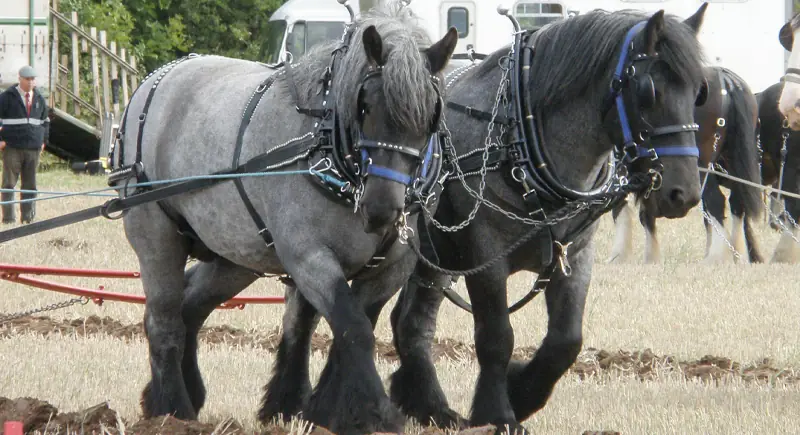
After World War I, Dutch breeders created this horse by crossing local mares with Belgian horses. Dutch Drafts typically stand between 15 and 17 hands and feature a sturdy build. Though their numbers declined after mechanization, some still work in the Zeeland and North Brabant regions.
Suffolk Punch
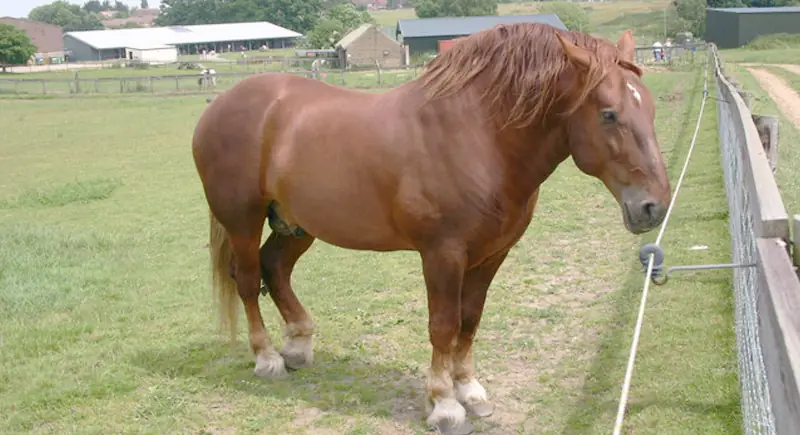
Farmers across the UK continue to rely on this powerful but compact draft horse for jobs machines can’t easily handle. Its blocky build and efficient movement allow it to work long hours without tiring. Unfortunately, the population of Suffolk Punch has dropped significantly.
Friesian
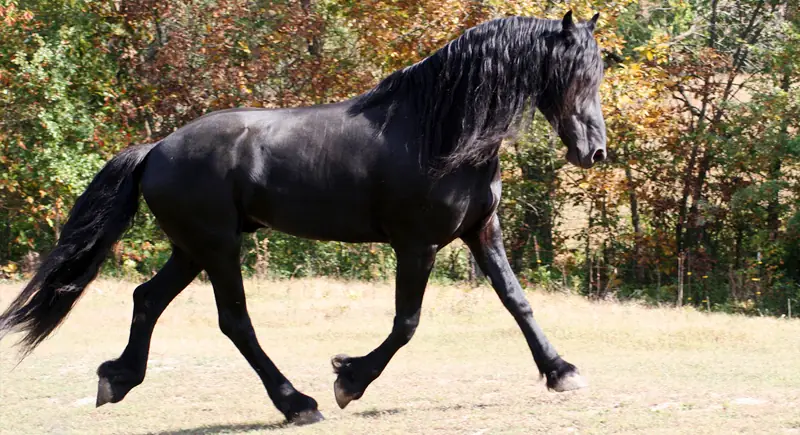
Friesians have an unmistakable look with glossy black coats, flowing manes, and feathered legs. Their striking presence makes them popular choices for films, parades, and ceremonial events. Though their appearance often takes away all the attention, these horses originally handled farm chores and light hauling in the Netherlands.
Noriker
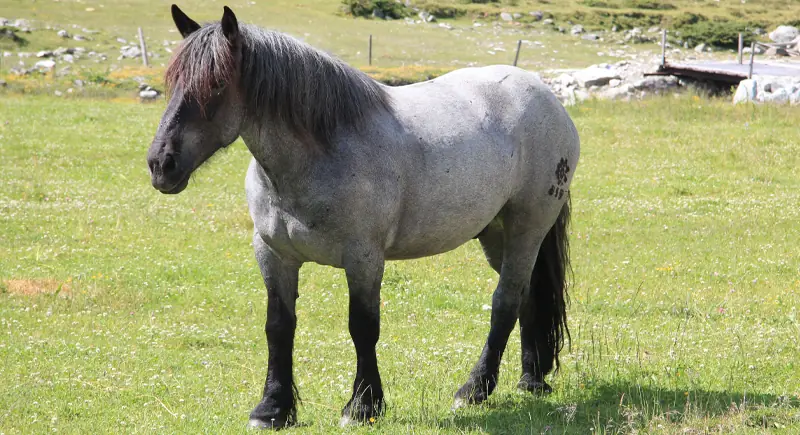
Developed in Austria, the Noriker originally transported salt and timber across alpine routes. Unlike taller draft types, they are valued thanks to their stability on narrow trails. A study of alpine horse use also noted their dominance in forestry and goods transport through the 19th century.
Russian Draft
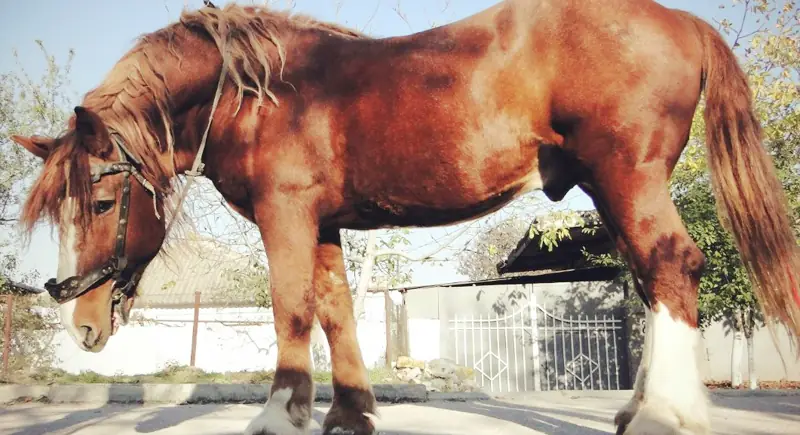
Weighing between 1,250 and 1,430 pounds, Russian Drafts became a reliable asset during economic shifts. Agricultural records in Russia cite their dual-purpose use as a reason for their long-standing value.
Vladimir Heavy Draft
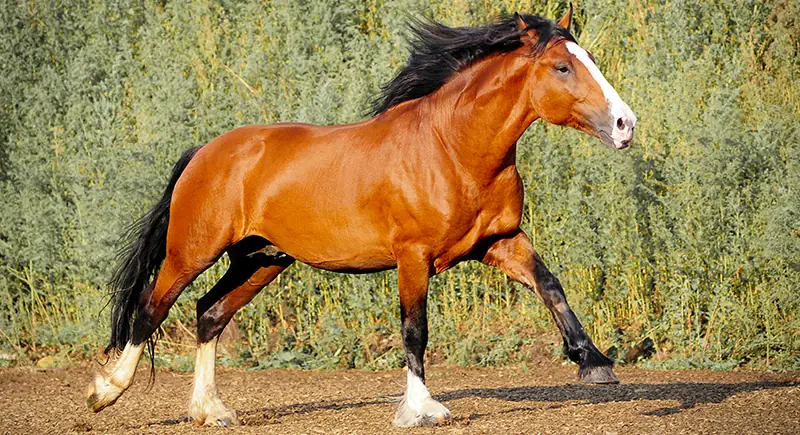
The Vladimir Heavy Draft came from Russia, where farms and forests demanded horses that could pull heavy loads through long seasons. Breeders crossed native mares with imported draft horses to build that strength. A mature Vladimir can weigh well over 1,500 pounds, yet it still carries itself with steady, ground-covering strides.
Breton Horse
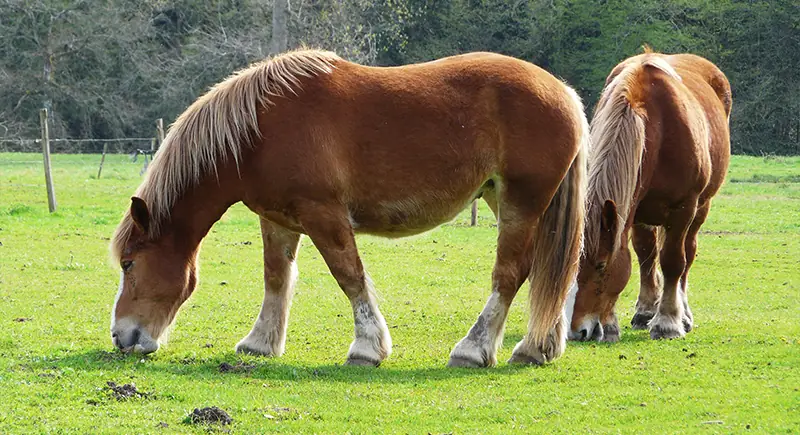
The Breton Horse earned its place in the fields of Brittany, where farmers counted on muscle instead of machines. Built for pulling plows, wagons, and timber, it combines strength with stamina. Many Bretons weigh more than 1,700 pounds, giving them the power to keep working when the load refuses to budge.