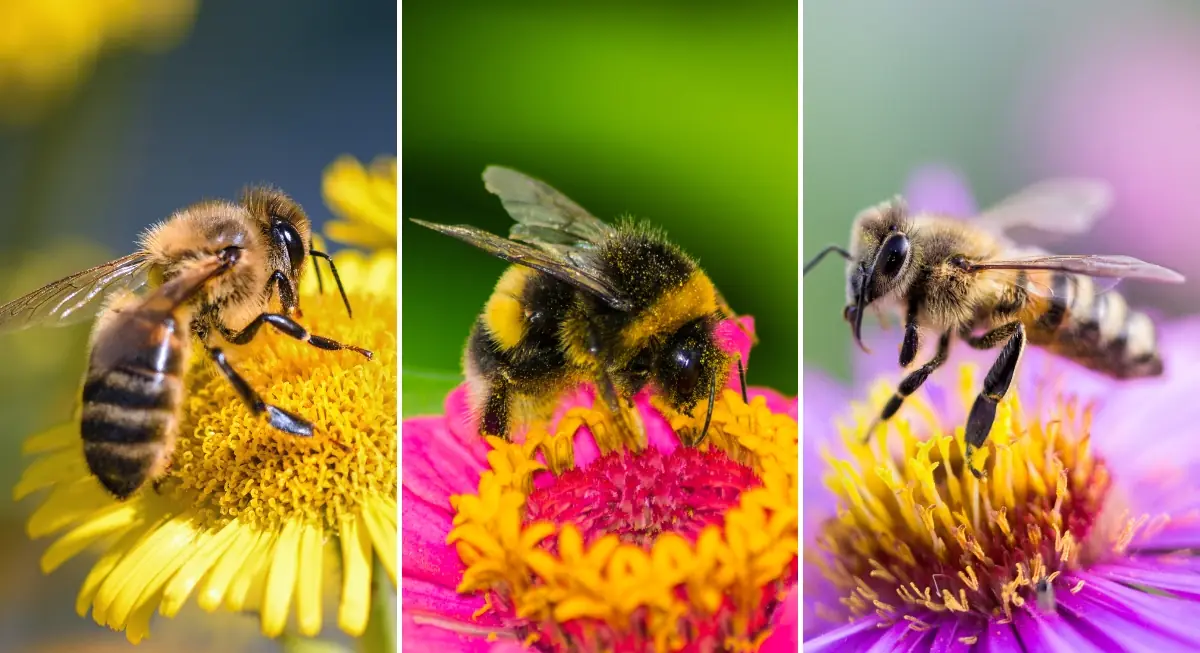
Bees aren’t out to get you, but some pack a painful punch if pushed too far. There are over 20,000 bee species worldwide, but here we narrowed it down to the 15 that stand out for their sting strength, aggressiveness, or, in rare cases, downright danger.
17. Cuckoo Bee
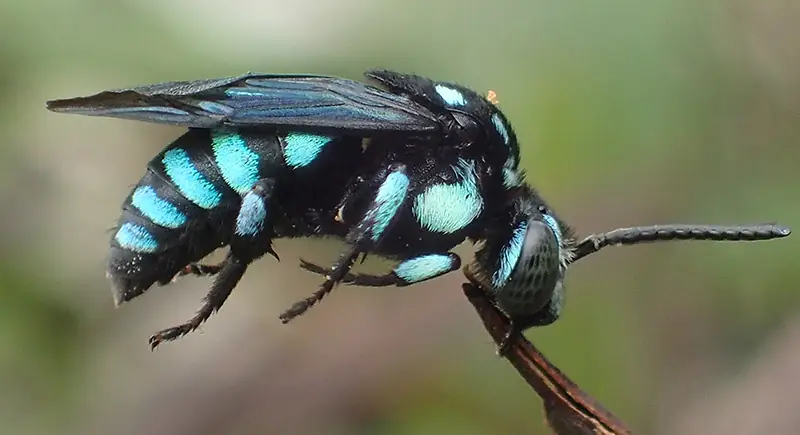
Cuckoo bees skip the hard work. Instead of building nests, females lay their eggs in the nests of other bees, where the young feed on stored pollen. That sounds ruthless, but people have little to fear. They rarely sting because they have no nest or food stores to defend.
16. Stingless Bee
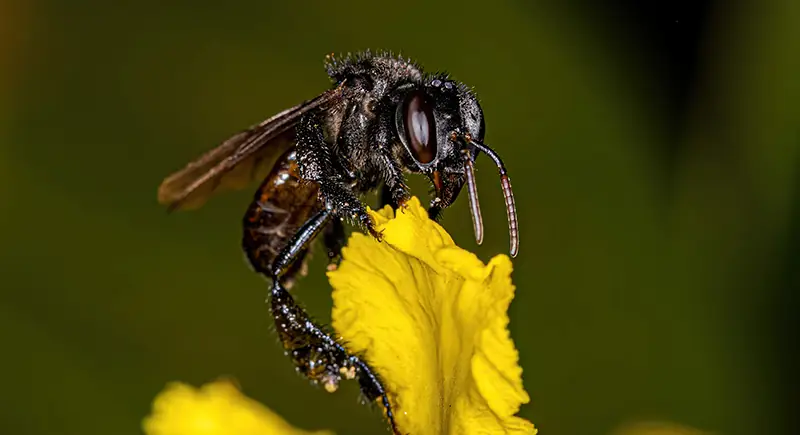
The name says it all. Stingless bees cannot sting people, though many will bite if their nest is disturbed. The pinch fades fast, and most encounters end with curious insects circling your face before heading home. Their value as pollinators far outweighs the brief annoyance they can cause.
15. White-Faced Bee
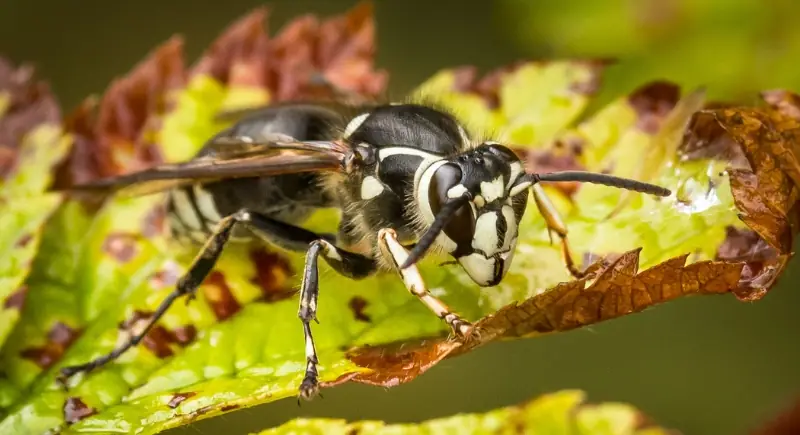
These North American bees rarely sting; when they do, it barely registers more than a mild prick. They build nests underground or in abandoned tunnels. Unlike more social species, they don’t recruit backup when annoyed, which makes them relatively harmless to humans.
14. Furrow Bee
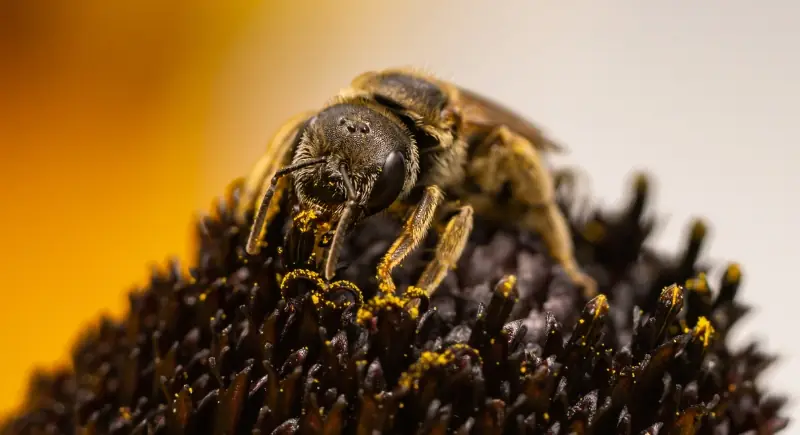
You’ll find furrow bees buzzing across gardens on nearly every continent. They’re more interested in collecting pollen than starting fights. Their bite might still sting, but it is short-lived and rarely causes swelling. One fatal case linked to this species involved a severe allergic reaction, not aggression.
13. Squash Bee
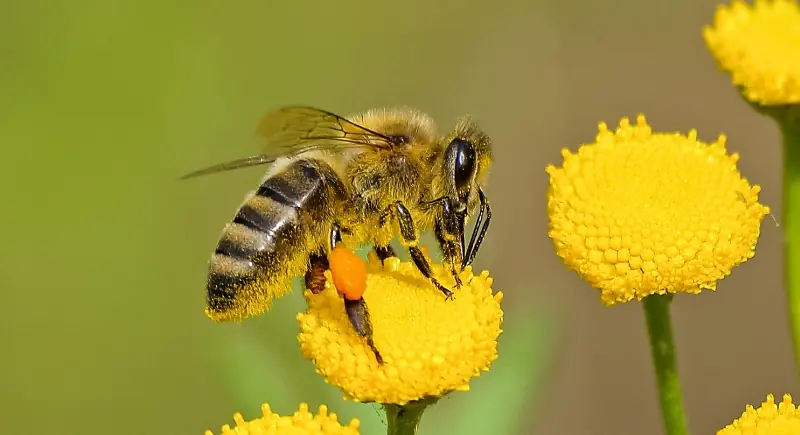
If you grow zucchini or pumpkins, you owe these bees a thank-you. Squash bees specialize in pollinating gourds and blossoms. They don’t sting, but they do bite, and while the bite is sudden and sharp, it doesn’t involve venom. These bees tend to hang around vegetable patches in spring and summer.
12. Mason Bee
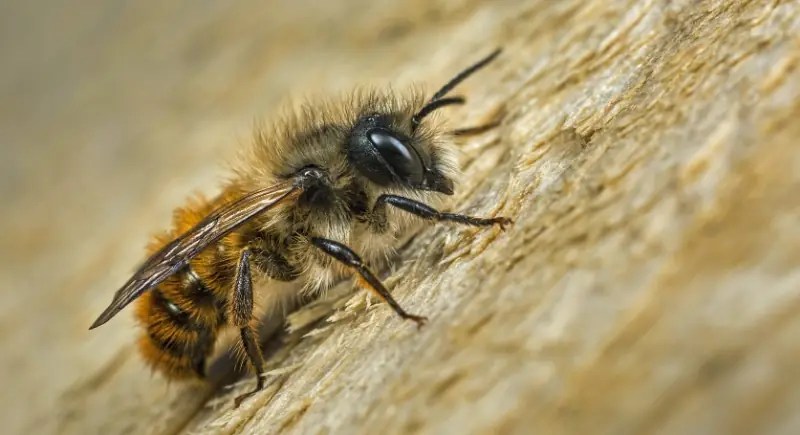
Mason bees are some of the best pollinators. Farmers even use extraordinary mud chambers to house them. They sting only when trapped or squeezed. Females are the ones to watch, though they’re usually too busy with their solo construction projects to bother anyone.
11. Sweat Bee
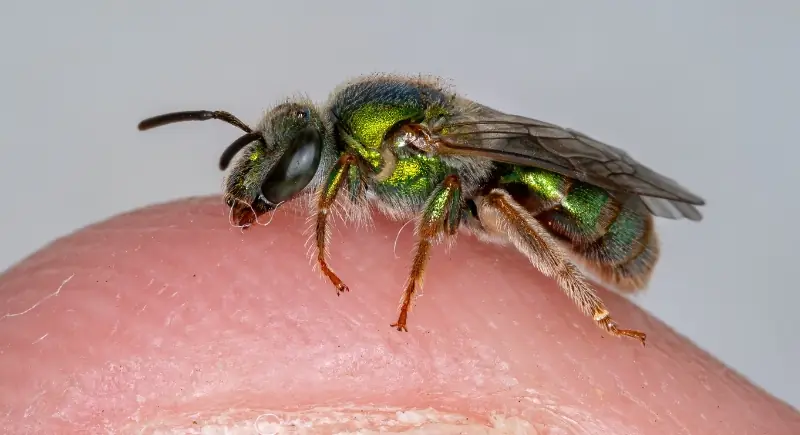
These tiny green bees are drawn to human perspiration, which sounds gross but is harmless, until someone tries to shoo them away. That’s when stings happen. Fortunately, the sting itself is mild and over quickly. Just resist the urge to swat them, and they’ll likely leave on their own.
10. Orchid Bee
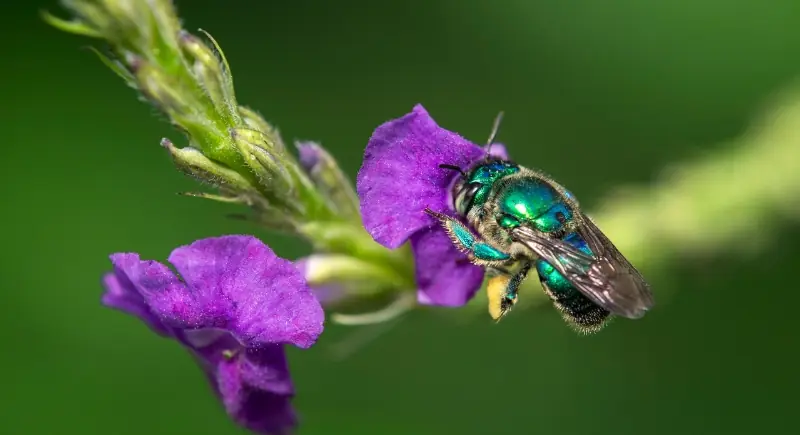
Orchid bees are key pollinators in Central America and parts of Florida. Males collect flower scents to attract mates, and the danger comes from females, who can sting more than once without getting weak. The pain isn’t the worst, but multiple jabs from a defensive female are unpleasant.
9. Carpenter Bee
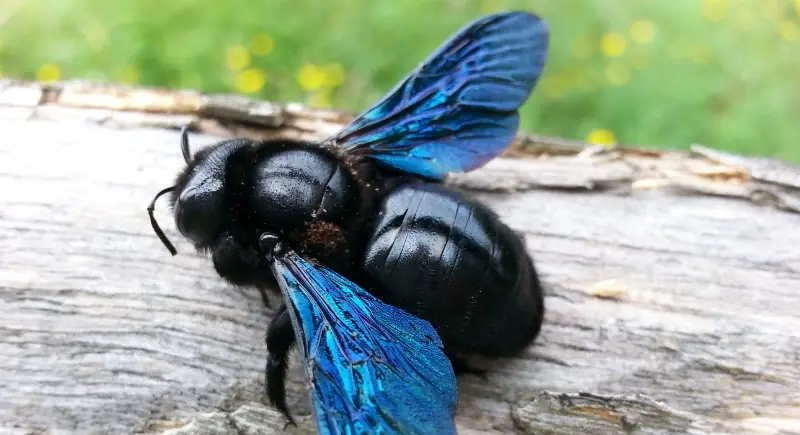
What they lack in venom, they make up for in property damage. These bees drill into wood, which makes them a headache for homeowners. Their tunnels can weaken beams and boards over time. It’s the real estate that takes the biggest hit.
8. Wool Carder Bee
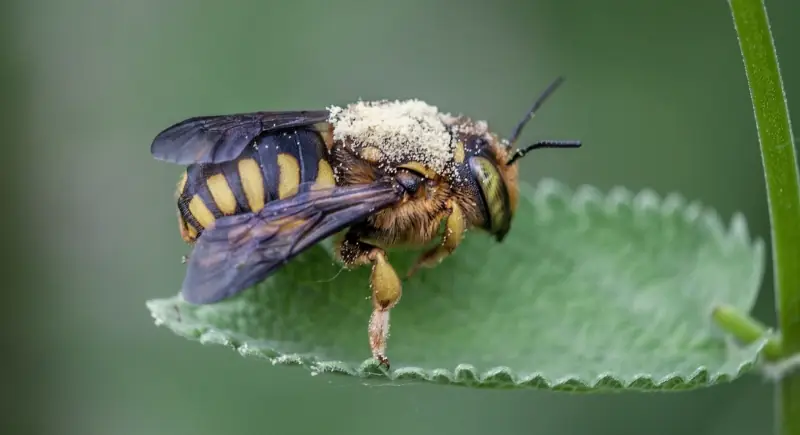
Unlike most bees, male wool carders have leg spines that they use like weapons. Females still do the stinging, but males patrol flowers aggressively, fighting off rivals and sometimes other species. They were introduced to North America in the 1960s, and now they are considered invasive.
7. Honey Bee
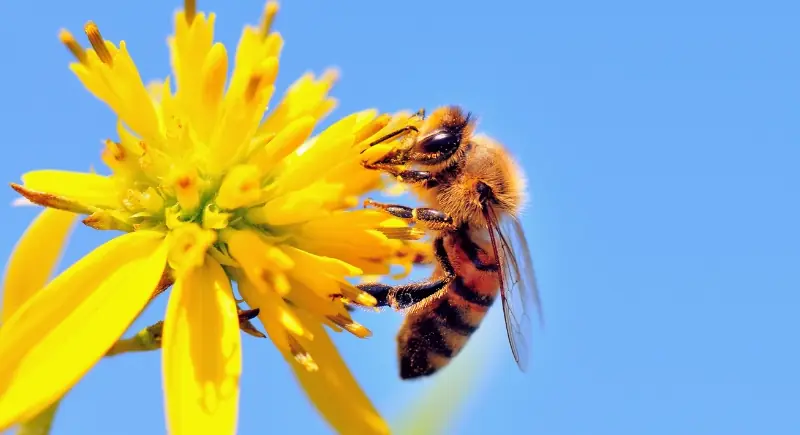
The world’s most famous bee will sting if it has to. The female’s barbed stinger stays behind, pumping venom before weakening the bee. That sting can hurt for hours, swell for days, and be fatal for people with allergies.
6. Bumblebee
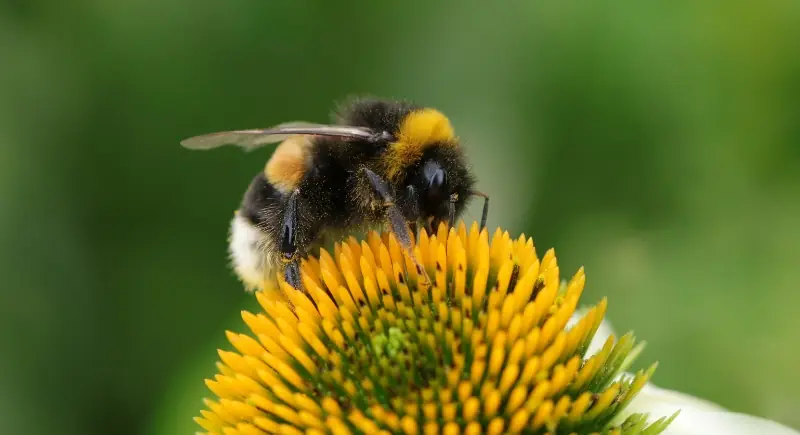
They look like flying plush toys, but bumblebees deliver a serious sting. They’re generally peaceful unless you get near their nest. Unlike honey bees, they don’t get weak after stinging and can jab multiple times, and their social nature means you could be dealing with more than one angry bee.
5. Paper Wasp
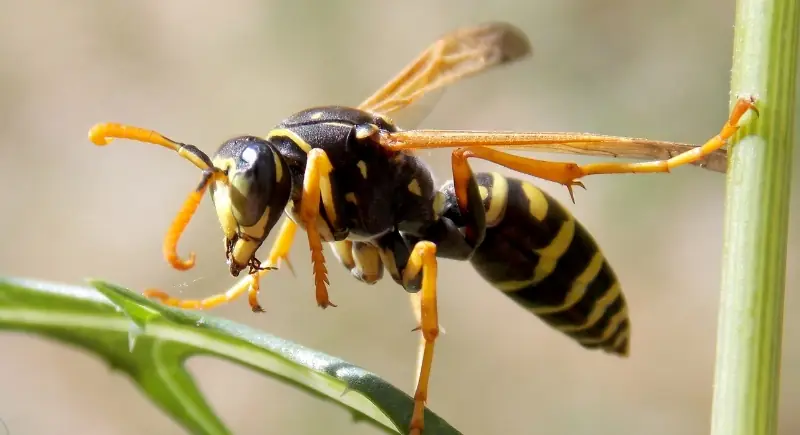
You’ll recognize their papery, umbrella-shaped nests before you spot the wasps themselves. Paper wasps sting when they feel their colony is threatened, and those stings burn. Some people experience severe swelling or allergic reactions. Still, they aren’t aggressive without reason.
4. European Hornet
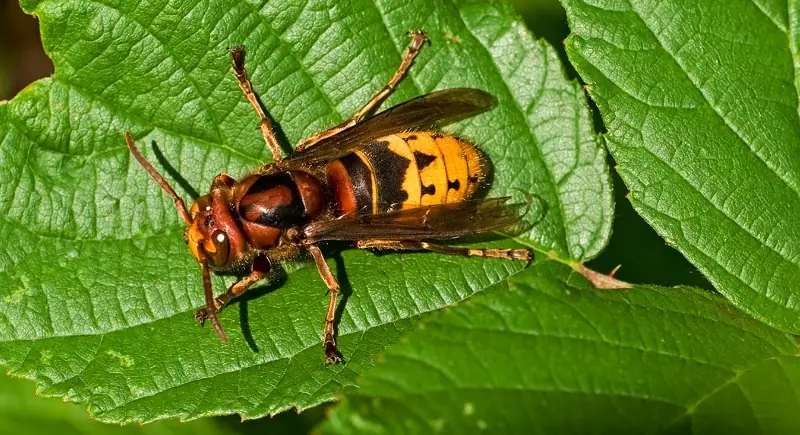
These are bigger than your average bee and far more aggressive. They don’t play nice when their nest is disturbed. They can sting repeatedly and inject a venom that causes tissue inflammation and dizziness. These hornets often nest inside walls or sheds.
3. Bald-Faced Hornet
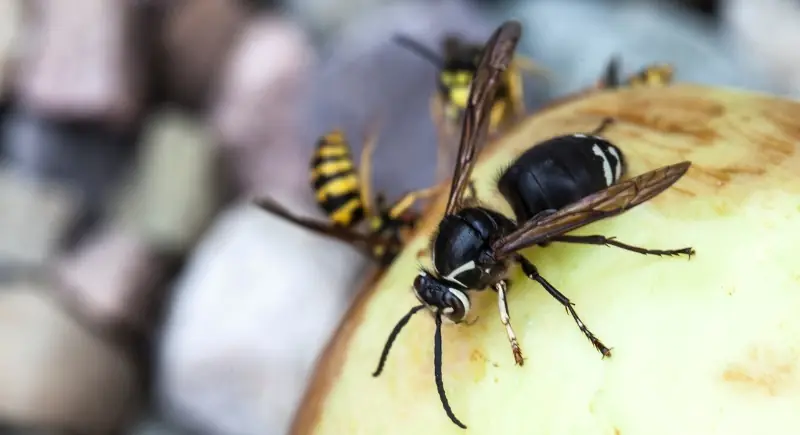
Bald-Faced Hornets are territorial to the extreme. The sting hits hard and spreads venom that triggers swelling, rapid heartbeat, and breathing trouble in some people. They attack in swarms, especially if you wander too close to their tree-branch nests. Once one strikes, others may follow.
2. Yellowjacket
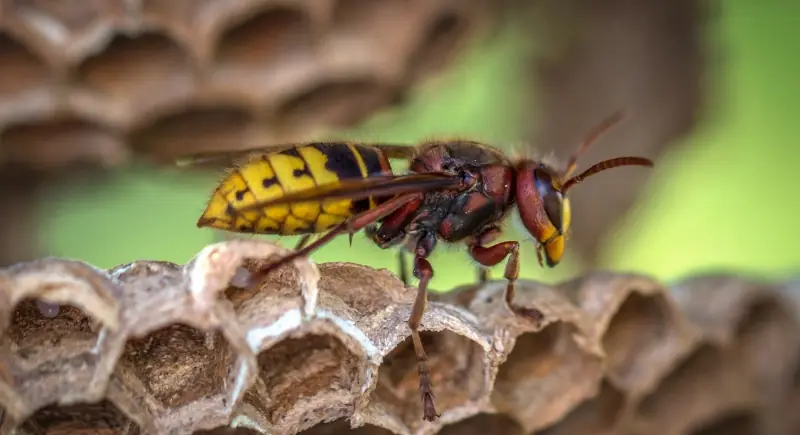
Yellowjackets sting without warning and can do it over and over. They account for about half of all “bee sting” reports in the U.S. annually. They’re especially aggressive in late summer. These ground-nesting wasps crash picnics, sneak into soda cans, and won’t hesitate to chase if provoked.
1. Africanized Honey Bee
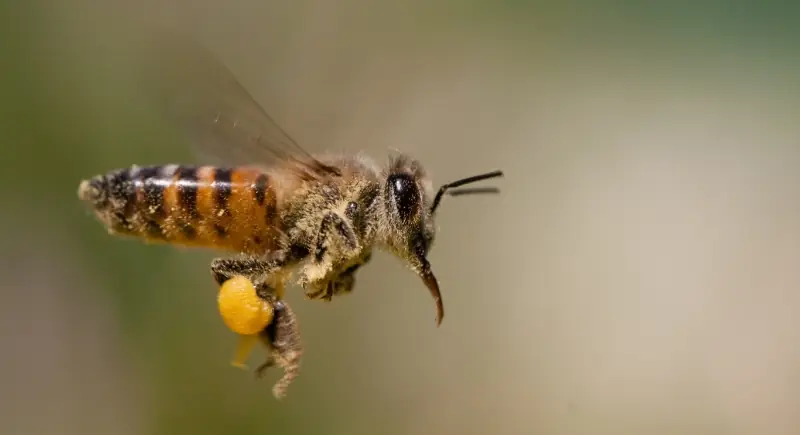
They are nicknamed “killer bees” for good reason. Disturb their nest, and they swarm relentlessly. Victims have been chased over 400 yards! A single sting isn’t deadlier than that of a typical honey bee, but they attack in such overwhelming numbers that multiple stings often lead to hospitalization or worse.