

Dogs don’t need diamonds—they light up over the simplest things. But science says some activities trigger tail wags stronger than others, and this list digs into those feel-good goldmines. If making your pup happier sounds like your kind of fun, you’re in for a treat.
Daily Walks in New Environments
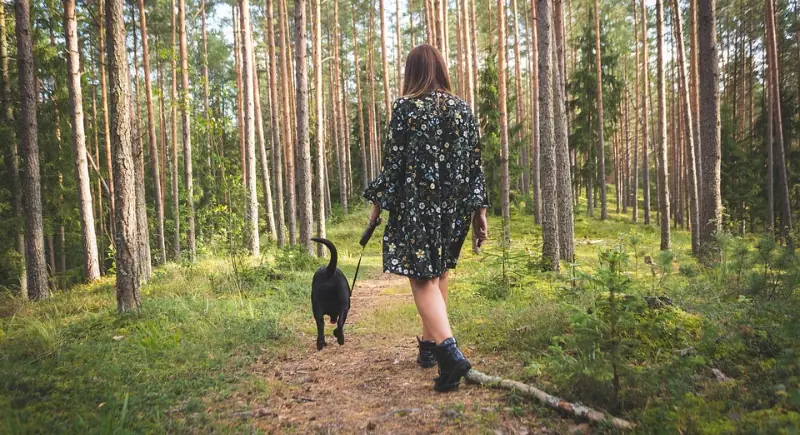
Sure, that regular loop around the block gets the job done—but changing up the route now and then is where the magic happens. New smells and scenery fire up a dog’s curiosity, and the mental stimulation keeps walks exciting.
Play Sessions With Other Dogs
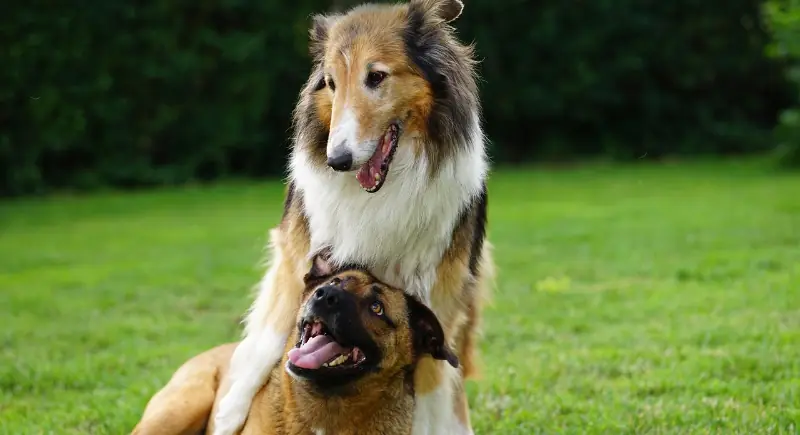
Dogs need friends, too. When they play with other pups, they form chemistry. Dopamine and oxytocin (yep, the feel-good stuff) flow freely during social play. It helps them burn energy, build social skills, and chill out afterward.
Interactive Puzzle Toys
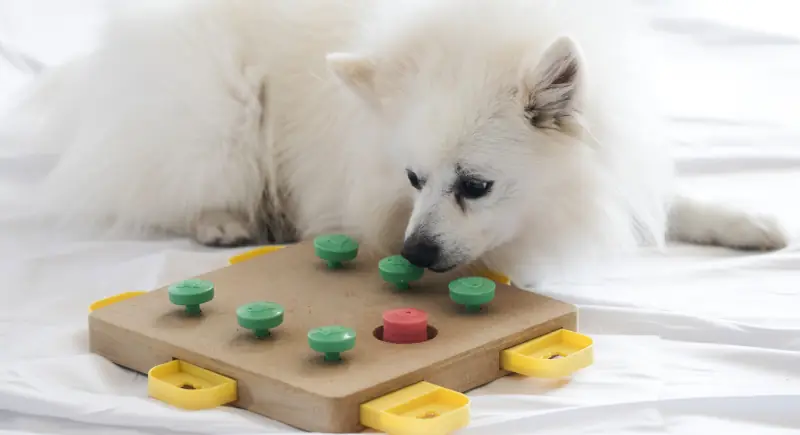
Toys that make your dog work for a treat sharpen the brain. Food puzzles mimic natural problem-solving and keep boredom at bay. Studies show that mentally stimulated dogs are less anxious and way more content. It’s like a dog-friendly version of Wordle, only with bacon-flavored prizes.
Sniffing Walks

Letting dogs stop and sniff is their version of reading the news. Sniff-heavy walks help dogs relax and feel more in control. It’s how they gather information, process the world, and decompress. Slow down and let that nose do its job.
Positive Reinforcement Training
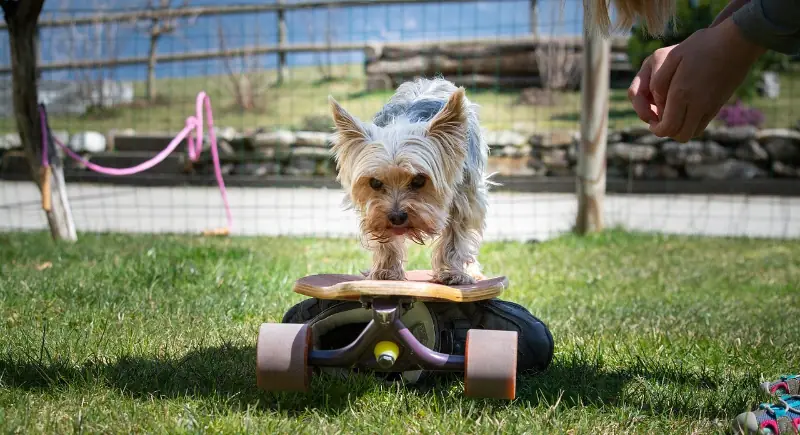
Dogs actually like learning when it means treats, toys, or high-pitched praise. Reward-based training boosts confidence, improves communication, builds trust, and lowers anxiety. Plus, teaching your dog fun tricks is a great excuse to brag at the dog park.
Swimming
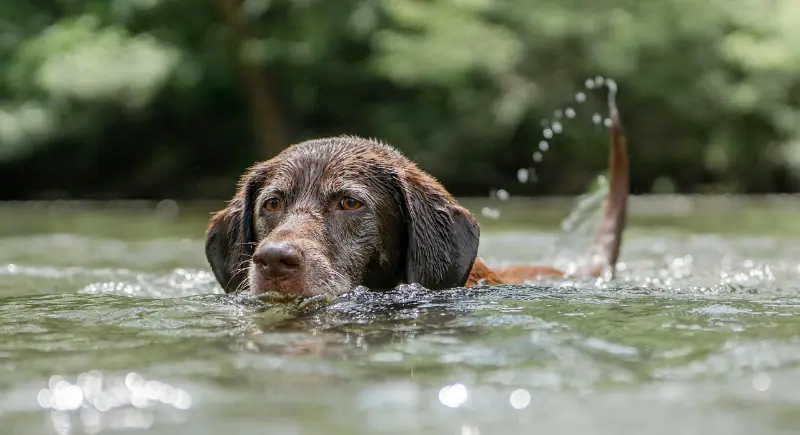
If your dog loves water, swimming improves its health and mood. The water supports their joints, which makes it ideal for older or injured pups. Plus, it taps into their primal instincts. Some breeds were literally born for it—hello, retrievers—and splashing around triggers tail-wagging joy like few other things can.
Cuddling With Their Owners
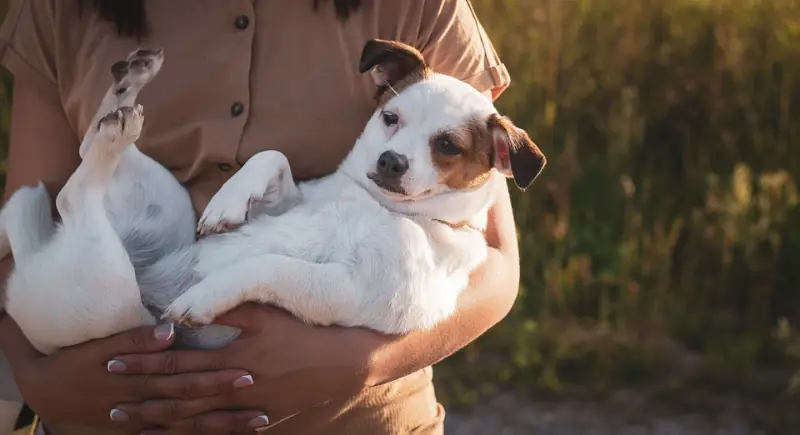
There’s science behind those cozy couch moments. Physical closeness releases oxytocin, the bonding hormone. Dogs aren’t complicated; being near the people they love is often the highlight of their entire day.
Chasing and Retrieving Games
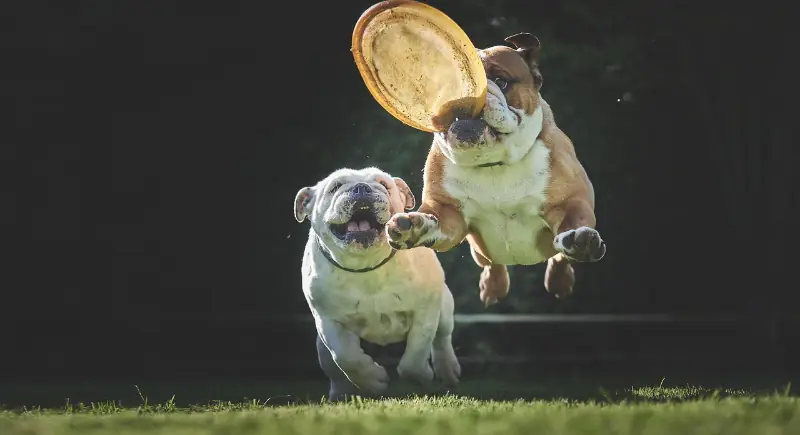
Toss a ball, and you’ll see centuries of instinct kick in. Retrieving satisfies prey-drive urges and provides cardio without the boredom of repetitive walking. Research links these high-intensity bursts to improved mood and better sleep. Dogs love the instant feedback of catching and returning something, especially when paired with praise or a treat.
Tug-of-War With Rules
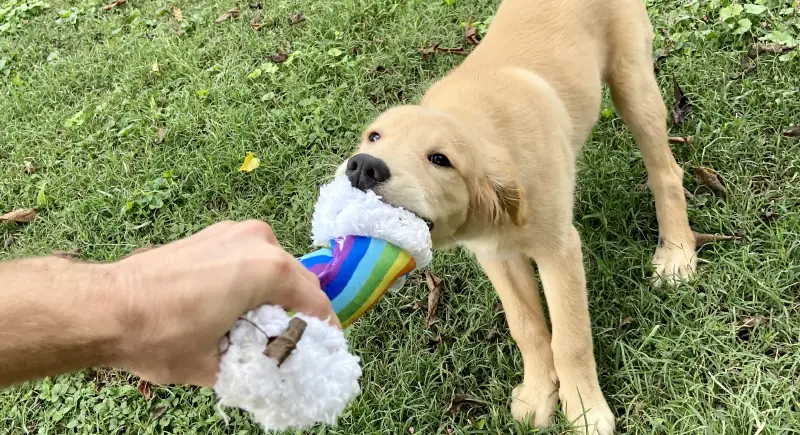
Tug has a bad rap it doesn’t deserve. Played the right way—with rules, boundaries, and a designated toy—it builds confidence and strengthens your bond. Trainers say letting your dog win now and then actually boosts trust. It’s engaging, physical, and honestly pretty fun once you get into it.
Scent Work or Nose Games

Dogs rely on their noses more than sight or sound, so scent-based games stimulate the brain and boost confidence. They’re also a favorite among anxious dogs and help them focus and feel in control.
Off-Leash Time in Safe Spaces
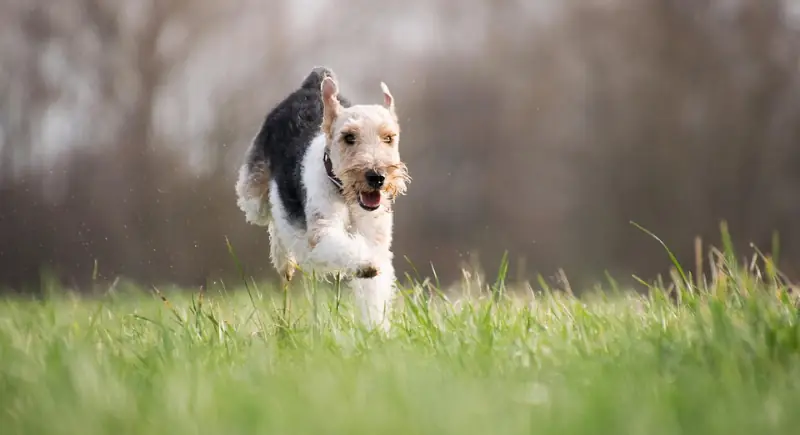
Letting dogs run free—safely fenced or within a secure area—allows them to move at their own pace. Studies show that off-leash play lowers cortisol (the stress hormone) and helps dogs burn energy more naturally. Unlike leash walks, this freedom allows for better sniffing, sprinting, and spontaneous play.
Car Rides With Open Windows (Safely Secured)
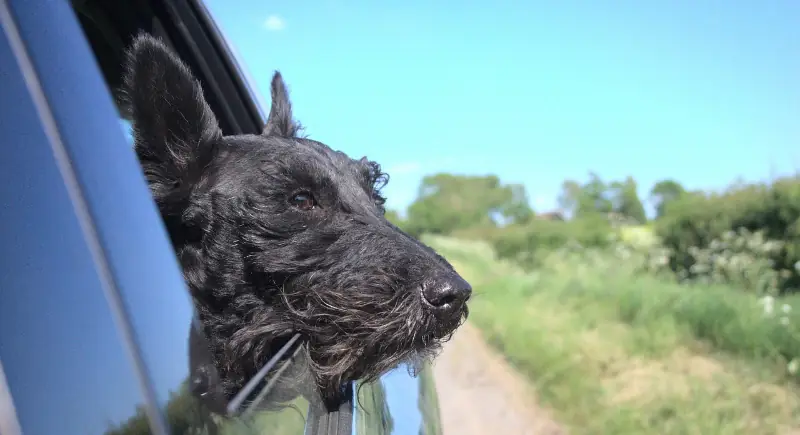
Dogs stick their head out the window, and they’re in heaven. Car rides offer a moving buffet of scents that get their brain buzzing. Neuroscientists have found that novelty triggers reward centers in dogs’ brains, and few things are more novel than miles of new smells flying past their noses.
Listening to Calming Music

Turns out dogs have musical preferences. A joint study by the Scottish SPCA and the University of Glasgow found that soft rock and reggae lower stress in dogs—especially those in shelters. Classical music can help, too, but it’s not one-size-fits-all. Peaceful background music also helps mask household noises that might otherwise spike their anxiety.
Massages and Touch Therapy
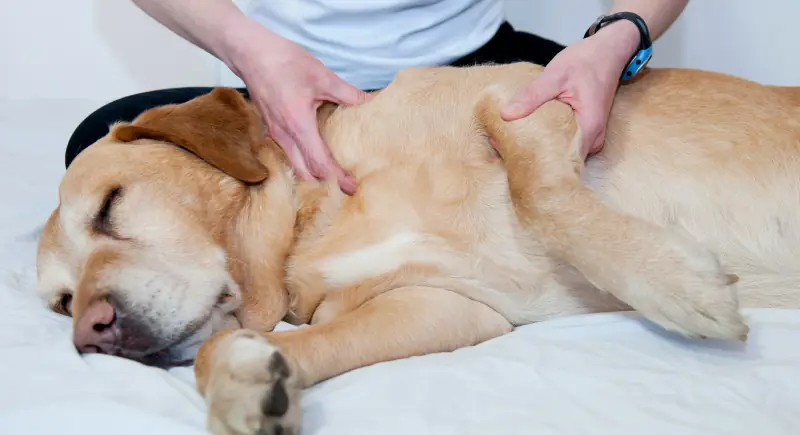
Therapeutic touch helps increase circulation and ease muscle tension. Endorphins kick in during gentle massage sessions, calming nervous pups and making older dogs more comfortable. Use slow, consistent strokes and pay attention to areas they enjoy.
Agility or Obstacle Courses
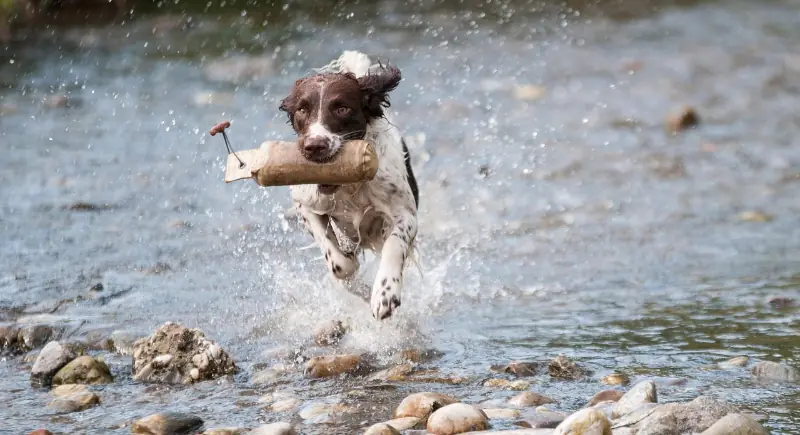
Agility work challenges both body and brain. Running through tunnels, weaving poles, or hopping over jumps provides physical fitness and boosts problem-solving skills. This agility helps dogs develop focus, trust, and resilience. Even a few homemade obstacles in the backyard can turn playtime into a confidence-building thrill.
Scent-Focused Treasure Hunts at Home
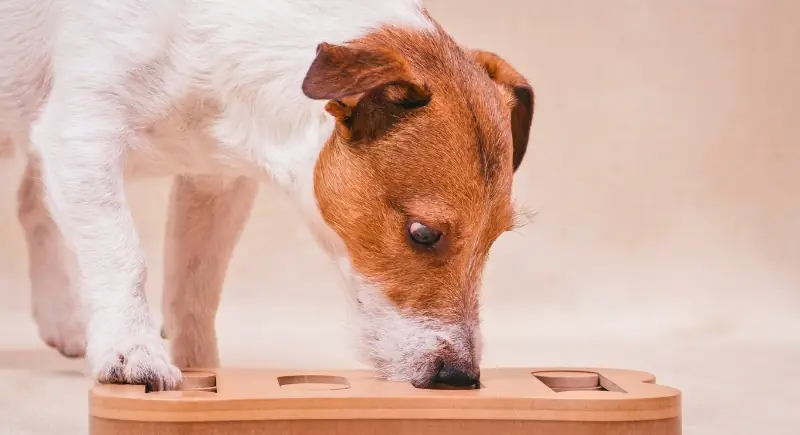
Dogs love using their noses. Setting up scent-focused treasure hunts at home will drive their natural sniffing instincts and keep their brains sharp. Hiding treats or toys around the house makes them feel like expert detectives. This kind of enrichment builds confidence, reduces boredom, and delivers a heavy dose of tail-wagging joy.
Doggy “Spa Days” With Brushing, Grooming, and Pampering

Dogs enjoy a good pampering session just as much as humans. Brushing and gentle grooming help release endorphins and strengthen the bond with their favorite person. Regular spa days will help them feel secure and loved, reduce stress, and keep their coat healthy. It’s a calming ritual that leaves tails wagging happily.
Watching the World from a Window
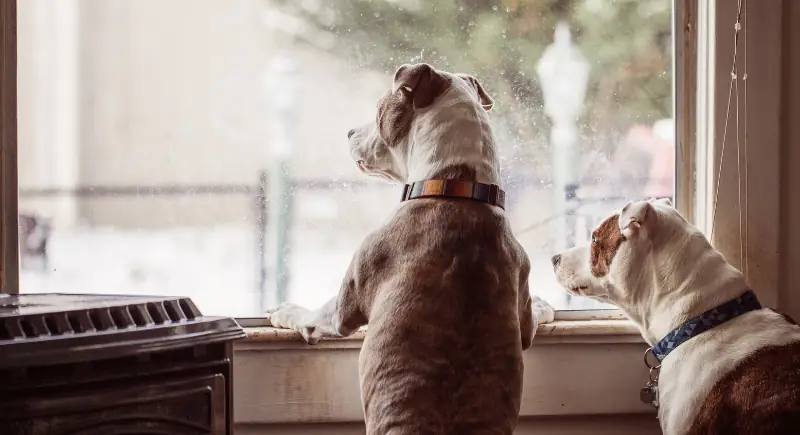
Some dogs light up when they get a comfy perch with a view. Peeking out at people, bikes, and birds feeds curiosity and gives your dog gentle mental stimulation. Neuroscience shows novelty like this can trigger feel-good brain chemicals while helping your pup stay mentally alert and emotionally balanced. Make it comfy and safe.
Digging in a Designated Sandpit
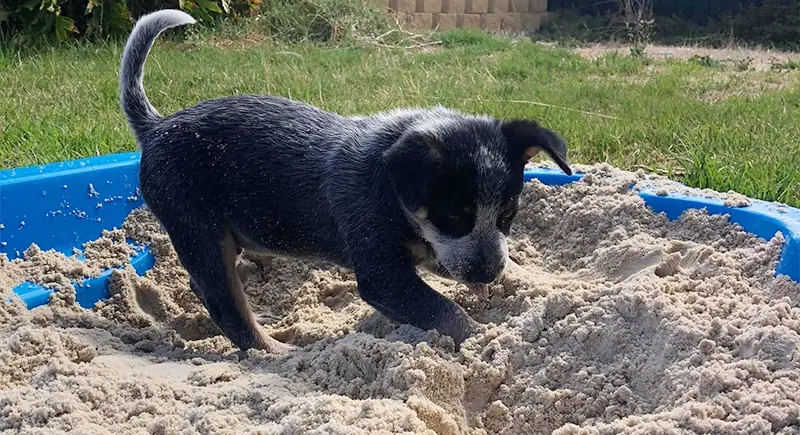
Digging taps into deep dog instincts and gives them a sense of purpose right in your backyard. When you create a special sandpit just for digging, your dog can safely indulge that urge without ruining gardens or bushes. It’s physical play plus mental engagement rolled into one, helping reduce boredom and encourage natural behaviours.





