
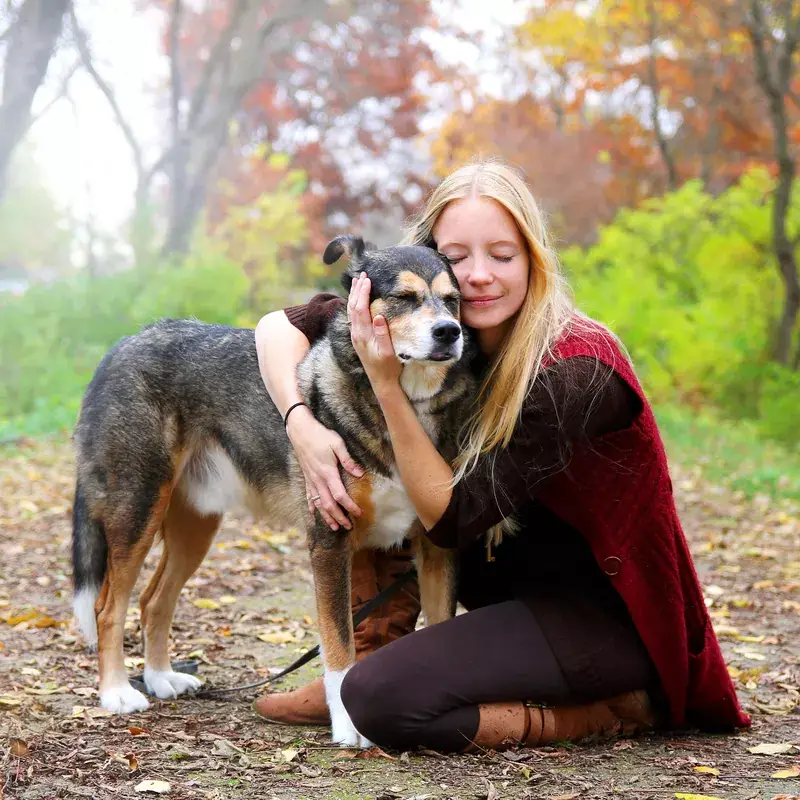
Everybody loves puppies. We love puppies so much that we tend to forget about all the accidents they have while potty training, the shoes and cushions they destroy while teething, and the endless exercise and supervision they seem to require.
Many potential pet parents go to a shelter with specific requirements. They want a blank slate — a cute puppy they can nurture into the perfect pet. If they went in with a more open mind, they might find there are some senior dogs available that already fit the bill.
Adopting any animal frees up space and resources for another one to be saved, but adopting a senior dog could save a precious life. These are the reasons to adopt an aging pet and get all the benefits that come with it.
Shelter for Senior Pets
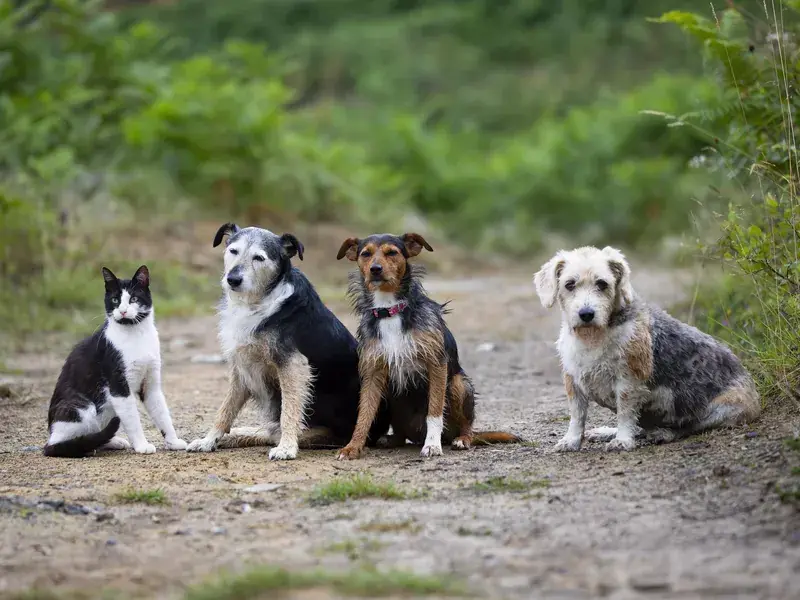
Senior dogs spend around four times longer waiting for a home than younger dogs. Not only that, but the percentage of senior dogs successfully re-homed is just 25 percent, compared to 60 percent for younger pups.
The longer these older animals wait, the greater the chances of them being euthanized. According to the ASPCA, about 920,000 shelter animals are euthanized every year, and many of these will be older animals.
The crazy thing is these animals aren’t even old. Cats over the age of 18 months have just a 60 percent chance of being adopted, despite having most of their lives still to live. For kittens, the adoption rate is much higher at 82 percent.
Reduced Adoption Fees
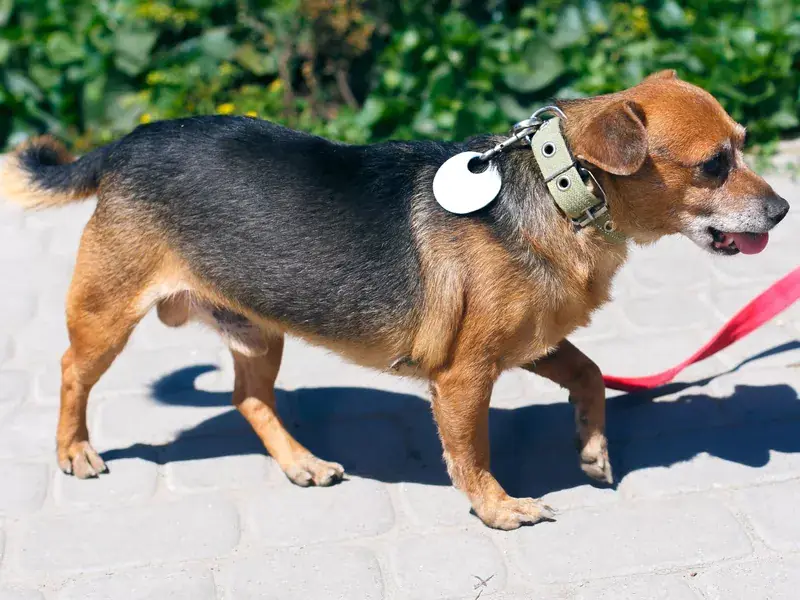
Most shelters charge an adoption fee to cover the animal’s veterinary bills. A survey conducted by the American Kennel Club found the average adoption fee to be “between $100 and $300,” depending on the age and breed of the animal.
The adoption fee usually covers vaccinations, flea and tick treatment, microchipping, deworming, and spaying or neutering.
As most older dogs will already have been spayed or neutered earlier in life, their adoption fees tend to be a lot lower than those of their younger counterparts.
Some organizations also offer discounts to those adopting a senior dog or cat.
Reduction in Shelter Overcrowding

There are thousands of animal shelters in the United States, but almost each one is full to overflowing.
Many shelters are so overcrowded that they’re being forced to use unsafe practices, like housing more than one animal in a single enclosure. In some places, the pressure is so severe that euthanasia is the only way to cope.
Worst still, overcrowded shelters aren’t good for their inhabitants, who may develop behavioral problems as a result of the stress and noise, making them even harder to reign in.
By adopting an older pet, you not only save its life but also free up space for another animal to be rescued, and make life in the shelter more tolerable for all.
You Don’t Have to Teach Old Dogs New Tricks
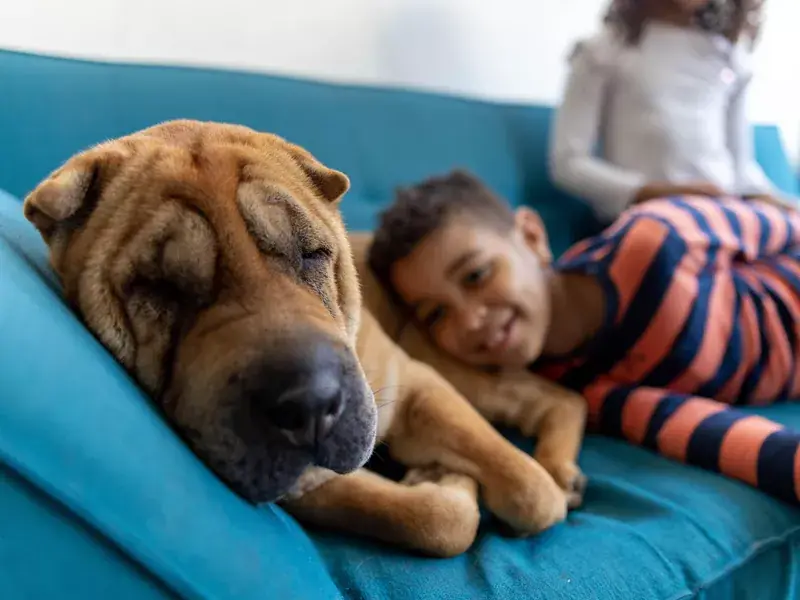
Many people are big fans of older dogs, which is a good thing, because they own a lot of them. Older dogs tend to have a calmer demeanor, and some breeds will even sleep on the sofa like they are one of the family.
In the younger years of older dogs, owners would spend days chasing them around the house, shooing them out of the laundry basket, and confiscating unsuitable playthings (like phone chargers and smartwatches).
Older dogs will take time to settle into a new routine, just as puppies do, but they’re likely to adapt to their new environment much more quickly and smoothly because they’re that little bit older and wiser.
That’s just one of the many benefits of adopting a senior dog.
No Teething Period
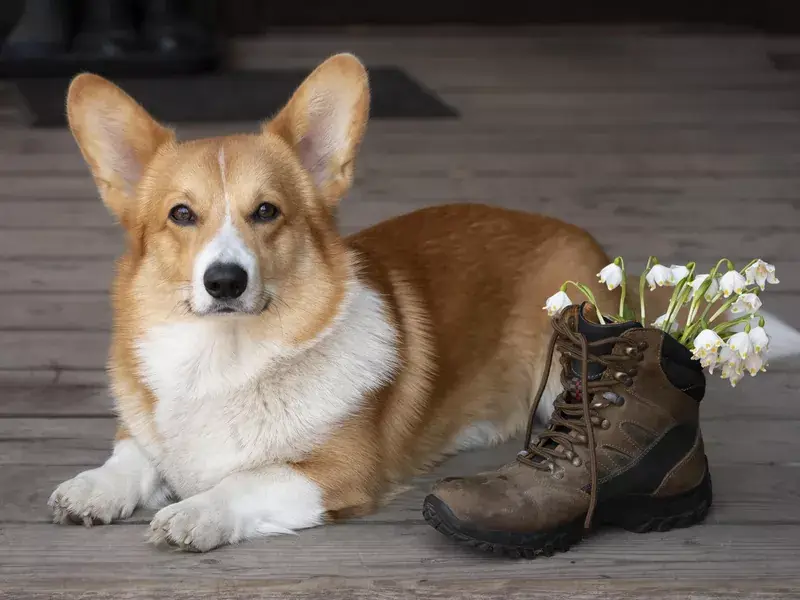
During teething, puppies like to get their teeth into everything and anything as they try to relieve the pain and irritation.
Older dogs have already been through this frustrating stage of life, so they are far less likely to sink their teeth into your favorite pair of shoes or tear your living room to pieces.
Aging Dogs Are Less Destructive
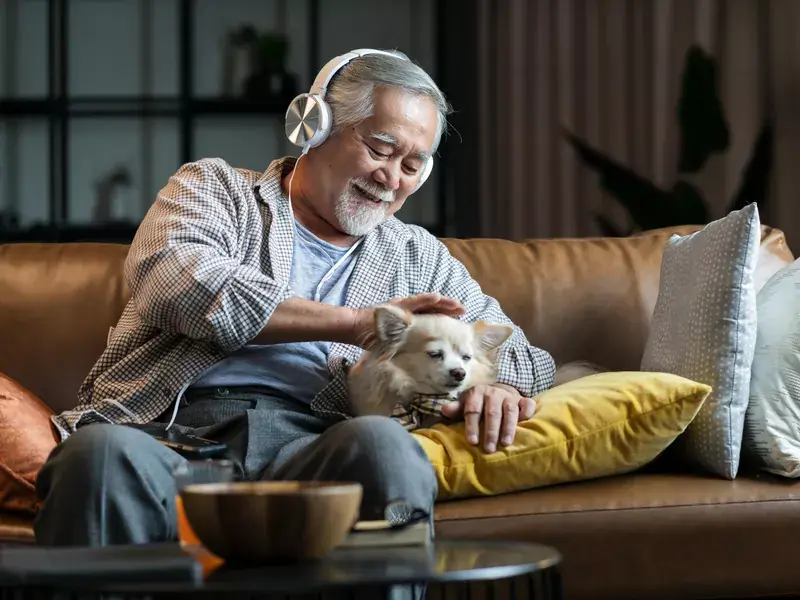
Older dogs are also more familiar with household items than a puppy, which may still want to explore (with its mouth). They know cushions are for lying on, not turning inside out, and simply want to sleep on your sofa rather than turn it into a scene from a horror movie.
Older Dogs Are Easier to Train
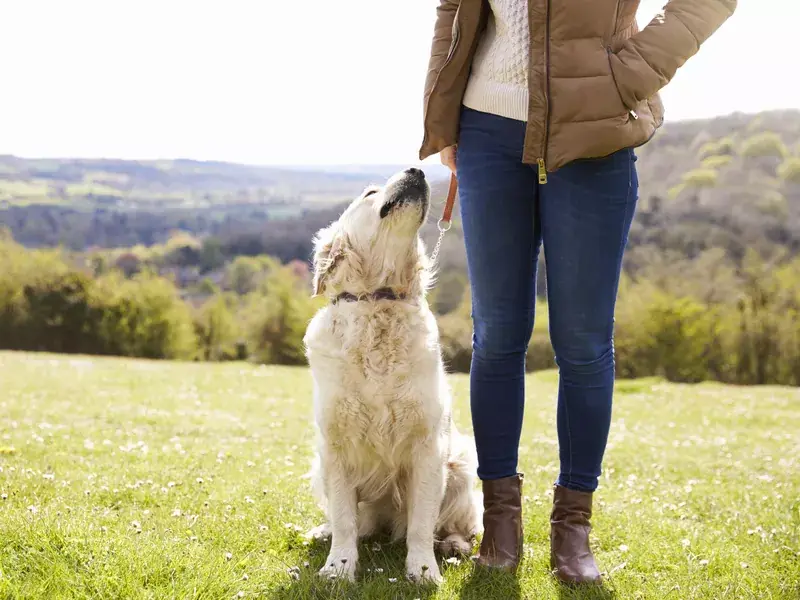
Puppies are fun, but they need constant monitoring and extensive training. They won’t come when called or sit on instruction. Instead, you’ll be rushed off your feet just getting him to pee outside.
Most senior dogs already understand basic commands, like “come” and “sit,” are fully house trained, and know how to walk on a leash. Older dogs also have a longer concentration span than puppies, so they can focus on learning new skills more effectively, making training sessions shorter and more rewarding.
It’s Easier to Understand the Personality Type of a Senior Pet
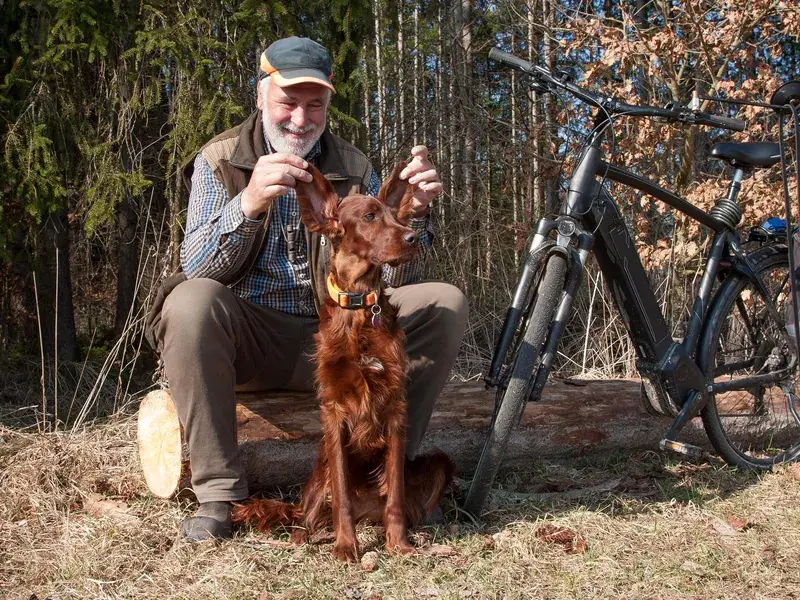
An older dog already has a fully developed personality, so you’ll have a better sense of who you’re inviting into your home.
Shelter staff will be able to fill you in on the dog’s characteristics so you can find the perfect match. They can’t necessarily do this with puppies, who’ve yet to develop fully.
A more mature dog tends to have a calmer temperament and will already have been socialized by its previous owners. That means it will fit into your lifestyle more quickly and easily than a puppy might.
Old Dogs Are Less Demanding

Unless you adopt an older dog with a series of health issues or mobility challenges, senior animals are generally less demanding.
Older dogs are fully grown, which means you’re immediately aware of their nutritional needs and grooming requirements. These are less likely to change over time, as they do with younger dogs.
Similarly, older dogs are generally calmer around other dogs, require less exercise, and are less likely to experience separation anxiety than younger animals. They also tend to engage in more positive interactions with their new owners.
Adult Dogs Provide Emotional Support

You can choose a more senior dog according to its personality type, so if you want a couch potato that wants to cuddle all day, you can ask the shelter staff to point you in the right direction.
A younger dog isn’t yet mature enough to respond to its new owner’s emotional needs, which means an adult dog is a better fit if you’re hoping for a companion.
Aging Dogs Are Appreciative
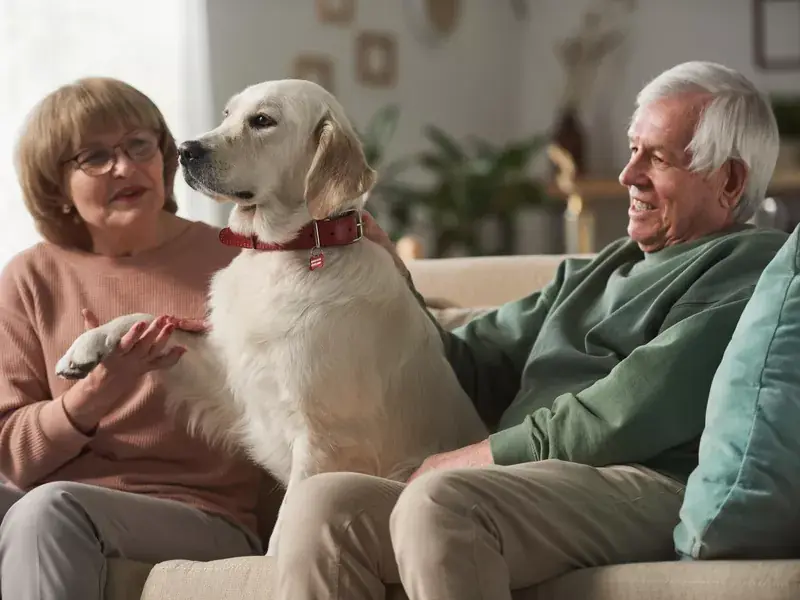
Senior dogs have already experienced life in a loving home and want nothing more than a safe place to live out their golden years.
They tend to be more affectionate and more responsive to their owner’s emotions.
Older Dogs Have Calmer Temperaments
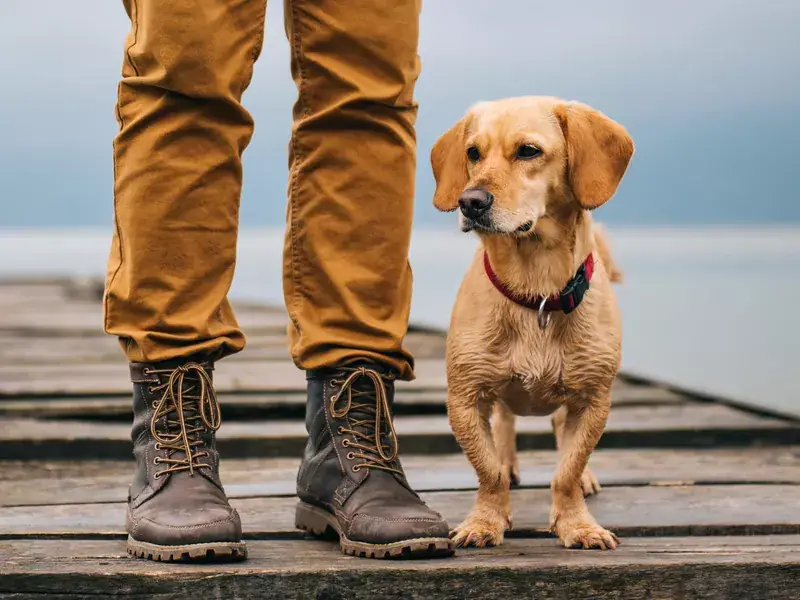
Younger dogs are high-energy, excitable, and need lots of stimulation. Such behavior can be exhausting, although there are tools that can help to keep a check on them. You can go through the Halo 2 dog collar review to see how such gadgets can accentuate your peace of mind.
Studies indicate that dogs experience “middle age” around their third birthdays, after which they stop seeking novel stimuli and become less reactionary.
Adopting a senior dog from a local rescue group will give you a companion with a calmer temperament and a more mature outlook on life.
You Get Instant Companionship with Senior Pets
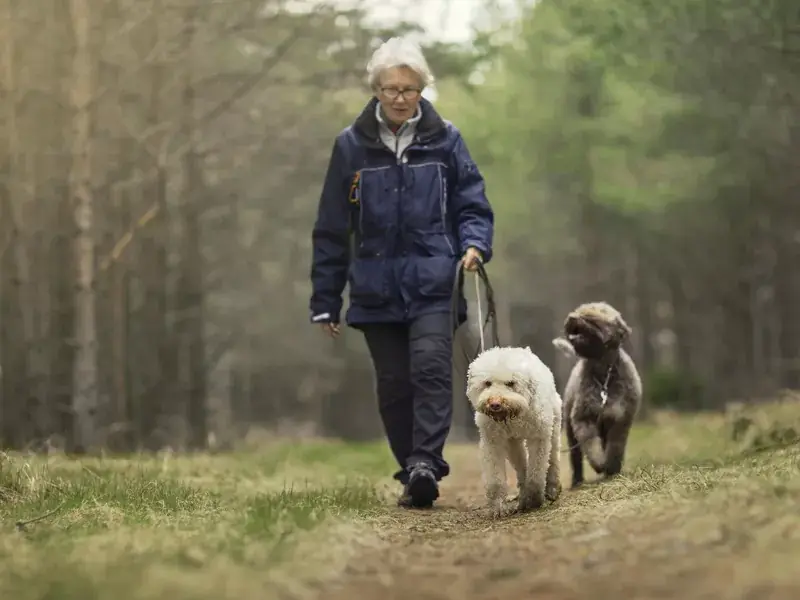
Many senior dogs have already had a relationship with a human and are eager to bond with their new family members.
Unlike puppies, they don’t need leash training or endless hours of socializing. They will happily accompany you on a walk and then curl up on your lap afterward for a cuddle.
Senior Dogs Have Better Manners
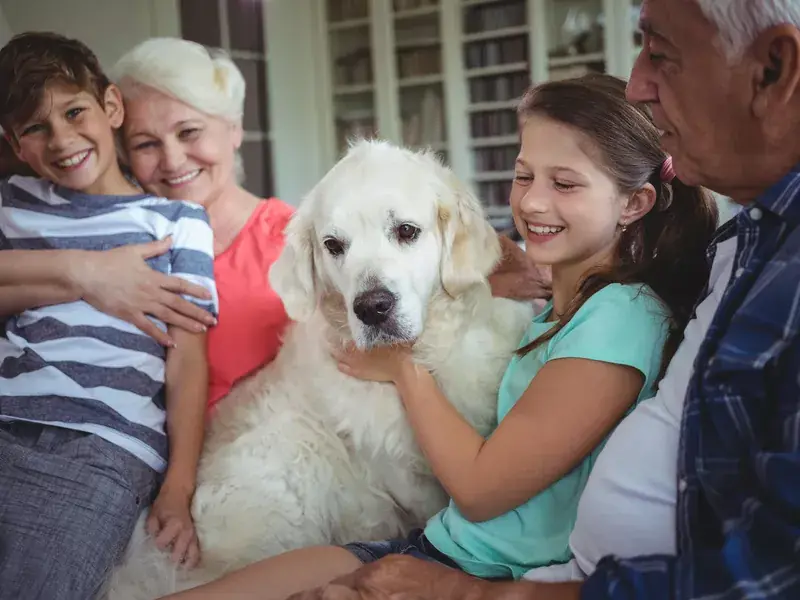
No matter how well-bred your puppy is, he still needs training. Not even a pure-bred golden retriever instinctively knows it’s wrong to bite its owner’s ankles or that snatching a whole roast chicken off the table is bad manners.
An older dog is likely to have learned these lessons earlier in life, which means you can forego these tedious teething problems (excuse the pun) and get straight to the part where you become best friends.
Senior Pets Require Less Supervision Time

We love puppies just as much as the next person, but they’re exhausting. Puppies run amok — chasing, biting, chewing, pooping. They’re always doing something, which means you need to keep an eye on them.
Senior dogs tend to be calmer and more sedate. They’re happy to spend a morning snoozing in the sunshine or relaxing on the sofa, meaning you can spend more time enjoying their company rather than running around after them.
You Know Exactly What You’re Getting With an Older Dog

Puppies are great, but there’s no age limit on love. There are many benefits to adopting an older dog, not least of which is knowing exactly what you’re getting. Puppies develop and change over time, but a senior dog is already a known quantity.
Senior dogs are loving and grateful for a second chance at life. They tend to bond more quickly than young dogs and remain steadfastly loyal to their new owners.
Most older pets already have basic training in place, making them suitable for first-time owners. They also require less exercise, have calmer temperaments, and adapt more readily to new surroundings.
Adopting a senior dog means saving not just one life but two. You’ll have a whole new lease on life when you’ve got a loyal companion to share it with.
This article is a partnership with the World Animal Foundation.





