
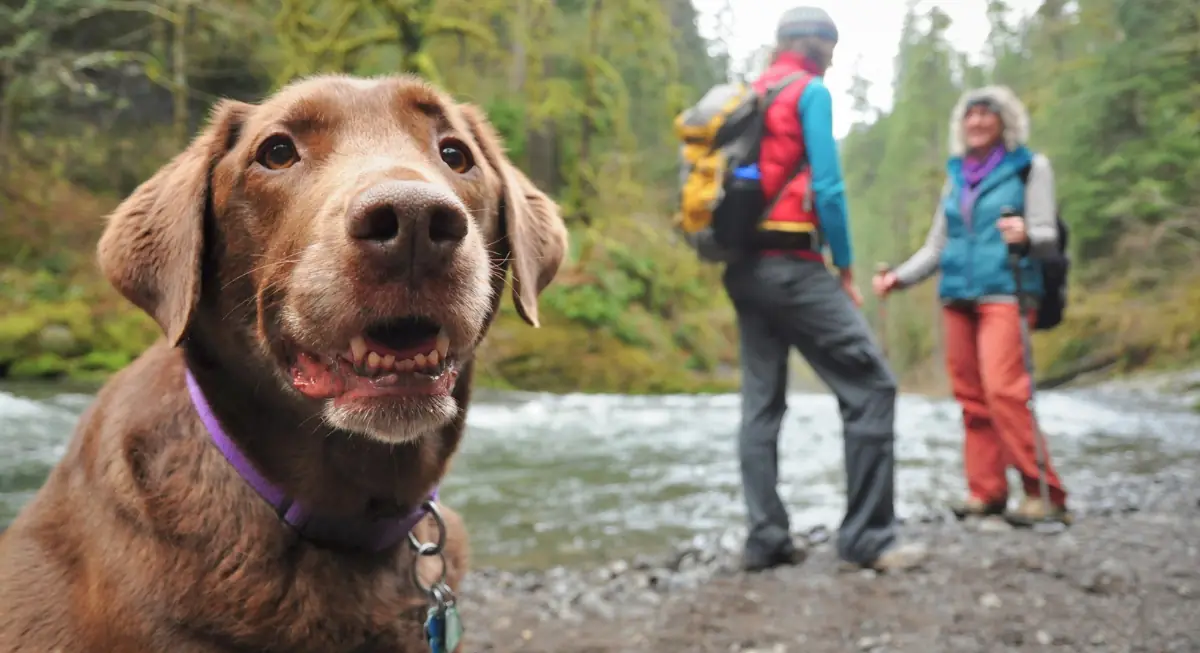
Adventuring with your dog doesn’t have to be limited to the backyard or the neighborhood park. Trails, beaches, restaurants, and even races now welcome four-legged companions in ways that go beyond basic access. Many of these activities strengthen obedience, reduce stress, and provide physical outlets. Plus, they’re just fun.
Here are different ways to make your time together more active, highly memorable, and quite rewarding.
Trail Racing
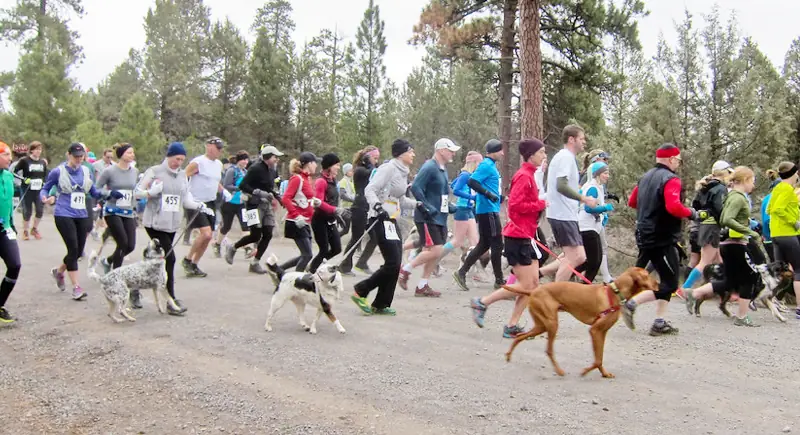
Peterson Ridge Rumble, held in Sisters, Oregon, is one of the rare organized trail races that openly welcomes dogs. Its 20-mile course includes aid stations with dog bowls, shade spots, and a finish-line pig’s ear. The race caps entry to avoid crowding, and it’s an ideal early-season event for active dogs that enjoy steady distance over speed.
Dining Out
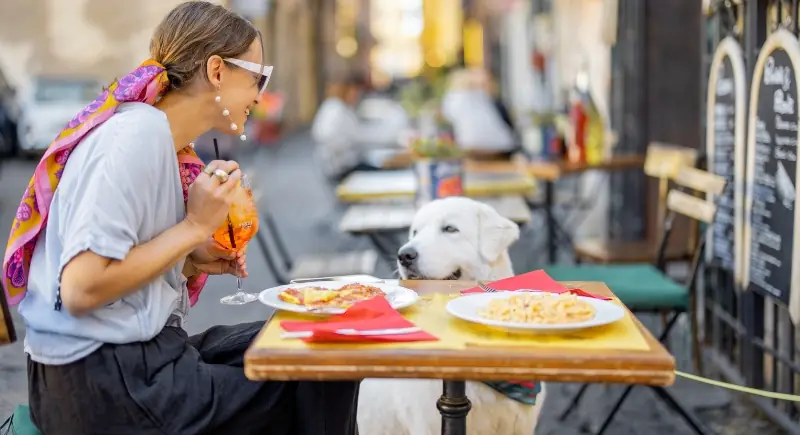
Sharing a meal out doesn’t always need to mean leaving your pup at home. Various restaurants now allow dogs to sit on patio seating, usually with water bowls and light treats. Including your dog during quiet lunch hours or weekend breakfasts can ease their anxiety around noise and other people.
Beach Days
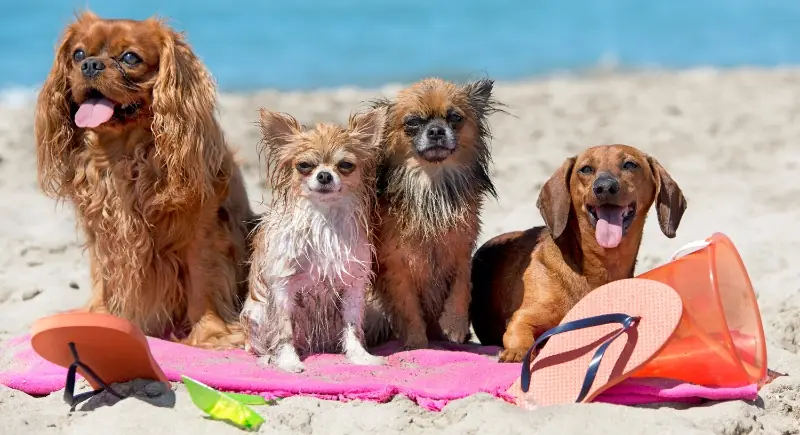
If your dog spends every day in the same backyard, their environment stops offering new mental input. Beaches, especially those that allow off-leash play, give dogs tactile variety, natural smells, and space to run freely. Without this kind of change, dogs can start to show signs of boredom or destructive behavior.
Camping
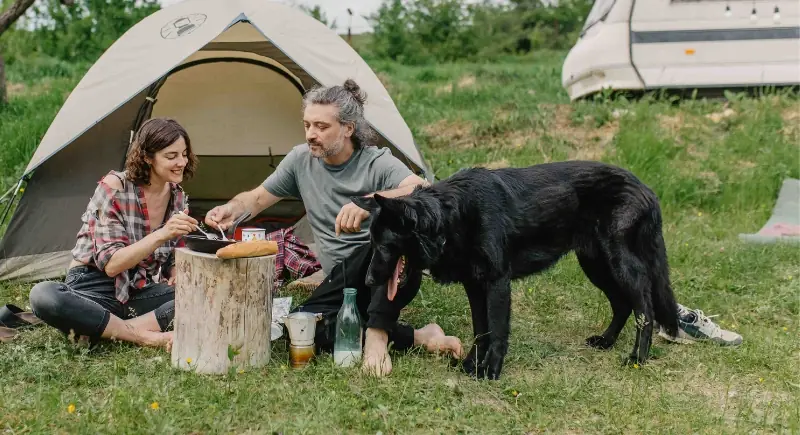
While hiking gets most of the attention, the campsite itself offers benefits. New smells, sounds, and routines help dogs adjust to unfamiliar environments. Most four-legged pals settle more easily after a full day outdoors, even without intense activity. Research links outdoor time to lower stress in humans, and many trainers observe similar effects in dogs.
Flatwater Paddling
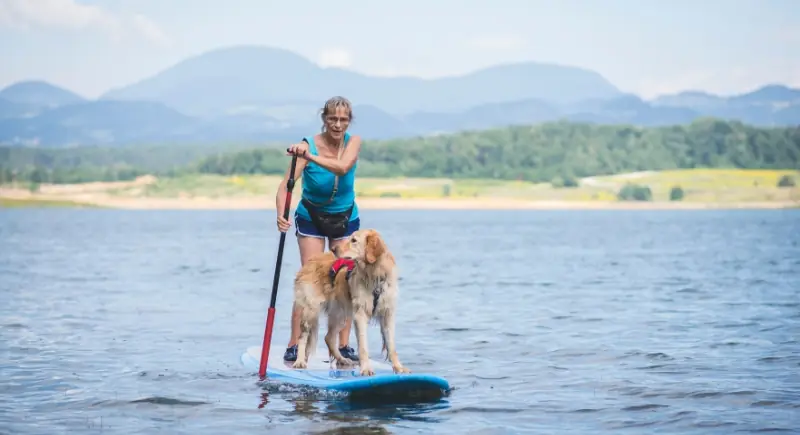
Gliding across flatwater in a kayak or canoe can be surprisingly calming for dogs, especially those hesitant around deep water. The steady motion settles them in without the pressure to swim or chase. Short outings work best at first, since they give them time to adjust.
Scent Work
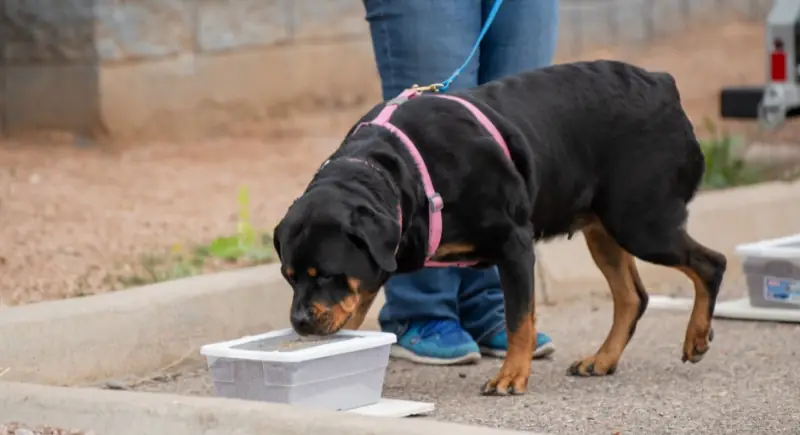
Structured scent activities have been proven to engage your dog’s brain without overstimulating them physically. Research suggests that breeds that participate in regular scent work display fewer signs of anxiety and increased focus in new environments.
Reactive Dog Training
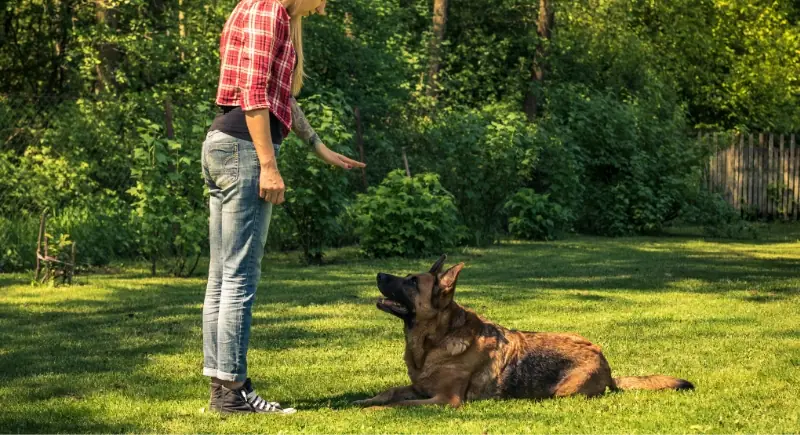
Many pups that are labeled “difficult” just haven’t had structured exposure to their triggers. Reactive dog classes don’t push contact; instead, they offer distance and gradual desensitization using positive reinforcement. These programs aid a man’s best friend in resetting their expectations, and owners learn how to communicate under stress.
Backyard Agility
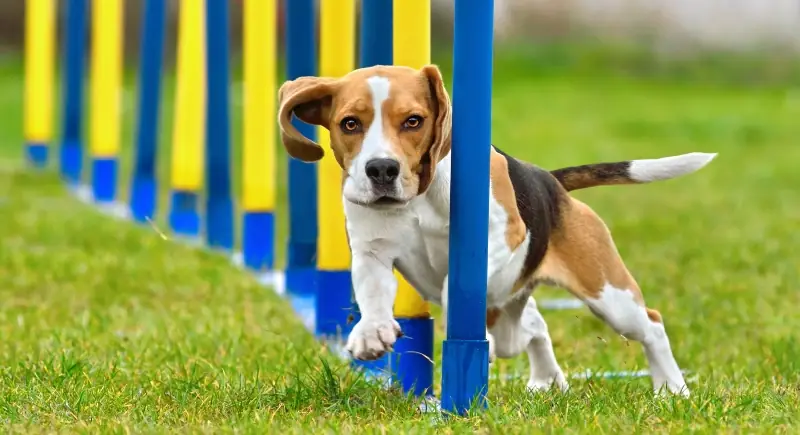
Turning your outdoor space into an agility zone starts with simple materials: a broomstick balanced on bricks becomes a jump, cardboard boxes taped together form a basic tunnel, and garden stakes or cones can create a weaving path. Space the obstacles out enough to avoid collisions, and guide your dog slowly through each one.
Mountain Stream Hiking
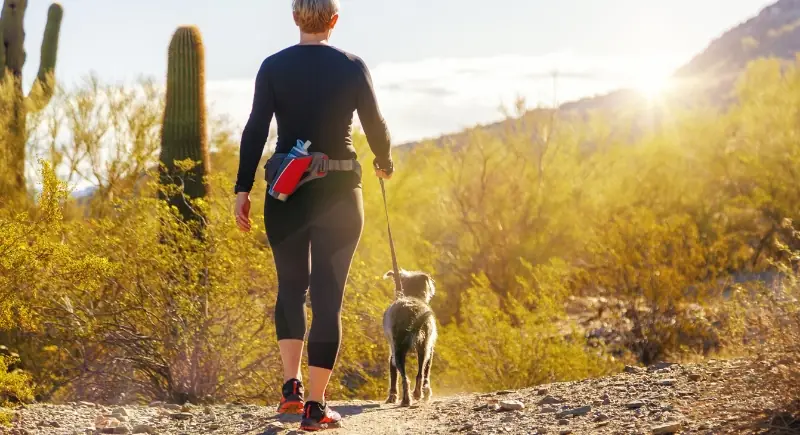
Dogs overheat easily on long hikes, especially when elevation gain sneaks up on you. Trails with water crossings regulate their body temperature while giving them sensory variety. Blaine Basin in Colorado has creek access, shaded meadows, and soft footing for paws.
Homemade Treat Baking

Baking treats at home gives you control over ingredients and cuts out preservatives, fillers, and added sugars common in store-bought options. By using simple items like oat flour, eggs, and unsweetened pumpkin, you can make snacks in under 30 minutes. Dogs often enjoy the process, watching, sniffing, and sampling along the way.
Biking With Stops
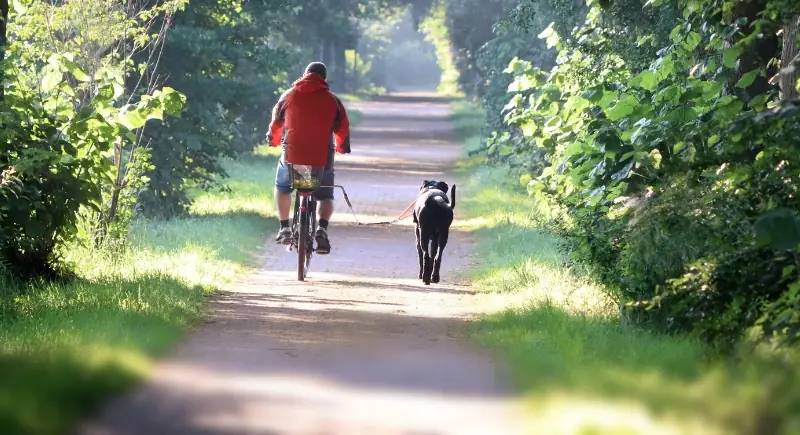
Long-distance rides on bicycles are easier on our four-legged friends when there are built-in places to stop and unwind. Oregon’s Willamette Valley Scenic Bikeway includes plenty of dog-friendly vineyards, quiet farm roads, and shaded public rest areas. Leashed dogs can get out, stretch, and rehydrate with no disruption.
Scenic Driving
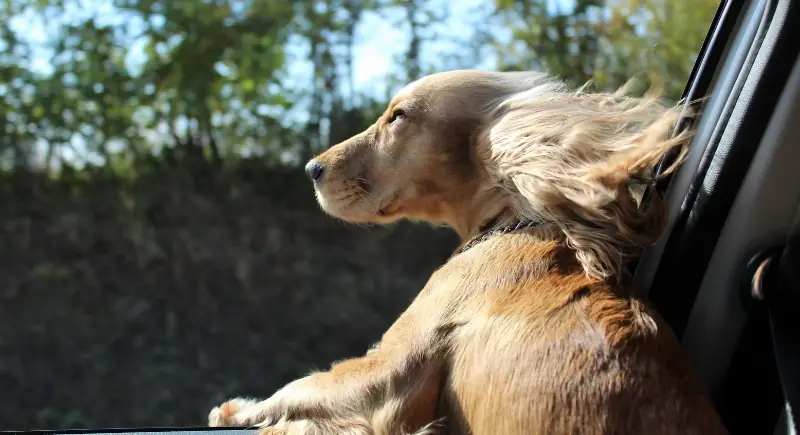
Riding in a secure harness lets your pup experience new smells and sights at their own pace. Some trainers say frequent, low-key road trips can help dogs feel more comfortable in new environments. While not a substitute for training, these outings offer a simple way to add variety and stimulation to your dog’s week.
Playdates
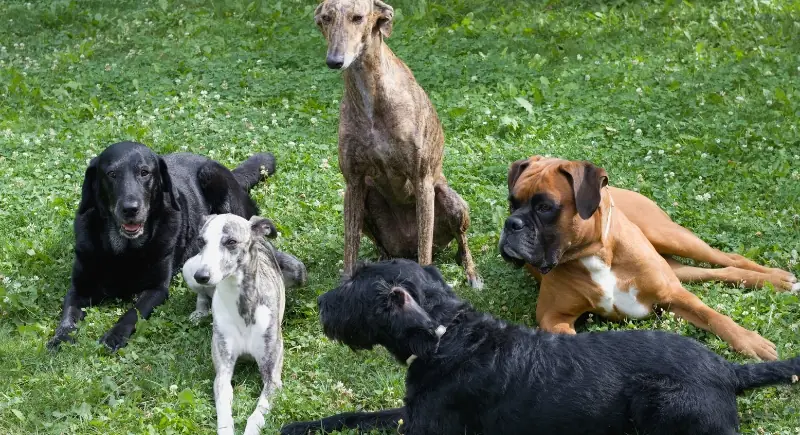
Irregular dog park time can create bad habits, including boundary pushing and resource guarding. One-on-one playdates give dogs a chance to read social cues without feeling overwhelmed. Meeting up in neutral spaces can reinforce healthy interaction, especially when dogs have similar energy levels.
Grooming Through Play
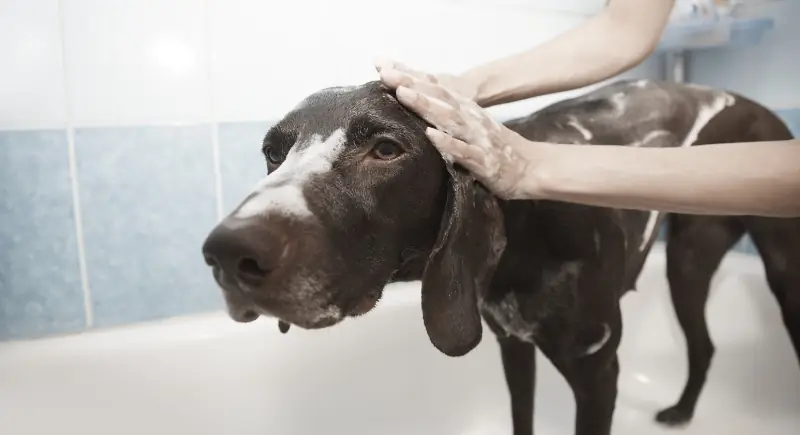
Owners often see their puppy tense up the moment they turn on the water or take out a brush. But making grooming a calm, predictable routine lets dogs stay at ease. A study showed that reward-based handling lowered stress and physical resistance. Keep sessions short, end on a positive note, and work up to harder tasks gradually.
Rotating Walk Locations
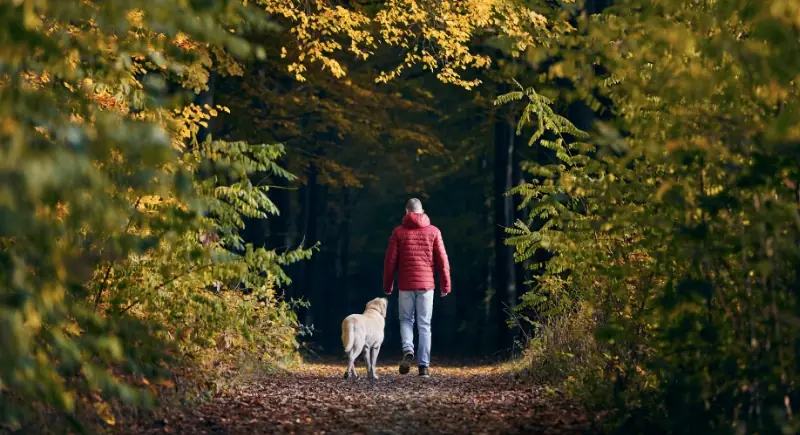
By rotating your walk routes, especially to lesser-known parks or trails, you’ll notice greater focus from your best friend. New surroundings activate their scent-tracking instincts and force them to think rather than follow muscle memory. Even a 20-minute walk through a new greenbelt or alleyway can leave them mentally satisfied.
Stand-Up Paddleboarding
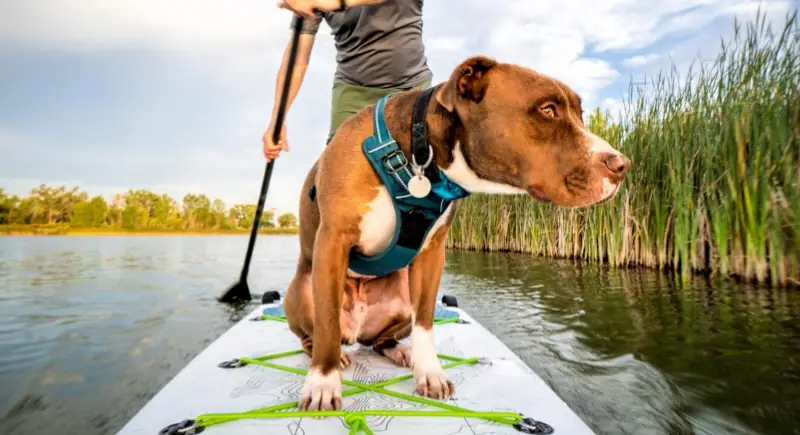
A paddleboard turns a lake into a shared balance test. Start on shore, let your dog step on, sniff, sit, and bail out before water enters the plan. A snug canine life jacket matters here, along with calm water. Once the board drifts, even ten minutes can feel like a trip.
Dog-Friendly Glamping
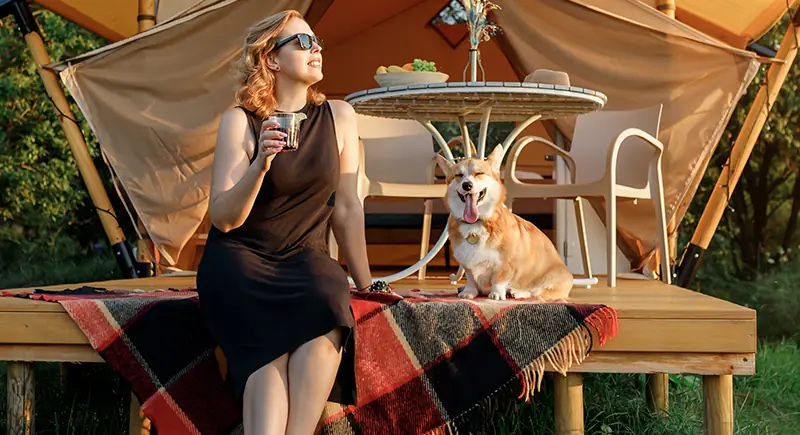
Glamping suits the dog that loves camp smells but hates a cold tent floor. Pick a cabin, yurt, or safari tent with clear pet rules, then pack the bed that smells like home. After dinner, the best part is simple: a leash walk, porch lights, and paws stretched beside the door.





