
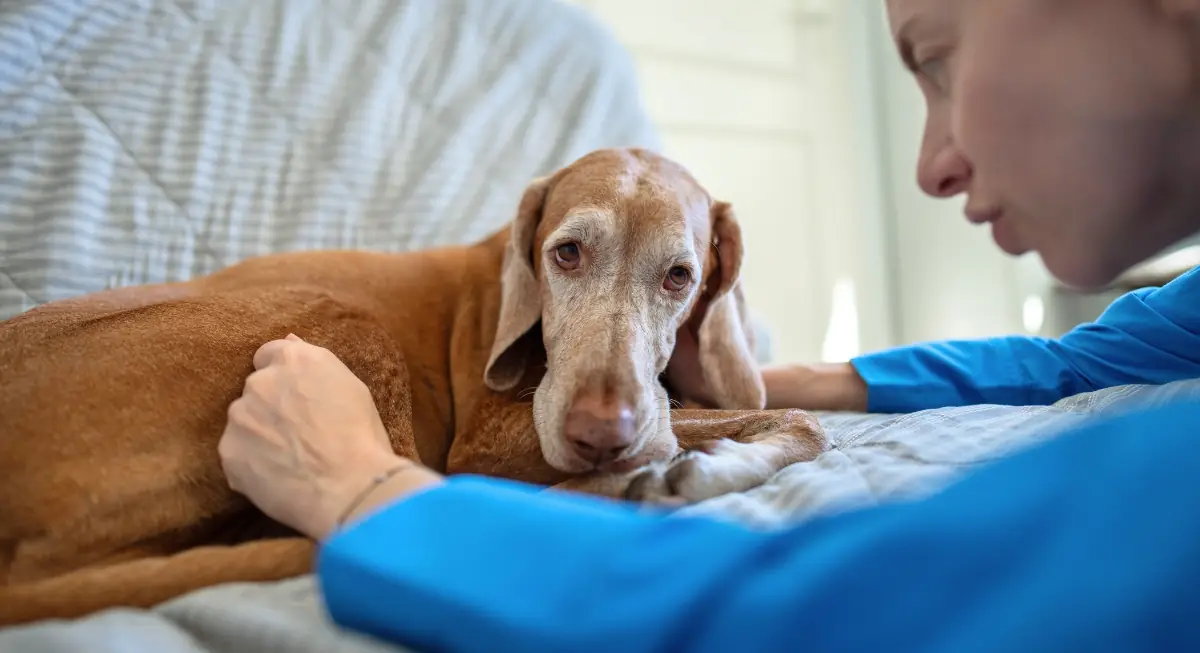
Watching your dog change in ways you don’t understand can be overwhelming. Some signs of decline come on slowly, while there are some that show up fast. What matters most is noticing patterns, staying calm, and asking the right questions.
While no list can replace a vet’s evaluation, it helps to understand what may be happening. Knowing what to look for can make a difficult time slightly less uncertain and help you support the animal.
Breathing Patterns Change Noticeably
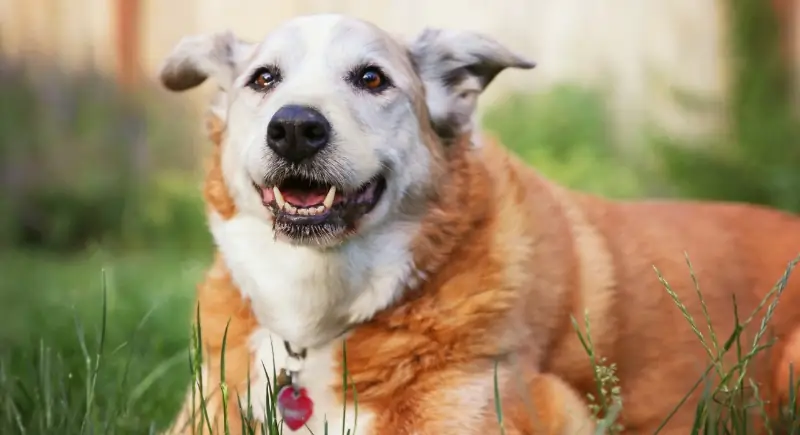
When a dog breathes harder at rest, it could point to serious internal issues. Labored breathing may be related to heart disease, lung tumors, or fluid in the chest cavity. According to research, respiratory distress is one of the most common emergency complaints in senior canines.
Social Behavior is Inconsistent

If your pup no longer greets you at the door the way they used to or spends long stretches in odd corners, take note. A change in social habits reflects declining health or cognitive changes. Dogs who withdraw could be overwhelmed, confused, or conserving energy. For those becoming clingier, it may signal anxiety or pain.
Seizures or Tremors Occur
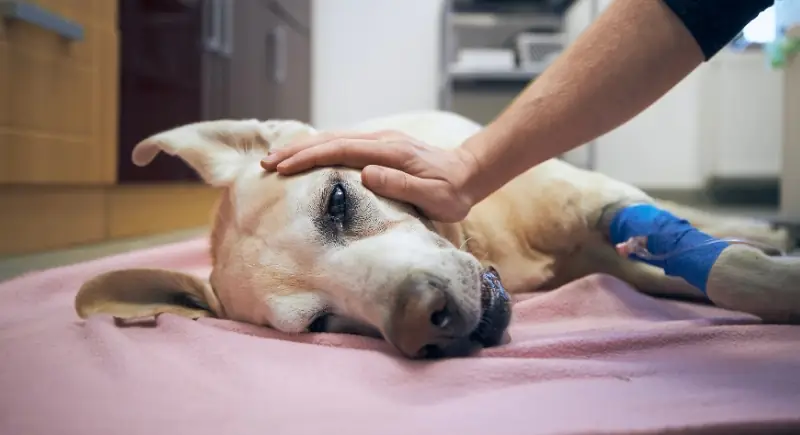
Sudden shaking or full-body seizures near the end of life usually point to brain involvement or metabolic breakdown. They can result from liver failure, low blood sugar, or toxins building up in the bloodstream. Keep your four-legged companion away from stairs or sharp corners in case they’re prone to seizures.
Cognitive Signs Like Confusion Appear
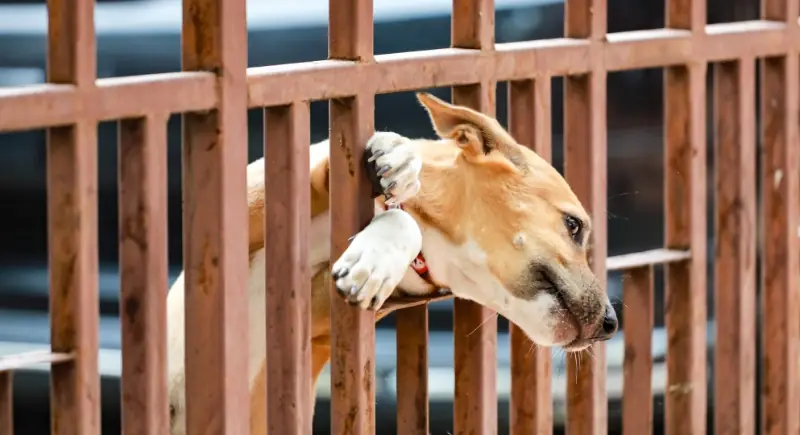
Staring at walls, getting stuck in corners, or hesitating at familiar thresholds tend to point to cognitive decline in aging dogs. This behavior goes beyond simple forgetfulness. Veterinary neurologists link it to canine cognitive dysfunction, which affects roughly 14% of senior dogs. The good news is that some cases respond to diet adjustments or medication.
Food And Water Intake Declines
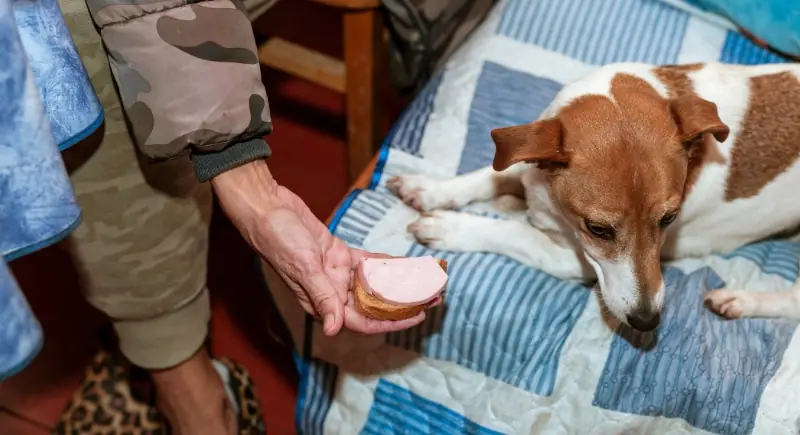
A temporary loss of appetite in your furry pal isn’t always alarming, but an ongoing refusal implies real concern. Talk to your vet about hydration support or appetite stimulants. For some dogs, hand feeding or using broth-soaked food can make meals a little easier during tough days.
Severe Digestive Issues

Ongoing decrease in food and water intake mostly results in digestive problems like vomiting or diarrhea. When dogs stop eating or drinking normally, their organs struggle to function, especially the liver, kidneys, or digestive tract. In the event that this behavior persists, don’t wait long to contact your vet.
Restlessness is Frequent

Tossing and turning at night usually means something’s bothering us—stress, discomfort, or physical pain. Dogs respond the same way. Their restlessness tends to show up more during quiet hours, especially since arthritis, abdominal pressure, or general unease can make it hard for them to settle down.
Accidents Happen Inside

Adding waterproof pads, washable bedding, and keeping cleanup supplies nearby can make daily life easier amidst your furry pal’s accidents. These adjustments help maintain hygiene and comfort, especially for dogs unable to move easily or alert you in time. Several pups benefit from gentle diapering to stay dry and reduce anxiety.
Weight Drops Quickly and Visibly
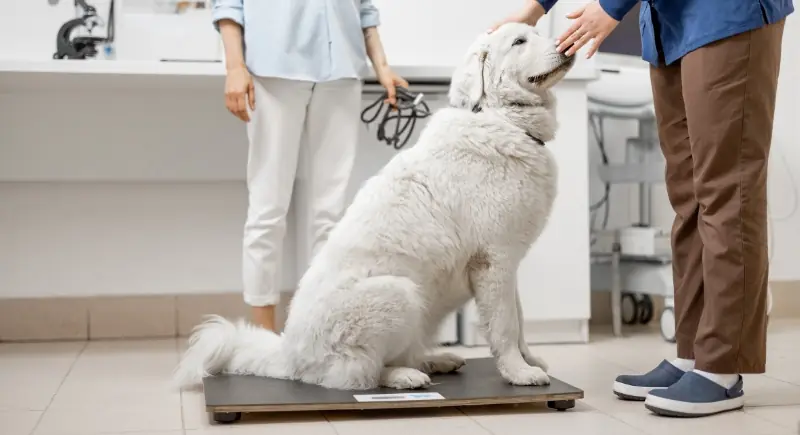
Research has identified unintended weight loss as one of the most reliable indicators of poor outcomes in senior dogs. It’s not always tied to how much they eat. In fact, your canine may consume food but still lose weight due to muscle wasting, cancer, or failing organs. Their bodies might stop absorbing nutrients properly.
Odor Changes Become Persistent

Have you noticed your dog smelling different even after a bath? That lingering odor is likely to be more than just dirt or wet fur. Dogs with kidney problems, skin infections, or internal issues develop persistent smells, especially around the mouth, ears, or feet. These smells point to waste building up inside the body.
Eyes Lose Clarity or Focus
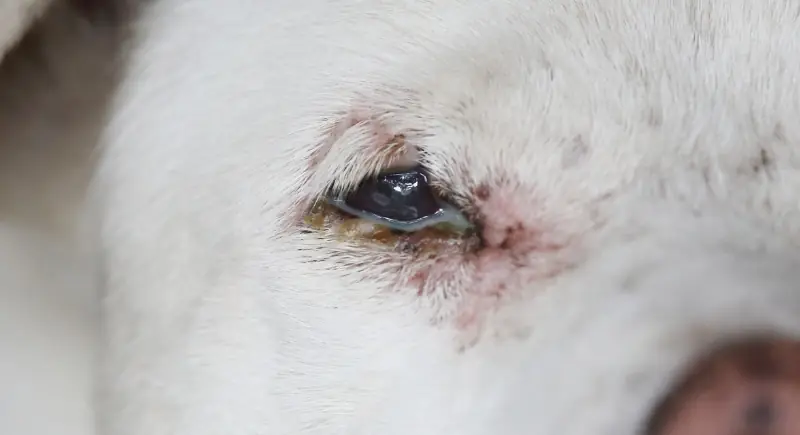
Cloudy or dull eyes mostly appear in dogs that are aging or experiencing serious decline. They may stop tracking your movements, miss-tossed treats, or seem startled in bright rooms. This is the time to begin watching how your dog moves through familiar spaces. If they bump into things or miss steps, it could be part of a broader health shift.
Sleep Increases
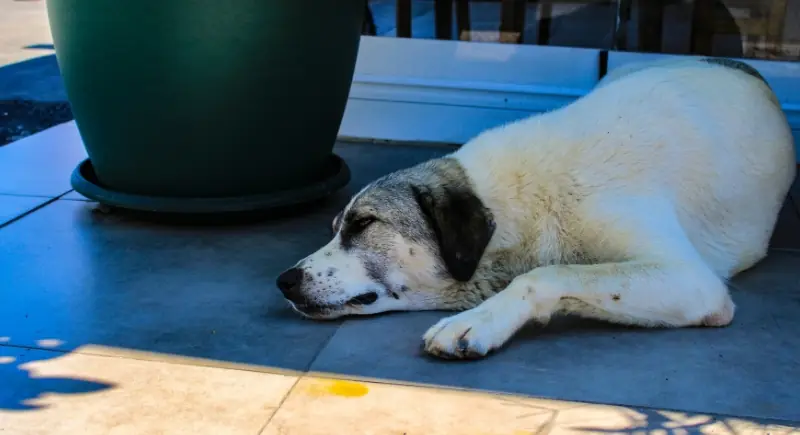
It’s normal for senior dogs to sleep more—some rest up to 20 hours a day. Their bodies need more recovery time as energy fades. But when sleep replaces interest in everything else, including familiar voices or daily routines, it becomes more concerning. Keep their area warm, calm, and make essentials like water and food easy to access.
Pain Signals Are More Apparent
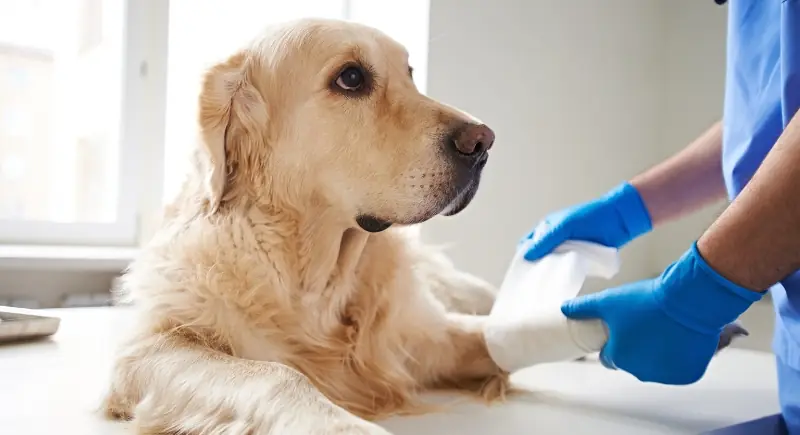
Canines who flinch when touched, shift constantly, or start growling unexpectedly might be dealing with unmanaged pain. Dogs don’t always cry out or limp; they hide discomfort until it gets severe. You might notice shallow breathing, lip licking, or subtle changes in their posture.
Circulation Weakens
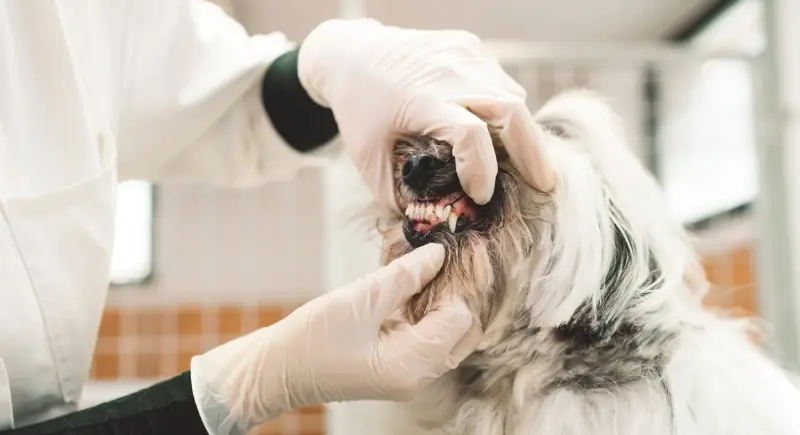
In the late stages of decline, dogs develop weak pulses and cool extremities. Press gently on your dog’s gums and see how long it takes for the pink color to return. It should be less than two seconds. If not, it may indicate poor perfusion. These signs mean the body is prioritizing blood flow to essential organs, often a last effort to maintain function.
Sudden Collapse or Fainting Episodes
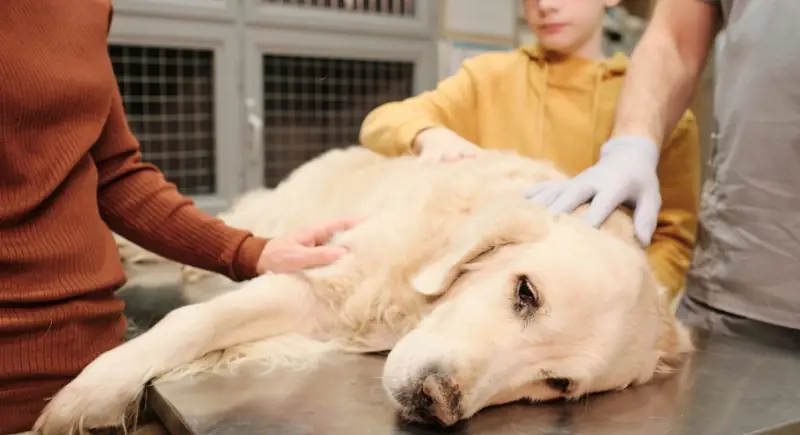
Keep your phone nearby and take note when your dog suddenly collapses or goes limp, even during routine activity. These episodes resemble fainting and can be followed by heavy breathing or confusion. Sudden collapse is linked to serious issues like internal bleeding or heart disease.
Seeking Out Cool Surfaces More Often
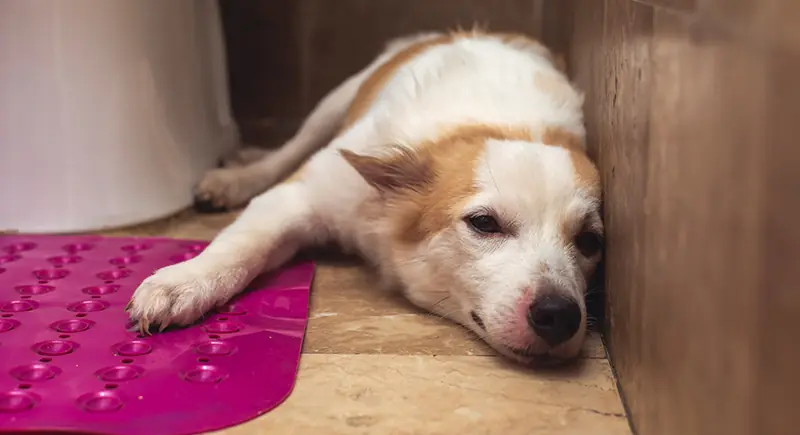
One day the couch loses its appeal. Your dog stretches out on the kitchen tile, the bathroom floor, or by the front door instead. A cool surface can bring relief, but pay attention if the change comes with panting, weakness, trouble breathing, or skipped meals. Those signs deserve a veterinary visit.
Becoming Startled by Familiar Sounds or Movements
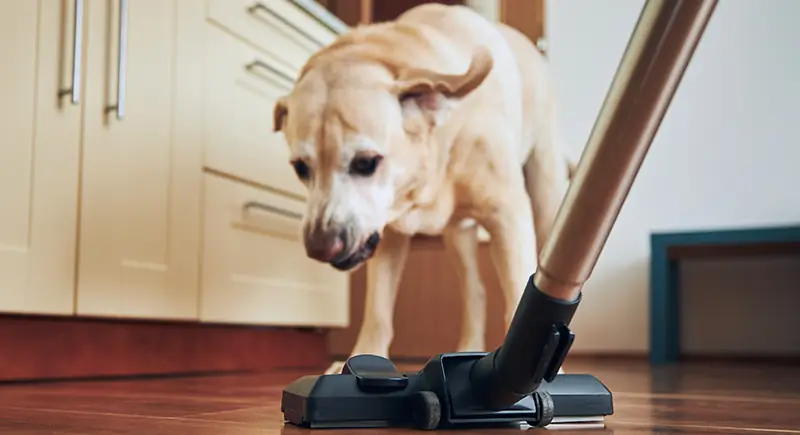
A hand reaches in for a gentle pat, and your dog jumps. The sound of a cabinet closing or footsteps in the hallway brings the same reaction. Hearing loss, vision changes, pain, or cognitive decline may be behind it. A sudden shift like this calls for a veterinary evaluation.





