
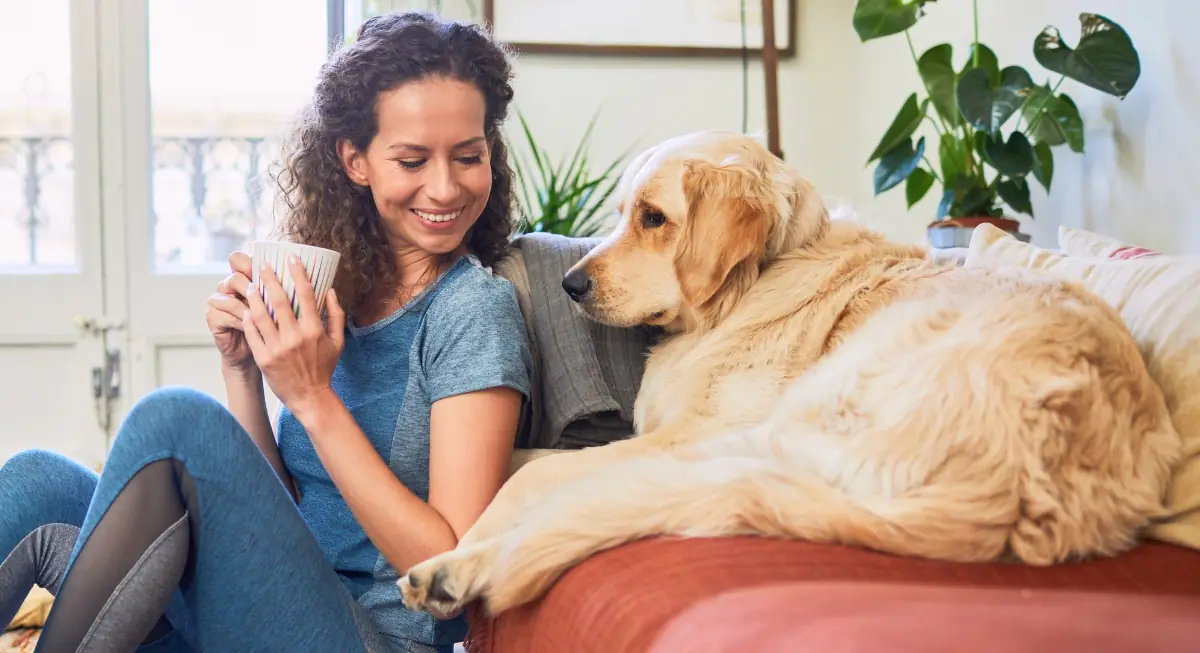
Apartment living has a reputation for being tough on dogs, but the reality is far more flexible than people assume. A surprising number of breeds handle smaller spaces well because of how they behave indoors and how much they rest between activities. Another factor is how they respond to shared environments, such as hallways and elevators. These dog breeds often spend more time sleeping than pacing, which makes square footage far less important than temperament and daily routine.
Greyhound
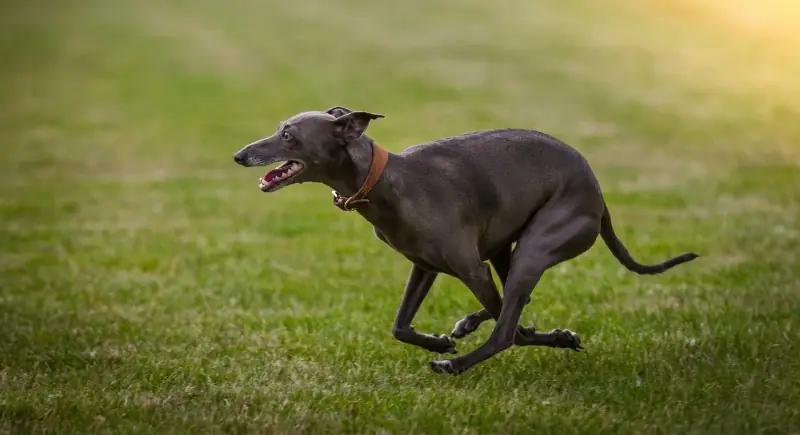
When indoors, a greyhound spends most of the day stretched out on a couch or dog bed after a proper walk. This breed is known for sprinting outdoors, yet indoors it burns very little energy and stays still for long stretches. Many owners report fewer indoor behavior issues.
French Bulldog
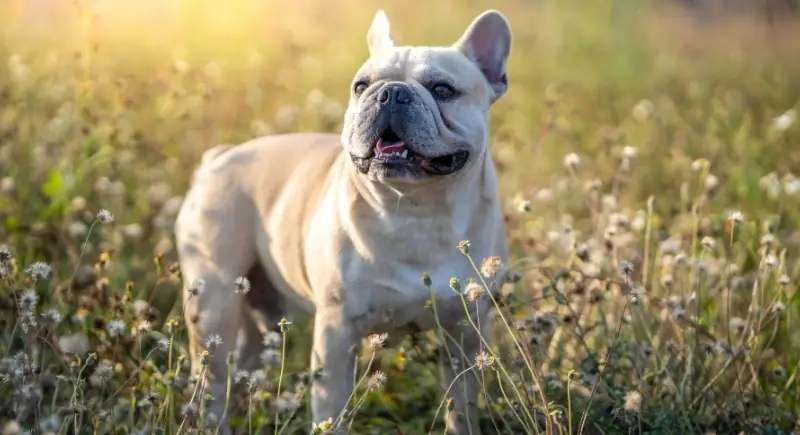
The French Bulldog structures its day around human schedules rather than physical space. This breed tends to ignore hallway noise and passing neighbors. Heat sensitivity and breathing issues matter more than apartment size, since short walks and climate control directly affect their comfort.
Cavalier King Charles Spaniel

Life with a Cavalier King Charles Spaniel in an apartment usually feels quiet and predictable. They mirror household energy, which means calm homes produce calm dogs. Reactivity to outside movement stays low.
Bichon Frise

A Bichon Frise stays alert to changes in mood and routine, so it adapts quickly to apartment life. These pups stay active mentally even when physical space is limited. Regular walks and interaction help prevent restlessness, as this breed thrives on engagement rather than roaming.
Pug

The pug handles apartment living best when airflow and temperature are well managed. This breed prefers comfortable surfaces and shaded spaces over wide rooms. Daily activity levels remain moderate, which reduces indoor chaos when conditions suit its breathing needs.
Shih Tzu

Shih Tzus treat an apartment as a perfectly acceptable home base since they already prefer spending most of their time indoors and rarely react strongly to shared building traffic. Consistent routines and access to people matter more than outdoor space.
Chihuahua

Apartment life tends to sharpen a Chihuahua’s awareness of sound and movement. They learn patterns quickly and can distinguish routine noise from actual disruptions with training. Size makes indoor navigation easy, while mental stimulation helps reduce excessive vocal behavior.
Whippet

Once its exercise needs are met, the whippet behaves like a professional napper. Since they spend most of their time indoors resting, they tend to claim the softest surface available. Occasional access to open space keeps them calm and predictable inside.
Great Dane

A Great Dane in an apartment changes how space is used rather than how it feels emotionally. Movement indoors remains slow and controlled. Furniture placement becomes a practical concern, but their energy levels indoors remain low.
Basenji

Basenjis vocalize far less than most dogs, which reduces neighbor issues. Their curiosity drives exploration, so boredom management matters. Mental stimulation helps keep indoor behavior steady, even when physical space remains limited.





