
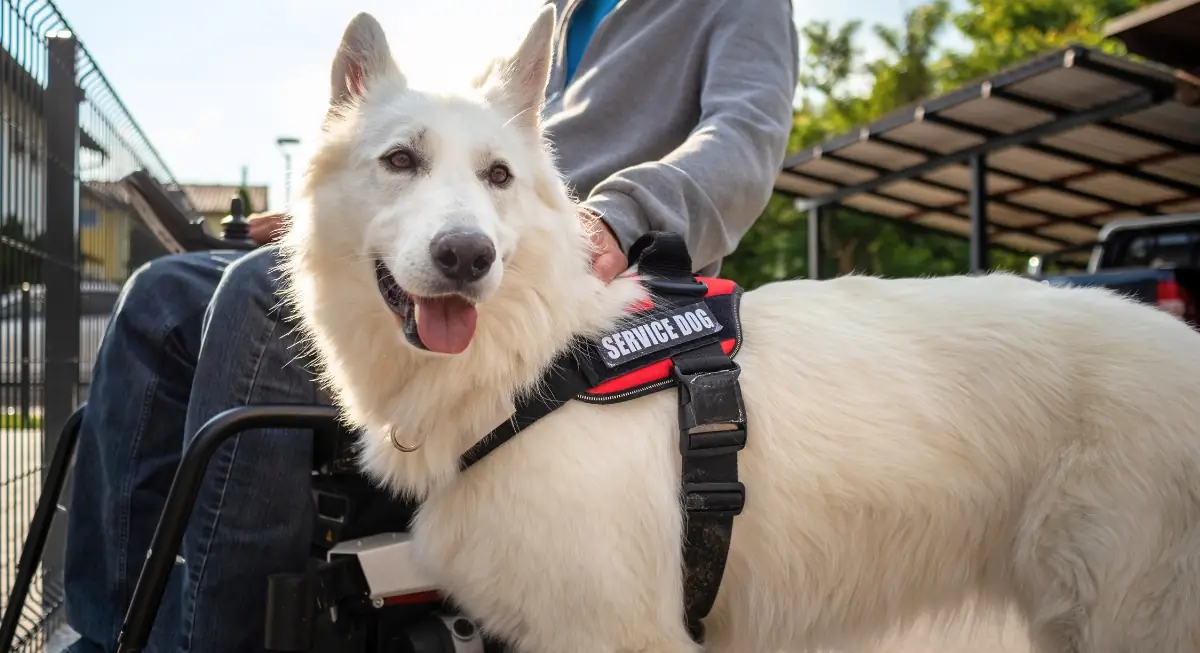
A good service dog, aside from helping with tasks, makes daily life feel smoother in ways that are hard to explain until you see it in action. The catch is finding a dog that fits your specific needs. Size, temperament, energy level, and trainability all matter. No breed guarantees success, but certain ones tend to make the process easier. Here are 10 worth considering:
Labrador Retriever
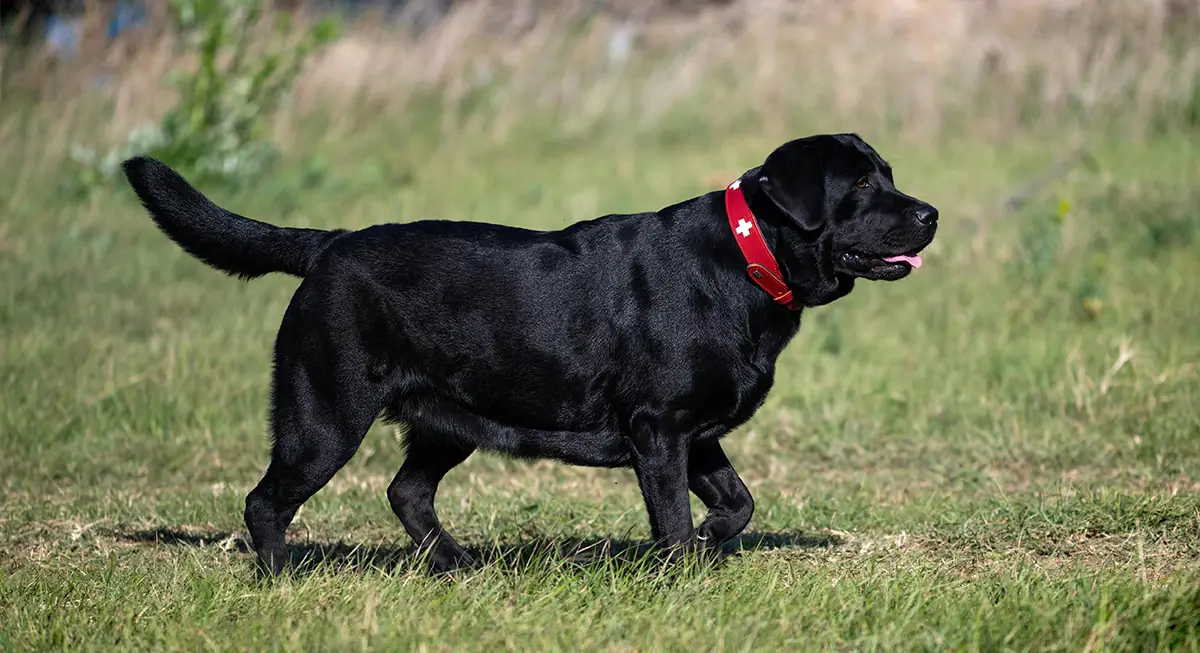
A lot of training programs focus on Labradors, and it’s easy to see why once you watch one work. They’re great at picking things up without damaging them, which comes in handy more often than you’d expect. Think keys, phones, even medication bottles. Their real strength shows after training, when they become more reliable and can perform those small tasks automatically.
Golden Retriever

Anyone who’s spent time in a busy store with a Golden Retriever at work would notice something right away. The dog stays focused, even when everything else is chaotic. Such steady behavior helps when moving through crowds or unfamiliar places. With proper training, they’ll learn to ignore distractions and stay locked in, making outings less stressful.
German Shepherd
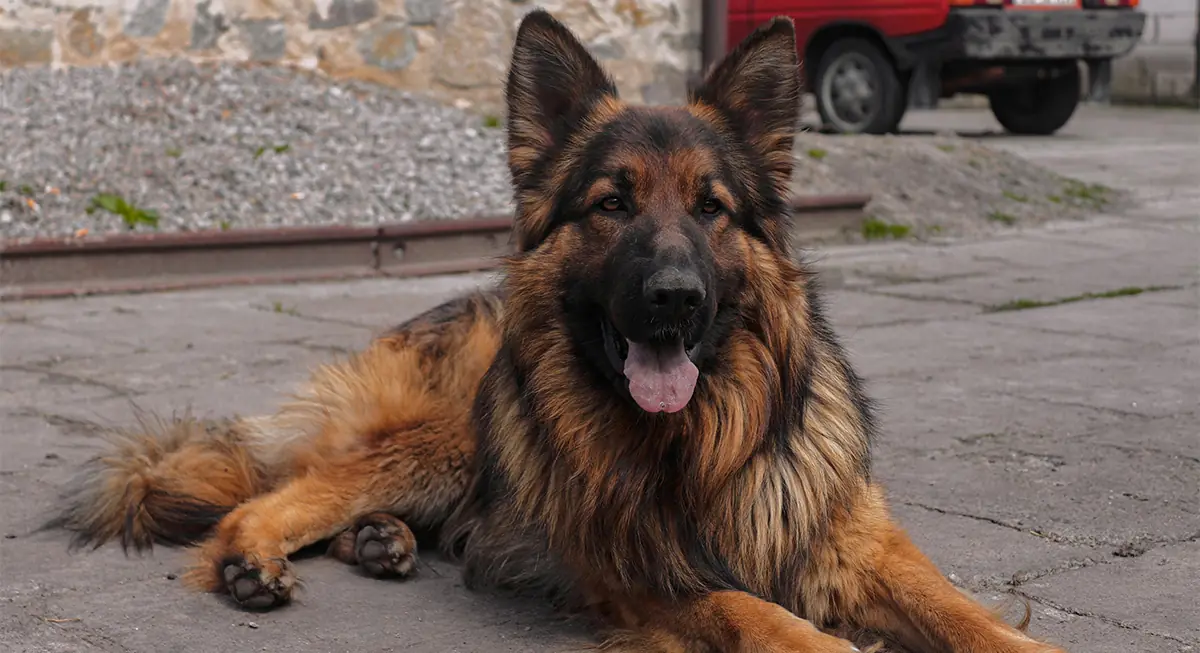
German Shepherds are often chosen for tasks that require structure and consistency. They learn multi-step routines quickly and tend to repeat them with accuracy once trained. Actions like opening doors or pressing accessibility buttons may seem simple, but they rely on that reliability. With the right training, this breed handles those responsibilities with steady precision.
Standard Poodle
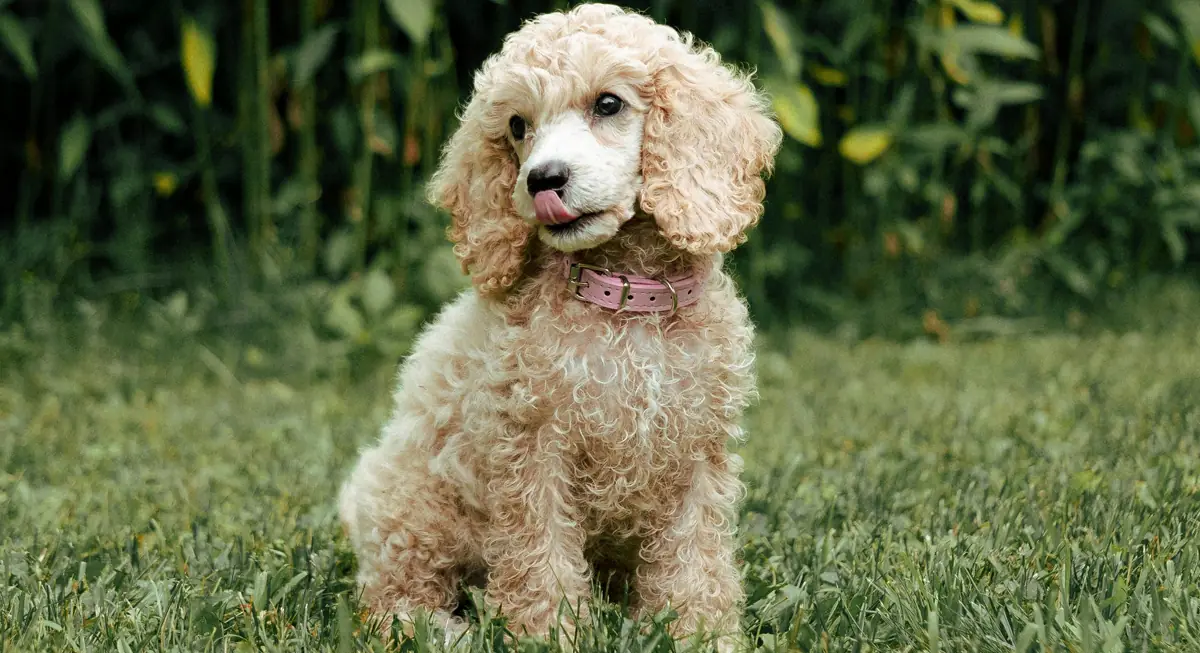
Allergies can make the idea of a service dog feel complicated. That’s where Standard Poodles come into the conversation. Their coat sheds less than most breeds, which can make indoor living more comfortable. It doesn’t solve everything, but it helps. Regular grooming becomes part of the routine, and for many people, that trade-off is manageable when it means having a working partner nearby.
Bernese Mountain Dog

There’s a noticeable difference when a dog is big enough to offer physical support. Bernese Mountain Dogs are sometimes trained to help with balance or assist during movement, especially when standing up takes extra effort. This kind of work needs careful training to keep things safe, but when it’s done right, their build becomes a real advantage.
Great Dane
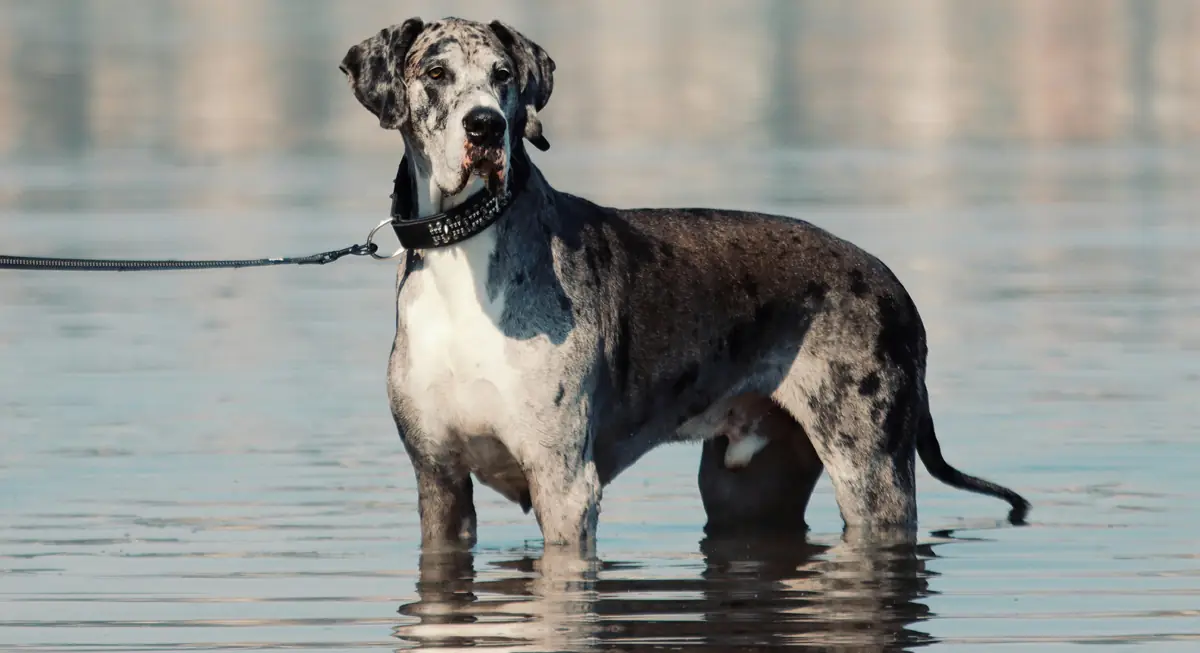
Height can make a real difference in day-to-day use. For taller individuals, working with a very small dog often means constant bending, which adds strain over time. Great Danes reduce that gap by offering support at a more comfortable level. That makes movement and interaction easier, though their size does come with health considerations that need attention.
Border Collie
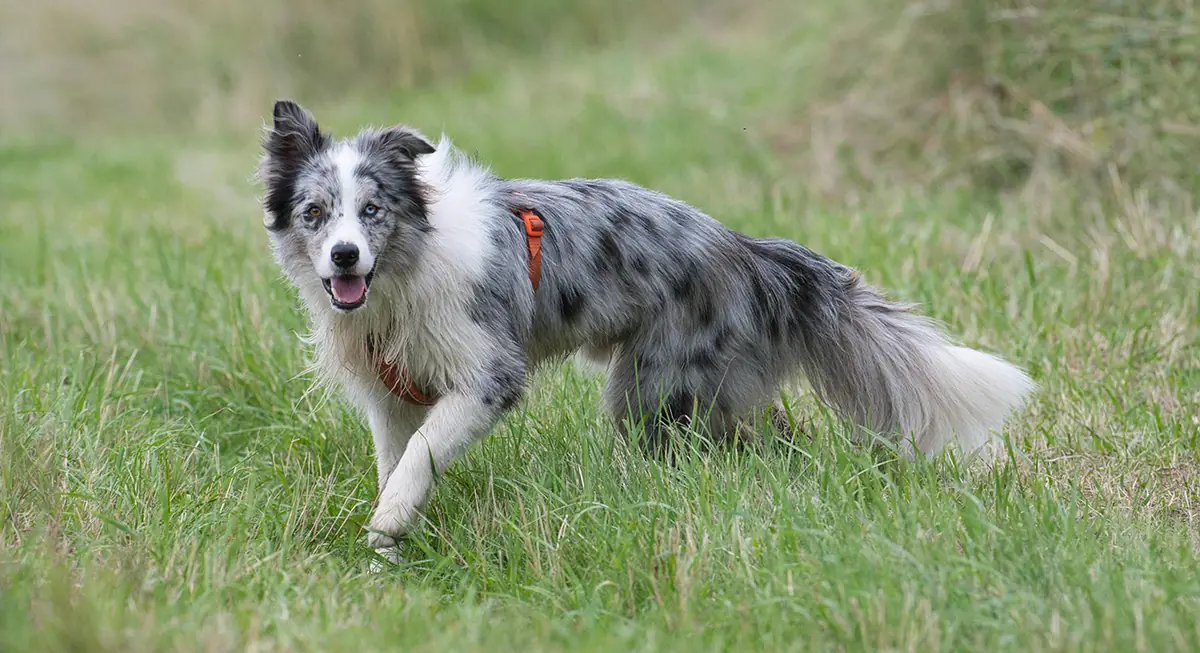
Some dogs handle one task at a time. Border Collies are comfortable juggling a sequence. From turning off lights and closing doors to responding to multiple cues in order, they always keep track without losing focus. That’s a useful talent to have in homes where routines involve several steps. Border Collies are high-energy dogs, so they do best in spaces where that energy has somewhere to go.
Boxer
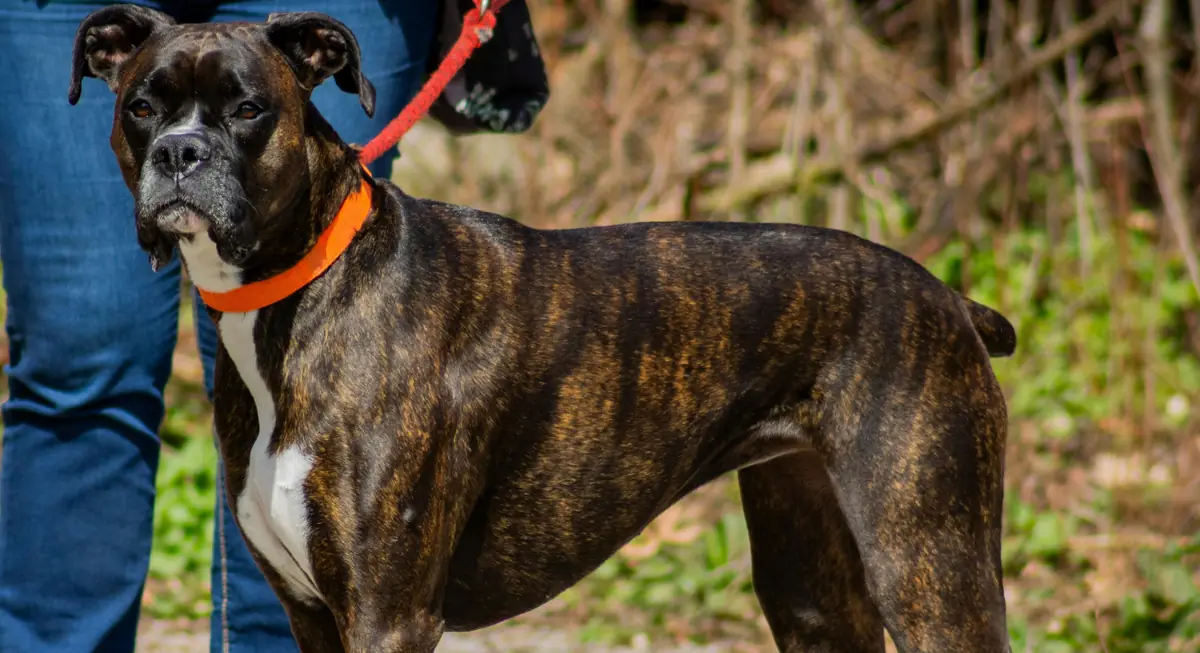
Boxers bring a different kind of value to the table. They’re known for building strong connections with their handler, which helps with day-to-day cooperation. That connection doesn’t replace training, but it does make working together feel more natural. Their size also falls in a comfortable middle range, big enough to assist but not so large as to overwhelm smaller living spaces.
Cavalier King Charles Spaniel
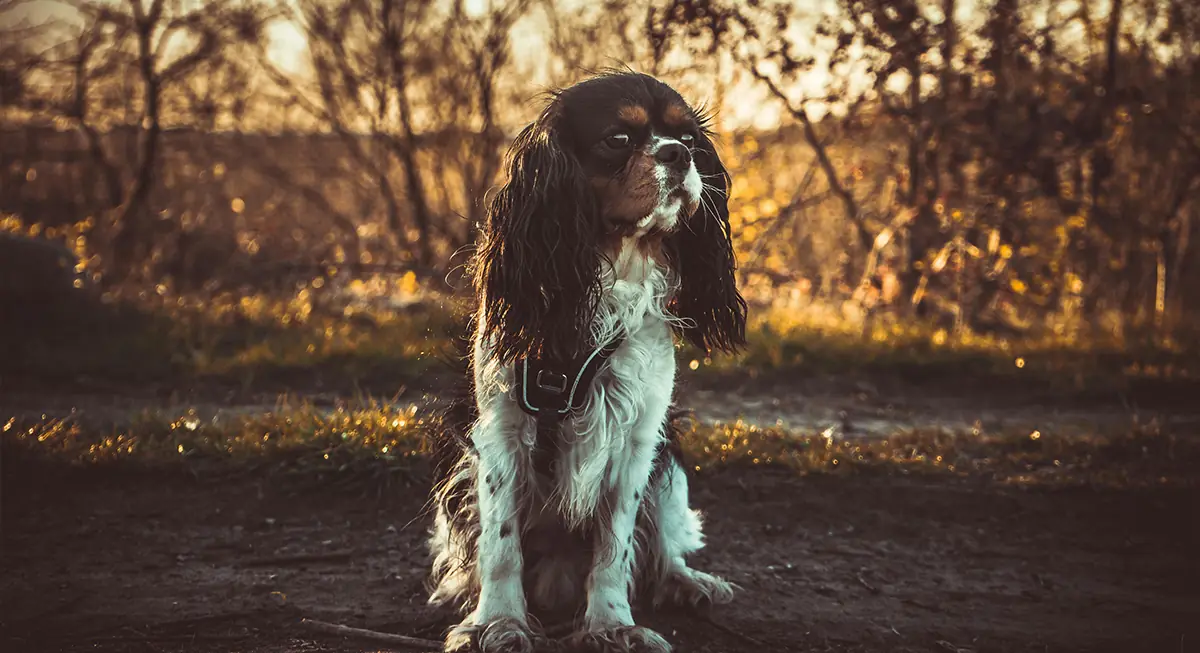
A smaller dog can still be a practical choice, depending on what you need. Cavalier King Charles Spaniels work well in tighter spaces and are easier to manage during travel or while moving indoors. They won’t be lifting or supporting weight, but they can handle lighter tasks and stay close without getting in the way.
Labrador Retriever Mix
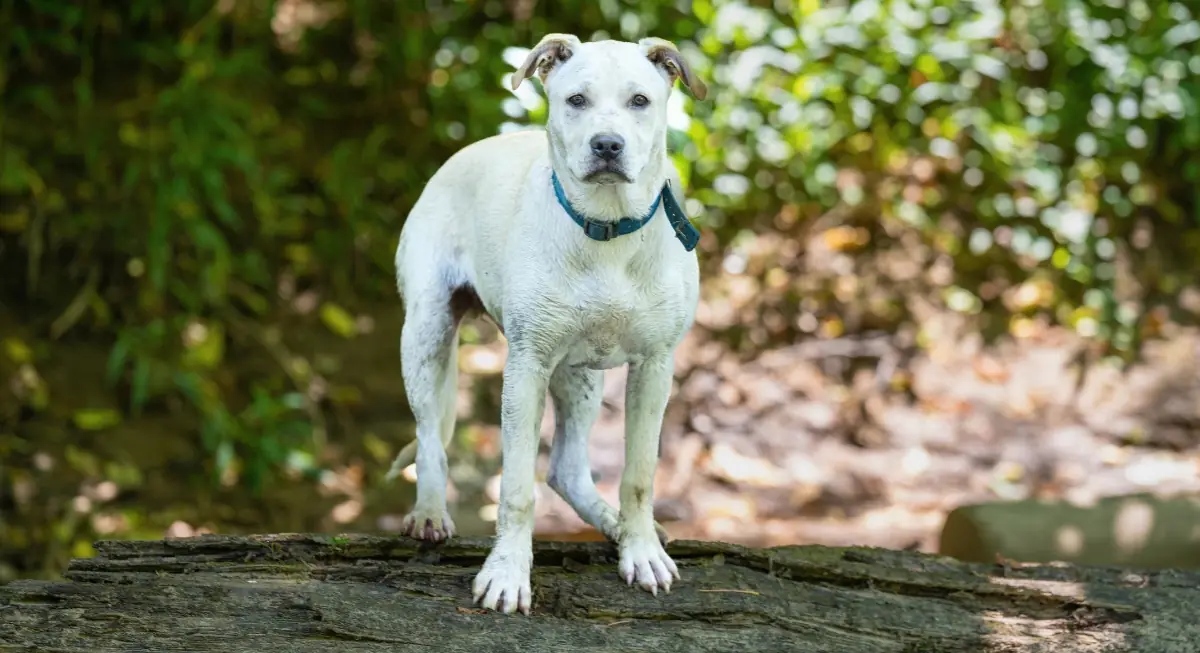
Many successful service dogs start in rescue programs, especially Labrador mixes. These dogs are usually selected based on temperament first, then trained for specific tasks. This should let you understand that while breed matters, it’s not everything. With the right training and evaluation, a mixed-breed dog can do the same job just as well.





