
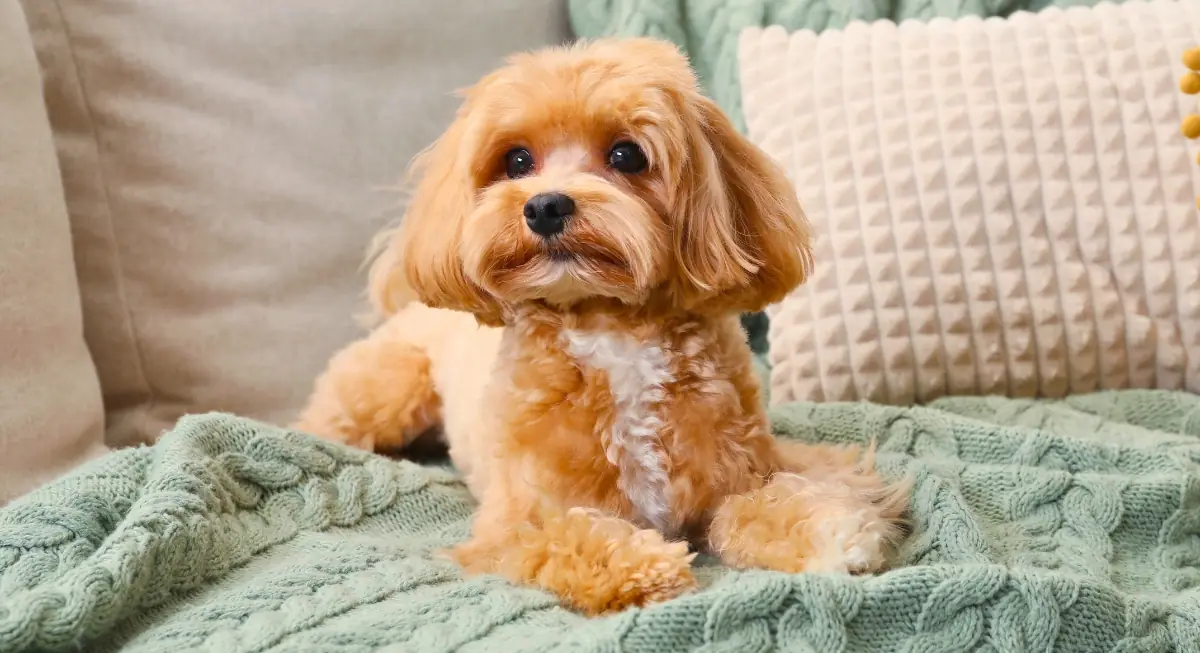
Not every dog dreams of wide-open fields or chasing tennis balls until sunset. Some breeds tend to function better at a slower pace because they were built to sit beside nobility or simply exist as friendly companions back in the day. They’re also not demanding and won’t need you to constantly entertain them.
Pug
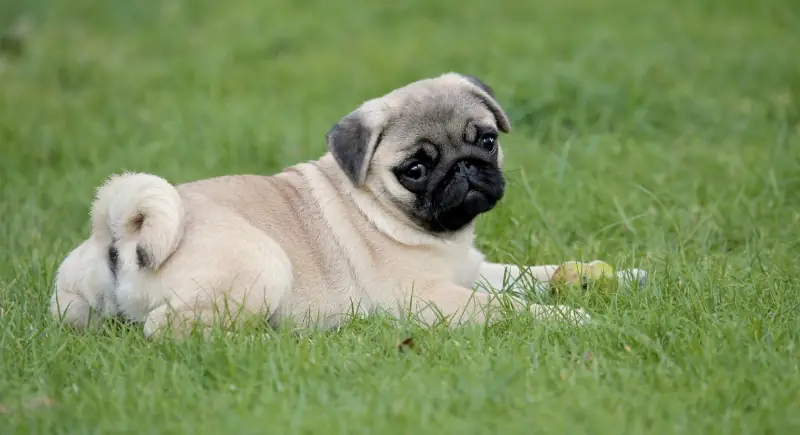
Bred as lapdogs for Chinese nobility, the Pug has never outgrown its love of comfort. Their compact body and flat faces make them sensitive to heat and overexertion. They need short and gentle walks and careful portion control to avoid weight gain. Despite their laid-back habits, they crave human contact and will follow you around the house.
Bulldog
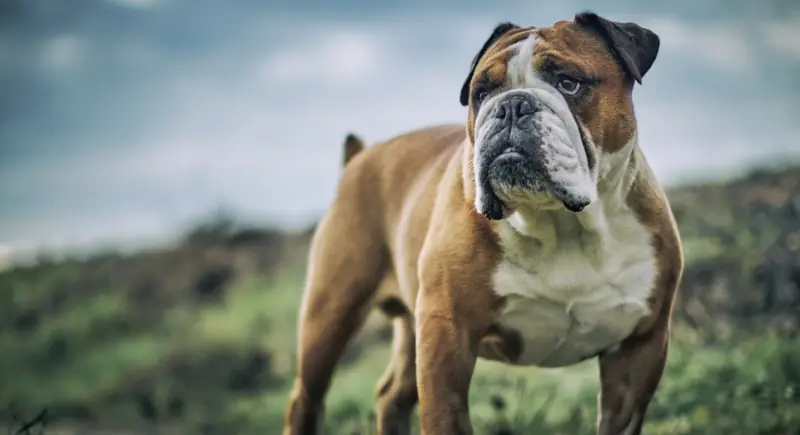
If you live with a Bulldog, you need to plan daily routines around comfort and airflow. Gentle pacing keeps their joints moving without stressing their breathing, and cool spaces prevent overheating. Keep in mind that gentle play is more effective than extended activity sessions. In addition, feed measured portions to prevent weight gain, since extra weight can strain their airways.
French Bulldog
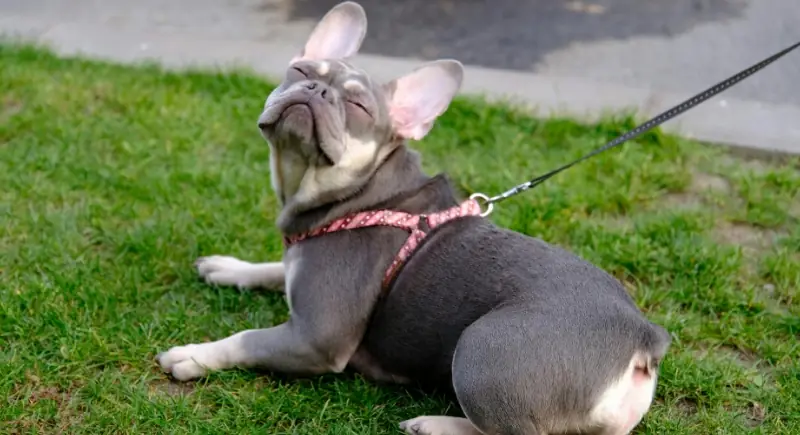
Veterinary studies show French Bulldogs are prone to respiratory issues due to their brachycephalic skull shape. That’s a big reason they do better with rest than activity. Even short walks in warm temperatures can overwhelm them. Most prefer to stay inside and nap near their humans.
Dachshund
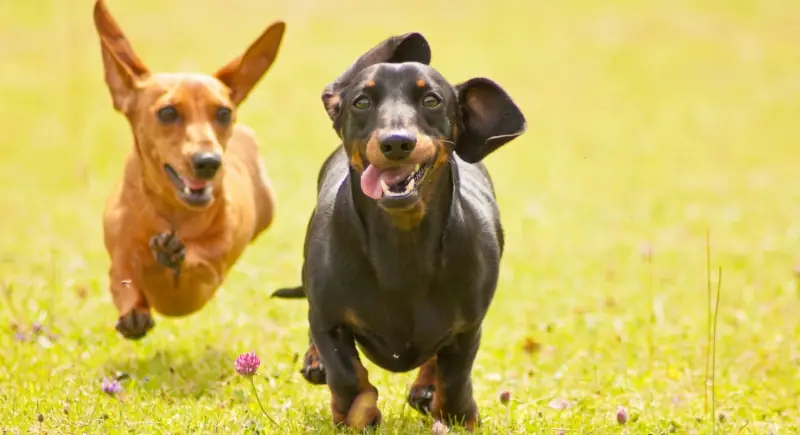
Although they were originally developed for hunting small animals, Dachshunds spend most of their time lounging. Their short legs and elongated spine limit their ability to run or jump safely. It’s important to avoid stairs and high-impact play. Instead, use gentle walks and puzzle toys to keep them mentally active.
Pekingese
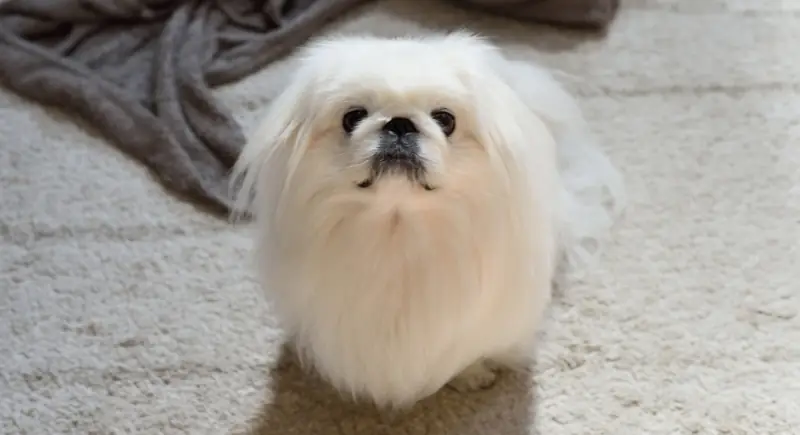
Too much noise, heat, or activity can quickly overwhelm the Pekingese. Their short muzzle makes breathing harder under stress, and chaotic environments can leave them anxious or withdrawn. This is why pushing them into active settings risks overheating and respiratory strain. Indoors, they remain observant and close to their favorite person.
Shih Tzus
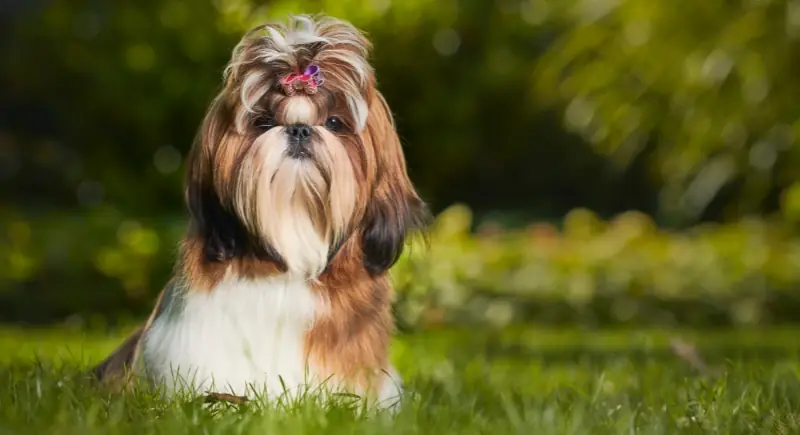
In ancient China, Shih Tzus lived alongside emperors, used purely for companionship within palace walls. That is probably why they have a calm and people-focused nature. They prefer low levels of activity, so short daily walks and brief indoor play are enough to keep them content.
Basset Hound
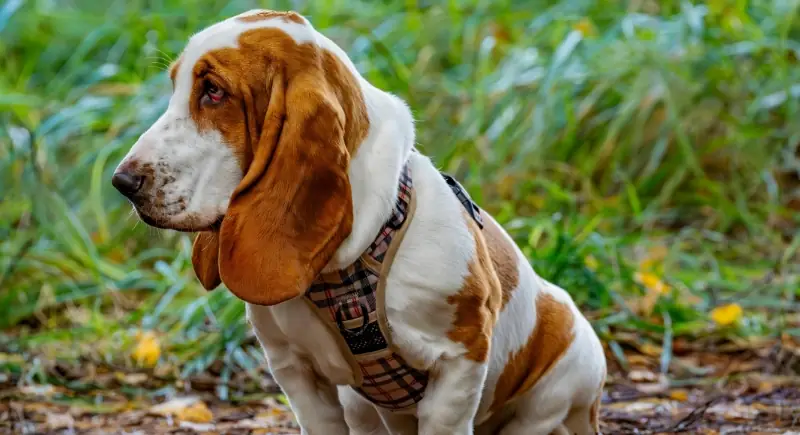
Basset Hounds stay low to the ground and move slowly. Their heavy bones and short legs make running uncomfortable. For this reason, they naturally love lounging on soft surfaces and can spend hours in one spot. It’s easy for them to gain weight, so maintaining a healthy diet matters.
Chow Chow
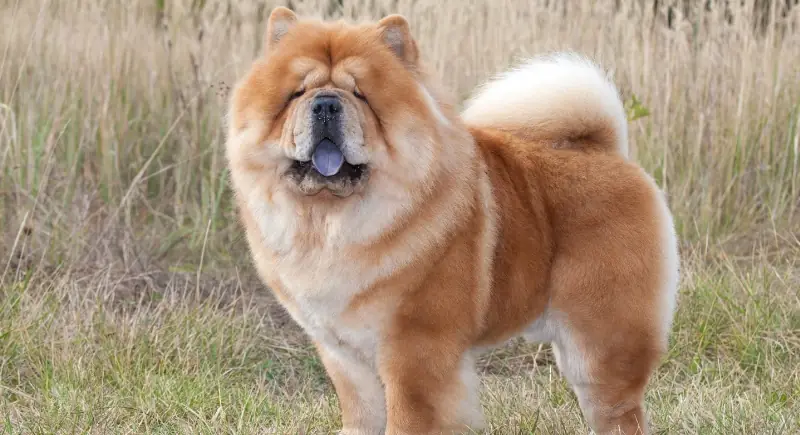
The Chow Chow’s lion-like mane and serious expression more or less reflect its personality. Originally used in China as a guard dog, it retains a strong sense of independence and prefers companionship over constant engagement. However, these dogs do need regular brushing to maintain their dense coat.
Shar Pei
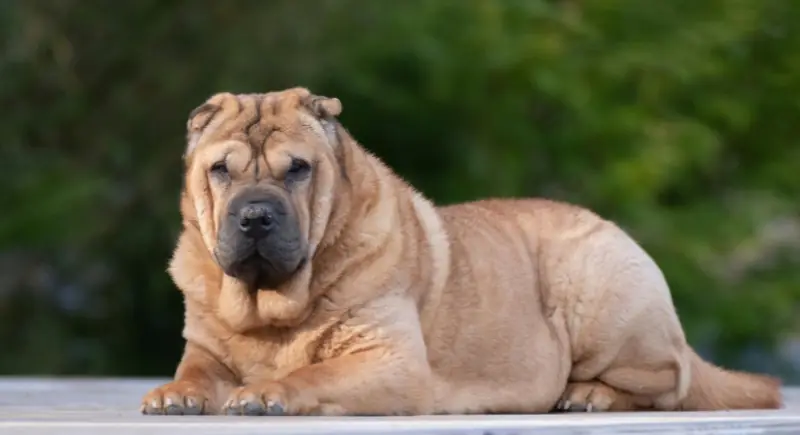
Most Shar Peis are naturally calm and inactive. They don’t need much stimulation, and too much excitement can overwhelm them. Their distinctive wrinkles, while iconic, require regular cleaning to avoid infections. Because of their strong protective instincts, early socialization matters. Once settled into a home, they remain loyal and low-energy companions.
Maltese
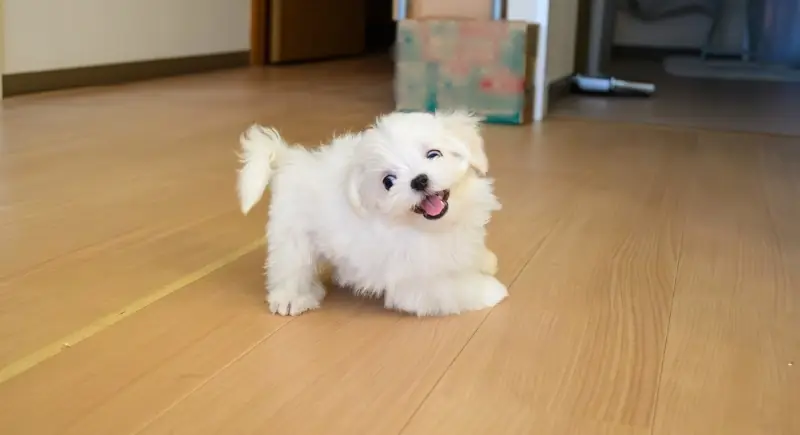
The Maltese was once prized in ancient Mediterranean societies for its beauty and gentle nature. Today, it continues to thrive in indoor environments with little need for exercise. Their small size makes them vulnerable to rough play, so they benefit more from indoor games and brief strolls. When taken out of their comfort zone, these dogs can become nervous or snappy.





