
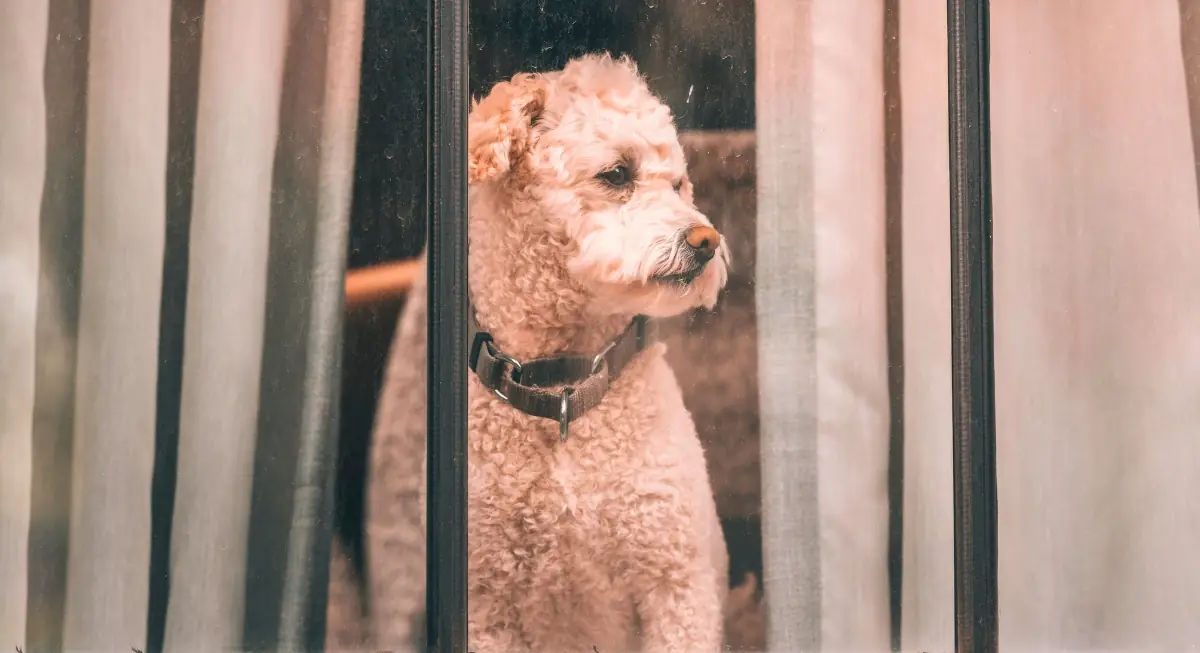
Coming home to chewed-up shoes or dramatic howls isn’t always a sign of bad behavior—it might mean your dog really misses you. Some breeds are born snugglers who crave constant company and don’t cope well when left alone. This article digs into the most emotionally attached pups whose loyalty runs so deep that solo time feels like heartbreak.
Labrador Retriever
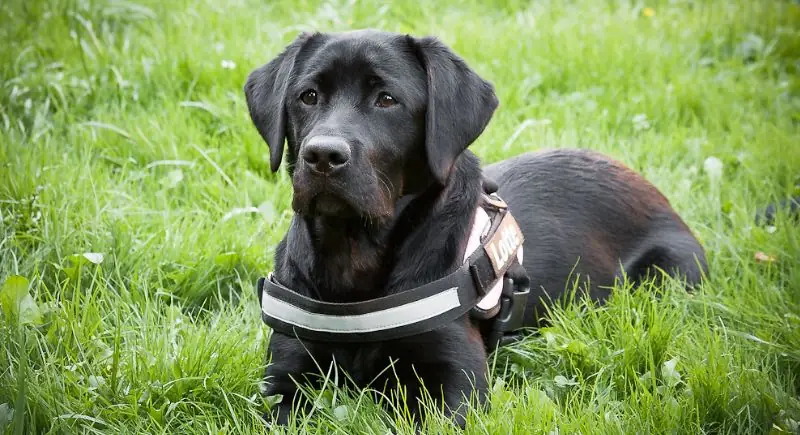
Given that Labradors were bred to retrieve game alongside humans, solitude isn’t something that comes naturally to them. They’re wired to stay engaged, whether through physical work or social interaction. Without enough of either, they’re prone to destructive behaviors like chewing or digging—often just to fill the silence. Their reputation as America’s favorite dog stems from their sociability, and that trait requires regular human contact, not just toys and background noise.
German Shepherd
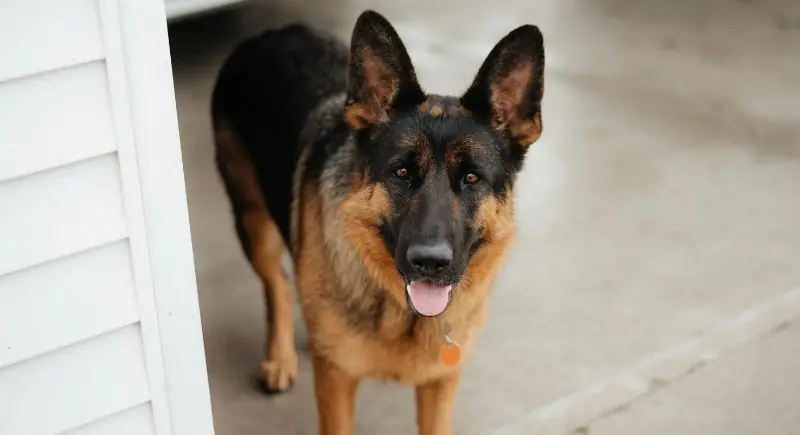
German Shepherds form deep, focused attachments to their owners. They were originally developed for herding and protection, so they always anticipate commands and read human behavior. If left alone too often, their mental gears keep turning—with nowhere to direct that energy. That’s when you see pacing, barking, or furniture damage.
Golden Retriever

Golden Retrievers are known for their patience and eagerness to please. They’ve long been used as therapy dogs because they respond so well to human emotion. They’re not naturally anxious, but extended solitude can wear on them. Given their temperament, they thrive in homes where someone is consistently present—whether it’s kids, adults, or even other pets.
Toy Poodle

Despite their delicate size, Toy Poodles are high-functioning thinkers. They adapt quickly to patterns in the home, and when those routines shift—especially if you’re suddenly absent—they take note. They’re not overly dramatic about it, but their energy dips. Some will shadow the door or skip meals.
Border Collie
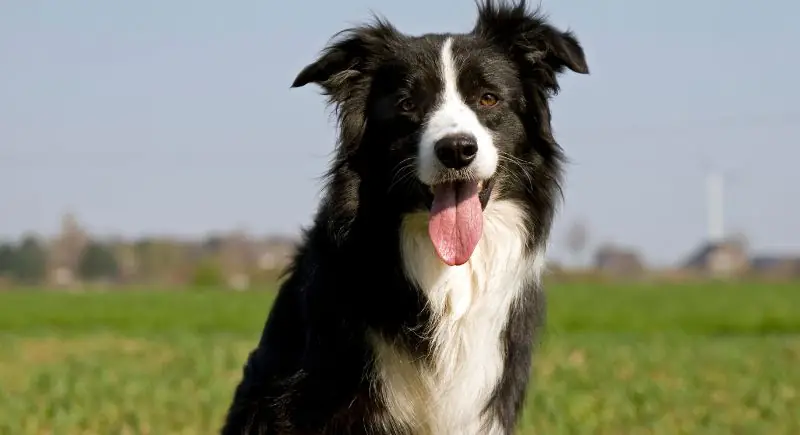
Originally bred to herd livestock without constant instruction, Border Collies now apply that same intensity to everyday household life. Owners need to keep up, or their behavior can deteriorate quickly—barking, escape attempts, or obsessive pacing. It’s simply too much brainpower with nowhere to go.
Cavalier King Charles Spaniel

These dogs were bred to be near people, and that shows in their behavior. Cavaliers adapt well to indoor living, but that doesn’t mean they enjoy being left behind. If you work long hours or travel often, you may come home to a dog that’s listless or overly clingy.
Bichon Frise
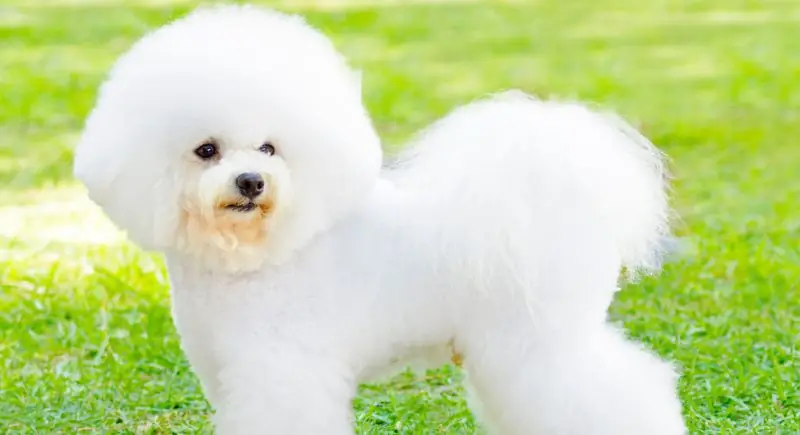
The Bichon Frise was historically a companion dog for sailors and royalty alike, which explains their strong attachment to people. They handle short separations well, but extended absences tend to trigger attention-seeking behaviors—often barking or tearing at soft objects.
Vizsla

Hungarian in origin, Vizslas were bred to hunt closely with their handlers, never straying too far from sight. That instinct still exists in modern Vizslas, which is why they often follow family members from room to room. When left alone, they don’t typically lash out—but they do withdraw.
Papillon

Papillons are alert, agile, and far more energetic than their size suggests. They’re named for their wing-like ears and were once popular among European nobility as companion dogs. Even today, they still prefer being around their humans. Long separation can affect their behavior over time. You might notice them becoming more vocal or less interested in play.
Shih Tzu

Shih Tzus were bred to sit by the side of Chinese emperors, not to roam or work, so it’s no surprise they struggle with long stretches of solitude. They tend to be passive when stressed, often retreating into corners or refusing to engage. Many owners miss the signs until the dog becomes overly attached, even anxious when simply left in another room.
Cocker Spaniel

Cocker Spaniels are emotionally perceptive and easily affected by their environment. They pick up on moods and shifts in routine quickly, which can be both a strength and a challenge. Separation anxiety is common and often shows through whining, loss of appetite, or excessive licking.
Jack Russell Terrier

This breed is driven by instinct and mental stimulation. They were originally bred to chase foxes from dens and still retain that constant need for activity. When left alone, their brains simply redirect that need. That’s when you’ll find shredded couch cushions or scratched-up doors.
Italian Greyhound
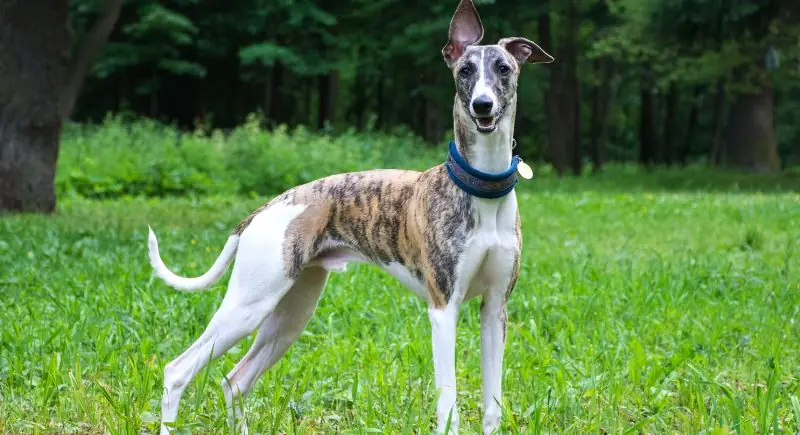
These dogs have a long history as companion animals in Italy’s noble households, and they still lean heavily on human presence. They’re not overly vocal or destructive, but emotionally, they’re fragile. Long periods alone can result in shaking, hiding, or clinginess when you return. They need a gentle, consistent presence—someone nearby, even if not actively engaged.
American Pit Bull Terrier

Despite the stereotypes, Pit Bulls are highly people-oriented and emotionally responsive. Many were originally bred for both work and companionship, which is why they often seek out human touch and eye contact. When separated from their owners too often, some become moody; others lose interest in play.
French Bulldog

French Bulldogs prefer being near people more than just about anything else. They aren’t high-energy, but they are deeply attached to their routines and their humans. In the face of isolation, they’re not exactly barkers, but they communicate their discomfort in other ways—usually sulking, hiding, or refusing to eat.
Havanese
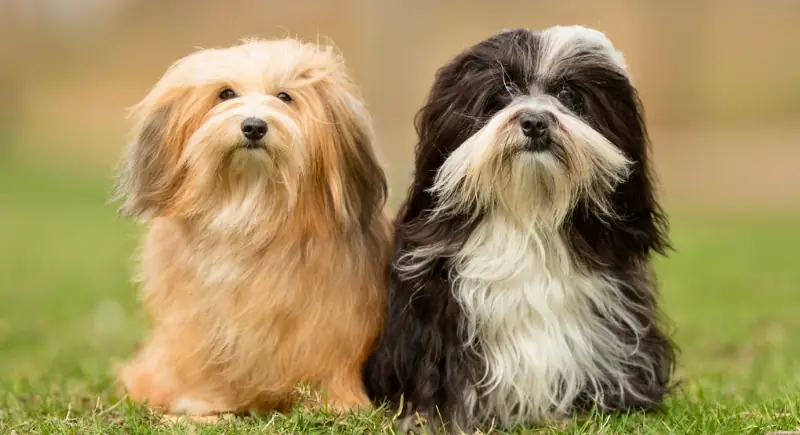
Havanese dogs are velcro canines with fur. Bred as companion dogs for Cuban aristocracy, they’re used to constant attention and cushy laps. When left alone, they spiral fast, whining, scratching at doors, or chewing like they’re staging a protest. These fluffballs panic when they miss you. A lonely Havanese is simply a tiny soap opera waiting to unfold on your living room rug.
Chihuahua
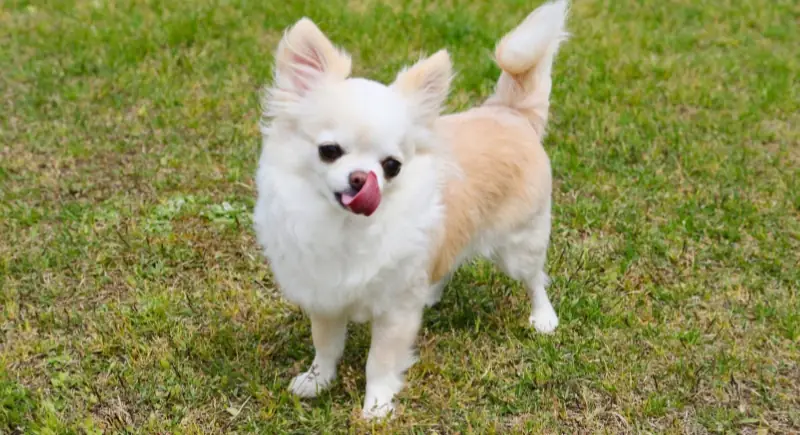
Chihuahuas might be tiny, but their loyalty is unmatched. They form intense bonds and don’t take kindly to solo time. Leave them alone, and that fierce little heart goes into overdrive—cue trembling, barking, or burrowing into laundry piles like a panicked survivalist. They don’t just miss you—they assume you’ve been kidnapped and they’re the only ones who care enough to sound the alarm.
Japanese Chin
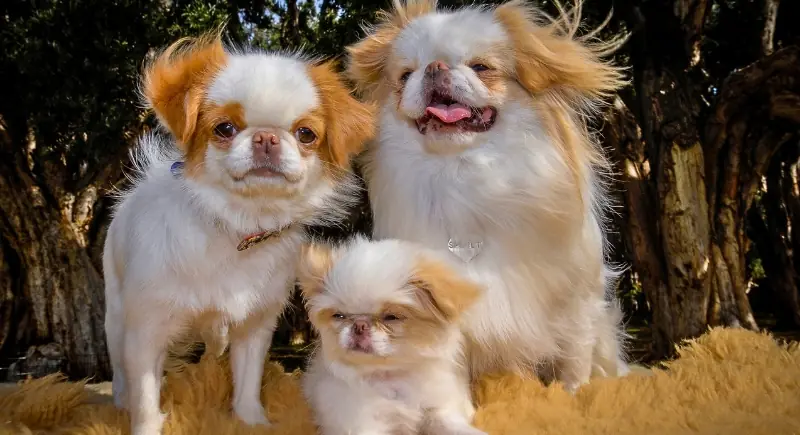
Bred for centuries as a royal lapdog, the Japanese Chin thrives on constant companionship. Its cat-like grace and quiet demeanor mask a deep need for human presence. When left alone, it can spiral into separation anxiety, manifesting in pacing, whining, or destructive behavior. Despite its small size, the chin’s emotional needs are substantial, making it best suited for owners who can provide consistent attention and affection.
Sheltie
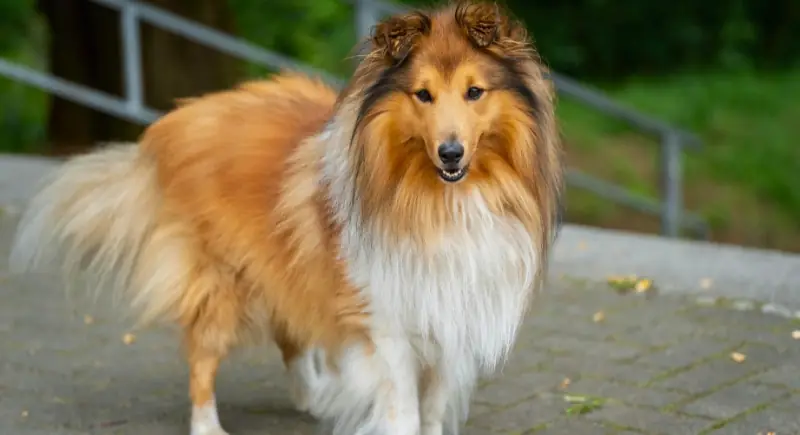
Shelties, or Shetland Sheepdogs, were bred to herd livestock alongside humans, making them deeply attuned to their owners’ presence. This strong bond means solitude doesn’t sit well with them. Left alone, they may resort to excessive barking, pacing, or destructive behaviors. Their intelligence and sensitivity require consistent engagement; without it, their anxiety can manifest in ways that challenge even seasoned dog owners.
Doberman Pinscher
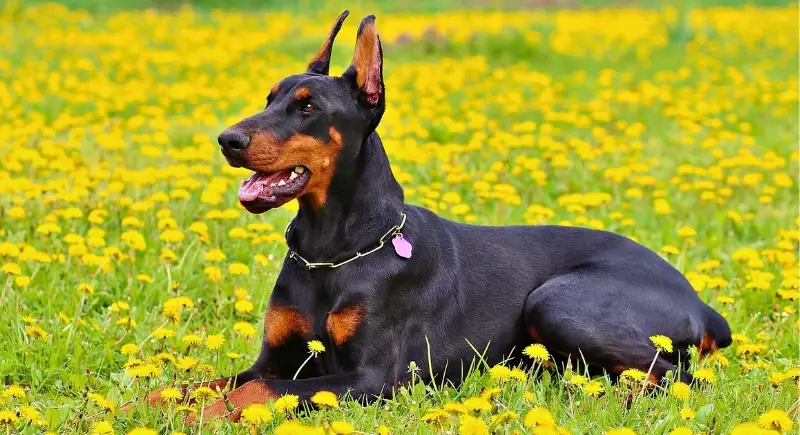
Doberman Pinschers are fiercely loyal and naturally protective, forming deep bonds with their families. They thrive on constant interaction and often shadow their favorite humans from room to room. While they’re not inherently nervous, long periods alone can make them restless and stressed. They do best in active, engaged households with frequent companionship.
Great Dane

Great Danes are gentle giants who love being close to their favorite people. Despite their imposing size, they often act like oversized lap dogs, craving affection and reassurance. Though not naturally anxious, too much alone time can lead to stress. They flourish in homes where they’re treated as constant, loving companions.
Beagle

Beagles were bred to work in packs, tracking scents for hours alongside hunters and other dogs. That background makes them social to the core. Long stretches alone can leave them restless and vocal, which explains the classic baying neighbors hear. Without company or stimulation, their worry often shows up as howling, pacing, or chewing.
Maltese
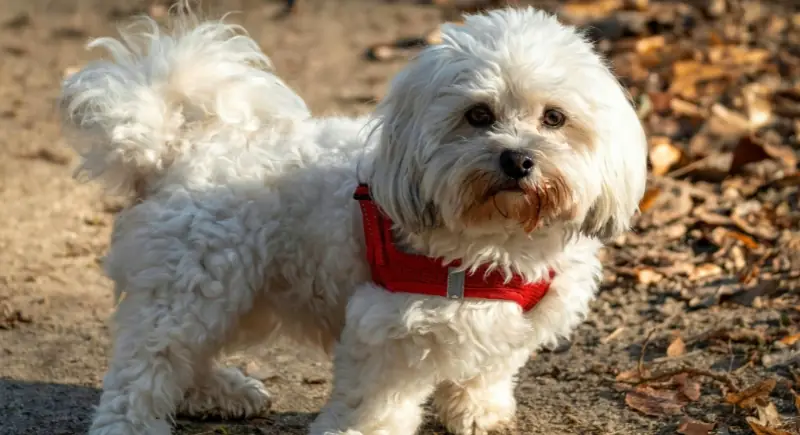
The Maltese has spent centuries as a lap companion, which means close human contact feels like part of the job description. They bond tightly and often follow their person from room to room. When left alone for too long, stress can manifest as barking, accidents, or clingy behavior when you return home.
Weimaraner
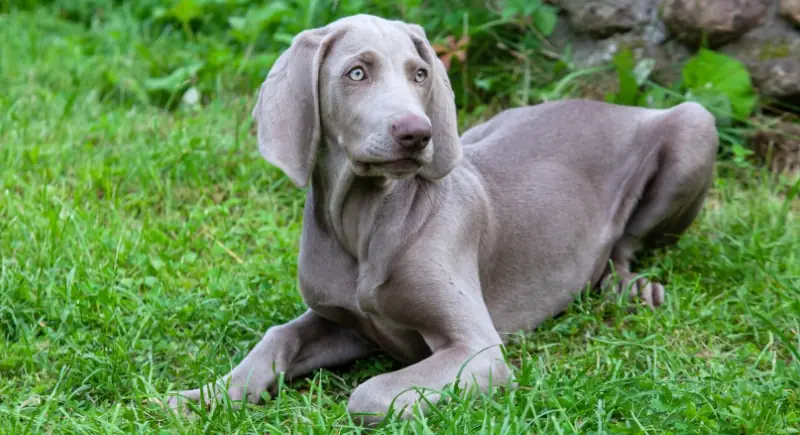
Weimaraners bond fast and hard with their people, which makes alone time a real struggle. Bred as a close-working hunting companion, this breed expects to be part of daily life, not to watch from a window. When left too long, boredom and worry can show up as chewing, pacing, or nonstop vocal complaints.
Australian Shepherd
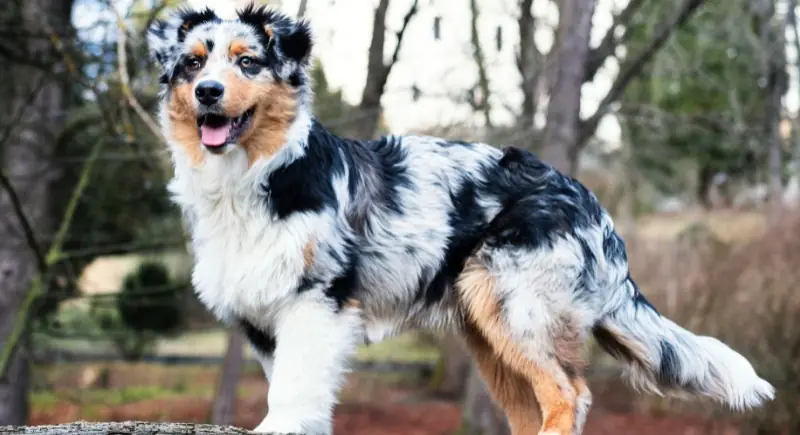
Australian Shepherd lives for activity and connection, so empty houses feel wrong fast. This breed was developed to herd livestock alongside humans all day, remaining mentally engaged. Without company or a job, restlessness builds, and anxiety can surface through barking, shadowing doors, or turning furniture into a chew project.





