
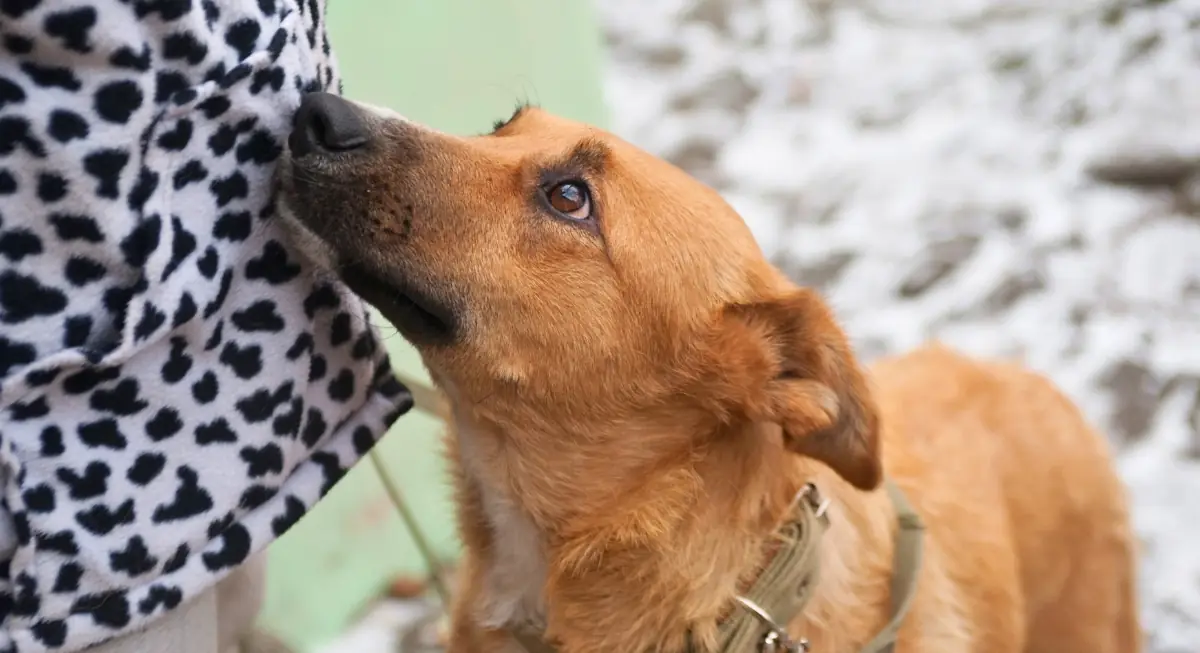
Some dogs really do have superpowers—only instead of capes, they’ve got world-class sniffers. While most humans can barely tell the difference between a cold and allergies, these dogs are busy detecting cancer, seizures, blood sugar drops, and more. Let’s explore breeds that act like early warning systems on four legs.
Labrador Retriever

Labs are front-runners in scent detection studies, especially for diabetes and cancer. They work as diabetic alert dogs and recognize hypoglycemia by scent changes in saliva. Their biddable nature and love of human connection also make them ideal partners for daily health monitoring.
German Shepherd
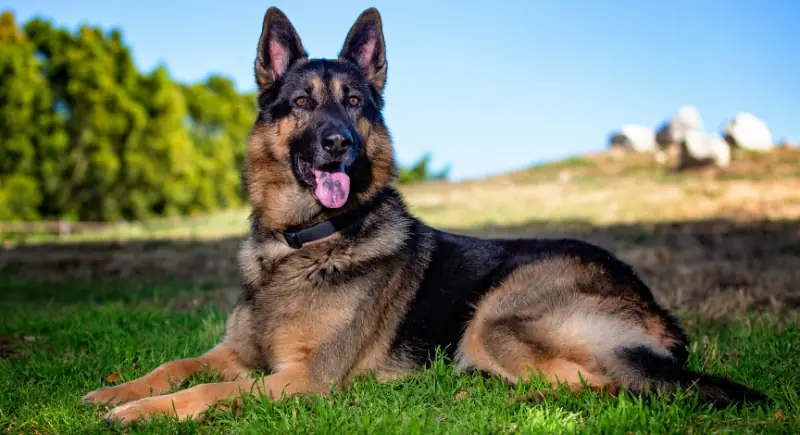
Although mainly known for service work, German Shepherds also sniff out seizures and PTSD episodes. Their ability to detect cortisol spikes—often released during stress or neurological disruption—has helped many patients. In one case, a Shepherd named Buddy was trained to call 911 when his owner, John Stalnaker, experienced seizures.
Poodle
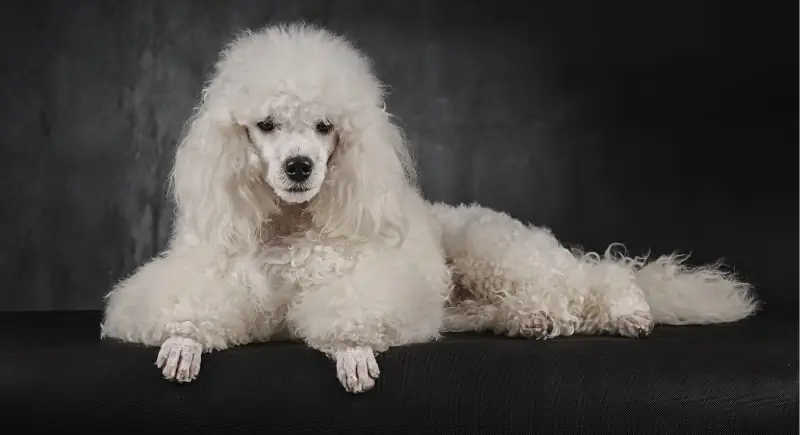
Poodles’ scenting talent gets overlooked because of their pampered image. In reality, they detect seizures up to 45 minutes before they occur. Research from the University of Rennes showed that poodles correctly identified seizure odors in sweat samples. They’re also hypoallergenic, which makes them a great fit in hospitals and homes alike.
Beagle
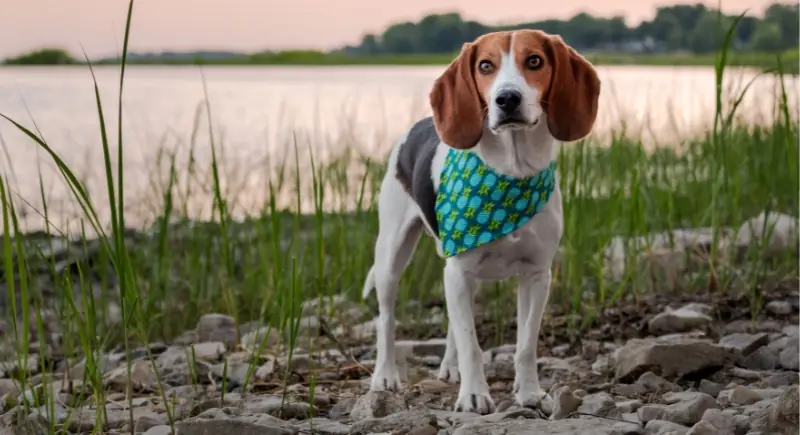
Beagles have around 220 million scent receptors (humans have about 5 million). Their noses are now being used in clinical studies for lung and colon cancer detection, with surprisingly accurate results. Don’t let the floppy ears fool you—this breed has earned its lab coat.
Golden Retriever
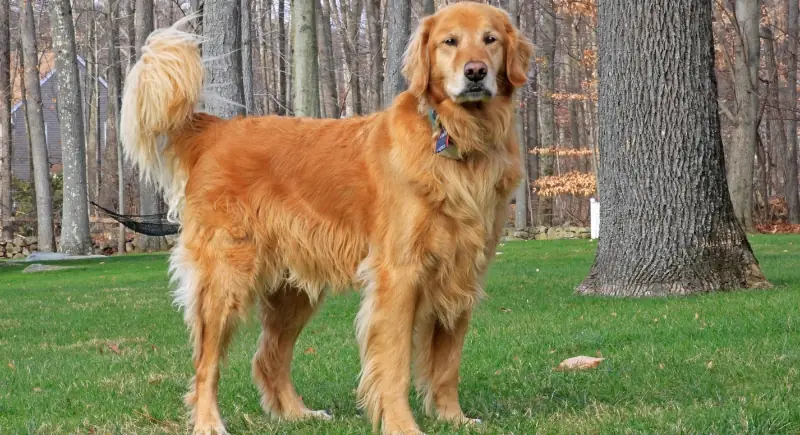
There’s a reason hospitals and therapy programs love Golden Retrievers—they notice everything. They are remarkably attuned to shifts in body chemistry and pick up on anxiety, migraines, blood sugar dips, and more. If something’s wrong, they lean into you and stay calm, which is just what people need.
Bloodhound
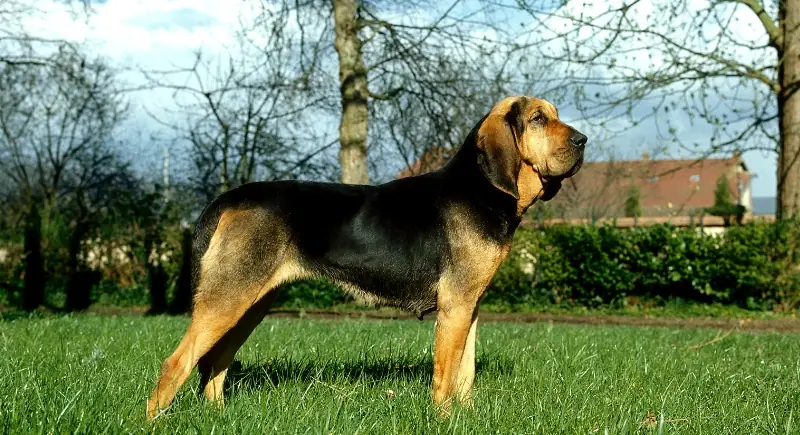
With up to 300 million scent receptors, Bloodhounds are still the undisputed nose champions. Courts in the U.S. have accepted scent trail evidence gathered from these dogs in certain cases. A study out of Arkansas also showed they could identify prostate cancer biomarkers at parts per trillion—something even machines struggle to do.
Belgian Malinois
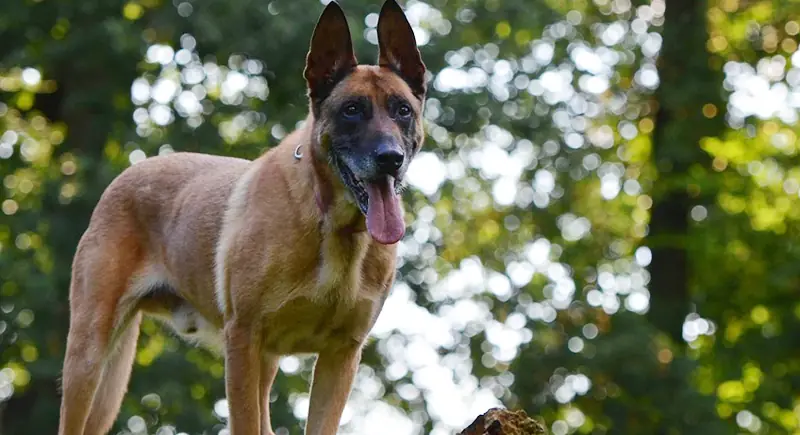
Malinois have transitioned smoothly from service work to medical detection. They’ve been trained to spot malaria, COVID-19, and seizure onset. A 2020 study in France used Malinois to sniff sweat samples of asymptomatic COVID patients with a 97% accuracy rate.
Dachshund
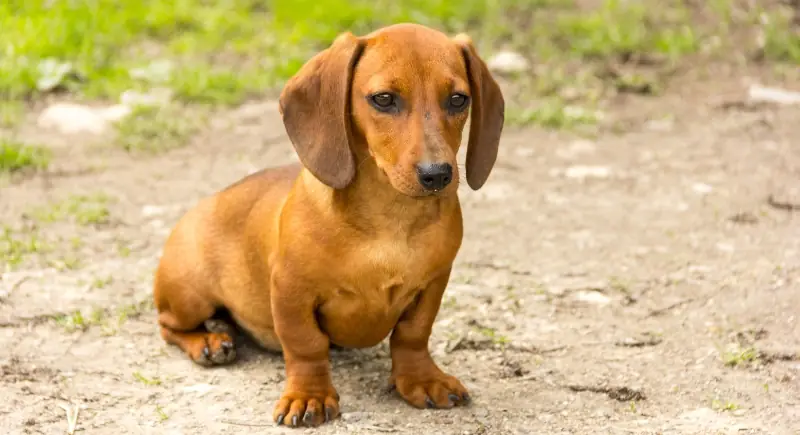
Dachshunds were originally bred to chase scent trails underground, which explains their ability to sniff out diseases. Recent trials in Japan tested their ability to detect urinary tract cancer via breath samples. Their small size and tenacity also make them ideal for homes where constant companionship is needed for early warning signs of chronic illness.
Basset Hound
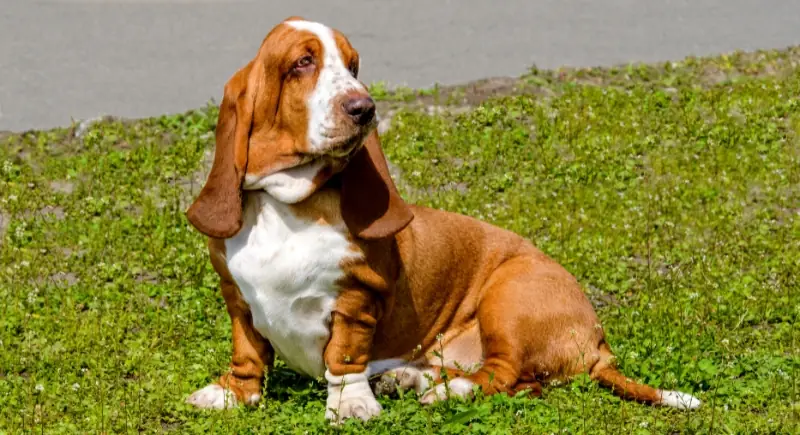
Low to the ground and slow-moving, Bassets are ideal for detailed scent work. They have one of the highest numbers of olfactory cells among all dog breeds. That, paired with their focused nature, makes them strong contenders in studies detecting melanoma and gastrointestinal cancers.
English Foxhound
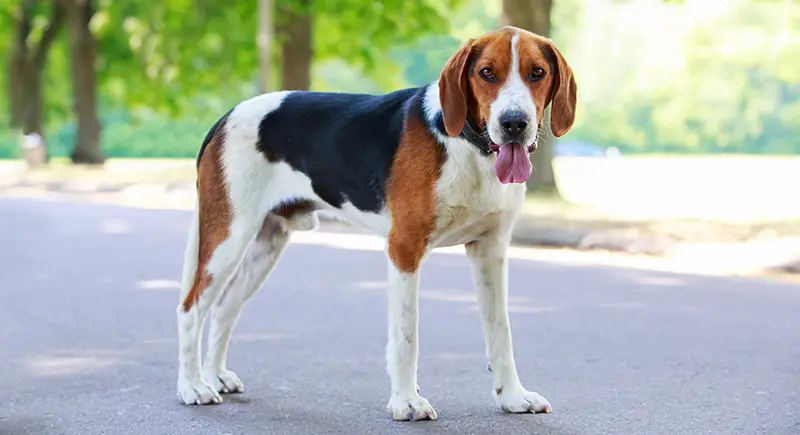
Researchers have started training English Foxhounds to monitor chronic illnesses like Parkinson’s by picking up on skin-emitted scent compounds. In long-term care environments, their ability to recall scent profiles over time offers a noninvasive way to track symptom progression before medical testing catches up.
Boxer
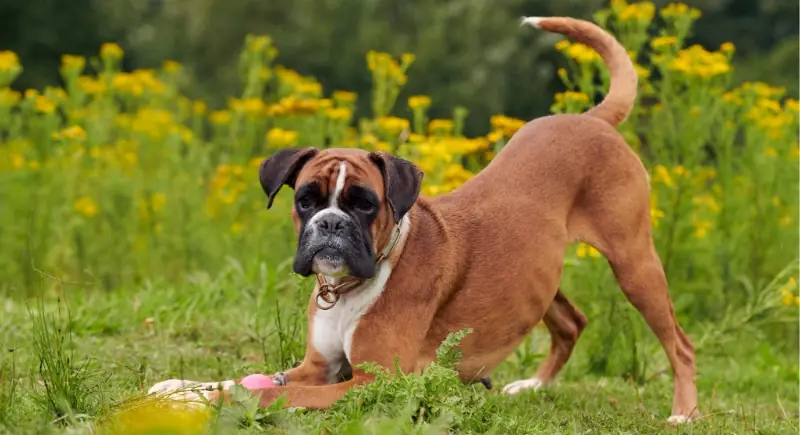
Boxers’ sensitivity to scent changes linked to glucose levels has helped people with Type 1 diabetes. Some have even been trained to retrieve insulin kits or press emergency buttons. Their natural protectiveness makes them more likely to respond quickly when something seems off, even before it’s evident to a human.
Collie
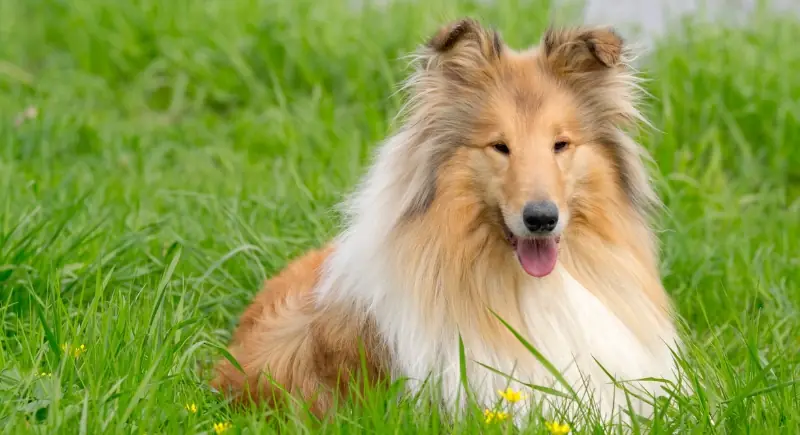
Collies are TV-famous for a reason. A 2019 study in Germany included Collies in trials identifying seizure-related compounds, and participants noted that the dogs often gave warnings 30 minutes in advance. Their intuition runs deep, and when they sense something isn’t right, they’ll do what Collies do best—watch over their people.
Standard Schnauzer
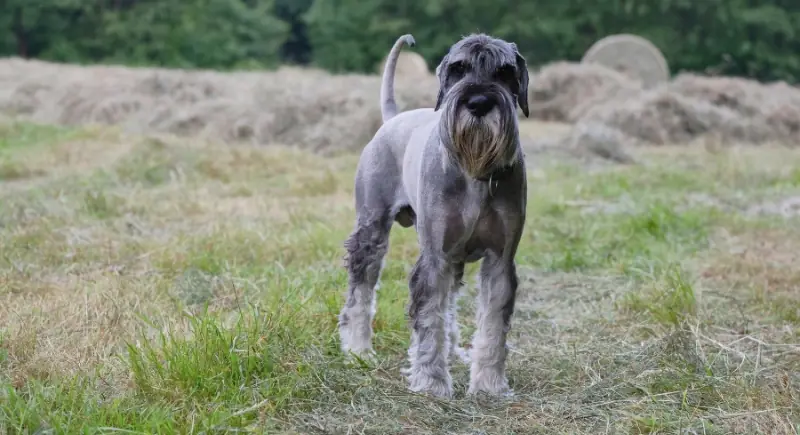
With a history in vermin control, Schnauzers have a naturally alert temperament and sharp nose. Though not a common medical alert breed yet, pilot programs in Canada are exploring their use in infection detection, particularly urinary tract infections in elderly patients.
Springer Spaniel
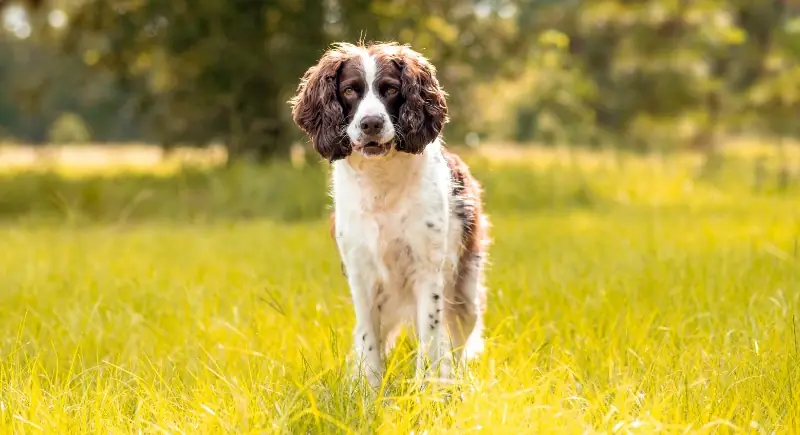
UK-based research teams have trained Springers to detect prostate cancer in urine samples with up to 93% accuracy. Their natural drive to work and eagerness to please mean they stay engaged during complex scent discrimination tasks. They’ve also shown potential in detecting Parkinson’s-related compounds in skin oils.
Cocker Spaniel
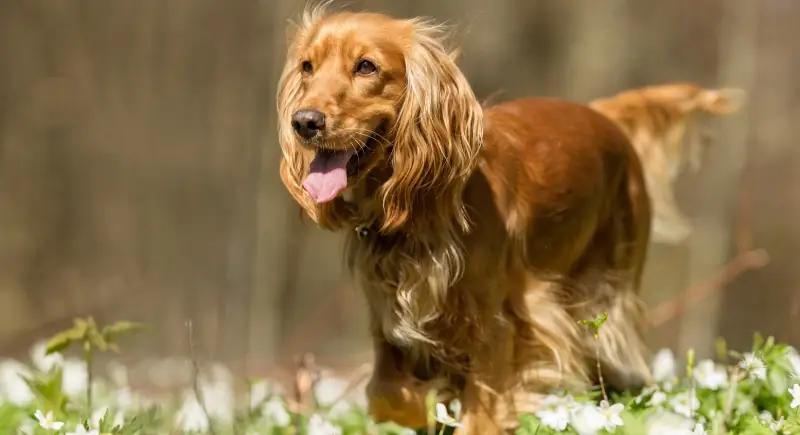
Beyond their soulful eyes, Cocker Spaniels have shown promise in detecting specific scent markers for chronic conditions. In medical trials, they’ve proven adept at identifying hypoglycemia by scent. Some U.S.-based programs now include Cockers in early-detection efforts for ovarian cancer, which can go unnoticed in its early stages.
Border Collie
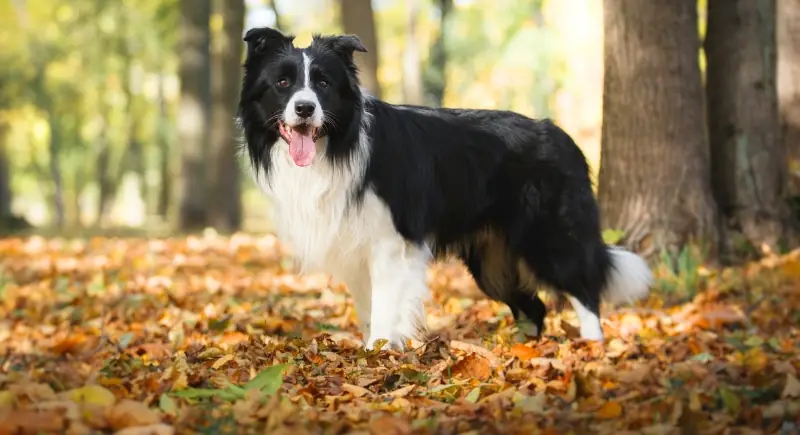
Border Collies are not standard medical-detection dogs, but their focus can make them useful when trained for alert work. They watch faces, hands, movement, and routine changes. Some dogs can also learn scent cues tied to low blood sugar or seizures. With training, that attention can become a clear warning.
Australian Shepherd
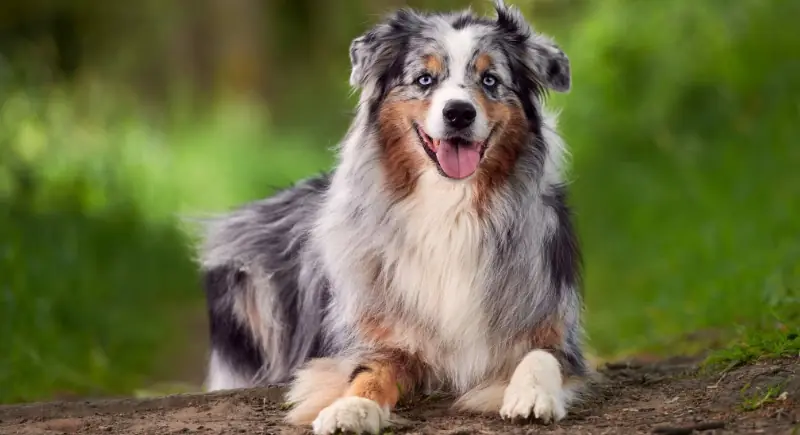
Australian Shepherds bring the same watchful mindset that made them valuable herding dogs. In medical alert work, that matters. A trained Aussie may respond to scent changes, body shifts, or repeated patterns linked to blood sugar drops or seizure activity. The skill depends on the dog, the handler, and proper training.





