
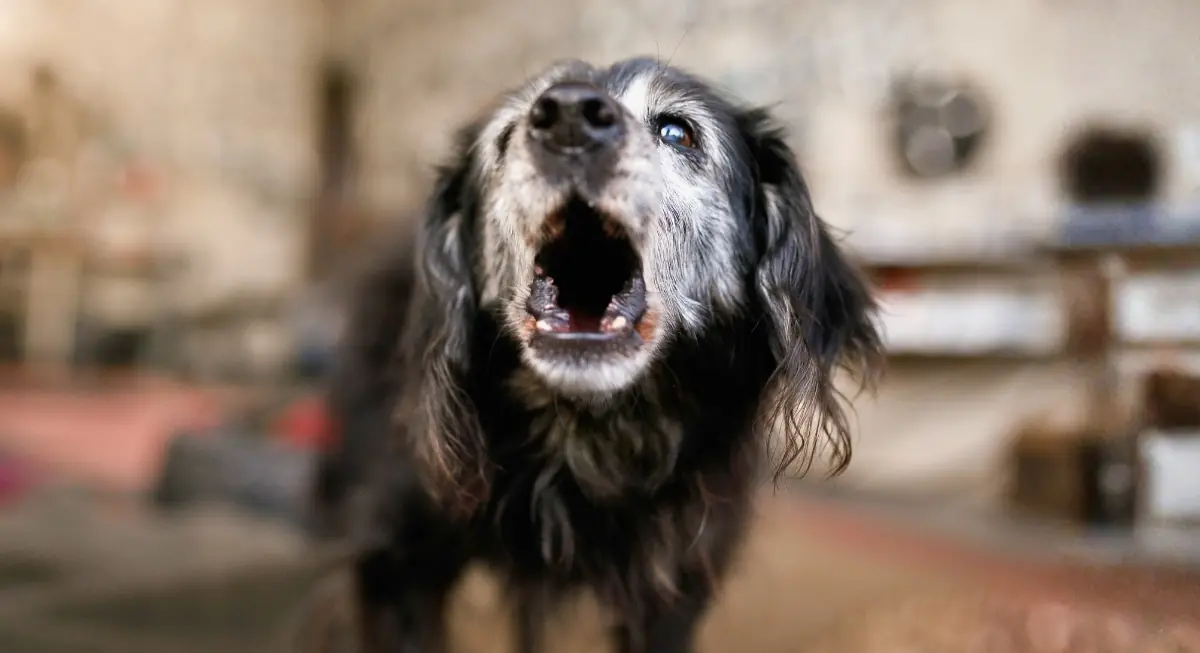
As dogs grow older, the changes are not always physical. Many owners expect slower walks or extra naps, yet aging can affect the mind as well. Some senior dogs develop canine cognitive dysfunction, a condition similar to Alzheimer’s in people that can influence memory, awareness, and everyday habits. Researchers say it becomes fairly common in older dogs. Recognizing the early signs helps owners adjust routines and keep their aging companions comfortable and supported.
Wandering Without a Clear Purpose
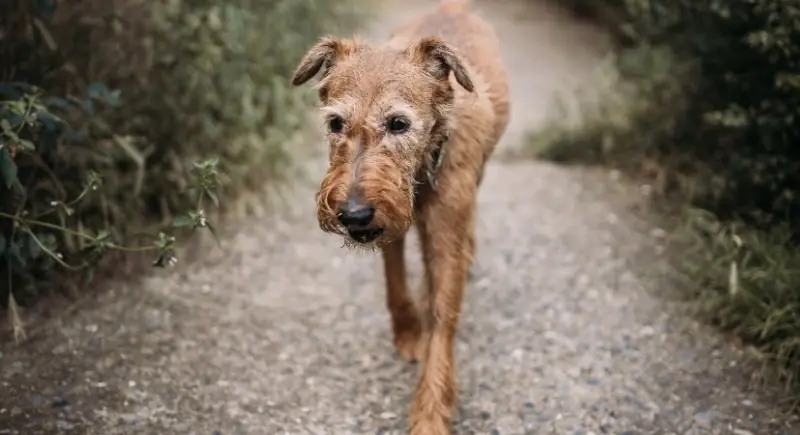
A senior dog may start roaming the house as if searching for something that never appears. Researchers link this to age-related brain changes that interfere with navigation and orientation. Leaving a dim light on at night or guiding the dog toward a comfortable resting place can ease the confusion and reduce restless wandering.
Getting Stuck in Corners or Tight Spaces
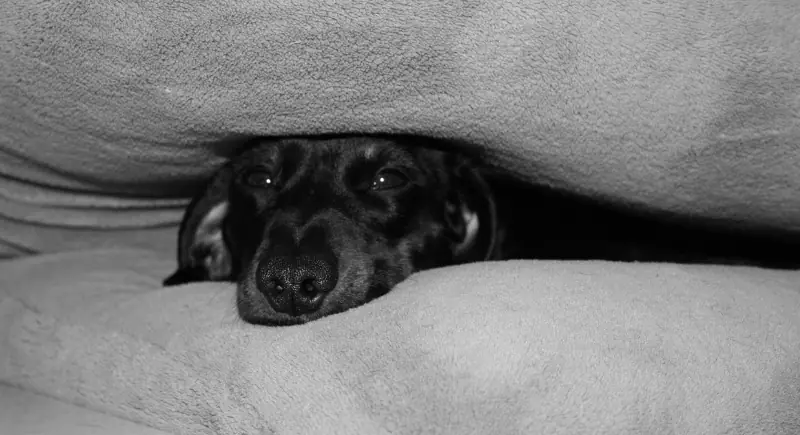
One of the more surprising behaviors involves dogs walking straight into corners or squeezing behind furniture, then pausing as if unsure how they got there. Declining spatial awareness makes it harder for the brain to process familiar layouts. Helping them is simple: keep walkways clear and avoid moving furniture around too often. Older dogs often move with greater confidence when the home environment remains predictable.
Changes in Greeting and Social Behavior
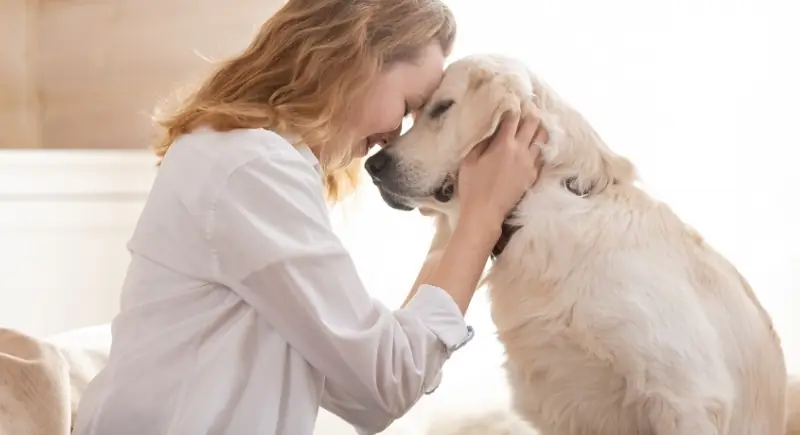
A dog that once greeted every returning family member with tail wags might begin ignoring arrivals entirely. Cognitive decline can interfere with recognition and social response. The change sometimes worries owners who fear their dog feels distant. In reality, the brain simply processes familiar faces more slowly. Short moments of affection often help reestablish those comfortable social cues.
Restless Nights and Daytime Sleeping

Many nap deeply during the day yet wander the house after dark. Veterinarians refer to this evening confusion as “sundowning,” a pattern also seen in people with dementia. The brain’s internal clock struggles to keep a regular rhythm. Extra activity earlier in the day, such as slow walks or puzzle toys, encourages more natural nighttime sleep.
Forgotten House Training
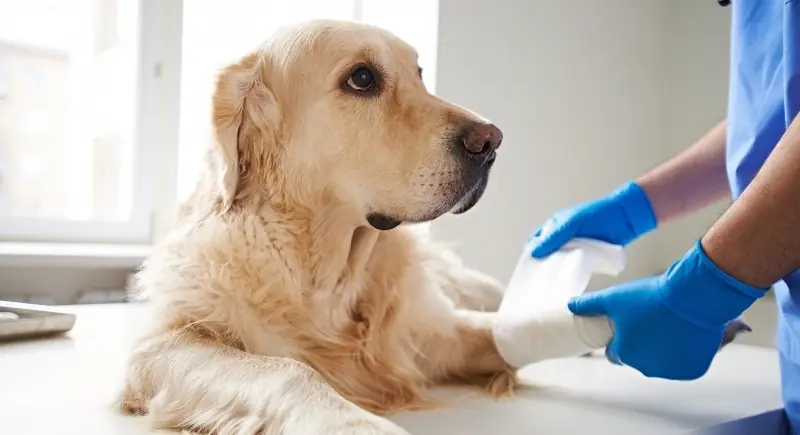
Few things surprise pet owners more than an older dog suddenly having accidents indoors. Years of reliable house training seem to disappear overnight. In many cases, the dog simply forgets the signals that once triggered a trip outside. Taking the dog outdoors more frequently and calm reactions matter, since the dog usually has no idea that anything went wrong.
Losing Interest in Familiar Activities

Favorite toys may sit untouched, and games that once sparked excitement receive little attention. Scientists believe aging neurons process stimulation more slowly, which makes play feel less rewarding. Mental activity still matters. Scent games or food puzzles often spark interest because dogs rely heavily on their sense of smell, which tends to stay sharp longer than memory.
Increased Anxiety or Clinginess
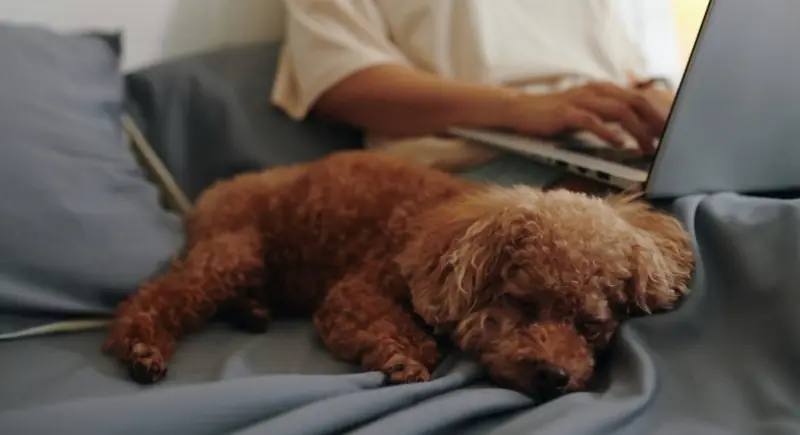
Cognitive changes can create new fears in dogs that previously seemed calm. A dog may follow family members closely or vocalize when left alone. The behavior often reflects uncertainty about surroundings rather than separation issues. Consistent feeding times and a stable sleeping area provide reassurance. Familiar patterns allow the dog to anticipate daily events without confusion.
Forgetting Known Commands

Commands learned years earlier may fade as memory centers in the brain weaken. Trainers encourage continuing short practice sessions. The goal is mental exercise rather than perfect performance. Treat rewards and encouraging voices keep training enjoyable. The brain benefits from repetition even when the dog takes longer to process instructions.
Barking or Howling Without an Obvious Reason
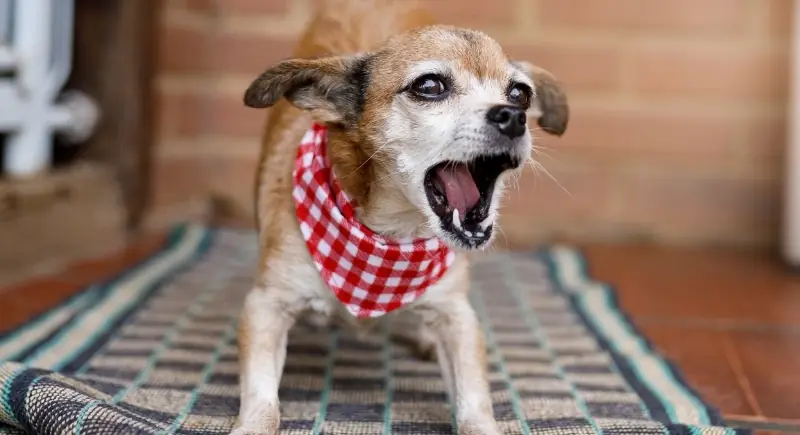
Late-night barking sometimes appears without any visible trigger. No visitors outside. No unusual sounds. Yet the dog remains convinced something requires attention. Veterinary behaviorists believe confusion or disorientation often fuels these episodes. A short walk before bedtime can help them sleep more peacefully.
Small Lifestyle Changes That Support Brain Health
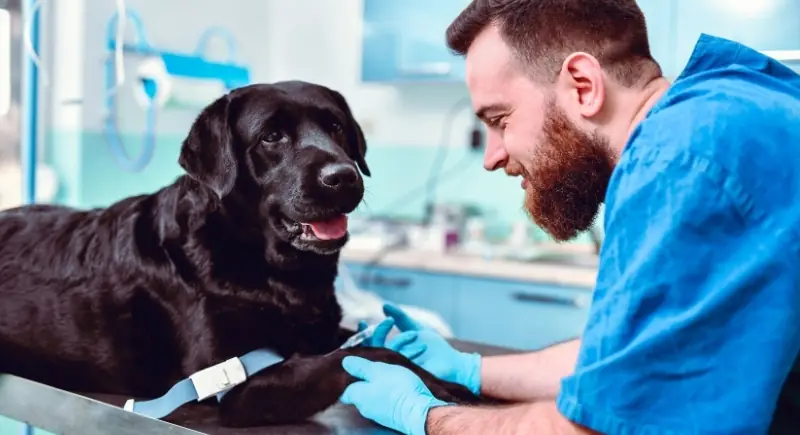
Veterinarians often recommend a mix of diet adjustments and medication for dogs with cognitive decline. Antioxidant-rich foods, omega-3 fatty acids, and medium-chain triglycerides have shown promise in supporting brain function. The medication selegiline is also used in certain cases to improve cognitive activity. Many dogs maintain a good quality of life for years with thoughtful support.





