
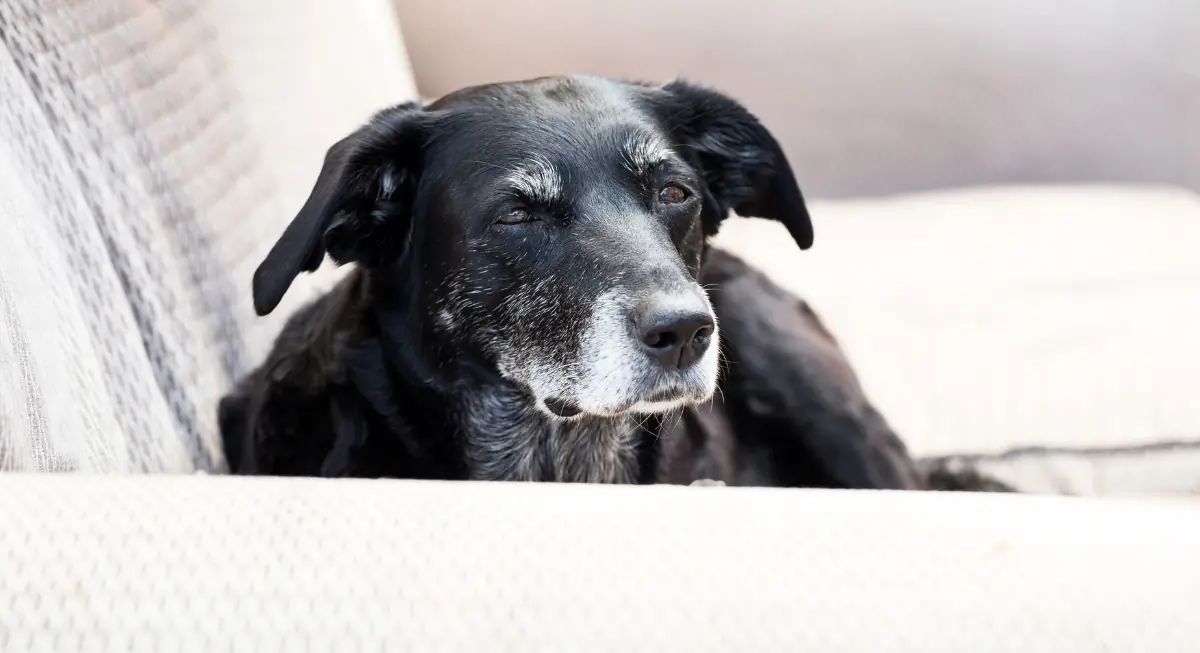
Aging sneaks up on dogs in ways that owners don’t always catch. The obvious things, like gray fur and slower walks, get attention, but the early signs of a fading memory or shifting brain function tend to blend into the background. Paying attention to the subtle stuff helps dogs stay comfortable longer and gives families a chance to adjust home life before confusion sets in. These signs appear gradually, but they’re meaningful clues about how an older dog is navigating the world.
Longer, Oddly Timed Naps
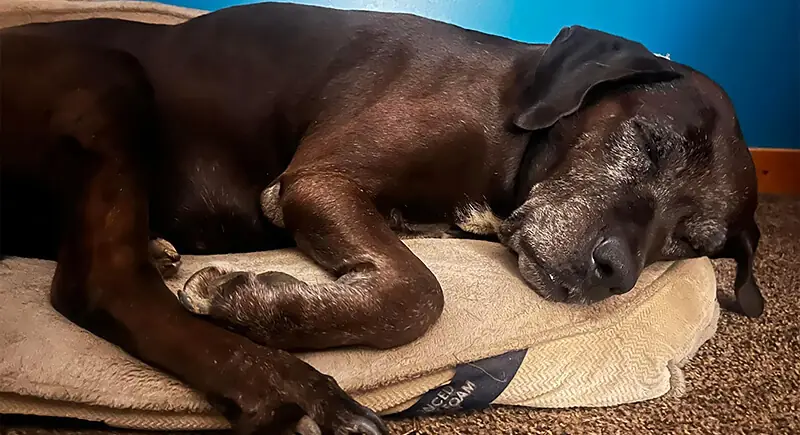
Senior dogs often sleep more because their brains work harder to manage basic routines, and this extra sleep can signal early cognitive changes as energy conservation becomes a priority. A dog that’s mentally declining may nap at unusual times or sleep through activities they once responded to.
Restless Nights
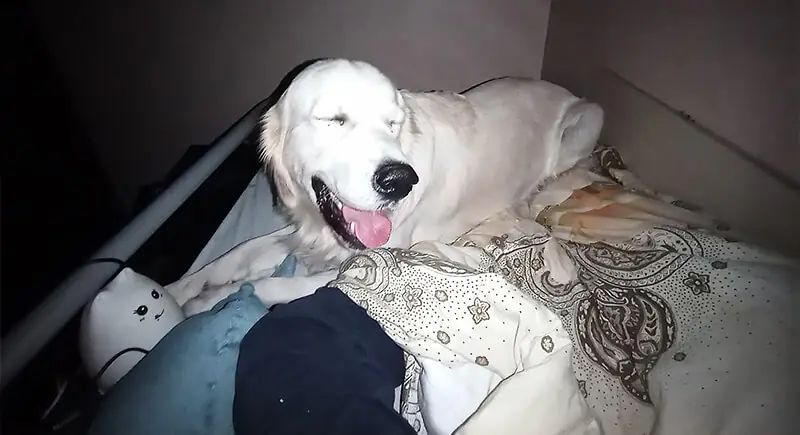
Age can disrupt the sleep-wake cycle. Dogs experiencing this often wake more during the night and appear confused about where to settle. This change is tied to brain aging rather than simple discomfort.
Subtle Disorientation
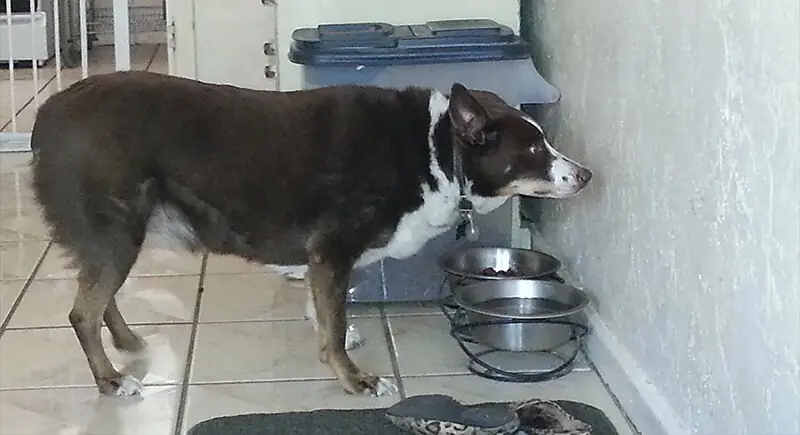
Confusion spells show up as wandering into the wrong room or staring at walls, and they’re often one of the first things owners write off as quirkiness. When the brain struggles to process familiar spaces, it’s usually linked to cognitive dysfunction in older dogs.
Hesitation in Dim Light
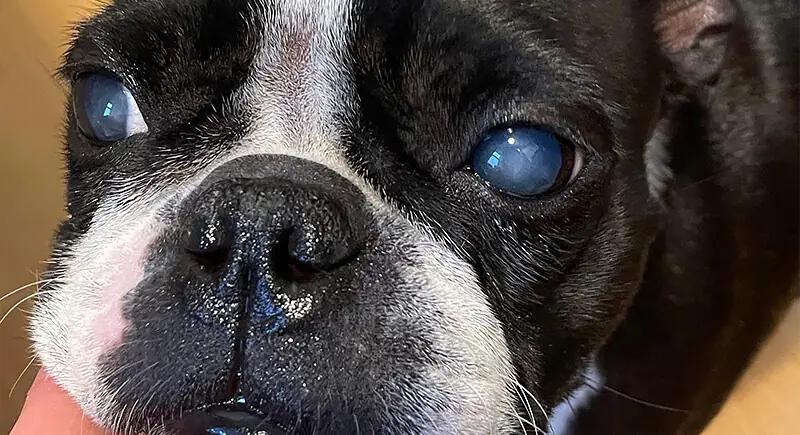
Cloudy eyes can stem from normal aging, cataracts, or lenticular sclerosis, but hesitating in dim light adds another layer because the brain struggles to interpret visual information. Dogs may pause in hallways or stop at doorways even if their eyesight isn’t entirely gone.
Changes in Social Habits
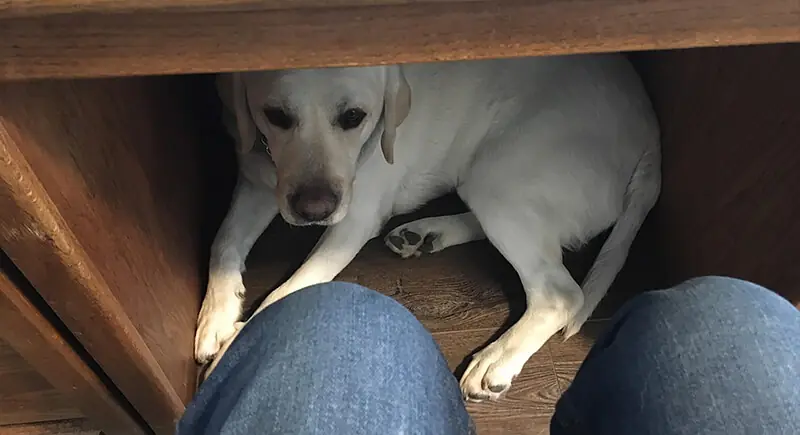
A dog that starts drifting into empty rooms or hiding under tables might be responding to mental stress. You might notice them beginning to withdraw because too much noise or movement becomes overwhelming for an aging brain.
Difficulty With Learned Commands
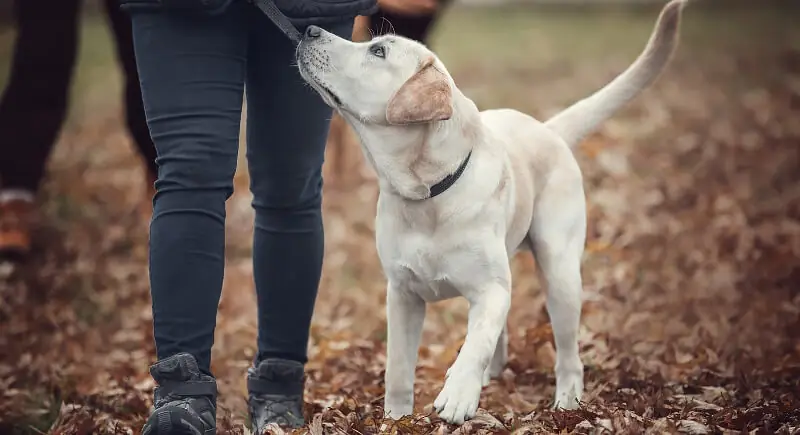
Older dogs sometimes forget commands or hesitate before responding, and this isn’t always due to hearing loss. Aging can interrupt the pathways that help them remember cues they’ve followed for years. Owners often miss this because the change is slow and inconsistent.
Weird Reactions to Temperature
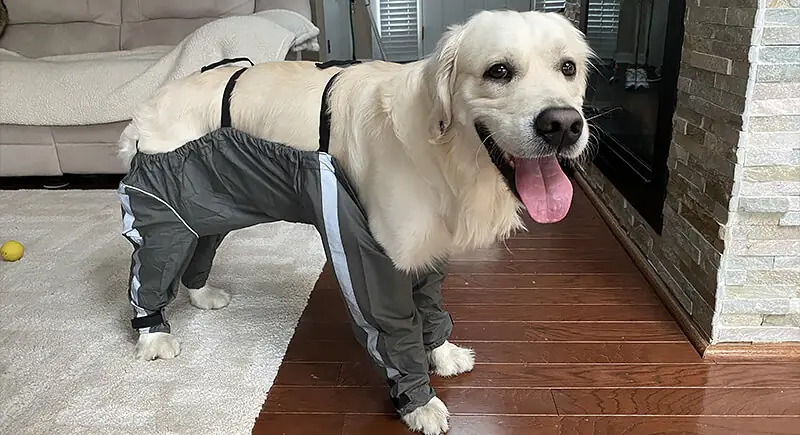
A fading internal thermostat can occur when the brain loses some control over body regulation. Dogs may pant more on mild days or shiver indoors, and this shift sometimes coincides with other cognitive changes, as both involve neurological aging.
Wobbly Moments With No Clear Injury
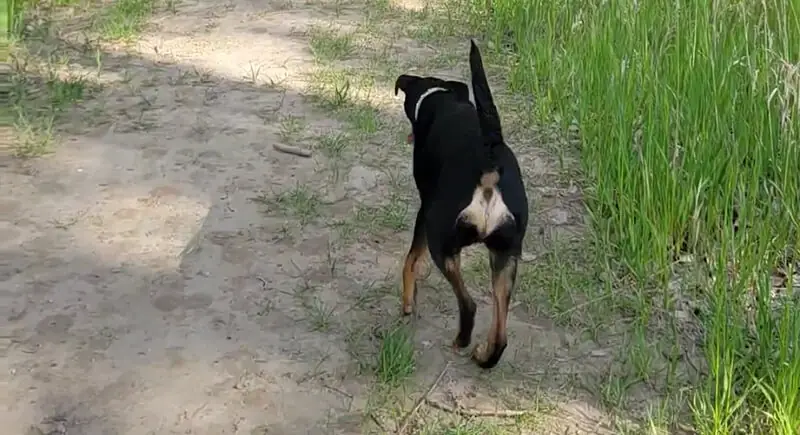
Muscle loss and joint problems can explain unsteady steps, but changes in coordination can also appear when the brain struggles with balance. A dog that spreads its legs to stay steady or pauses before stepping forward may be dealing with both physical and mental decline simultaneously.
New Odors With No Dental Cause
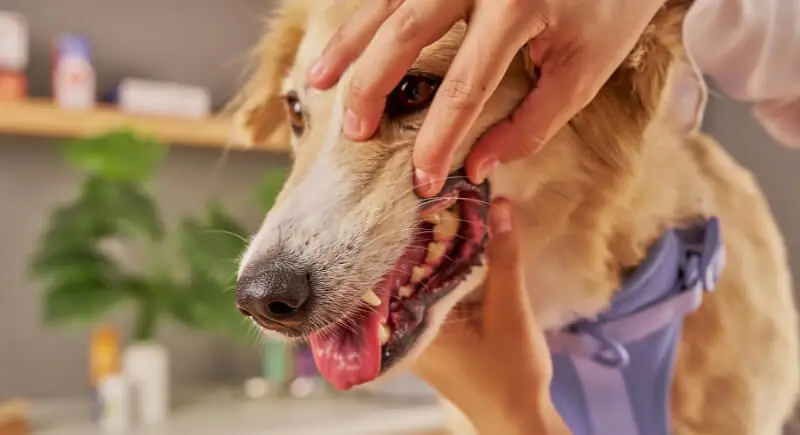
Sudden, strange smells can hint at organ issues, such as kidney or liver problems, which often coexist with the brain’s decline because whole-body aging affects multiple systems. Those dealing with internal changes may experience a change in smell before other symptoms appear.
More Bad Days Than Good
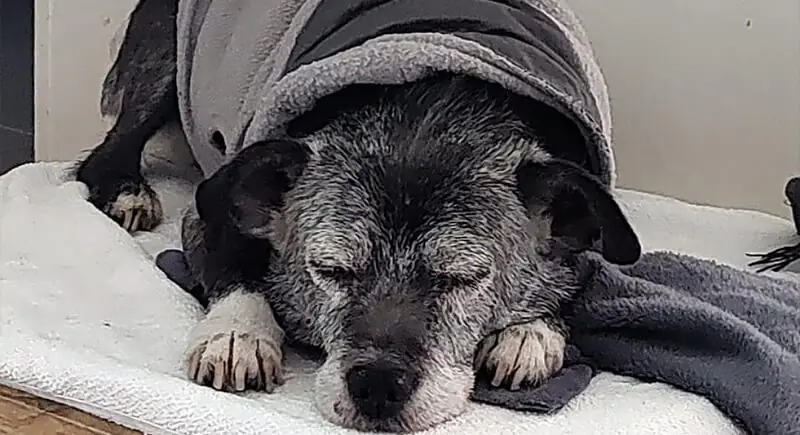
Tracking patterns can help families spot cognitive decline earlier, as dogs often exhibit subtle waves of confusion, irritability, or low energy. When the number of bad days begins to outnumber the good ones, the shift usually reflects changes in brain function rather than ordinary aging.





