

Your backyard might seem like a safe space for your dog to roam, but some dangers aren’t easy to see. For small dogs, certain bugs can have nasty consequences. These bugs can cause serious illness, lasting damage, or, in some cases, even be fatal.
Many of these insects are common and easy to overlook, but their bites, stings, or parasites can be more severe in smaller breeds. Even when not deadly, the effects can be severe. Knowing which pests pose a risk can help you keep your dog safe without giving up backyard time. Here are the ones to watch for.
Mosquitoes Carry a Lethal Heartworm Risk
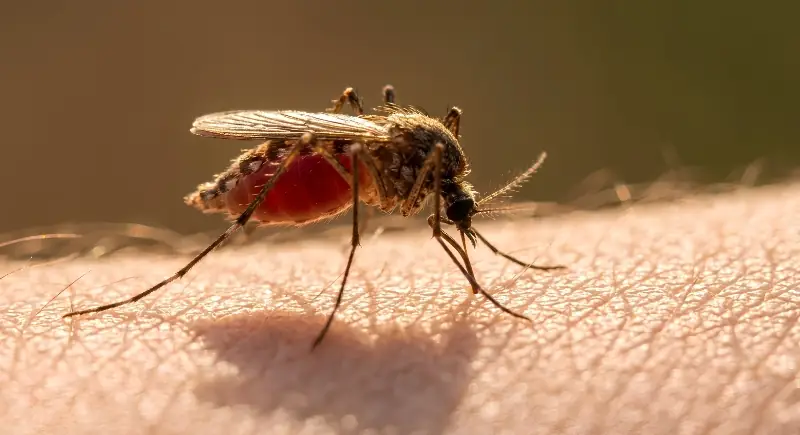
Though almost invisible, mosquitoes are one of the most dangerous threats outdoors. They transmit heartworm larvae, which settle in a dog’s heart and lungs. In small breeds, even moderate infestations can lead to fatigue, coughing, and ultimately, heart failure. Year-round prevention is critical to avoid this slow-progressing but often deadly condition.
Ticks Can Cause Paralysis or Dangerous Blood Loss
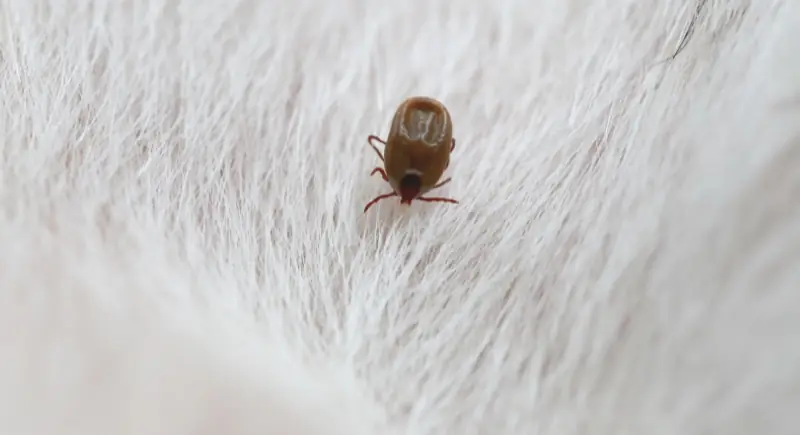
Apart from sucking blood, particular tick species release toxins that affect a dog’s nervous system. Paralysis can start in the back legs and creep forward. Others pass on Lyme or other infections. Since a small dog has less blood to lose, a single tick bite can escalate faster than many expect.
Black Widow Bites Can Cause Neurological Collapse
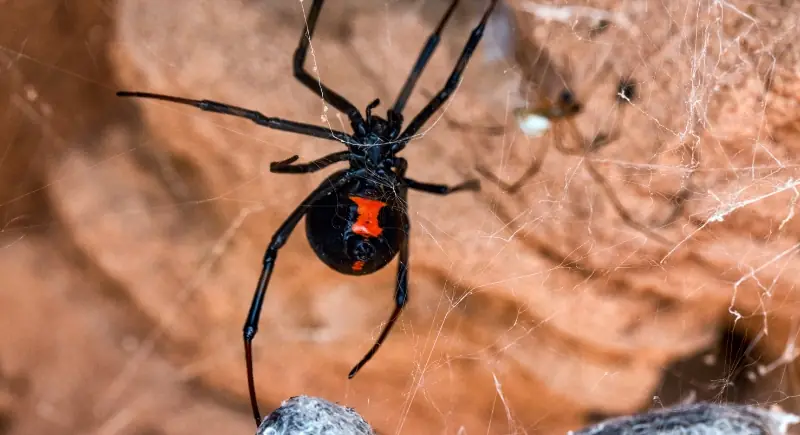
Often hiding under logs, sheds, or patio furniture, black widows inject venom that affects muscle control and coordination. A bite may start with shaking or excessive drooling, but in smaller breeds, symptoms can spiral into seizures or collapse. Dogs poking around cluttered areas are at the highest risk during warmer months.
Brown Recluse Bites Lead to Tissue Death
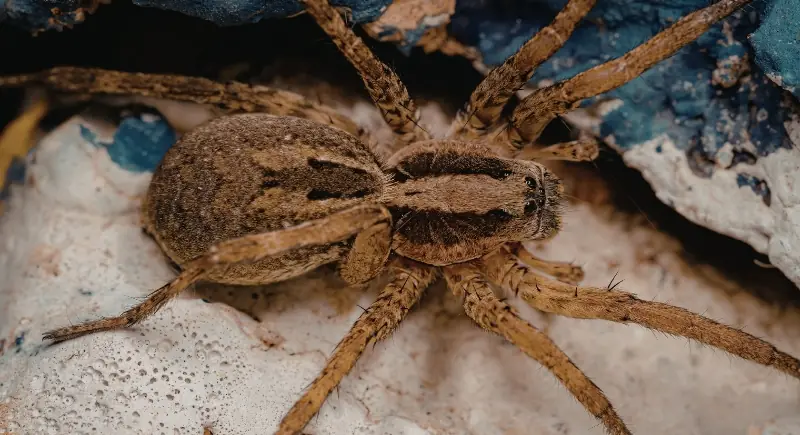
The brown recluse is less common but dangerous when disturbed. Its bite may not seem alarming at first, but the venom destroys tissue beneath the skin, often spreading over time. In smaller dogs, this process can lead to severe infections, systemic illness, or the need for surgical removal of damaged tissue.
Bees and Wasps Can Overwhelm with Multiple Stings
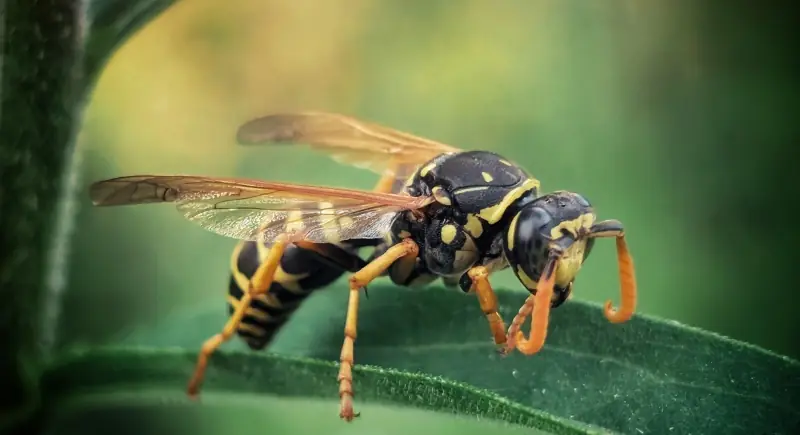
One sting might just swell, but a swarm or a severe allergic reaction can be life-threatening. Dogs chasing or pawing at bees can end up with stings inside their mouth or throat, which swell quickly. Multiple stings can send a small dog into anaphylactic shock within minutes if they’re sensitive.
Fire Ants Deliver Rapid, Repeated Stings
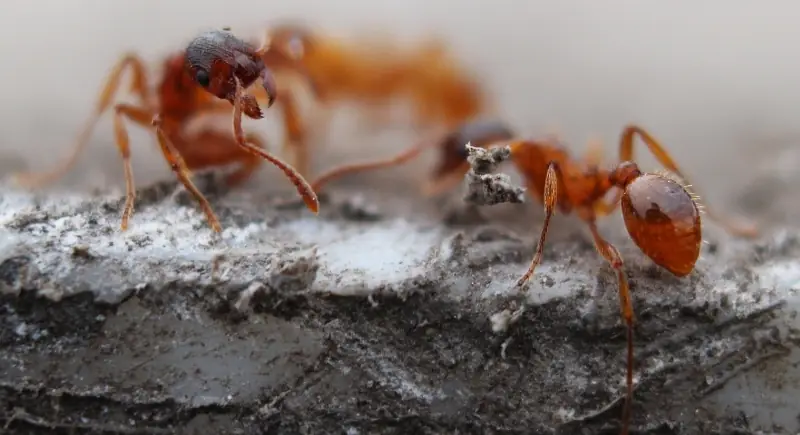
One sniff near a mound is all it takes. Fire ants attack in numbers and sting multiple times. Their venom causes burning pain and swelling, and in smaller dogs, the effect can magnify into full-body reactions or collapse. Quick rinsing and vet care are critical.
Fleas Can Cause Fatal Anemia in Small Dogs
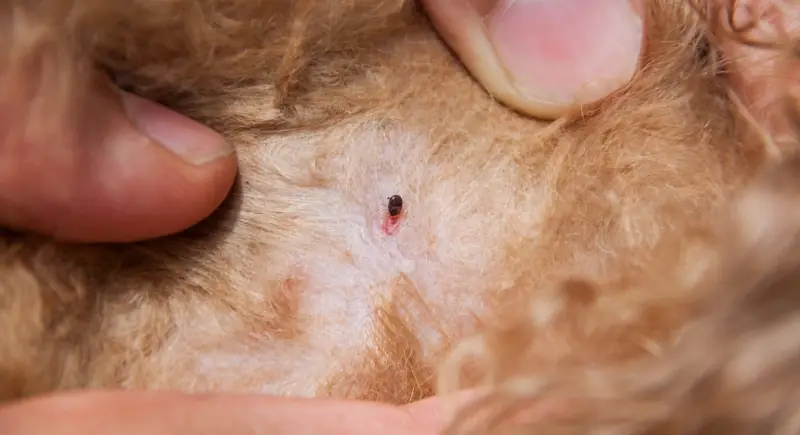
They’re common, but large flea infestations are also dangerous. When hundreds feed on a dog’s blood, it can cause anemia, especially in puppies and toy breeds. Pale gums, listlessness, and low energy are early signs of the condition.
Hookworms Feed Internally and Cause Blood Loss
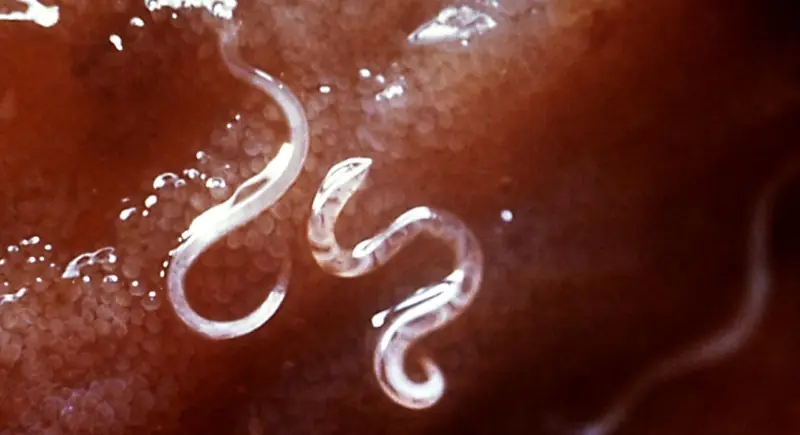
Microscopic larvae in soil or infected feces can enter the body through the skin or by ingestion. Once inside, hookworms feed in the intestines, stealing blood and nutrients. It’s easy to miss until the dog starts losing weight or strength. In small dogs, even moderate infections may cause life-threatening anemia without routine deworming.
Roundworms Can Block Organs or Spread Systemically
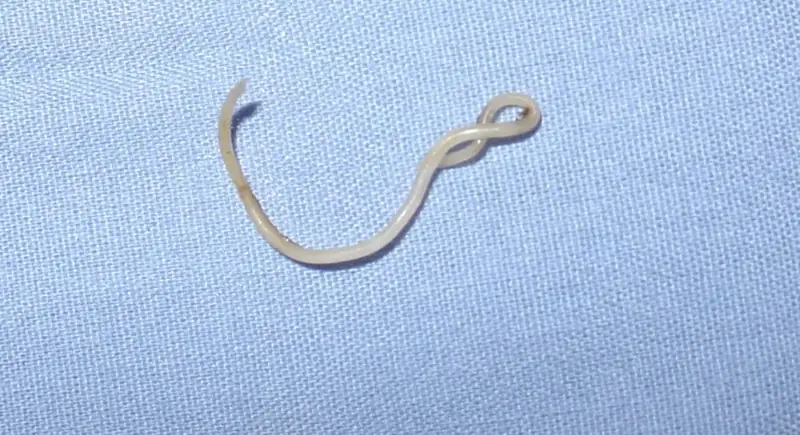
These worms are commonly found in soil and on the bodies of prey, such as rodents. Puppies and small dogs are especially at risk if they ingest eggs or larvae. A heavy worm load can block the intestines or migrate to organs. Bloating, vomiting, and weight loss are warning signs, and untreated infections can cause lasting damage.





