
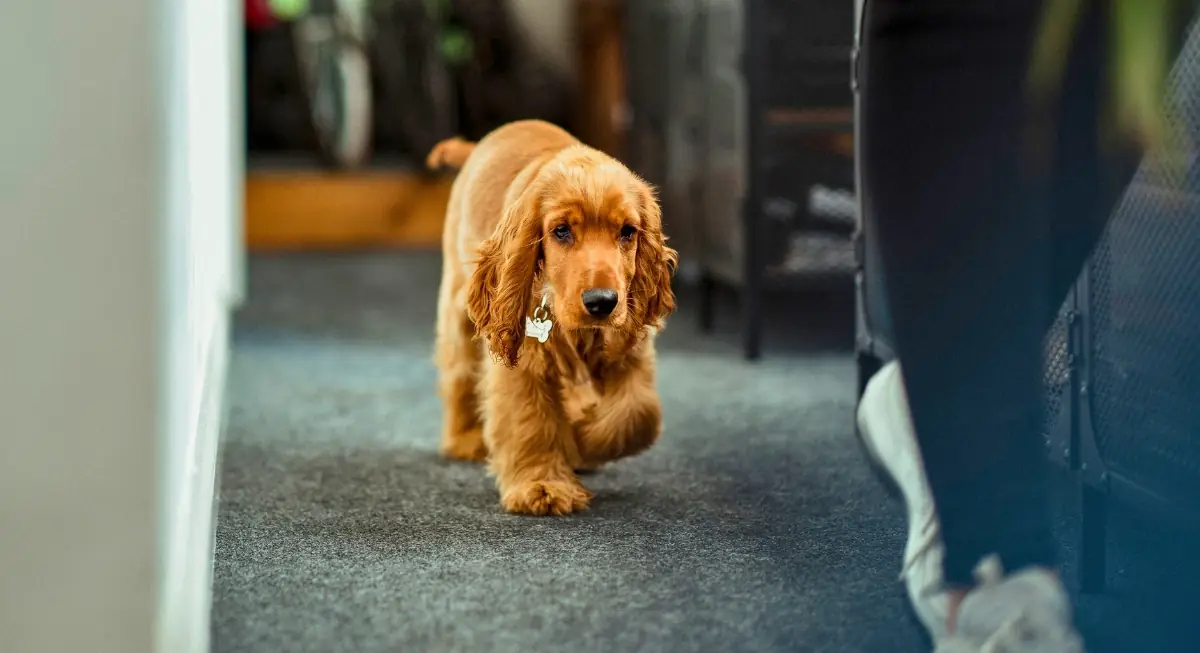
If your dog is constantly following you (even to the bathroom), it can be adorable at first, but it quickly becomes overwhelming. While it’s great to have a loyal companion, excessive clinginess can lead to frustration. Don’t worry, though! Here are some tips to help your Velcro dog feel secure and more independent.
Understand Their Attachment Style
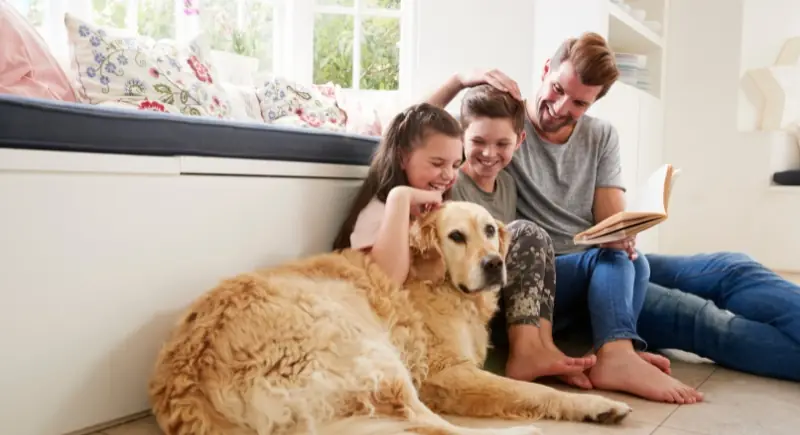
Every dog has their own way of bonding. Some are naturally more independent, while others crave constant attention. Understanding your dog’s attachment style will help you determine how much affection and space they truly require, which can guide next steps.
Practice Short Goodbyes
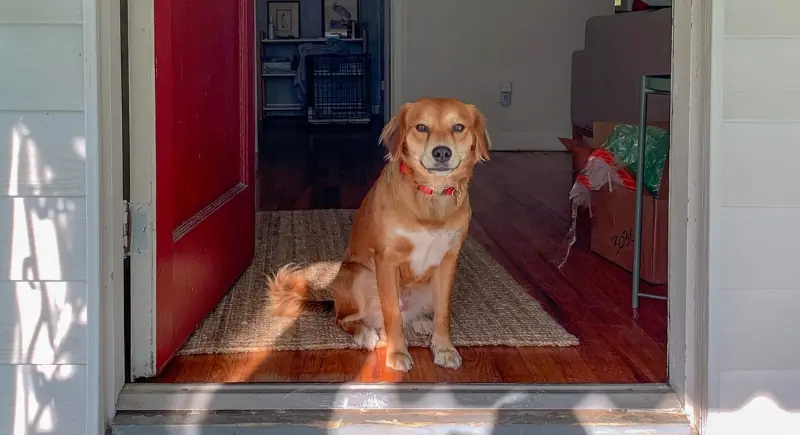
When your dog becomes anxious every time you leave, it can turn your departures into a stressful event. Keep your departures low-key as the goal is to help them understand that coming and going is part of daily life. Over time, your dog will feel more relaxed when you’re away, knowing that you’ll always return.
Introduce Independent Play
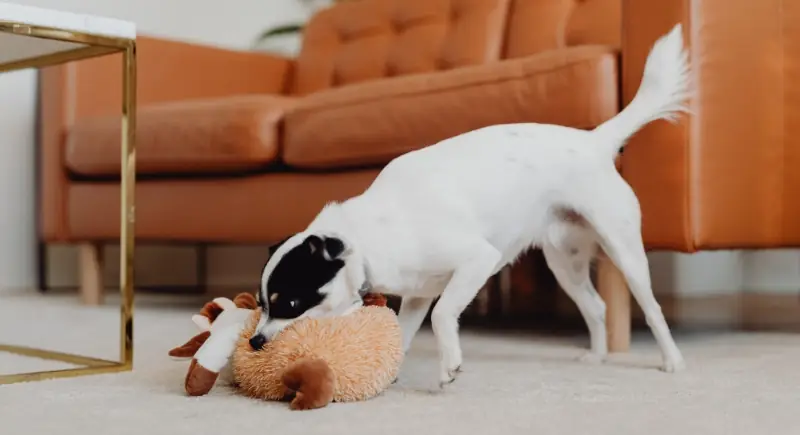
Your dog might not know how to entertain itself. Start by providing interactive toys, such as puzzle feeders or treat-dispensing balls, so they focus on something other than you. These toys are not only great for mental stimulation but also give your dog a healthy outlet for their energy.
Designate a Relaxing Retreat
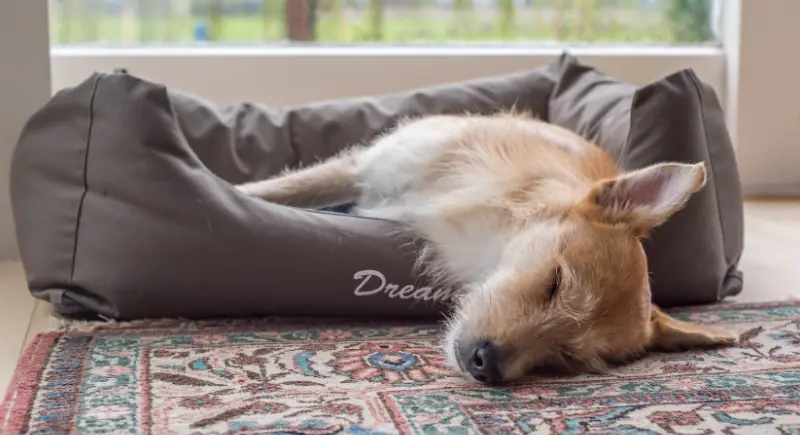
Sometimes, a dog just needs a cozy spot to call their own. Create a space in your home with a comfy bed, some toys, and a blanket where they can relax when they need a break. This designated retreat can help your dog understand that alone time is okay and can be a positive, calming experience.
Increase Physical and Mental Exercise
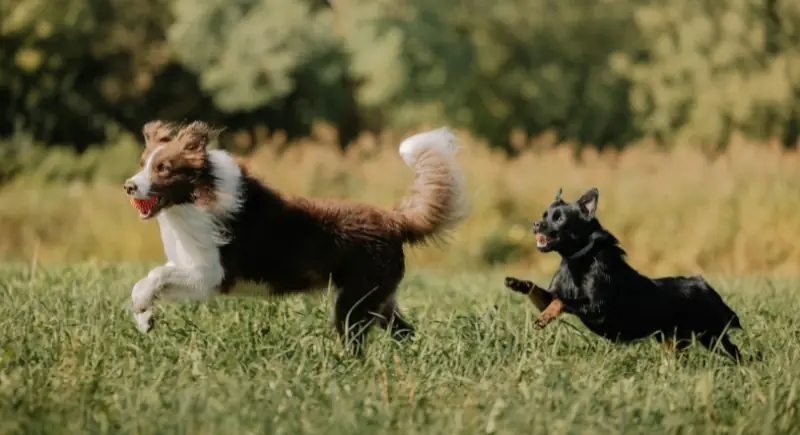
Clinginess often stems from excess energy. Regular physical exercise, like walks or fetch, is essential to keep your dog physically fit, but mental stimulation is equally important. Activities such as scent games, basic obedience training, or interactive toys can tire out their mind and help them feel more at ease when they’re on their own.
Reward Calm Behavior
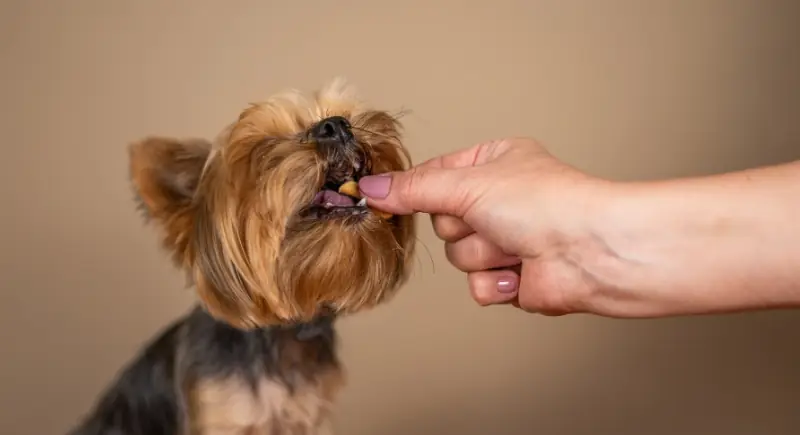
It’s easy to accidentally reward clingy behavior, especially when your dog is following you around for attention. Instead of reinforcing this behavior by petting or giving treats, focus on rewarding calm, relaxed moments when they are alone. This helps them learn that independence is just as rewarding as staying close to you.
Set Gentle Boundaries
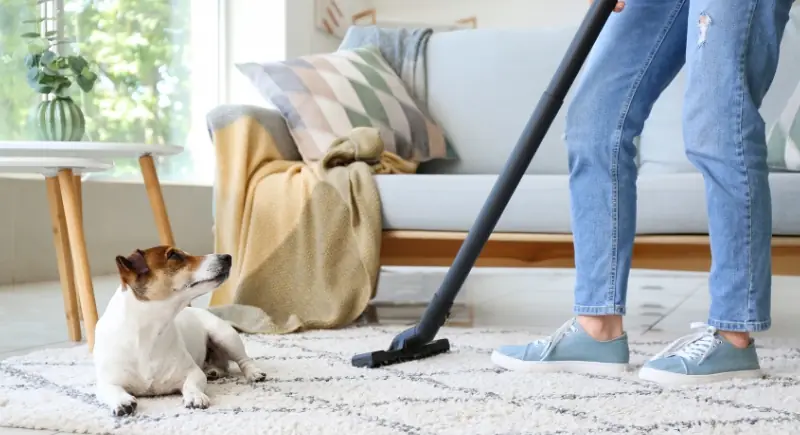
Your dog may follow you out of excitement or curiosity, but sometimes their constant presence can become a tripping hazard. Gently guide your dog to stay in a designated area or use commands to redirect them to a safe spot. Establishing these boundaries is key to preventing accidents.
Give Them New Social Opportunities
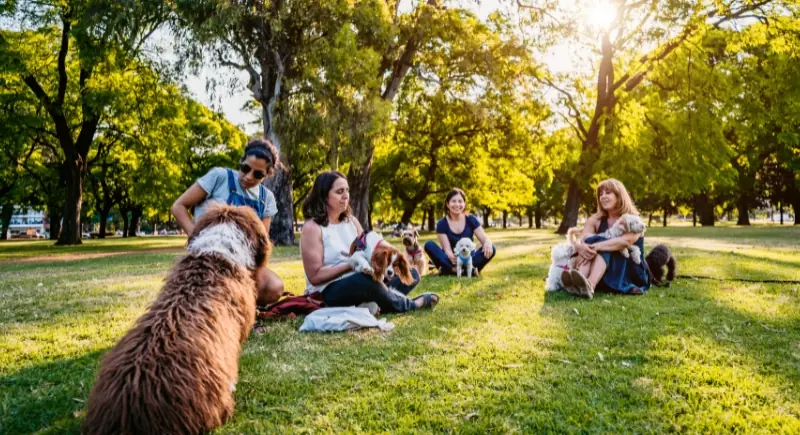
A dog might get reliant on you because it hasn’t had enough opportunities to build confidence with others. Gradually introducing them to new people, places, and other dogs helps them learn that it’s okay to enjoy the company of others. This added socialization reduces their dependence on you and helps them feel more secure in unfamiliar situations.
Work With a Trainer
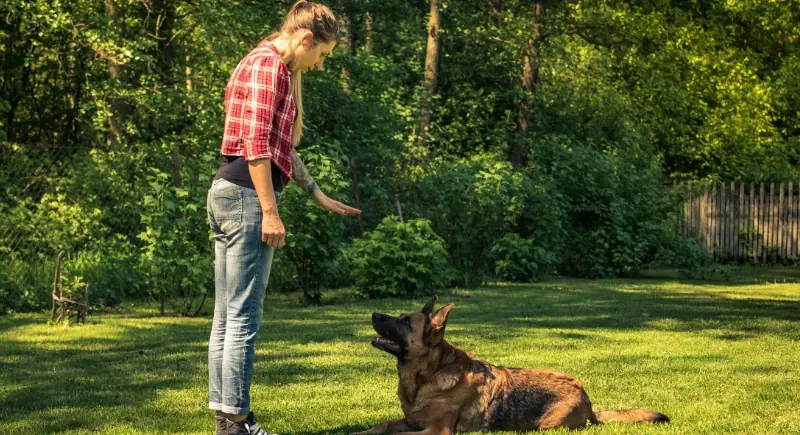
Sometimes a dog’s clinginess can stem from deeper anxiety. A trainer can provide strategies to help your dog become comfortable with alone time. With their guidance, your dog can learn to manage anxiety, adjust to being alone, and develop the confidence to spend time independently.
Talk to Your Vet
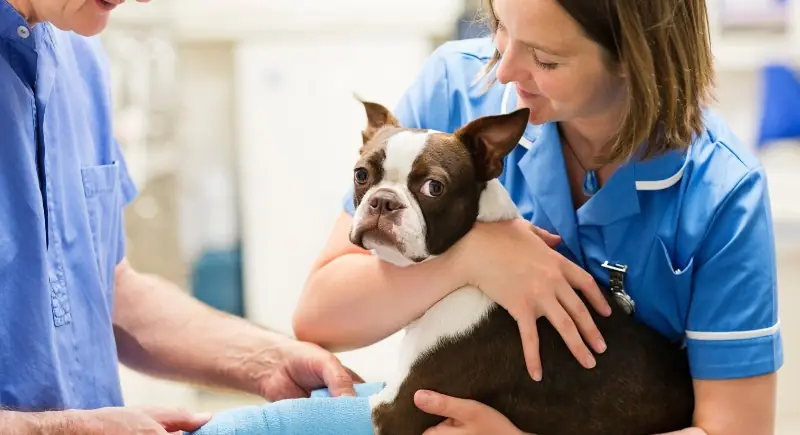
Clinginess that seems excessive or sudden may have an underlying cause, like health issues. If nothing seems to help, it’s worth taking your pet to the vet. They can assess for any medical concerns and suggest treatments, including behavioral therapy or medications.





