
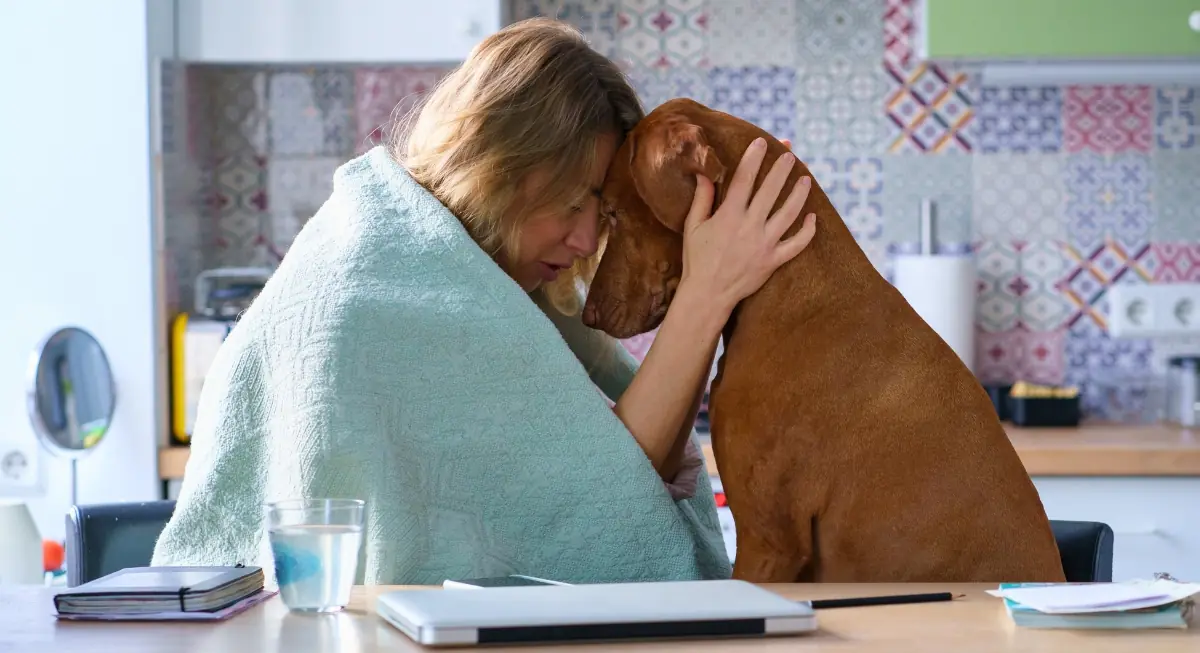
Living alongside humans for thousands of years has made dogs experts at sensing when something feels off physically. Research shows they can detect illness through scent and behavioral changes, as the human body releases different chemical compounds during infection or stress. When normal routines suddenly shift, your pet may show these signs, which can make it seem like you have a tiny nurse living at home.
Shadow Mode Activated
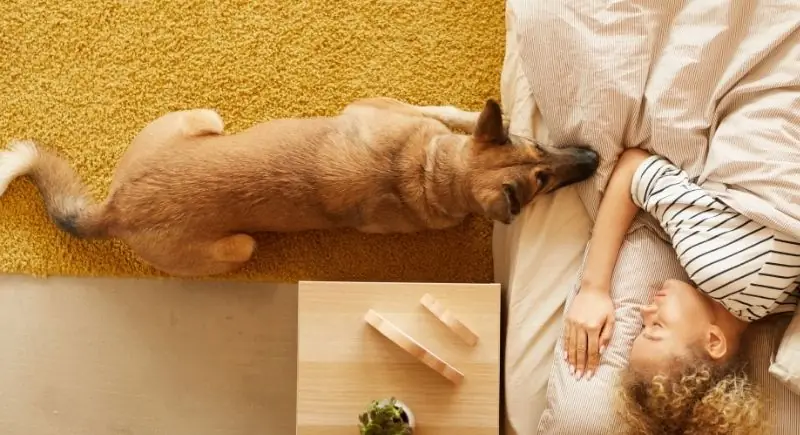
When someone in the house gets sick, many dogs shift into close-by mode. They stick near you, sometimes like a warm, steady weight. Illness changes body odor because the immune system releases different chemicals. With nearly 300 million scent receptors, dogs notice fast. Staying close lets them sense changes in your breathing and body temperature throughout the day.
Hallway Bodyguard Behavior

Getting followed from room to room can feel like a lot, but it usually comes down to routine. Dogs learn your daily patterns just by living with you. When you’re sick, those patterns change. You move more slowly, head to the bathroom more often, or lie down at random times. Once they notice that shift, they stay closer so they can keep track of what’s going on.
The Quiet Staring Phase
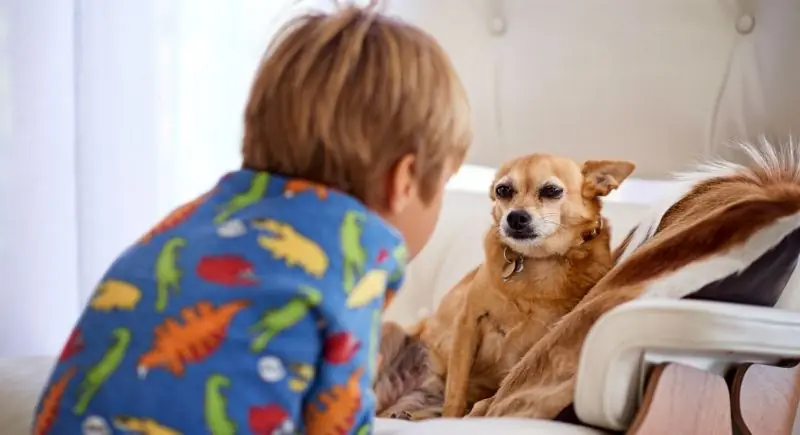
Canines track breathing and movement frequency, so having an intense staring moment for them is simply information gathering. Research shows they constantly read facial cues and body posture. When someone feels weak or tired, they watch longer because reduced motion makes everything more important to monitor.
Doorway Guard Duty

When you’re sick, your scent and behavior shift, and dogs pick up on both. That can switch on a protective response. Some will sit in doorways or place themselves between you and other people. During recovery, they may choose spots that let them watch both you and the room. It reflects their natural watchfulness more than a human understanding of illness.
Obsessive Sniff Checks
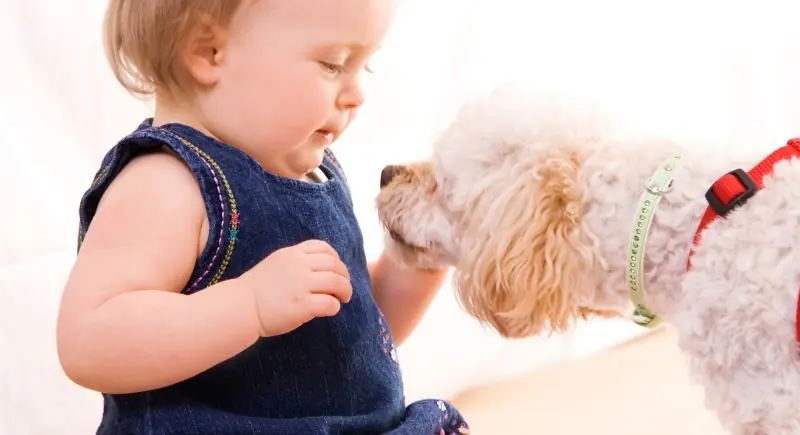
Increased sniffing is essentially chemical data collection, as it often occurs when illness releases volatile organic compounds through the breath and skin. Trained dogs, in particular, can detect disease markers tied to cancer or diabetes. They are checking if the scent profile keeps changing or stabilizes.
Playtime Suddenly Gets Softer
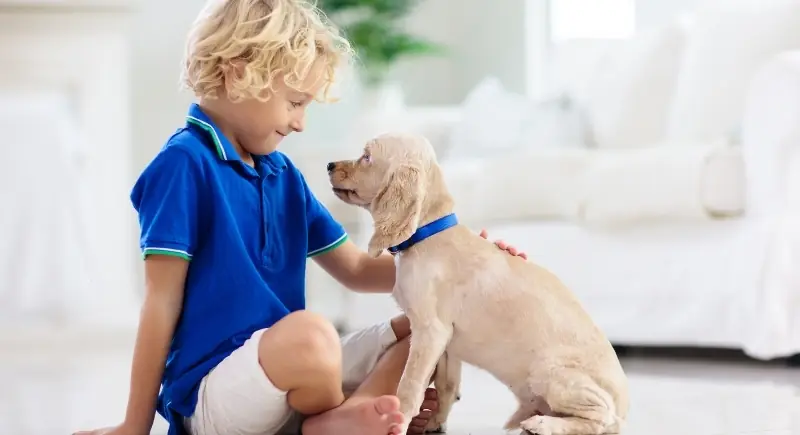
When someone isn’t feeling well, rough play often fades on its own. Dogs read posture, muscle tension, and energy during interaction. Slower reactions or weaker responses tell them to ease up. Many naturally stop jumping or pawing once they sense changes in how your body is moving.
Voice Tone Radar
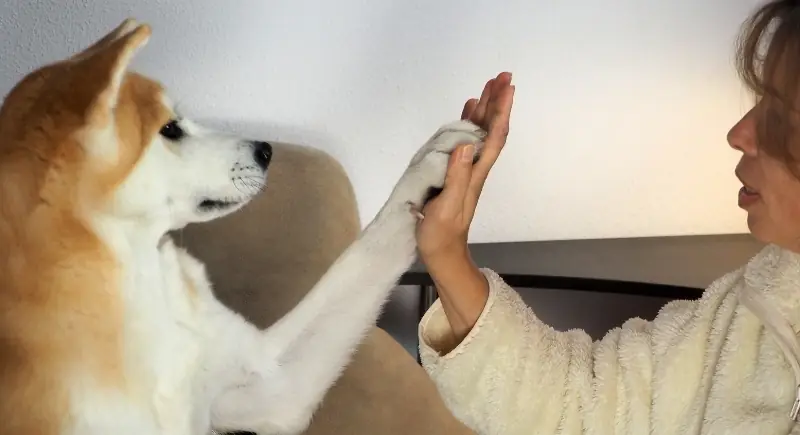
Even without understanding words, pooches read voice emotion well. They have brain regions that process emotional tone, similar to those in humans. Sickness often alters breathing strength and vocal energy. When voices sound tired or strained, many respond by staying closer or acting calmer.
Sleep Security Detail
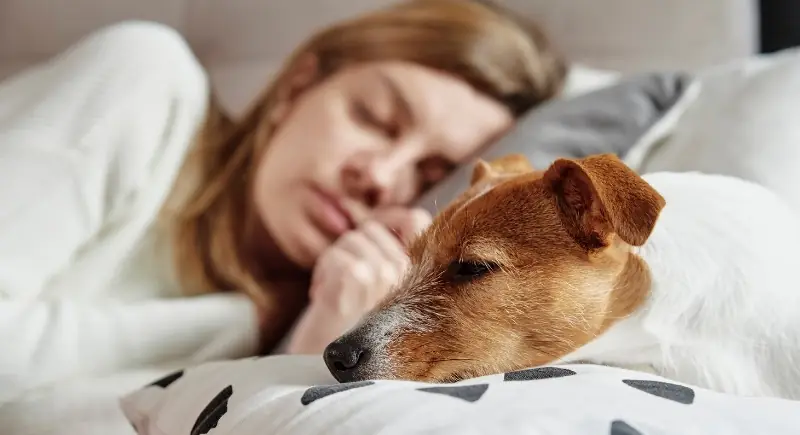
When ailments cause extra sleep, dogs often stay glued to their side. Lower movement levels make it easier to track breathing patterns. Therapy animals often lie next to hospital patients for the same reason. Staying close helps them keep track of their person’s physical state.
Hyper Focus On One Body Spot
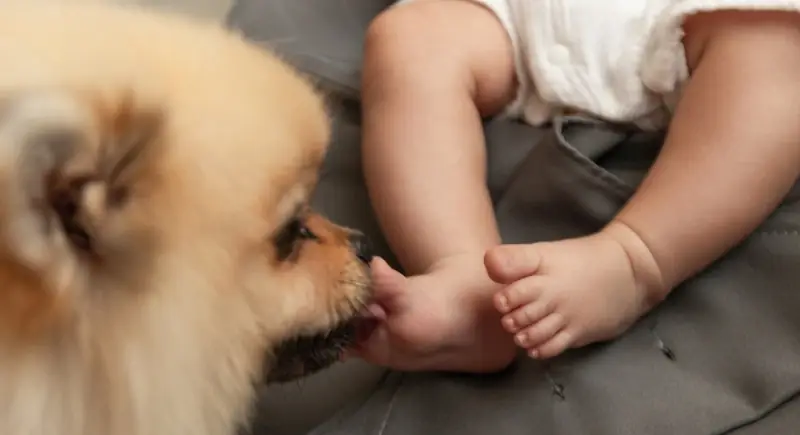
There are real reports of pups repeatedly licking or smelling a single body area that later turned out to be injured or infected. They can pick up subtle chemical odor shifts released by inflammation or infection in that area. This behavior cannot diagnose illness, but it shows how strong scent detection ability can be.
Built-In Stress Relief Buddy
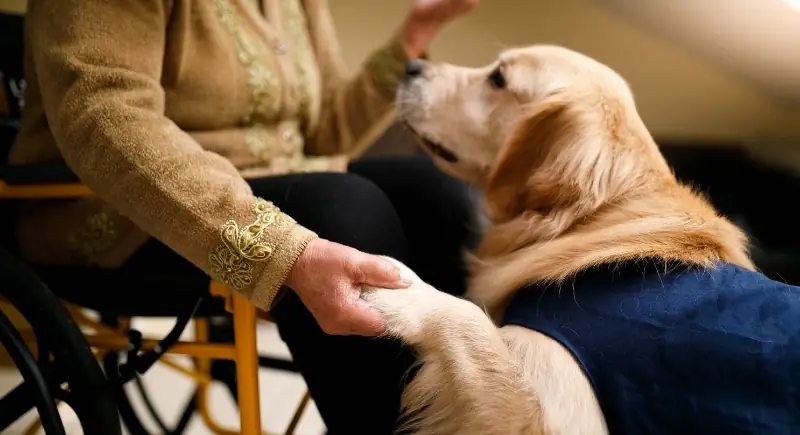
Science shows that interacting with pets can lower human stress hormones. Lower stress can support immune function during recovery. That’s why hospitals use therapy animals because calm companionship can support recovery by reducing stress-related physiological responses.





