
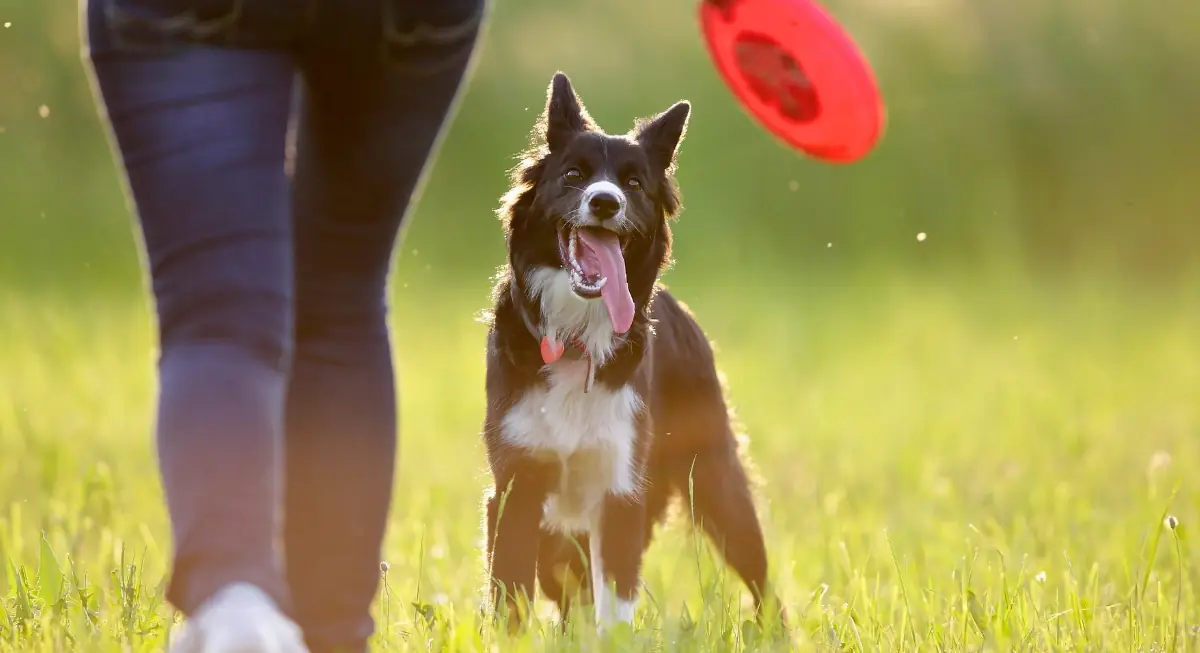
It’s easy to think you’ve maxed out your connection with your dog. You feed them, walk them, and share the couch. However, certain activities can still deepen mutual focus and responsiveness between the two of you.
Not everything needs to be about obedience or enrichment either, just doing things together, paying attention, and showing up in new ways can build a more trusting relationship. Here are some practical ways to do just that.
Canicross
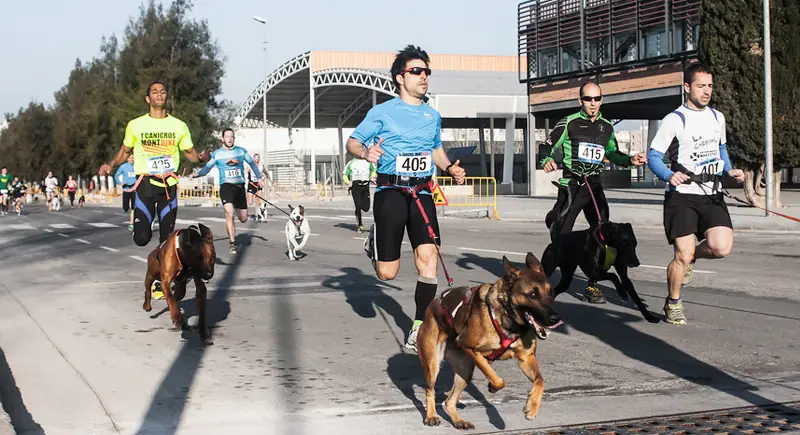
Running while connected to your dog by a bungee line requires a shared rhythm and communication you don’t get from regular walks. Your dog runs ahead in a harness, responding to your voice for direction and speed. It builds coordination and communication. Begin on quieter trails where there’s less noise and greater space to stay in sync.
Watching Wildlife Videos
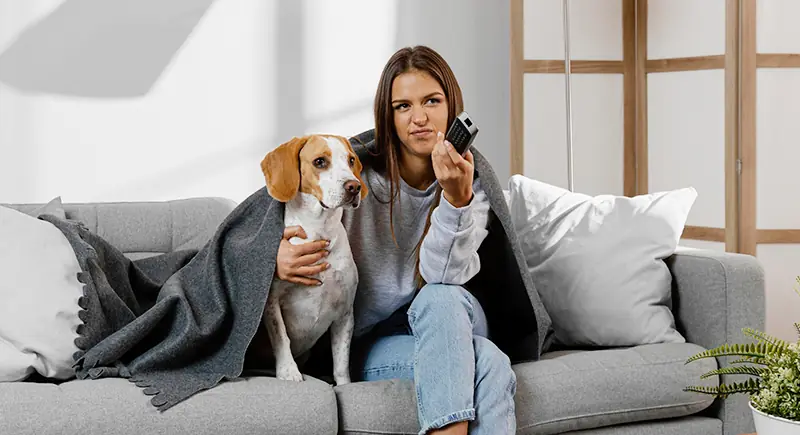
Play a short wildlife video with clear audio. A howling wolf, a distressed pup, or birds calling out can trigger strong, instinct-driven responses. Reactions can range from hyper-focus to vocalization or physical movement toward the screen. You learn which sounds register and how your dog communicates their reactions.
Dog Scootering
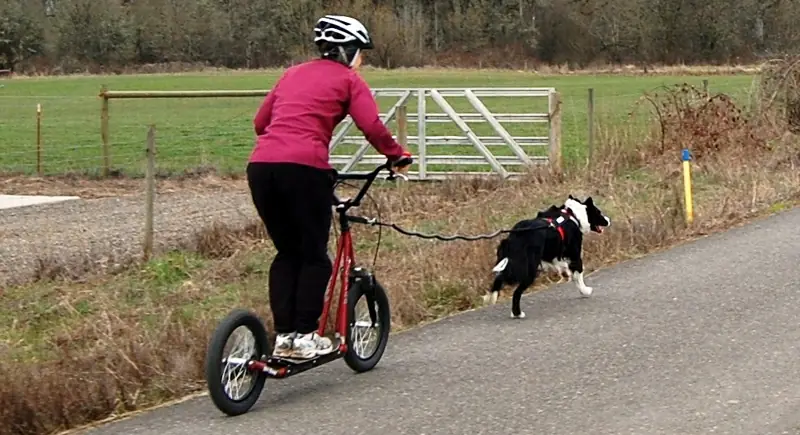
With the right gear, dog scootering can be a valuable physical and mental outlet. You ride while your dog pulls, responding to commands like “Gee” for right or “Haw” for left. It suits breeds with energy and stamina.
Dog Parkour
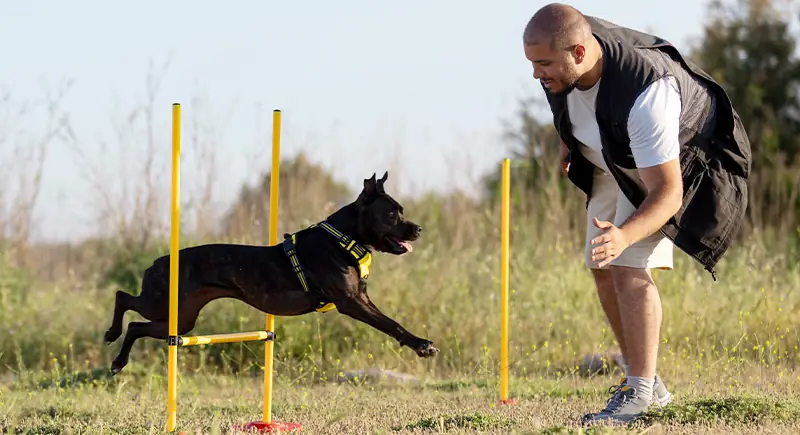
Dog parkour turns everyday surroundings into practice spaces. A bench becomes something to hop on. A short wall might be used for balance. Start with low-impact, familiar features for maximum comfort and confidence. You’ll likely begin seeing a rise in your pup’s attention span.
Heelwork to Music
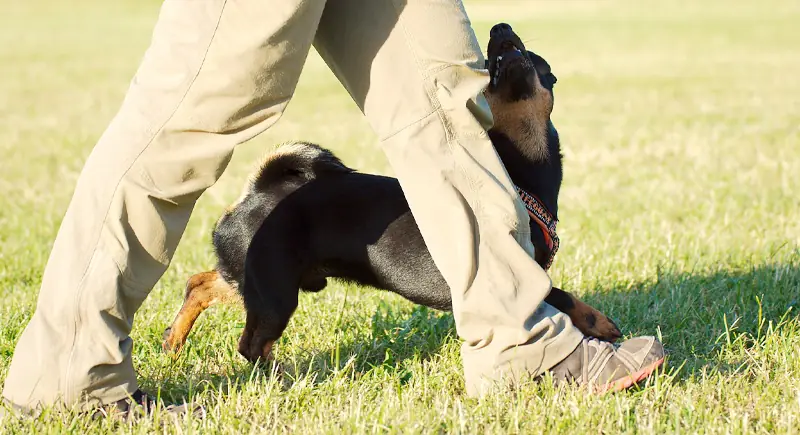
You teach individual tricks; circling, weaving through legs, backing up, and string them into a routine. The pacing, set to music, helps both of you stay connected. Once the flow is clear, this kind of detailed movement appeals to both attentive and headstrong dogs..
Hand Feeding
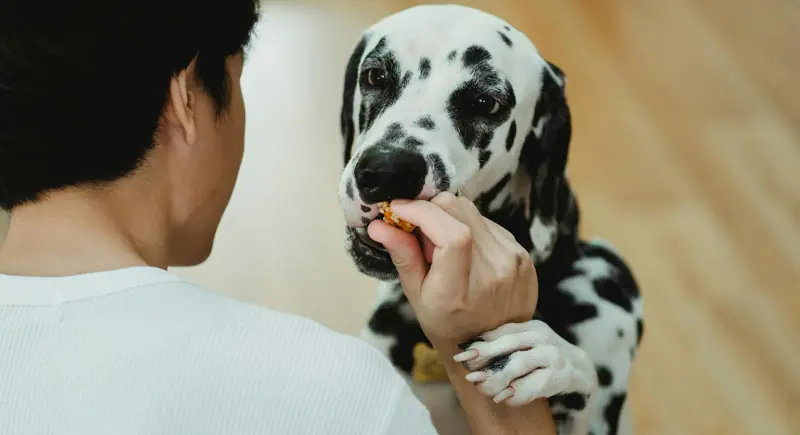
Instead of dropping food in a bowl, feed directly from your hand during quiet, low-stimulation times. If you’re working with a nervous or reactive pet, hand feeding can become a small, daily habit that strengthens their sense of safety in your presence.
Flyball
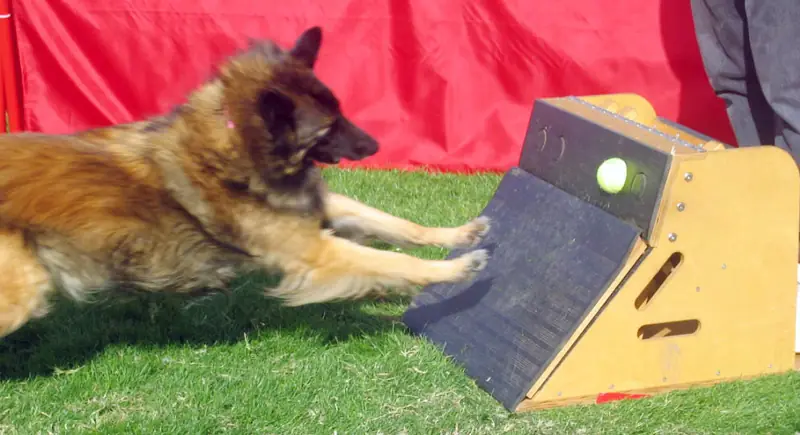
Fast-paced and team-oriented, flyball involves dogs running over hurdles, triggering a ball release, then racing back. It’s physically demanding and mentally stimulating, but what makes it useful for bonding is the reliance on timing, consistent structure, and sequencing. Repetition allows them to predict what’s next and execute with confidence.
Brushing
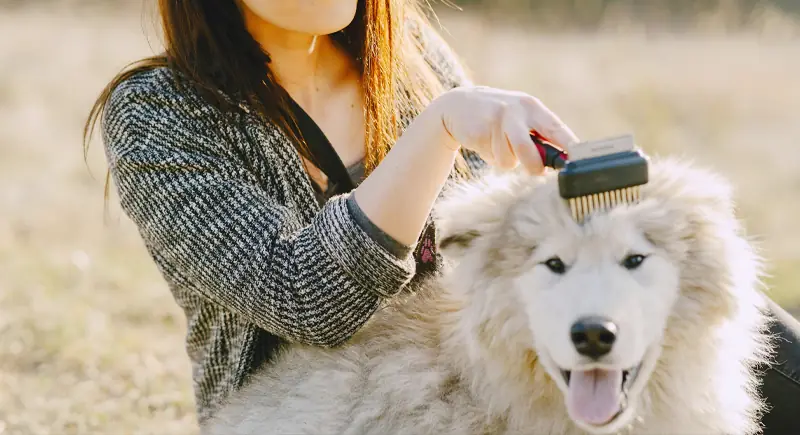
Regular brushing is a consistent tactile process that promotes touch acceptance. If your pet squirms during grooming or vet checks, daily brushing, even for a few minutes, can reduce that resistance. Pick a relaxed moment and stay steady, not fast.
Sprinkler Play
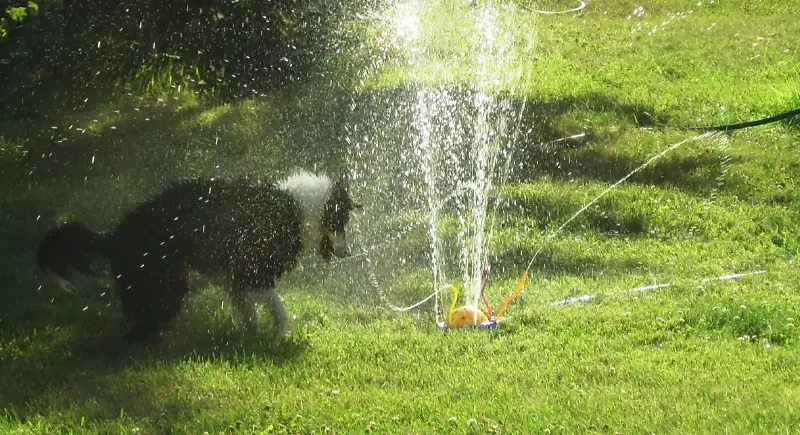
In warm weather, setting up a sprinkler can offer some playful relief. Let your dog approach it on its own terms. Some jump right in; others observe first. It encourages activity on days when the pavement is too hot for regular walks.
Frozen Treats

Make a habit of preparing frozen broth cubes or plain watermelon chunks. On hot days, serve them during a midday break. The novelty of cold textures helps slow their chewing and gives a cue to rest. It’s not complicated or expensive either.
Local Dog Shows
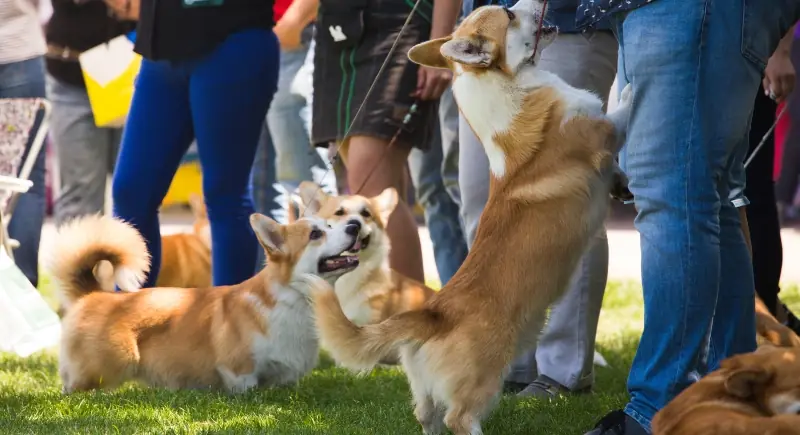
Community dog shows often include categories like best trick or waggiest tail. You don’t have to compete to attend. It’s a good way to gently introduce them to unfamiliar environments under supervision.
Disc Catching
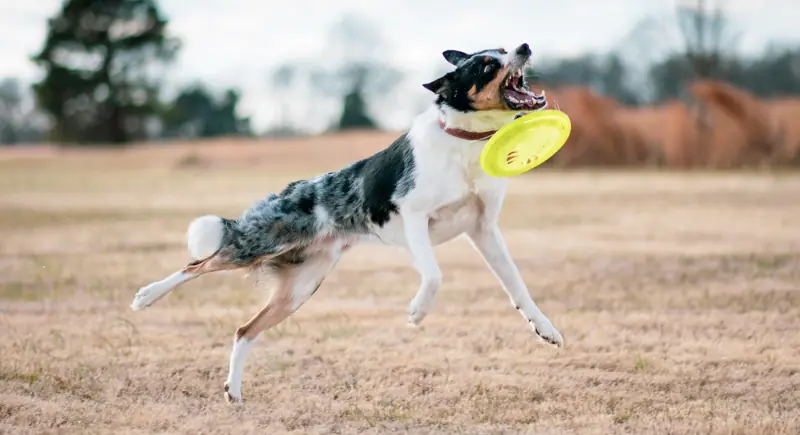
Disc catching helps dogs learn how to track, jump, and land in sync with your throws. Start close, with soft tosses. As accuracy improves, increase the difficulty to prevent boredom. It’s more technical than fetch and demands greater attention.
Skijoring
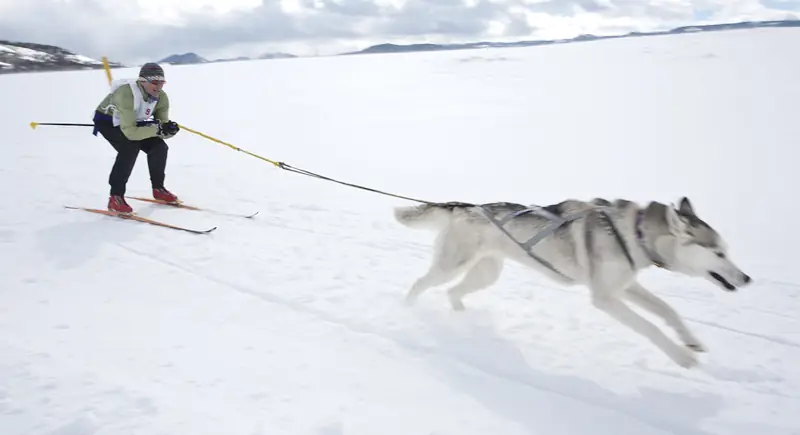
In this sport, your dog pulls while you ski. You still push with poles, but their actions keep things flowing. SSkijoring requires trust and stamina, so it’s best for active dogs already comfortable in harnesses.
Herding
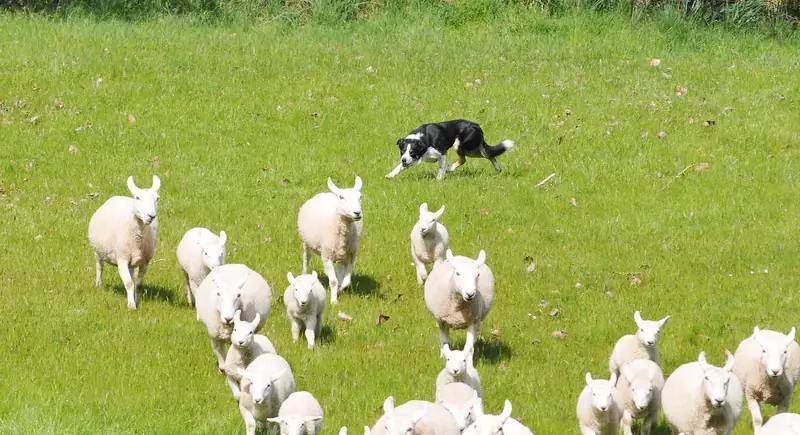
Some breeds have a natural desire to control movement. Herding trials give them space to use that instinct in a goal-based, supervised setting. The setup involves you, a dog, and a small group of animals, usually sheep. It also teaches delayed gratification and reinforces control under pressure.
Paw Handling
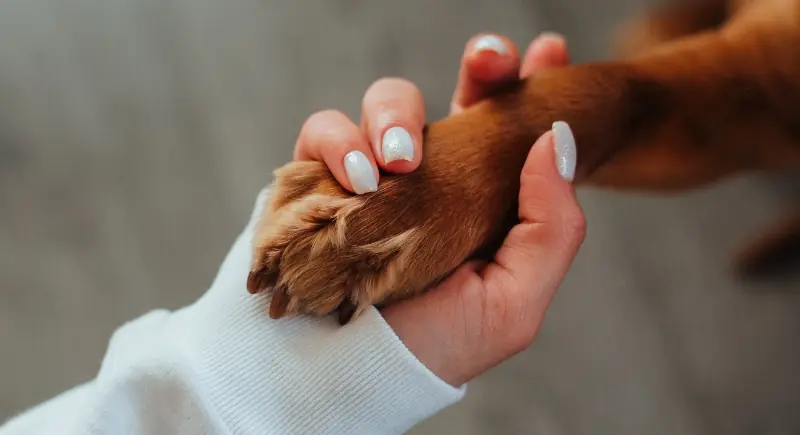
Dogs often resist paw handling because of past discomfort or a lack of gradual introduction. Don’t start with nail trimming. Instead, begin by gently holding a paw, then releasing. Add praise or a small treat. Repeat this daily, watching for more relaxed posture and reduced pulling away.
Scent Work
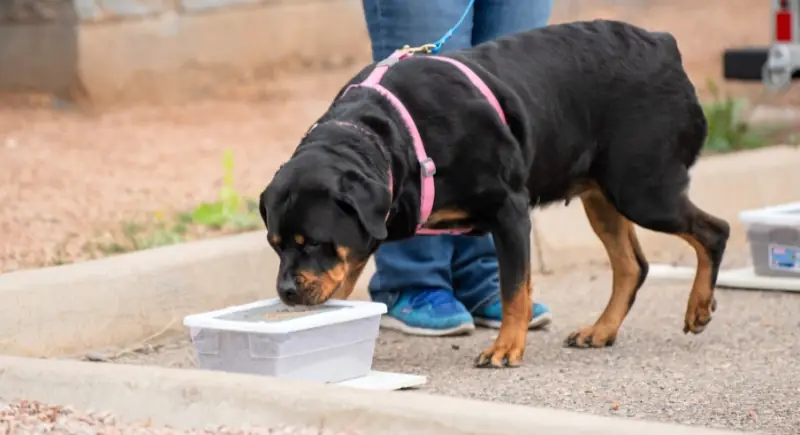
Hiding treats or favorite toys and letting your dog track them down taps into instincts most pets rarely get to use. Start simple by placing items in easy spots, then increase difficulty over time. Watching your dog work through scent trails builds focus, patience, and a quiet kind of teamwork that feels surprisingly rewarding.
Doga (Dog Yoga)
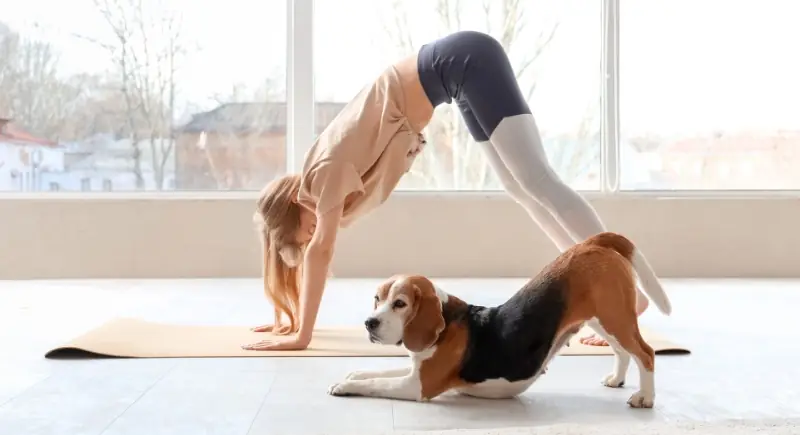
Doga blends gentle stretching with calm time alongside your dog. Some dogs will mirror movements or settle into the rhythm, while others just stay close and relaxed. Either way, the focus shifts to shared stillness and trust. It is less about perfect poses and more about slowing down together.





