
Every year, around 4.5 million people suffer dog bites in the U.S. alone, with 885,000 requiring medical attention. While any dog can bite, some breeds are more likely to cause severe injury due to their size, strength, and roles as guard or fighting dogs. For instance, the United Kingdom prohibits breeds like the Pit Bull Terrier and Japanese Tosa, citing safety concerns.
Governments enforce these bans based on bite statistics, fatalities, and insurance risks, but not everyone agrees with these laws. Some argue that training and ownership matter more than breed. Others insist that genetics play a role in aggression. Regardless of which side of the debate you’re on, these breeds have been banned or restricted in different parts of the world. Here’s why.
Pit Bull Terrier
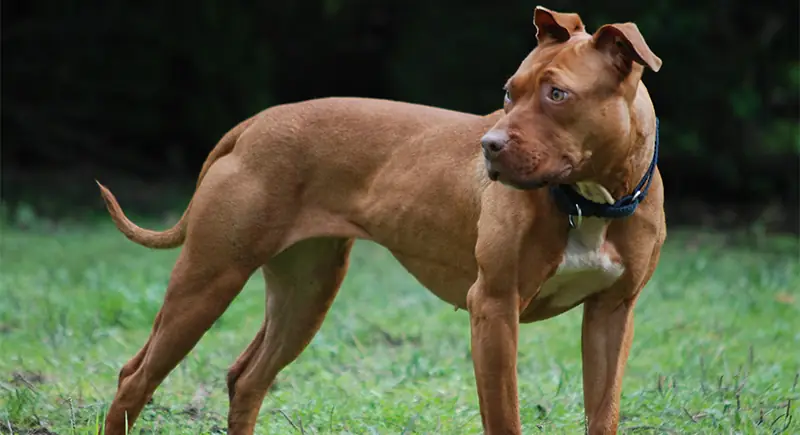
Many countries, including the UK, Canada, and Australia, have banned pit bulls due to their role in two-thirds of fatal dog attacks in the U.S. over a 13-year study. These muscular dogs have a natural instinct for fighting and were originally bred for the same reason. And while some are loving pets, their bite force of 235 PSI makes them dangerous in the wrong hands.
Japanese Tosa
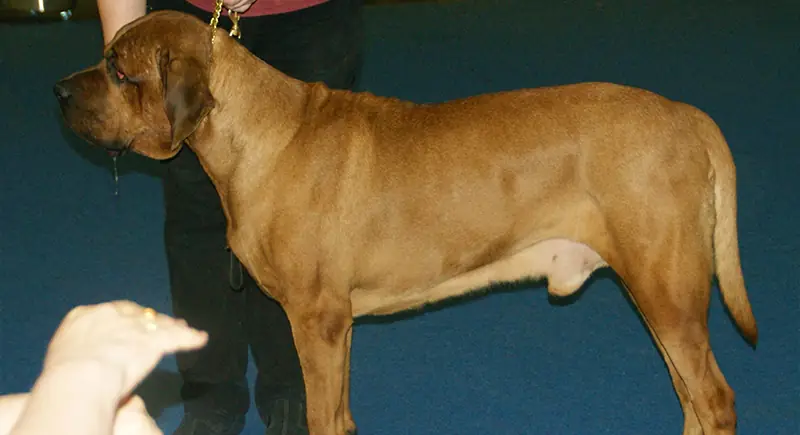
Japanese Tosas are the main dogs for sumo-style dog fighting. They remain illegal in Denmark, Norway, Australia, and the UK. These dogs have a powerful bite force. Some owners swear by their loyalty, but their training history raises safety concerns.
Dogo Argentino
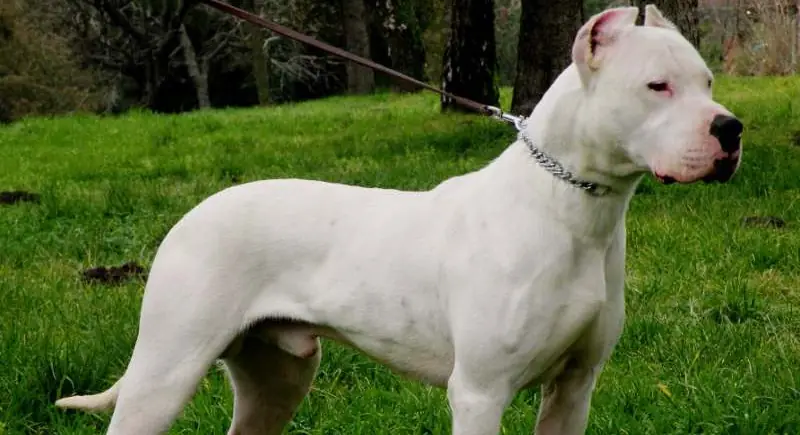
Argentina developed the Dogo Argentino to hunt wild boars and pumas. Its athletic build and dominant instincts have led to bans in New Zealand, Denmark, and the UK. These dogs require experienced owners, as their high prey drive makes them risky in untrained hands.
Fila Brasileiro
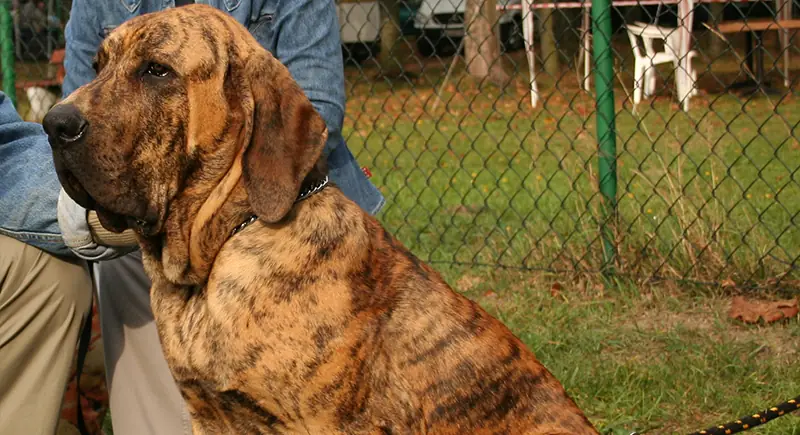
This one’s a guard dog that, unfortunately, many countries won’t allow. These dogs are more commonly known as the Brazilian Mastiff and can’t travel to Norway, New Zealand, and the UK due to their deeply ingrained guarding instincts. It forms strong bonds with owners but remains highly aggressive toward strangers.
Boerboel
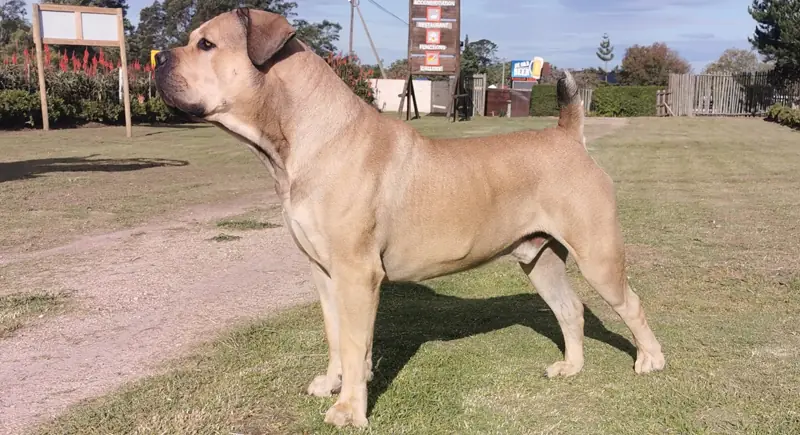
South Africa-bred Boerboels are powerful dogs often trained to protect livestock from predators. However, their usefulness is not valid in all countries. Their strength and aggression make them illegal in Denmark, Switzerland, and some U.S. cities. These 200-pound giants require structured training to avoid dangerous encounters.
American Bulldog
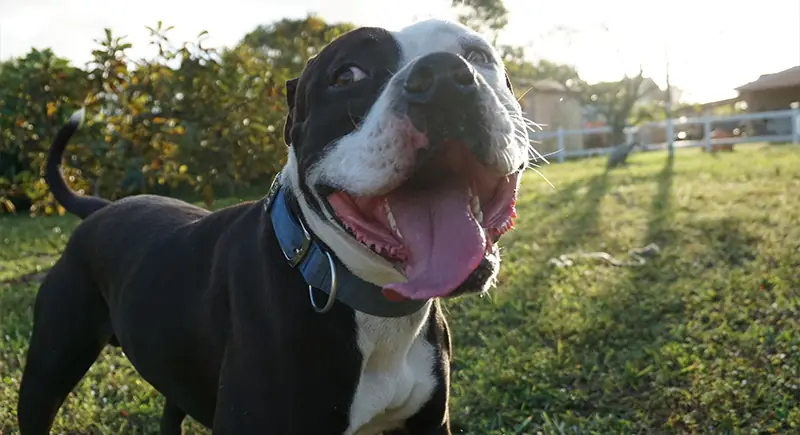
These dogs are not just strong and stubborn but also restricted in some countries. Not to be confused with the English Bulldog, this breed is larger, more muscular, and more territorial. It’s banned in Denmark and Singapore and restricted in parts of Australia and the U.S. They rank among the top breeds involved in serious bite cases.
Kangal
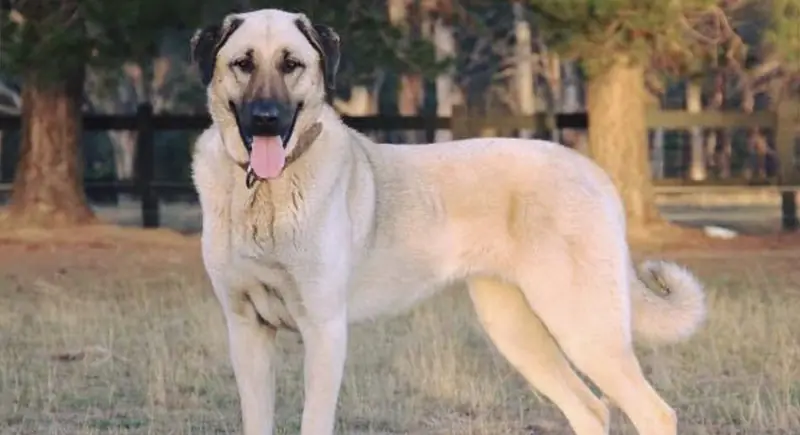
It’s not hard to imagine why the Kangal is banned in some countries. With a staggering 743 PSI bite force, the Kangal holds the record for the strongest bite of any domestic dog. They are commonly seen guarding livestock in Turkey but are restricted in Denmark and Ukraine due to concerns over unprovoked aggression.
Caucasian Shepherd
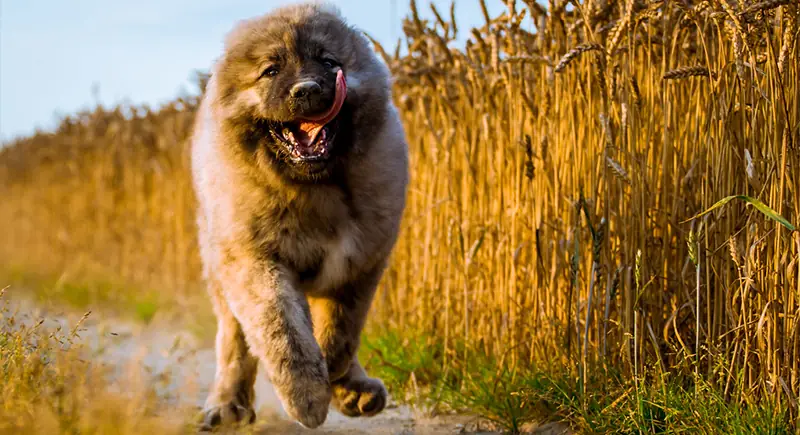
If you’d know a dog could take down wolves, you’d want to maintain your distance. Caucasian Shepherds, also called Ovcharkas, were bred to defend flocks from wolves and bears. Their immense strength and natural aggression mean they cannot enter Denmark and Singapore. These large dogs are also difficult pets because they require extensive socialization to prevent them from becoming uncontrollable.
Presa Canario
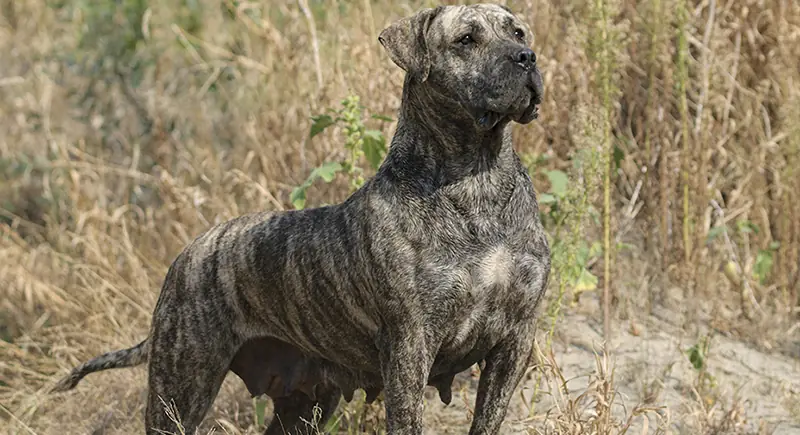
This fighting breed is also outlawed in a number of countries. Presa Canario, from the Canary Islands, was used for cattle herding and dog fighting. These strong dogs are one of the most powerful breeds with a territorial nature. Unfortunately, this is also why they are not allowed in Australia, New Zealand, and the UK.
Akita
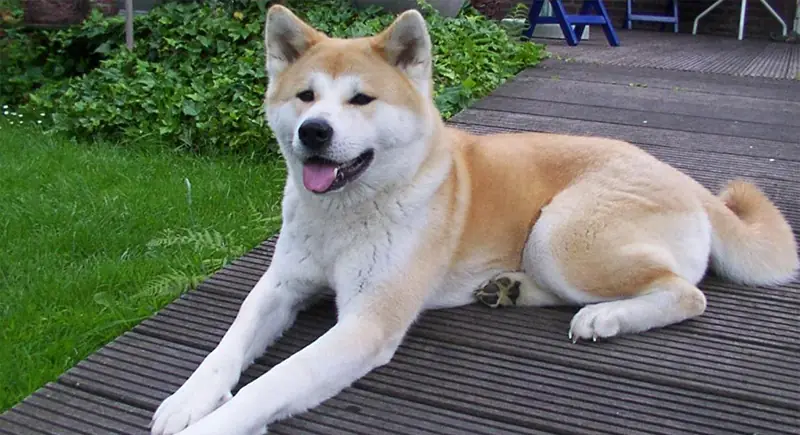
People love these dogs for their fierce loyalty and dominant nature. But when their instincts get out of hand, it can become quite messy. That’s precisely why these dogs are also restricted in Singapore, Spain, and Ireland. They require early socialization to prevent aggressive behavior.
Wolf Hybrids
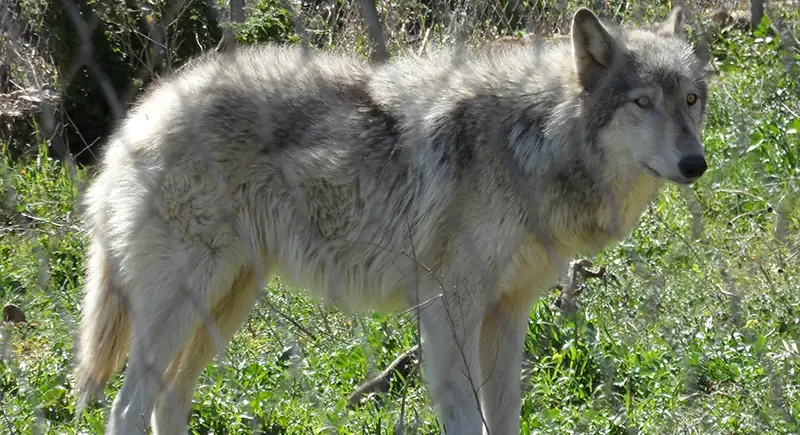
Some regions don’t cope well with the wild instincts of these dogs and, therefore, do not allow them in. These hybrids combine domestic breeds with gray wolves, which creates highly unpredictable behavior. Many states, including California and New York, ban or heavily regulate their ownership due to safety risks.
Doberman Pinscher
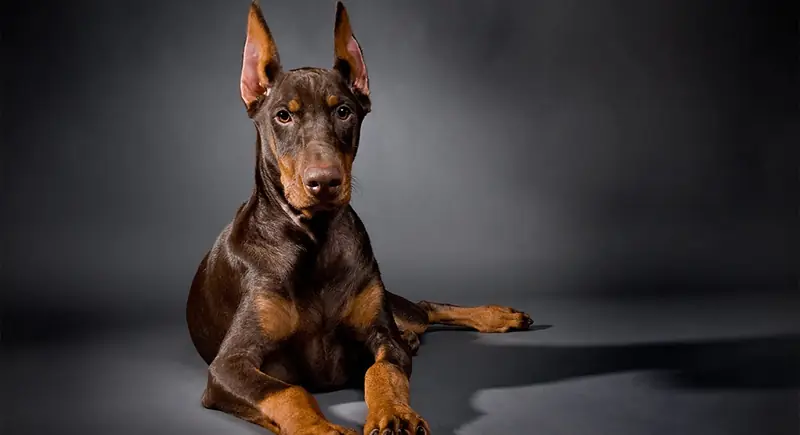
Doberman is another dog breed that you won’t find in Singapore, Poland, and Ireland. While they excel as guard dogs, their protective nature has earned them a bad reputation. Their 600 PSI bite force ranks among the highest, and their sharp instincts make them quick to react. Without firm leadership, they can misinterpret threats and respond aggressively.
Alaskan Malamute
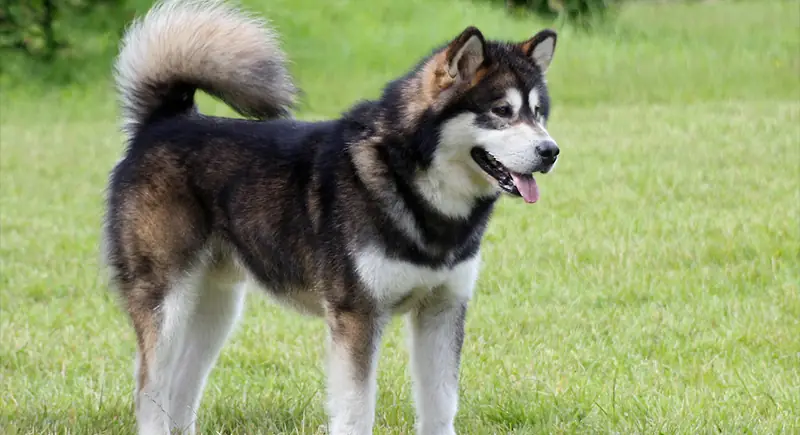
Most people can’t see huskies as dangerous animals, especially not when they are puppies, but these sled dogs actually have a high prey drive. Their independent streak, combined with several incidents, has led to bans in Ireland and Ukraine. Proper training is crucial to controlling their unpredictable aggression.
Chow Chow
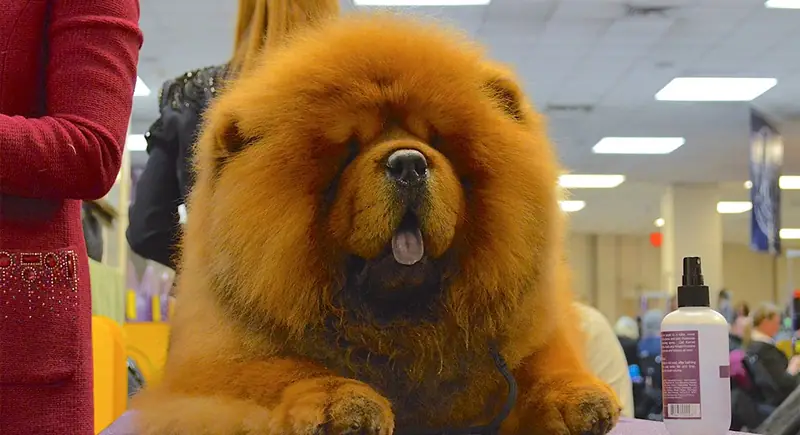
This small dog, with its fluffy lion-like appearance, can be surprisingly aggressive. In fact, they have a reputation for unprovoked aggression. Bans exist in Denmark, the UK, and some U.S. cities. According to one study conducted over a 32-year study period, Chow Chows were responsible for attacking 61 people, including 37 children. Their independent nature makes them less obedient than other breeds and increases the risk of bites.
Rottweiler
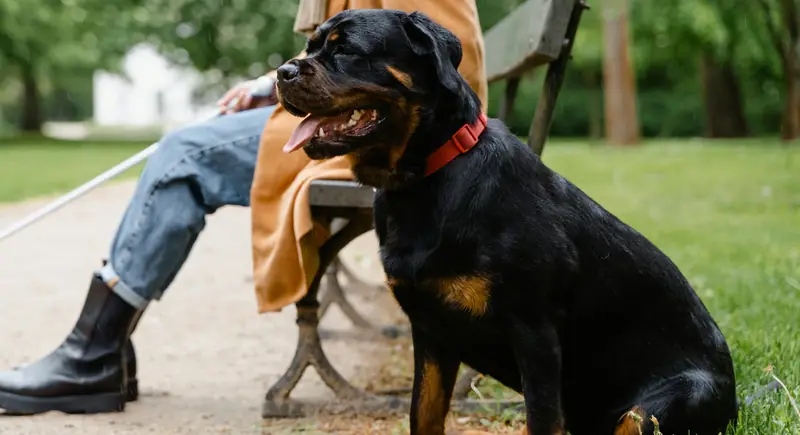
Rottweilers rank second in fatal dog attacks in the U.S. and were found responsible for 45 recorded deaths in one study. Many cities and countries, including Romania, Ecuador, and Ireland, enforce heavy ownership restrictions over these dogs. It’s best for experienced trainers to deal with them.
American Staffordshire Terrier
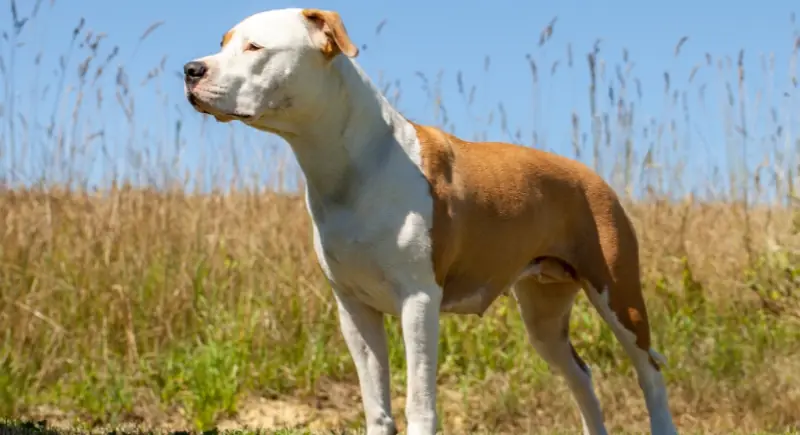
The American Staffordshire Terrier often ends up on restricted breed lists because of its muscular build and shared ancestry with other fighting dogs. Some regions worry about its potential strength in a worst-case scenario, even though many owners describe this breed as affectionate and eager to please. It simply requires responsible handling and thoughtful training.
Bullmastiff
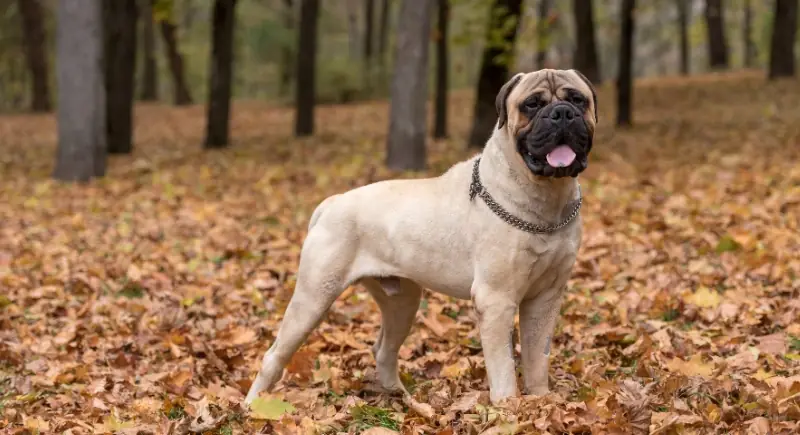
The Bullmastiff’s history as a powerful estate guardian has led some cities to place limits on ownership. Its size alone can intimidate, and when poorly trained, it can be difficult to control. Despite this, many families praise its calm, loyal nature. Strong leadership and consistent training make all the difference with this gentle giant.





