
Moving can be stressful, especially when you’re bringing your dog along for the ride. Some breeds adapt better to new places than others, and if you’re constantly on the move, you’ll want a pup that thrives in any environment. Luckily, there are breeds that are naturally more flexible and easygoing.
Poodle (Standard, Miniature, and Toy)
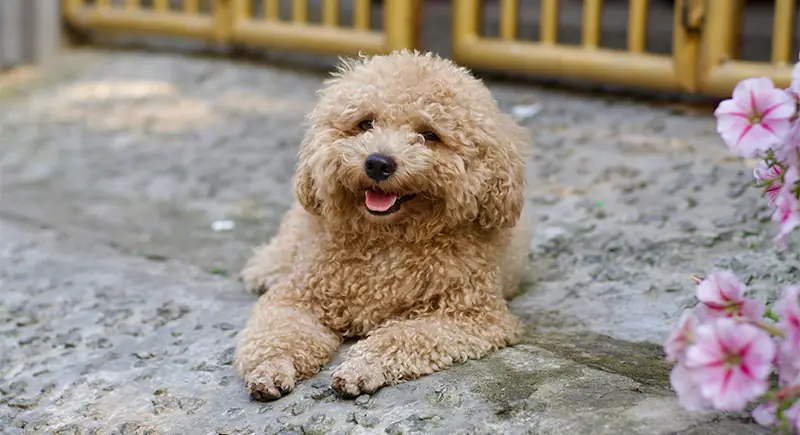
Poodles are known for their remarkable intelligence and versatility. They are an excellent choice for mobile households. This breed is available in three sizes, all of which can fit into diverse living spaces. They easily adjust to new environments, and their hypoallergenic coats are also a great benefit for allergy sufferers.
Labrador Retriever
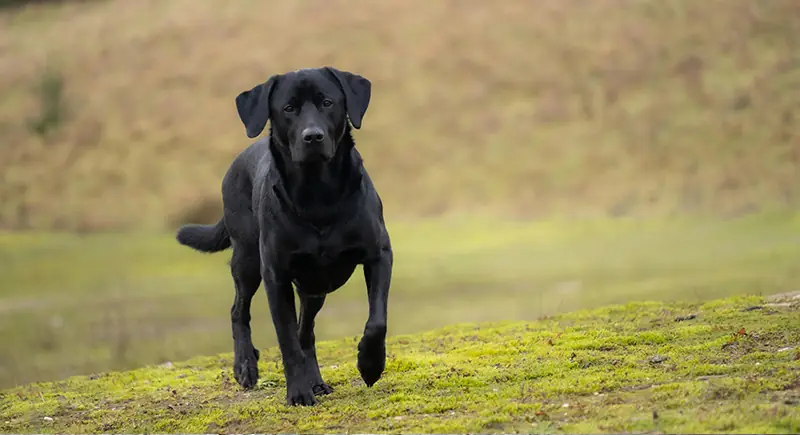
Labrador Retrievers are exceptionally adaptable companions. Their inherent love for people and easygoing nature make them suited for any home, from city apartments to country houses. Labs thrive on family involvement and activity.
Cavalier King Charles Spaniel
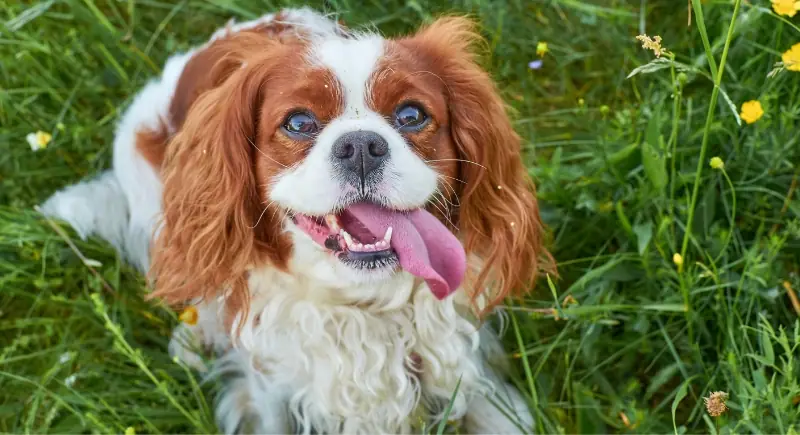
If you’re looking for a dog that’ll feel right at home no matter where you land, the Cavalier King Charles Spaniel is a top pick. These small, affectionate dogs prioritize companionship above all else. Their easygoing temperament means they’ll settle into any living situation as long as they’re with you.
German Shepherd
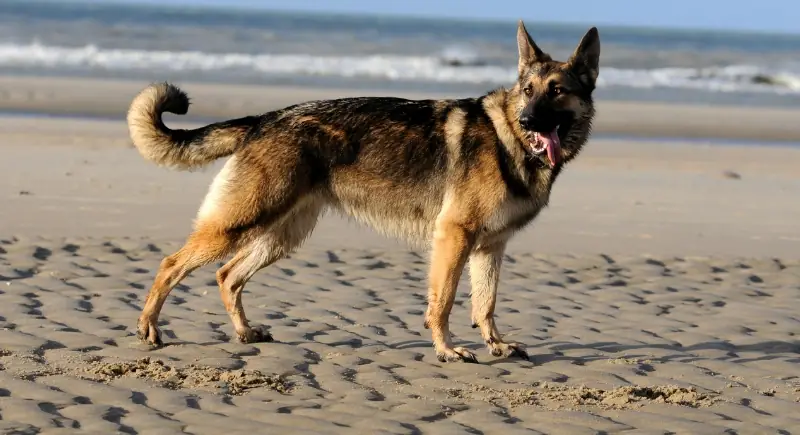
For active families on the move, the German Shepherd stands out. These loyal, intelligent, and highly adaptable dogs adjust well to new homes when provided proper training and exercise. They are a capable, steadfast companion, well-suited for owners needing a dog that can truly keep up with life’s constant changes.
Shih Tzu
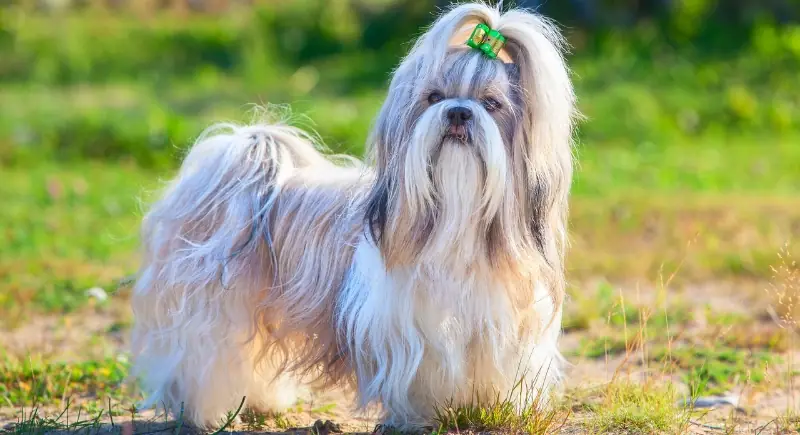
Shih Tzu is known for its calm nature, which makes it easy for them to adjust to new environments. Shih Tzus have been companions for centuries, originally bred for Chinese royalty. Despite their royal roots, they’re surprisingly low-energy, often content to lounge around the house. They love human companionship and are typically just as happy on short walks as they are cuddled on the couch.
Golden Retriever

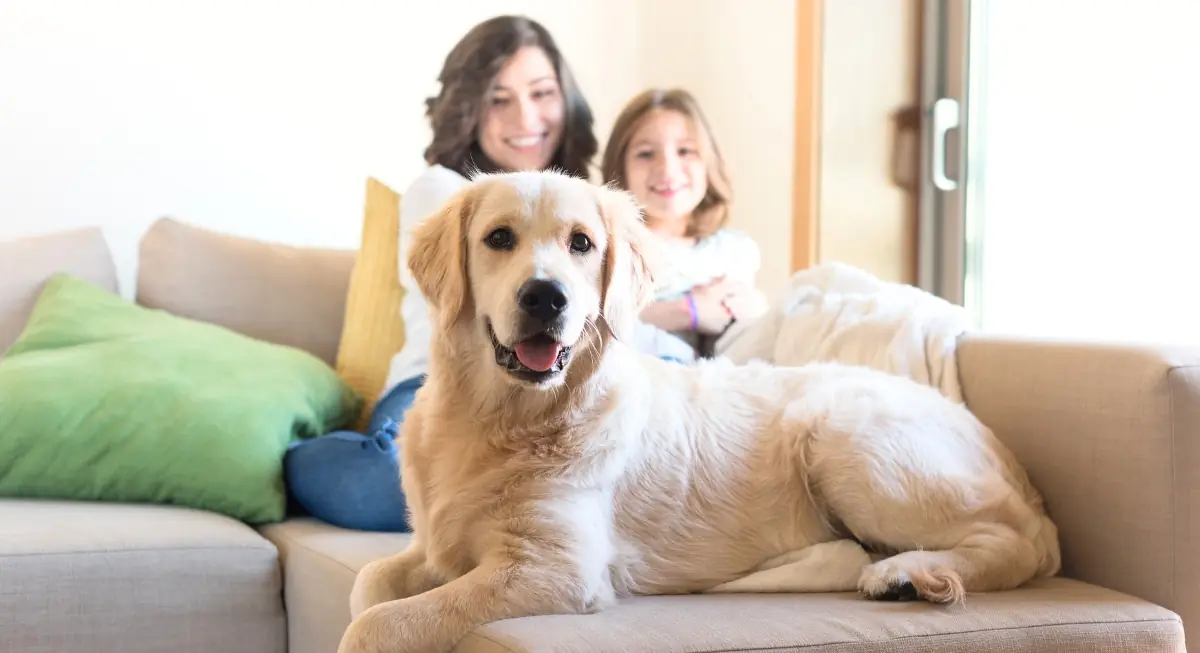
Golden Retrievers are easy to live with, thanks to their laid-back temperament. They’re naturally friendly, which helps them quickly adjust to new places. These dogs thrive on human interaction, so moving with one often feels like a smooth transition. Golden Retrievers are also consistently ranked among the most popular dog breeds in the U.S. due to their loyalty and gentle disposition.
Australian Shepherd
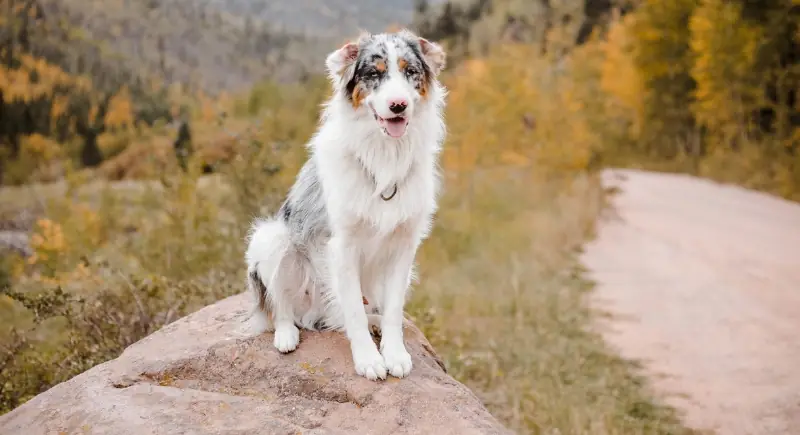
Australian Shepherds can be fantastic for families with an active, frequently relocating lifestyle. Their boundless energy and sharp intelligence mean they genuinely love having a “job” to do. Aussies adapt capably as long as their significant needs for mental and physical engagement are consistently met in any new place.
Pug
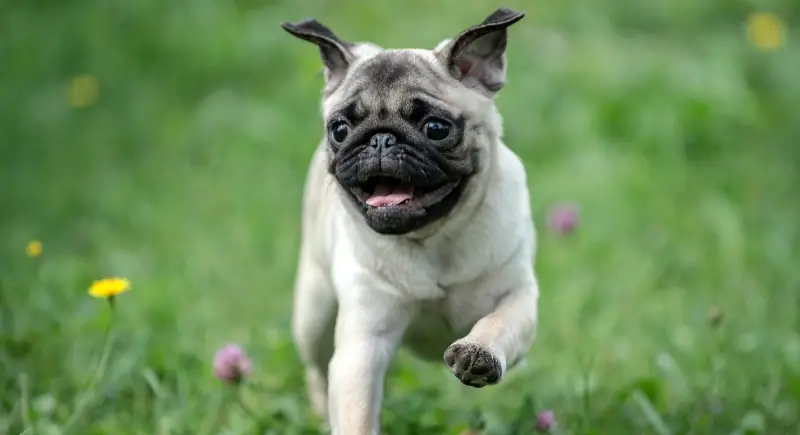
Most people love pugs for their loving and low-maintenance nature. Despite their small size, Pugs are adaptable, easygoing companions. Pugs are happy in smaller living spaces like apartments or larger homes. While they don’t require intense exercise, they do love their daily walks.
Mixed Breed Dogs
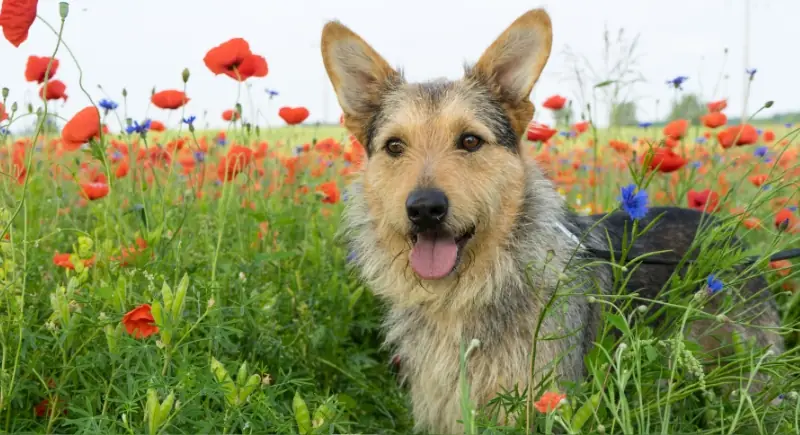
Don’t overlook Mixed-Breed Dogs when considering adaptable companions. These canines offer a unique mix of personalities and traits. Their varied genetic backgrounds often provide natural flexibility for diverse living situations. Mutts frequently adjust quickly, and their diverse genetics potentially contribute to robust health.
Boston Terrier
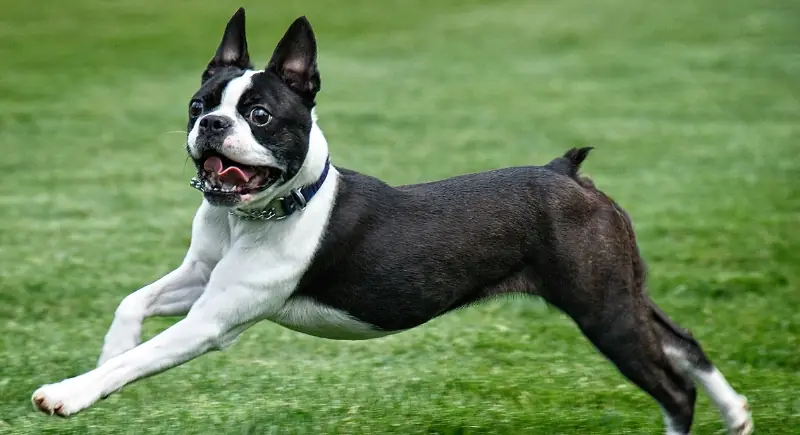
Boston Terriers are well-suited for small spaces due to their compact size and laid-back attitude. They’re affectionate and enjoy a good play session, but don’t require excessive exercise or space. These dogs are content as long as they’re with their family. The Boston Terrier is often described as a “big dog in a small body,” thanks to their lively yet adaptable nature.
Border Collie
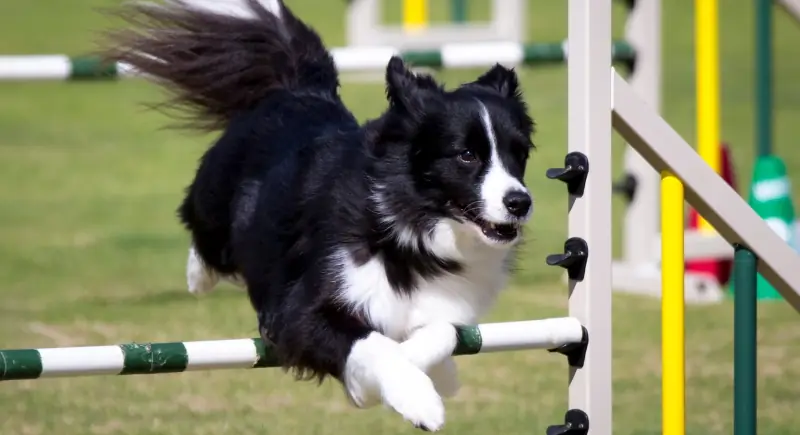
Border Collies are undeniably intelligent and excel when they’re mentally and physically challenged. While they require a good amount of space and daily exercise, they can adapt to smaller living conditions as long as their active lifestyle is maintained. Border Collies like activity, so if your family is always on the move and enjoys outdoor activities, this breed will thrive alongside you.
Cocker Spaniel
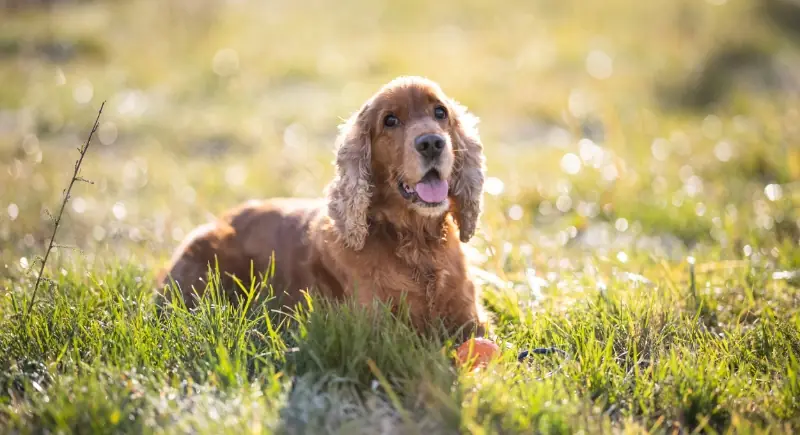
Cocker Spaniels were originally bred to hunt game birds, which gave them a balanced mix of energy and attentiveness. Today, that translates into a dog that’s equally happy on a long walk or curled up at your feet. At 20–30 pounds, they’re easy to manage in smaller homes or apartments. Their steady temperament helps them adjust to new settings without much fuss, even during frequent moves.
Havanese
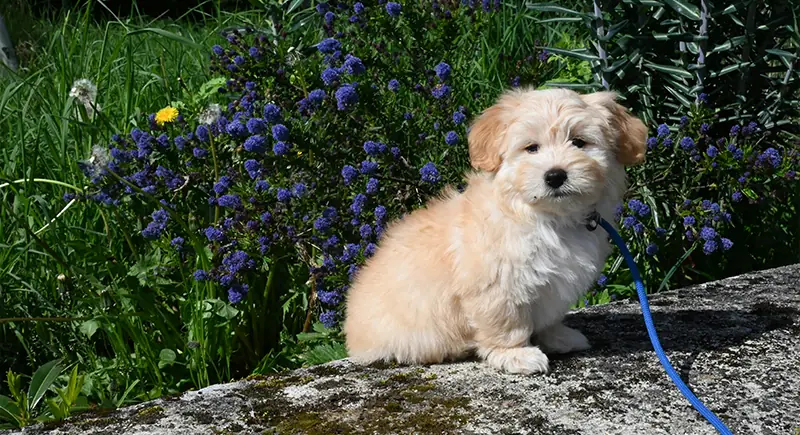
The Havanese is Cuba’s national dog, bred for companionship rather than work. That background shows in their personality: they thrive on human interaction and adapt easily to new routines and surroundings. Their small size (typically under 15 pounds) makes travel simple. They’re also known for being good with kids and other pets, which helps when families relocate.
Papillon
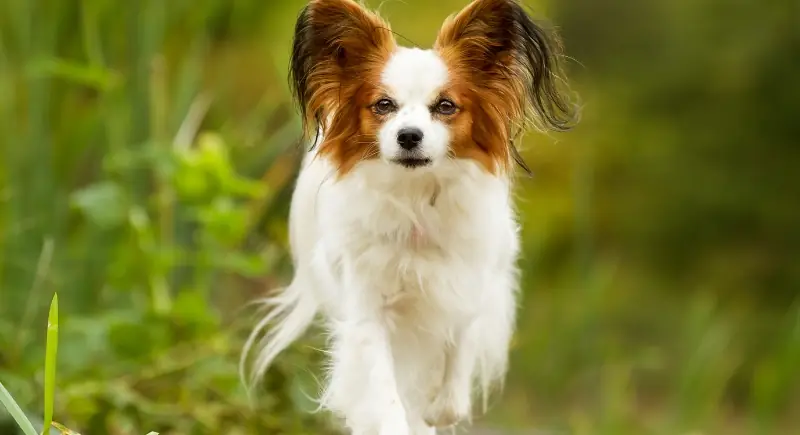
Named for their butterfly-shaped ears, Papillons are small but quick and alert. Originally bred as companion dogs for European nobility, they’re comfortable in close quarters and easily adjust to changes in setting. Their intelligence and curiosity make them fast learners, whether it’s a new home or a new routine. Though light on their feet, they enjoy staying active with their owners.
Italian Greyhound
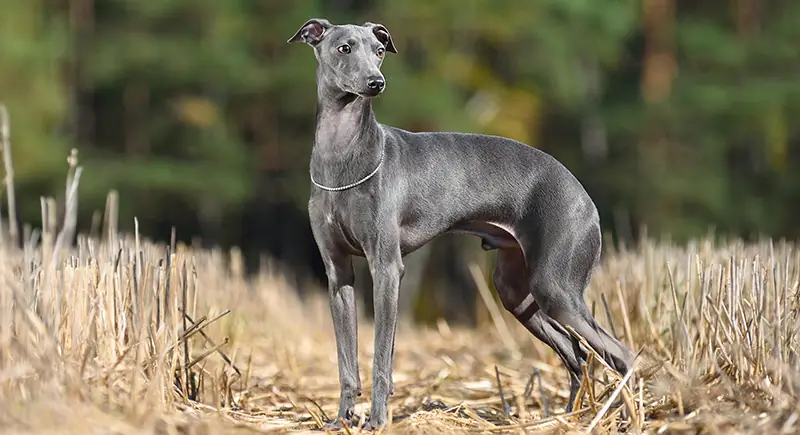
Italian Greyhounds pack travel size and drama into one tiny frame. They fit well in apartments, need regular walks and play, and bond hard with their person. New place? New couch. Same lap. Keep them warm, keep them leashed outside, and this little shadow can move with you.
Whippet
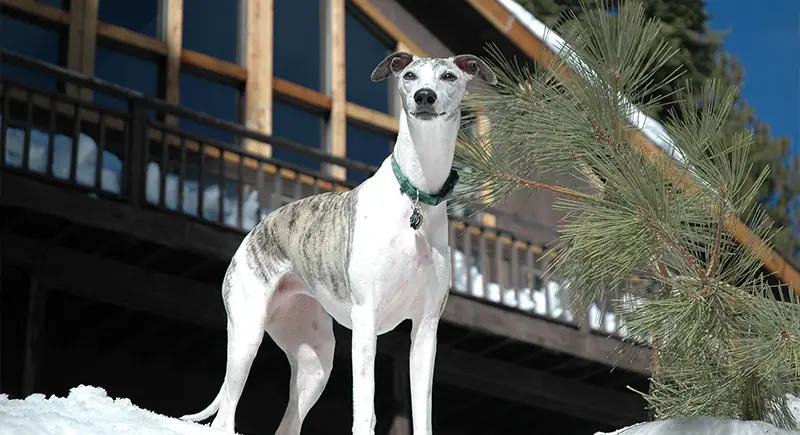
Whippets look built for speed, but at home they can become couch art. Give them exercise, a safe fenced sprint, and a soft bed, and they handle smaller spaces better than their racehorse shape suggests. Moving day may rattle them, but routine, walks, and your familiar voice help.





