
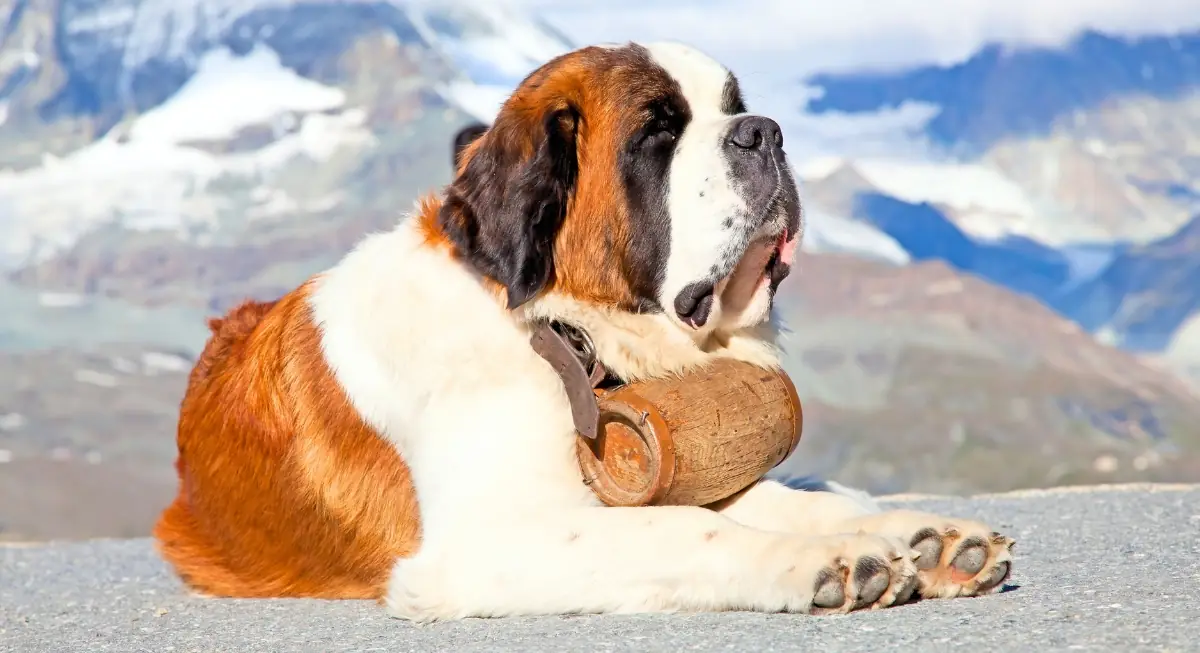
Most dog breeds are known today for their looks or temperament, but that was never the point when they were first developed. They were shaped to meet very specific needs, from guarding property and herding livestock to tracking, hauling, or working in harsh conditions. Those early roles still show up in their behavior, even now, long after most of those jobs disappeared from everyday life.
German Shepherd
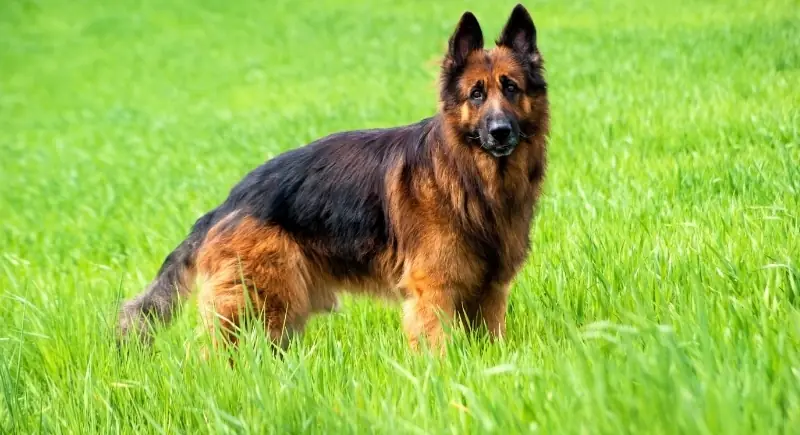
Farmers in late nineteenth-century Germany needed a dog that could think independently while following commands precisely. Captain Max von Stephanitz formalized the breed after identifying those traits in working sheepdogs. The resulting focus, nerve, and discipline later proved helpful far beyond farms, which explains why German Shepherds still dominate demanding roles today.
Pug
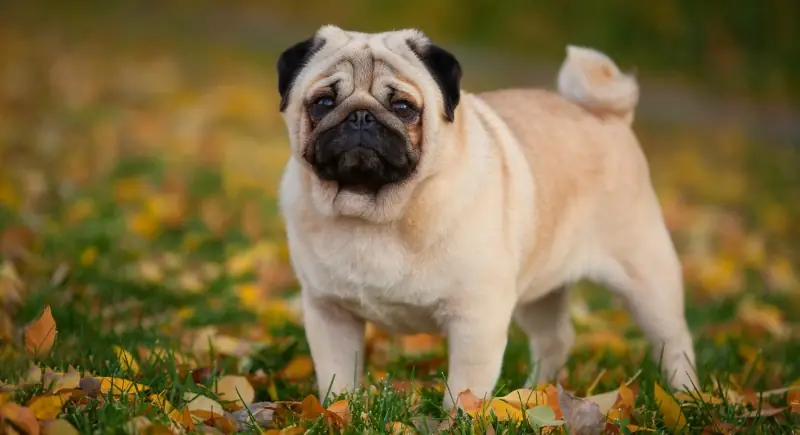
Despite their expressive faces, Pugs were never bred for work. In ancient Chinese courts, their role centered on companionship, status, and constant proximity to people. Short muzzles and compact bodies suited indoor palace life. That origin still shapes the breed, which remains most comfortable when its primary job is simply staying close.
Saint Bernard
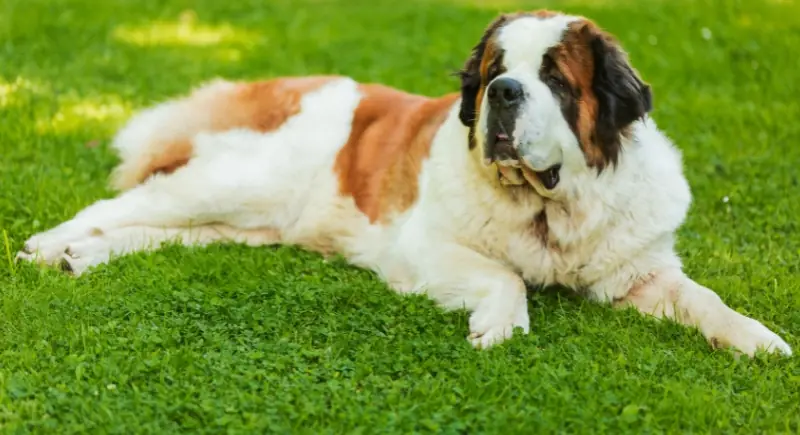
Snow, altitude, and isolation defined the Great St. Bernard Pass. Monks kept large dogs there to guard travelers, but their size and scent ability soon proved helpful in rescue. Saint Bernards were trained to locate people buried in snow and provide warmth until help arrived. Those instincts persist even in the absence of alpine emergencies.
Dalmatian
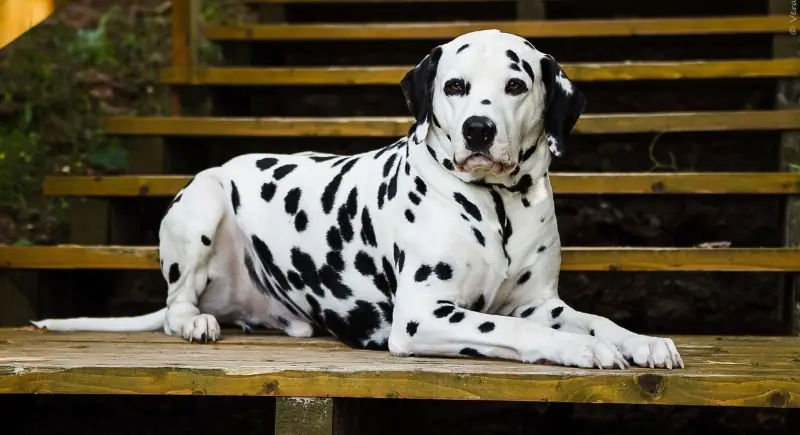
A horse-drawn coach moving for hours needed protection and order. Dalmatians filled that role by running alongside carriages, deterring threats and calming horses during stops. Their endurance mattered more than speed. That original pacing requirement clashes with modern sedentary life, which is why the breed struggles without structured movement.
Pomeranian
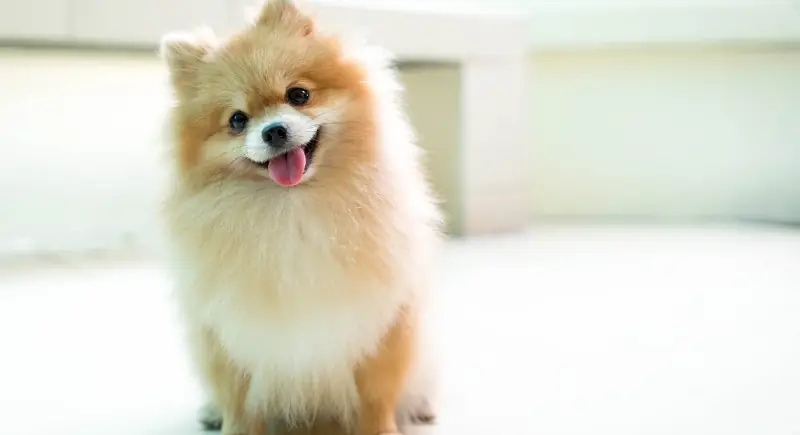
The modern Pomeranian may be tiny, but its confidence comes from much larger roots. The breed descends from sturdier working dogs built for cold weather in the Pomerania region. Over time, selective breeding, especially during Queen Victoria’s era, dramatically reduced their size. Strength gave way to portability, but the bold personality remained largely unchanged.
Border Collie
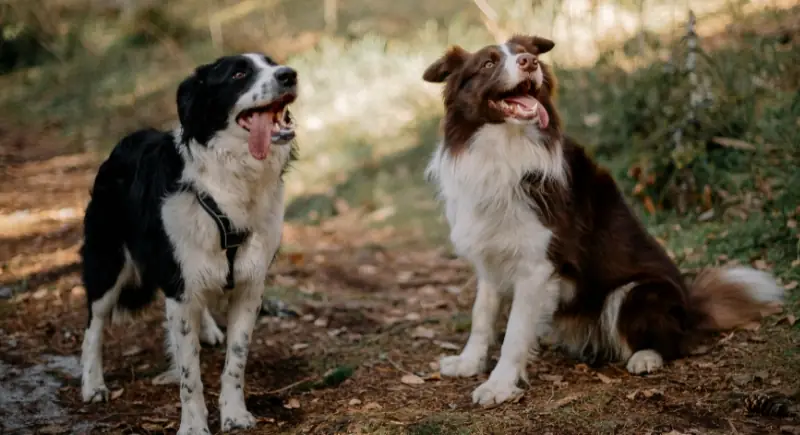
That intense stare is the giveaway that Border Collies were bred along the rugged borderlands of Scotland and England to control sheep spread across expansive terrain. Farmers needed dogs that could think independently at a distance. Without livestock to manage, that same mental drive often has nowhere to go, which can show up as restlessness in modern homes.
Golden Retriever
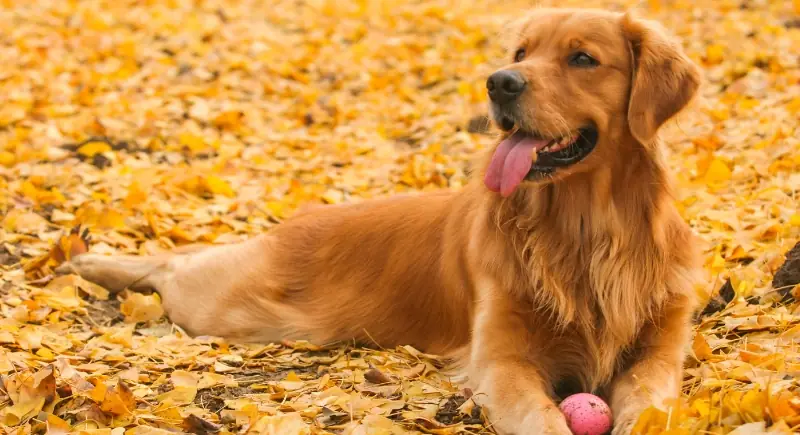
Retrieving waterfowl demanded precision, and that’s why Scottish gamekeepers needed dogs that could wait calmly, swim confidently, and return birds without damage. Golden Retrievers were shaped for that exact sequence. Their patience and soft mouths still define them today, even when the task has shifted from hunting marshes to guiding people.
Great Dane
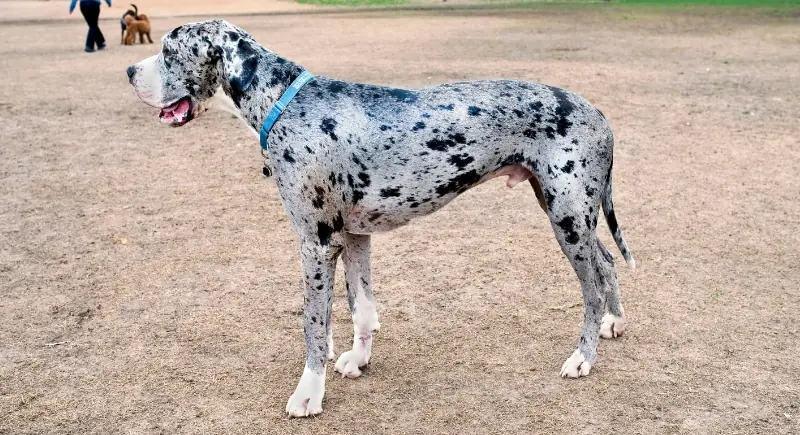
Size came first, temperament came later, as early Great Danes were bred to confront wild boar, relying on reach, speed, and intimidation rather than subtlety. When that role disappeared, the breed’s physical scale remained while its daily purpose changed. Modern Danes carry the body of a hunter into environments that rarely demand confrontation.
Rhodesian Ridgeback
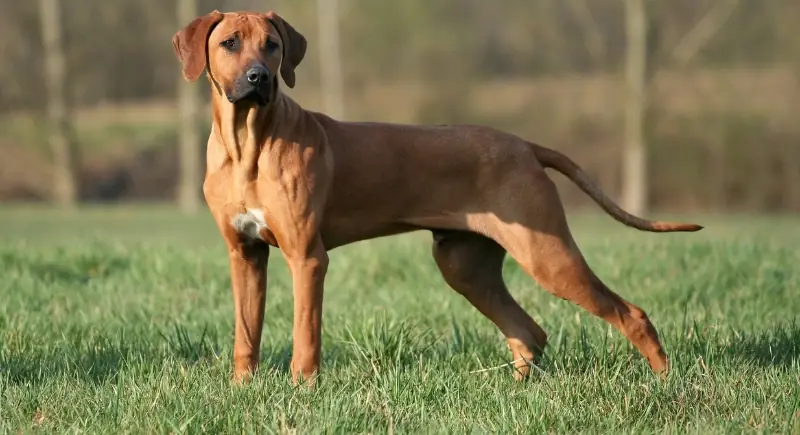
Open terrain shaped this breed more than human instruction because ridgebacks worked far ahead of hunters, tracking lions without constant direction and making decisions alone. That history favors self-reliance over compliance. Even today, the breed tends to pause, evaluate, and choose its response, reflecting a past where hesitation or blind obedience carried real risk.
Poodle
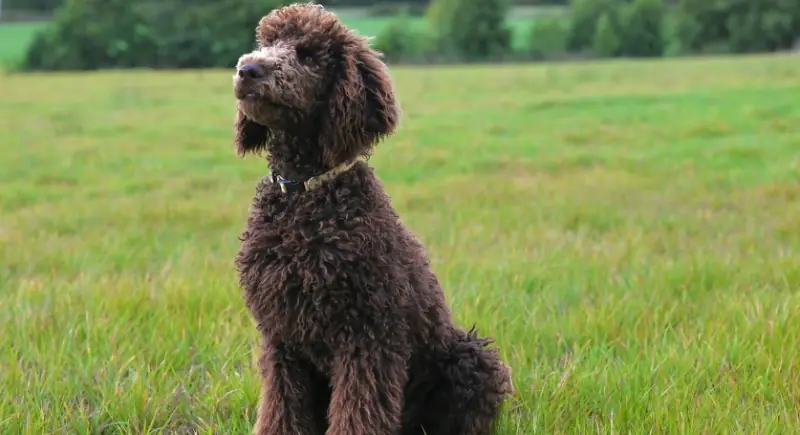
Before shows and styling, hunters needed a dog that could enter cold water repeatedly and return with game intact. Coat clipping reduced drag, while intelligence supported complex training sequences. Those practical choices produced a breed whose problem-solving ability remains central, even as the original work faded from daily life.





