
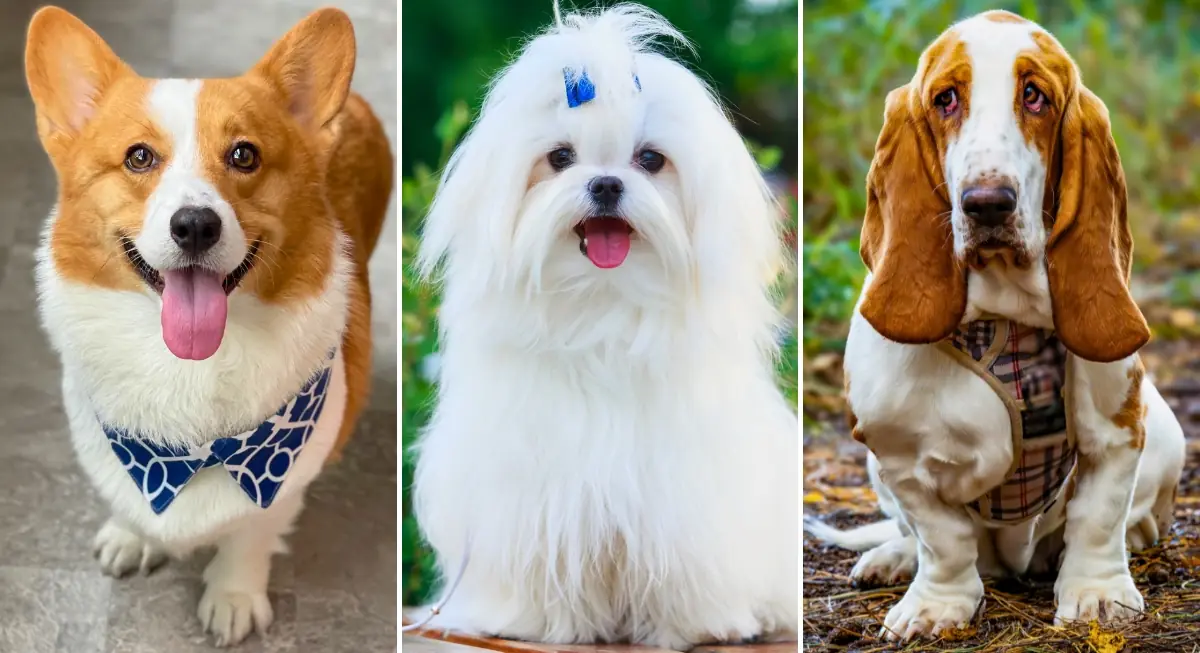
Summer water spots can make it seem like every dog is a natural swimmer, but that assumption causes more trouble than most owners expect. Swimming depends on body balance, breathing, stamina, and even coat behavior, not enthusiasm alone. These popular breeds face hidden disadvantages once the ground drops away.
English Bulldog
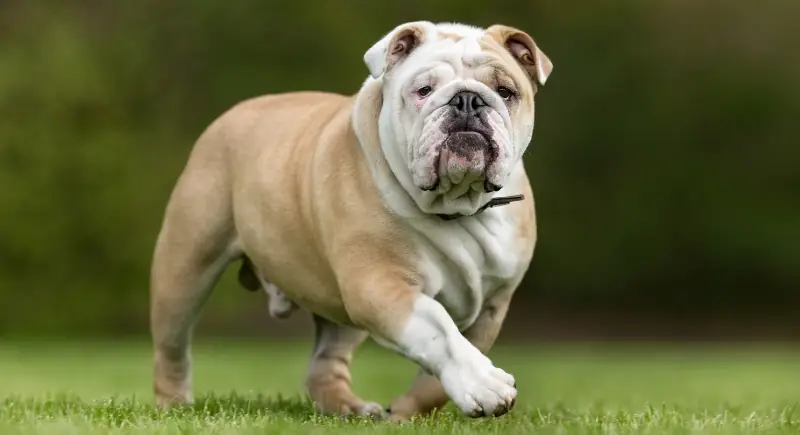
The English Bulldog carries most of its weight in the chest, causing the body to tip forward once it leaves solid ground. Short legs paddle hard to compensate, while the flat muzzle restricts airflow and drains energy quickly. What looks confident at the edge of the water can become exhausting within seconds.
Basset Hound
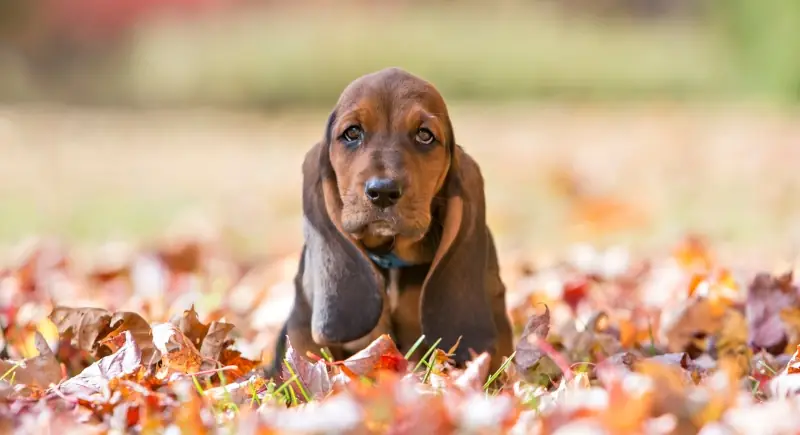
Gravity works against the Basset Hound in the water. Heavy bones and a low body cause the front end to rise while the back sinks, which creates more splashing than forward motion. Long ears absorb water and add extra drag. Swimming turns into effort instead of enjoyment, and the dog usually realizes it right away.
Dachshund
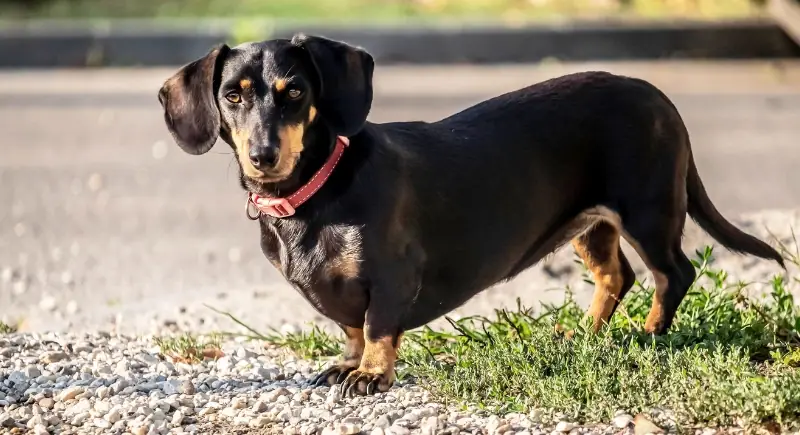
The Dachshund approaches water with confidence, but its body shape makes swimming difficult. A long torso combined with short legs throws off balance, so staying level takes constant effort. The front paws handle most of the paddling while the back legs lag behind. The result is a lot of work for very little forward movement.
Corgi
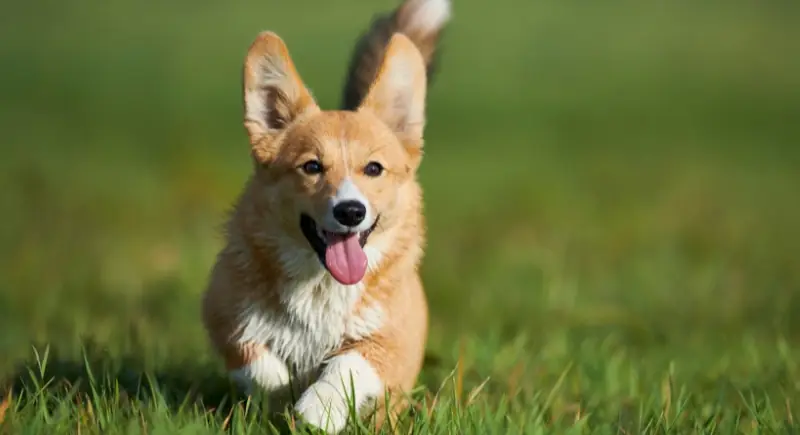
Corgis pair short legs with a longer torso, which makes swimming more demanding than it appears. Many enjoy the water and can manage calm, shallow areas, but balance becomes harder to maintain over distance. Forward movement often slows as a steady rhythm gives way to constant adjustments, especially without support.
Shih Tzu
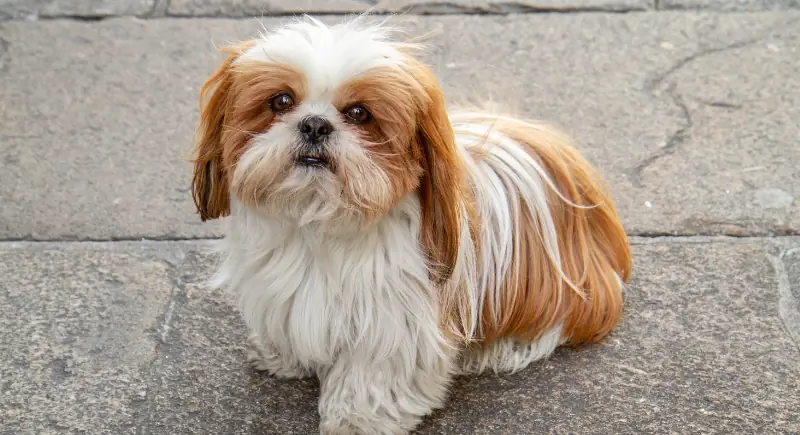
For Shih Tzus, water changes the experience before fatigue even starts. Wet hair clings to the eyes and muzzle, which interferes with vision and breathing while adding weight. Short legs with limited reach struggle to offset those changes. Swimming quickly becomes uncomfortable and awkward, pulling attention away from forward movement.
Chow Chow
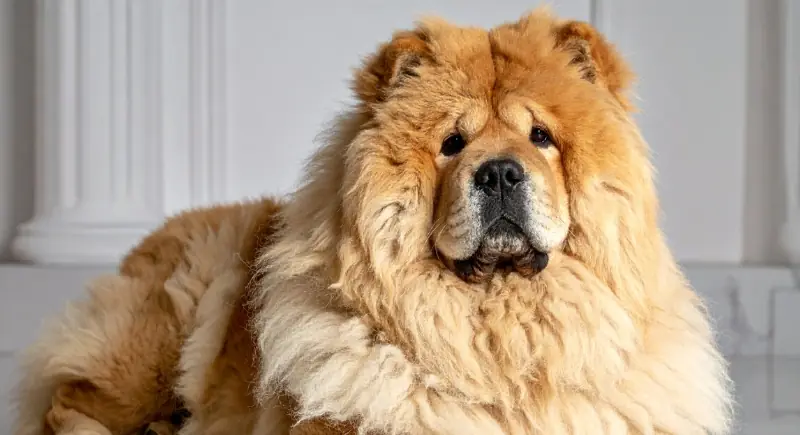
Chow Chows are generally poor swimmers because their dense double coats soak up water and weigh them down almost instantly. It usually starts as a confident step, turns into slow, awkward paddling as the fur adds drag. It’s not reluctance or attitude at work here, because once the coat gets wet, the swim is basically over.
Greyhound
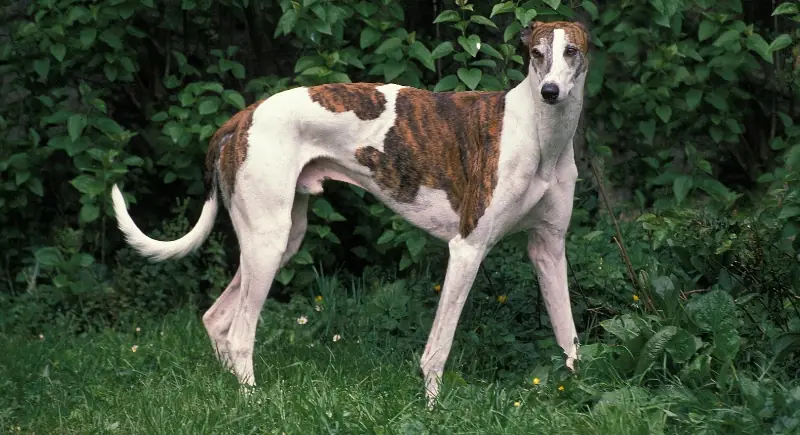
Speed on land does not always translate to ease in water. Long legs and a narrow frame can make staying balanced more difficult, and thin fur offers little insulation in cool conditions. While some Greyhounds can swim with exposure and training, many find water awkward compared to the terrain they are built for.
Bull Terrier
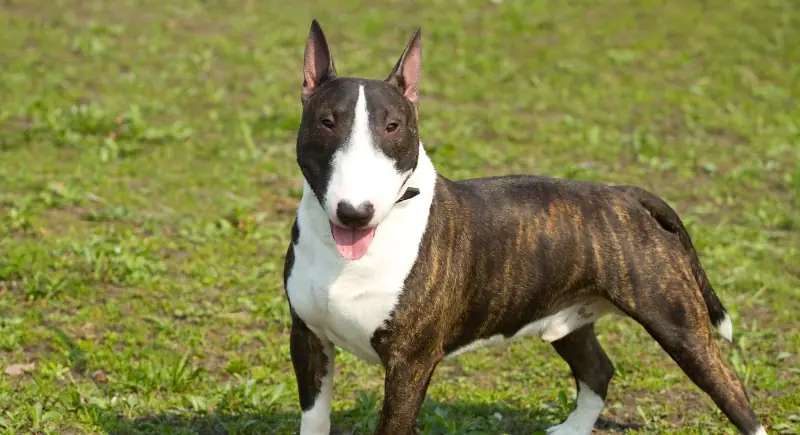
Strength is not the issue for Bull Terriers when swimming, but balance can be. A dense, muscular build and a relatively heavy head may shift buoyancy forward, requiring extra effort to maintain levelness. Many individuals can swim for short periods, especially with training or flotation support, although efficiency may vary from person to person.
Maltese
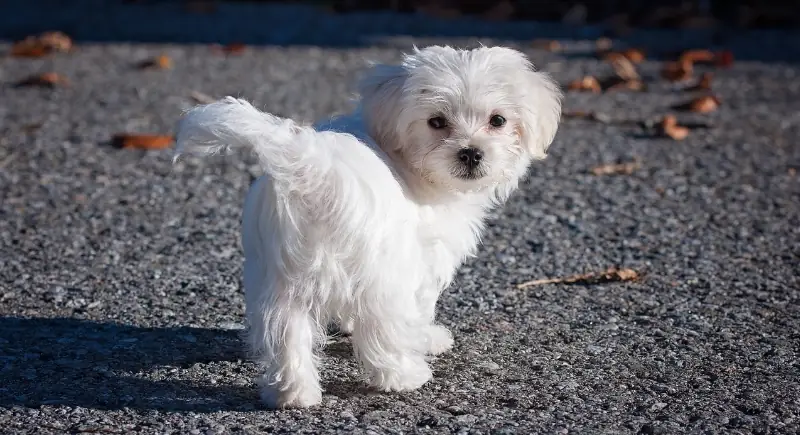
Small size magnifies every challenge in the water. A light frame meets resistance quickly, the coat absorbs water and grows heavy, and breathing can become strained, especially in older dogs. Energy drains faster than expected. Together, these factors make swimming tiring long before true fatigue should set in.
Pekingese
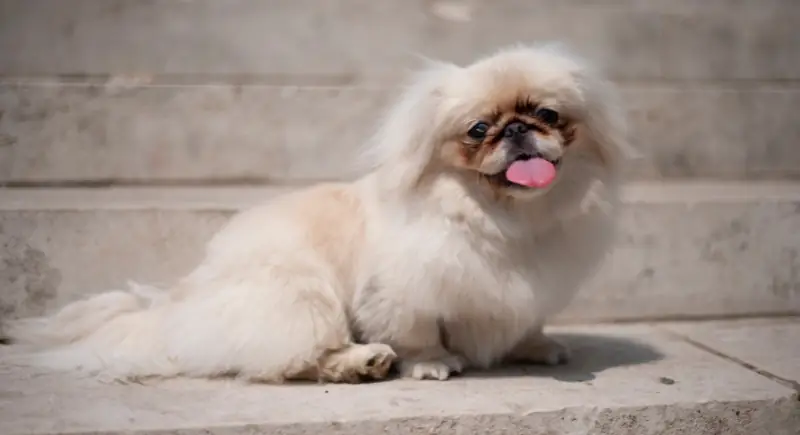
Every movement for the Pekingese begins with limited airflow. A flat face restricts oxygen intake, while a dense coat absorbs water almost instantly. Resistance builds, breathing tightens, and motion slows. Usually, these symptoms are caused by fear, but here the body quickly reaches its limits and chooses conservation over effort with little fuss.





