

Some dogs sleep so loudly, it sounds like they’re trying to clear a logjam with every breath. But snoring in dogs is usually a sign of how they’re built. Breeds with short snouts, narrow airways, or bulky throat tissue are more likely to snore, even when they’re healthy.
In many cases, it’s just part of the package. Understanding which breeds tend to snore the most can help set expectations and guide care. If you’re living with or considering a dog that breathes like a chainsaw, this list can help you know what you’re in for.
English Bulldog
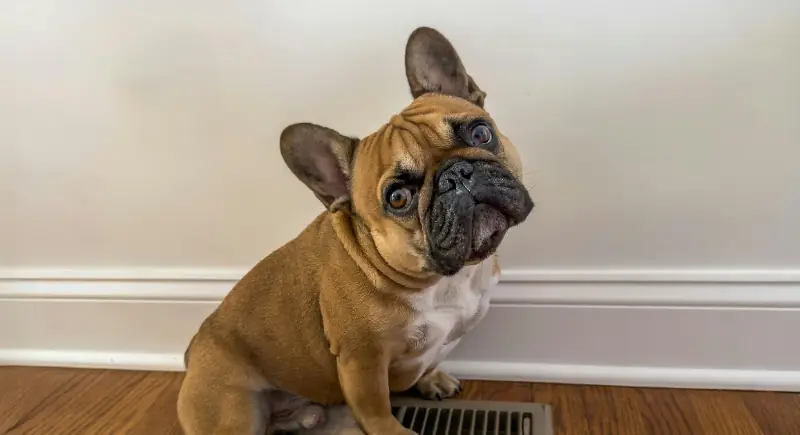
Breathing in English Bulldogs is often obstructed by a combination of stenotic nares, an elongated soft palate, and a narrow trachea. These structural issues create resistance during both inhalation and exhalation, which makes snoring nearly constant, especially during rest. Weight gain further restricts their airflow.
French Bulldog
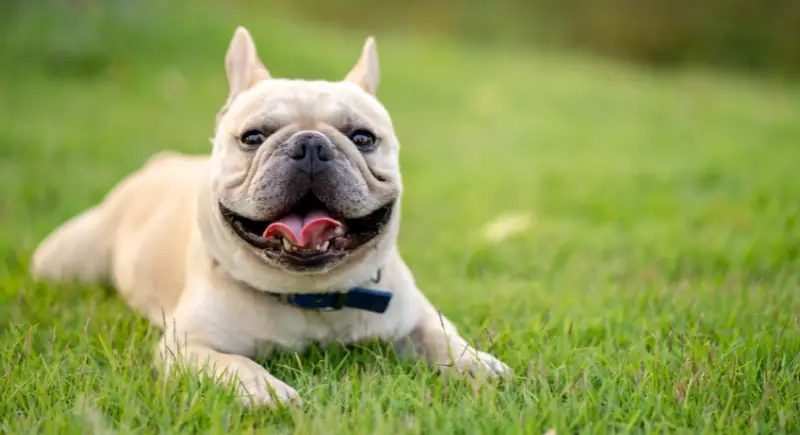
This small breed’s airways are built like a maze. French Bulldogs have narrow nasal passages and a soft palate, which can lead to a tendency to obstruct airflow. Even without health problems, they often breathe loudly. When pollen levels rise, or their nose gets stuffy, that mild snoring becomes a full-throated growl through the night.
Pug

Unlike some breeds that snore only under certain conditions, pugs tend to snore consistently. The combination of a flat muzzle, crowded nasal passages, and loose facial skin contributes to chronic airflow resistance. Heat and exertion can cause rapid breathing and increase snoring severity.
Boxer

Loud breathing during sleep in boxers is often linked to soft tissue collapse in the throat, particularly when lying on their backs. Although they are high-energy dogs when awake, their short snouts mean that restful breathing is often disrupted and audible.
Shih Tzu

Shih Tzus often breathe like they’re navigating a wind tunnel. They have a nose that’s closer to their eyes than the tip of their snout. Their narrow tracheas and soft tissue make restful sleep a noisy affair. Age or small weight gains only increase the noise, especially if sleep apnea is involved.
Bullmastiff
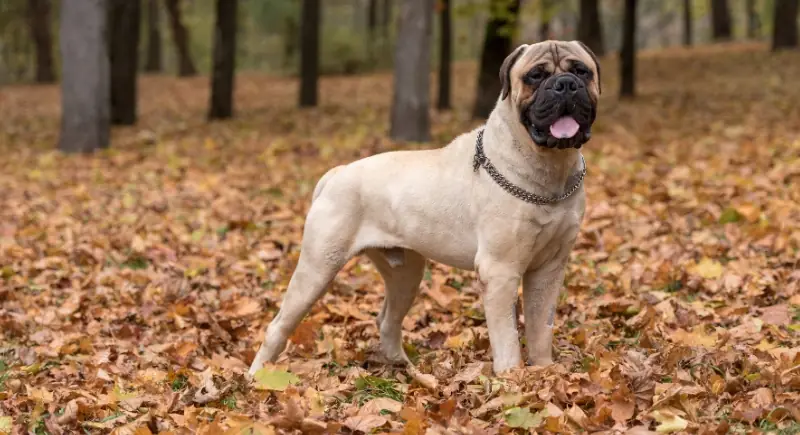
This breed’s snores are due to their sheer size. Bullmastiffs carry a lot of tissue around their throat and jaws, which tends to slump into the airway when they lie down. Even when young, fit dogs of this breed often sound like they’re snoring straight from the chest.
Boston Terrier
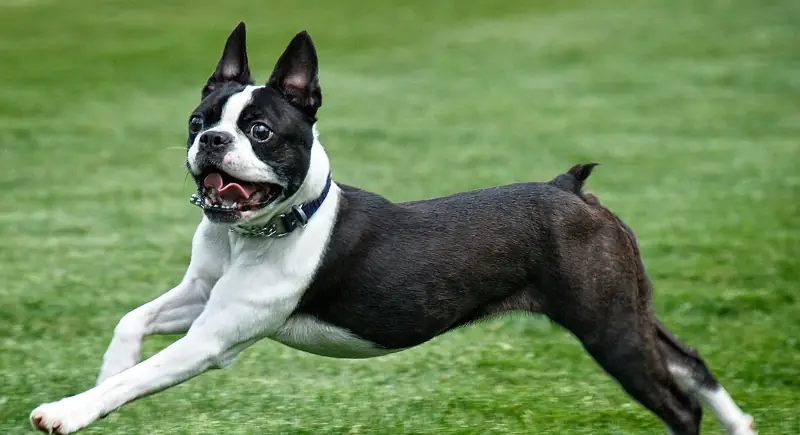
Though small, Boston Terriers punch above their weight in snore volume. Many are born with elongated soft palates or partially collapsed nostrils, which reduce their airflow right from the start. Sometimes, a simple head tilt or neck stretch can reduce the sound, but the snoring is rarely gone for long.
Cavalier King Charles Spaniel

These spaniels aren’t extreme flat-faced dogs, but their short muzzle still affects airflow. Extra pounds or fluid buildup from heart issues can squeeze their airways tighter. This often leads to uneven sleep and inconsistent breathing sounds, which tend to grow louder as the dog settles deeper into rest.
Dogue De Bordeaux
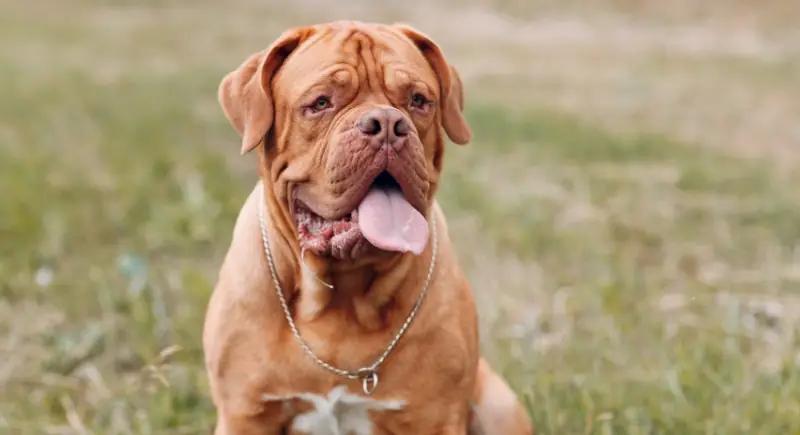
With their broad skull and thick skin folds, Dogues often experience partial throat obstruction while sleeping. Snoring in this breed is not limited to age or health status. It’s often just a byproduct of their facial structure and deep-set jaw.
Pekingese
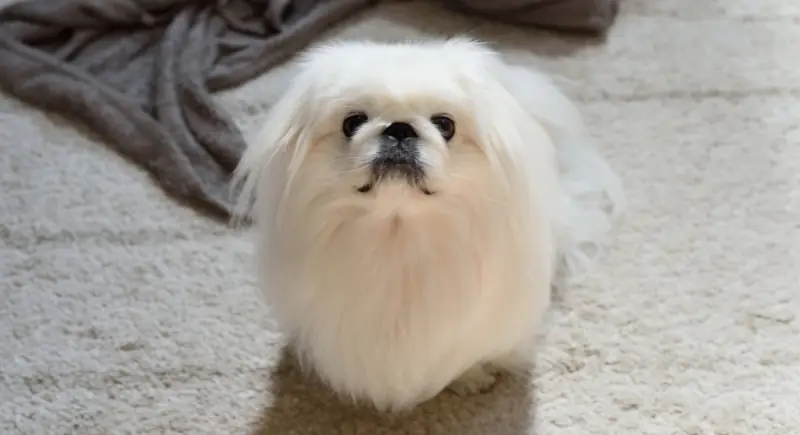
Pekingese dogs breathe through their mouths even while awake. Their short nasal passage and bulky throat tissue leave little room for air to move freely. At night, this setup leads to constant palate vibration. Their size might be small, but their sleep sounds can fill a room without effort.





