
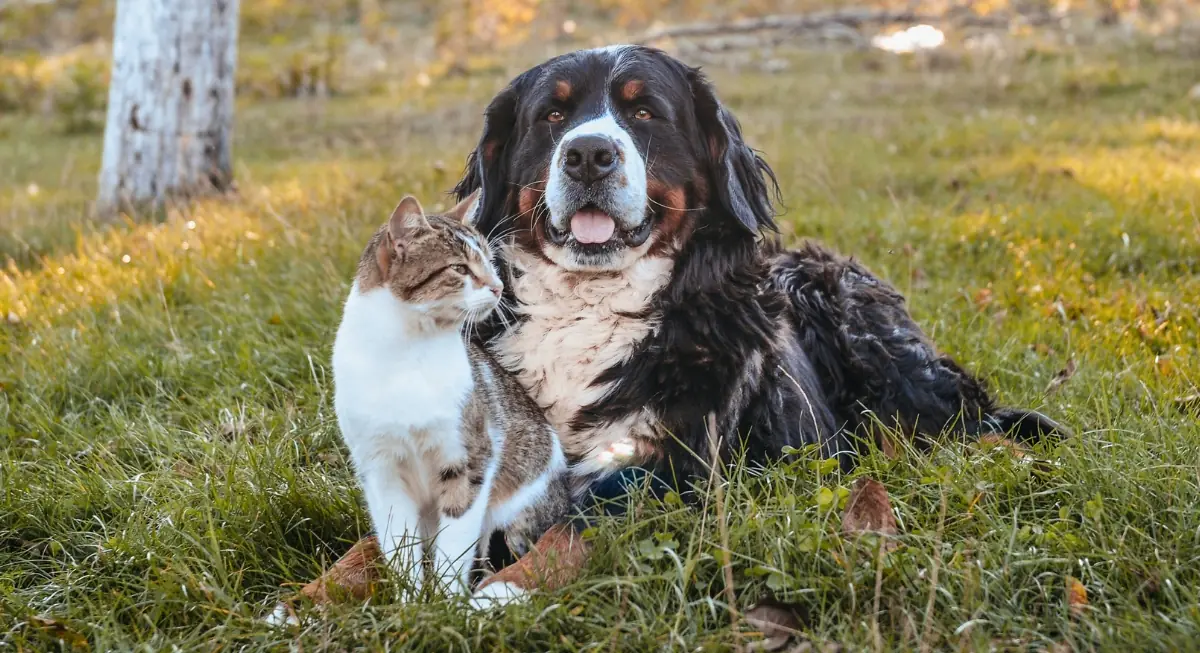
Bringing home a dog when you already have a cat isn’t always easy, especially since not all breeds are wired to live peacefully with smaller animals. But with the right match, things can go surprisingly smoothly.
Certain dogs have traits that help them adjust quickly to feline housemates. Temperament, background, and energy levels matter far more than size or cuteness. A little planning up front helps avoid stress later, both for the humans and the animals sharing the same space.
Labrador Retriever
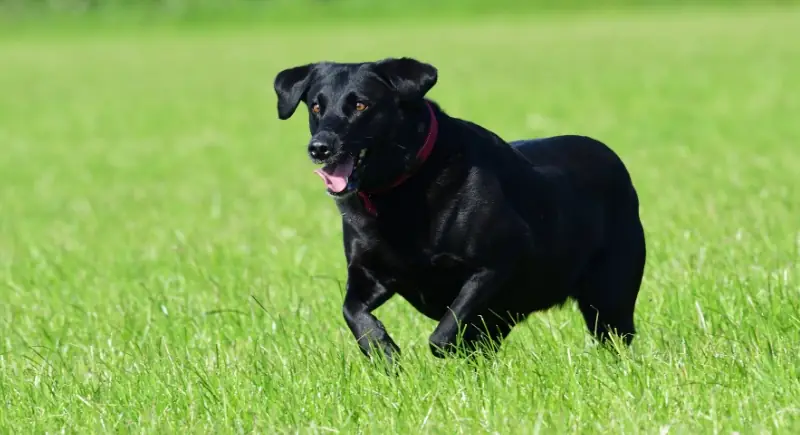
A 2023 study listed Labrador Retrievers among the most popular family dogs in the United States. Their widespread appeal comes from their even temperament and strong social tendencies. Labs pick up rules right away, and they don’t hold grudges. In homes with cats, they usually adapt after being shown the boundaries. They also don’t compete for space or resources.
Bernese Mountain Dog
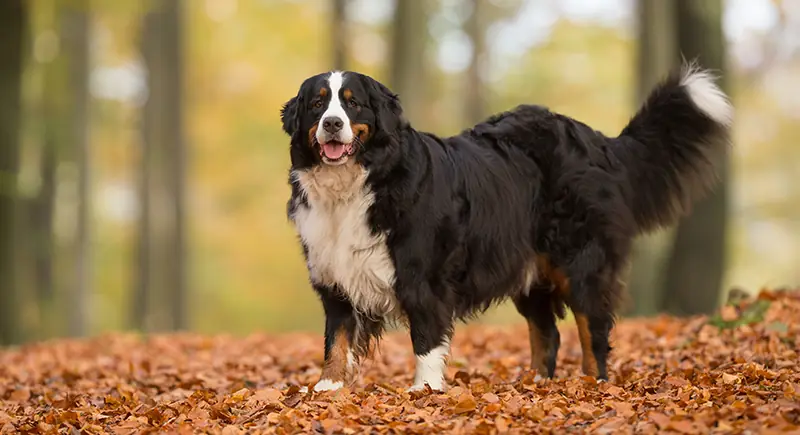
In homes with anxious or older cats, it is valuable to have a dog that avoids sudden changes in energy. Bernese Mountain Dogs tend to move at a slower pace and don’t crowd other animals. That gives cats time to observe and decide when to interact.
Pug
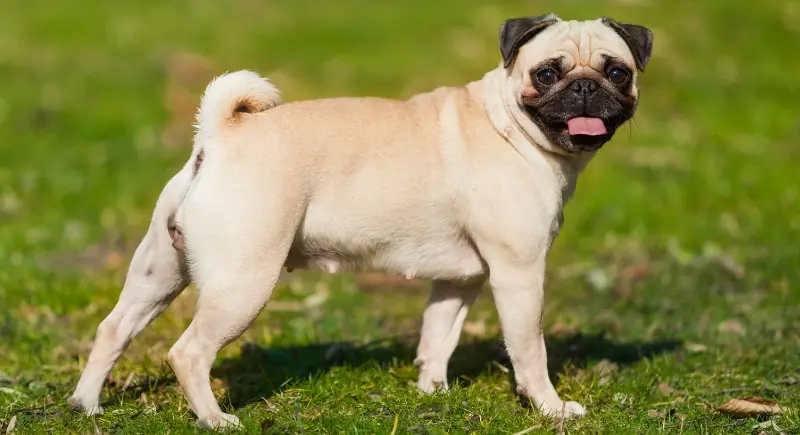
For anyone who works long hours or spends time away from home, a dog that enjoys companionship is essential. Pugs fit that role well because they typically nap near cats and rarely demand attention at inappropriate times. Their behavior stays steady throughout the day, which helps reduce stress in cats that dislike surprises.
Basset Hound
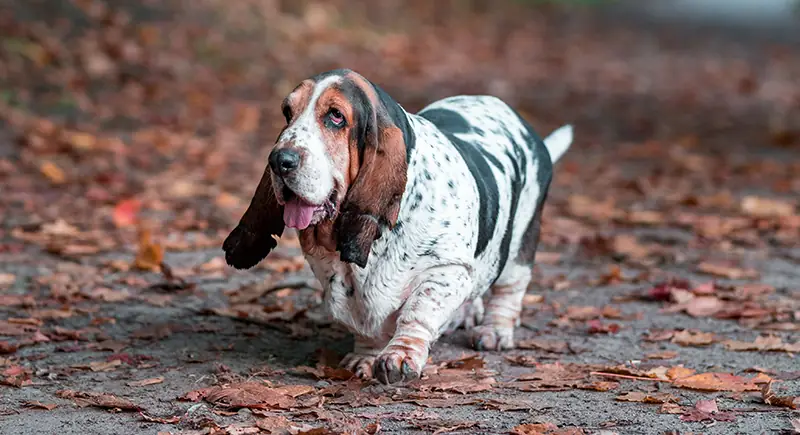
When cats react negatively to new dogs, it often comes down to the unpredictability of the new dog. Basset Hounds don’t move quickly or make sudden decisions. They focus on routine and respond slowly to distractions. That pace gives cats time to adjust without feeling cornered. Although Bassets have a background in hunting, they often ignore other animals inside the home.
Beagle
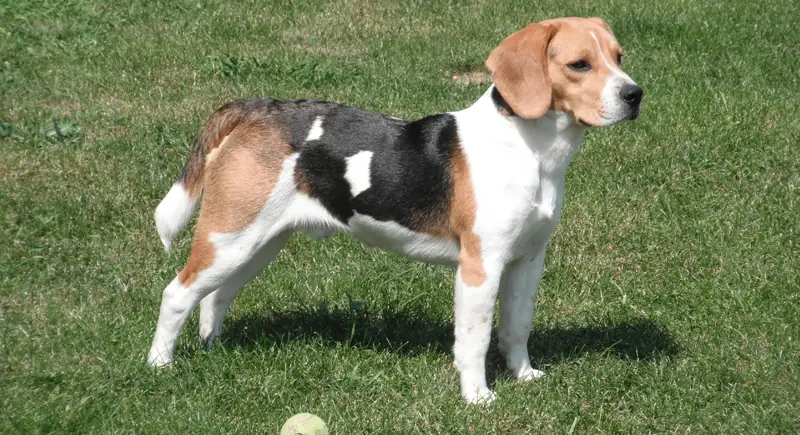
Beagles carry strong pack instincts, which can make sharing a home with a cat possible when routines and expectations are set early. Bred for scent work and hunting, they do have a natural urge to chase, especially outside. Indoors, consistent training and supervision help shift that focus. Without clear limits, a hesitant or fast-moving cat can easily trigger a beagle’s impulse to trail after it.
Collie
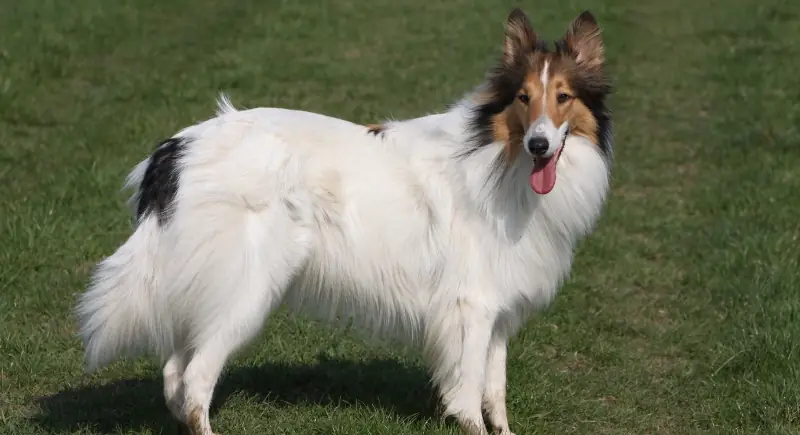
A Collie may try to herd the cat at first, but training can resolve that quickly. Their instincts prompt them to control their movement, rather than chase for fun or aggression. That’s a critical difference in how cats perceive the behavior. Collies tend to be well-behaved when it comes to verbal correction and positive reinforcement.
Cavalier King Charles Spaniel
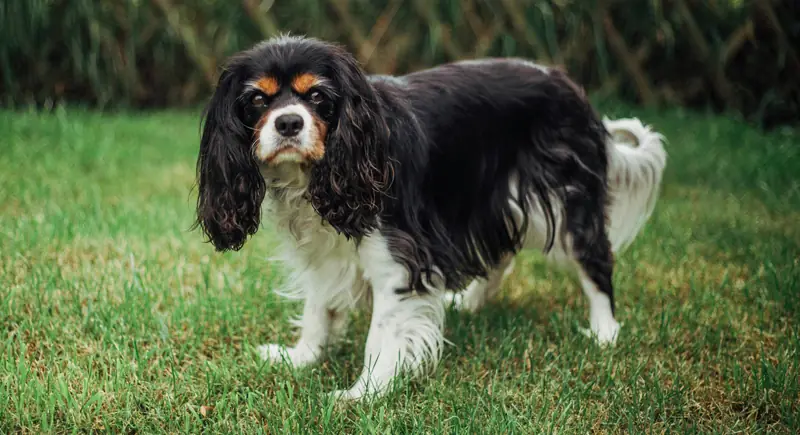
The Cavalier King Charles Spaniel has roots in European royal courts, where they served strictly as lap dogs. They weren’t bred to hunt or herd, which gives them an advantage in homes with felines. Their actions tend to stay mild and consistent, even in unfamiliar situations. They don’t chase or guard space, and they rarely overreact.
Golden Retriever
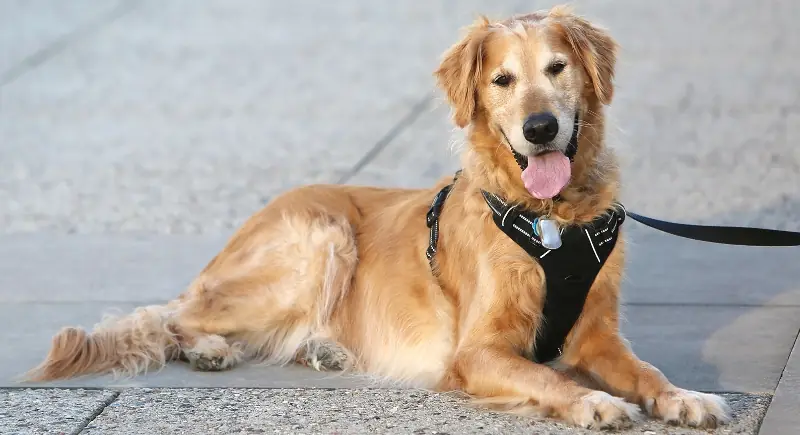
Being known for adaptability and a gentle temperament, Golden Retrievers fit well into homes that already include cats. Breeders originally developed them to work closely with people, and that cooperative mindset often extends to other animals. Cats usually tolerate their steady energy and predictable demeanor.
Papillon
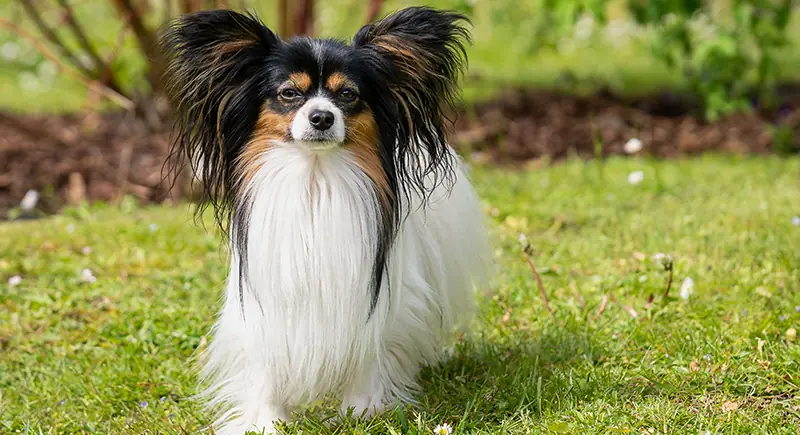
Papillons are intelligent companion dogs with a long history as social animals, but they are not automatically cat-friendly. While their small size can make them less physically intimidating, some Papillons show assertive or bossy behavior toward cats. Successful cohabitation usually depends on early socialization, supervision, and clear boundaries.
Boston Terrier
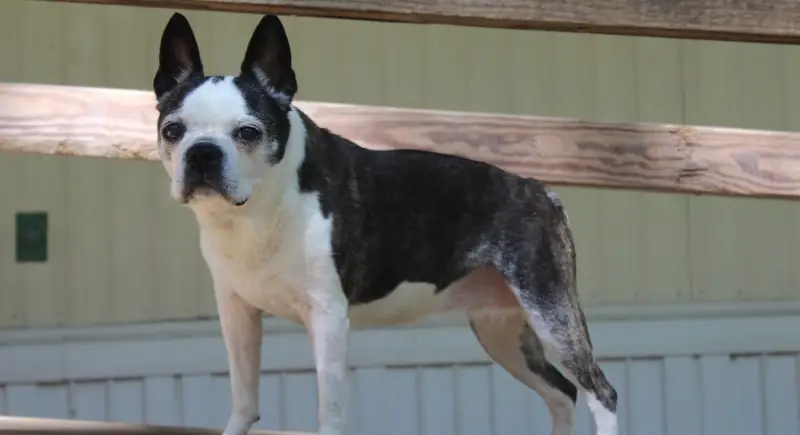
Surprisingly polite for a terrier, the Boston stands out as an exception to the group’s usual high-energy behavior. While many terriers react impulsively, Bostons usually pause and observe. That brief delay gives room for correction and helps prevent unwanted chasing. They respond well to short and structured training sessions and consistent rewards.





