
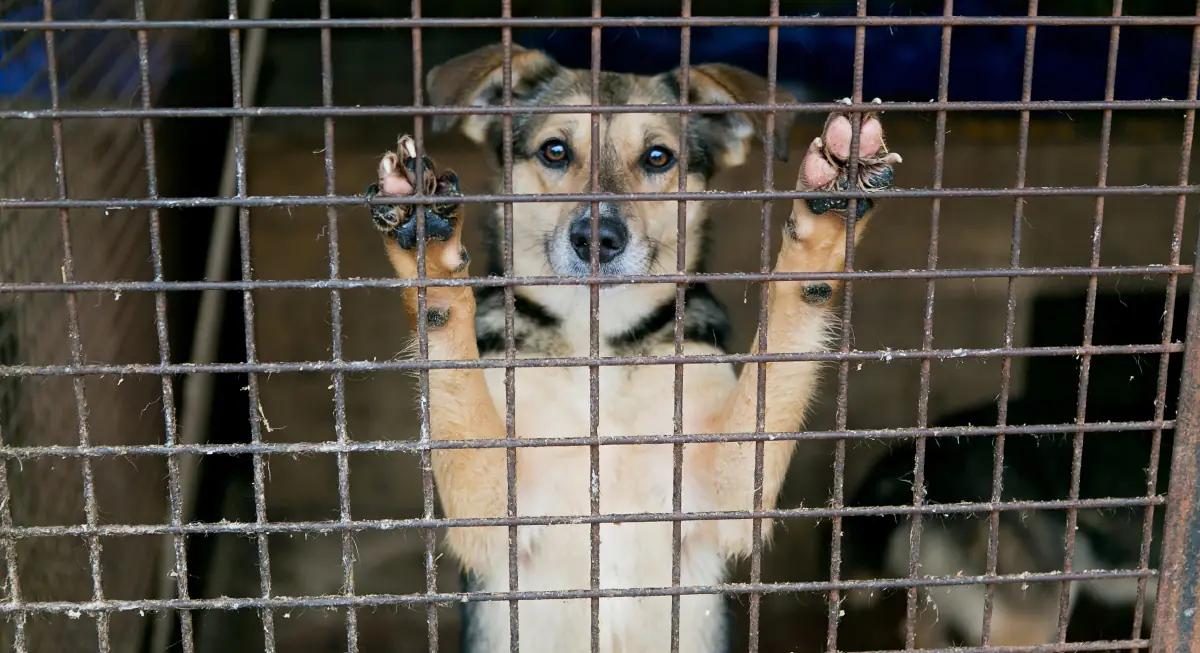
Roughly 5.8 million dogs and cats entered U.S. shelters last year. Certain breeds appeared more often, partly due to housing restrictions and public perception. Knowing these trends can help future pet owners make better choices and keep more animals in homes, not shelters.
Dalmatians

Dalmatians stand out for their spots, but their energy and independence make them a tough match for many homes. Their post-movie popularity led to overbreeding, bringing health problems like deafness and bladder stones. These dogs need regular exercise, firm training, and mental challenges to stay balanced. Many end up in shelters because their owners didn’t expect the work.
Alaskan Malamute
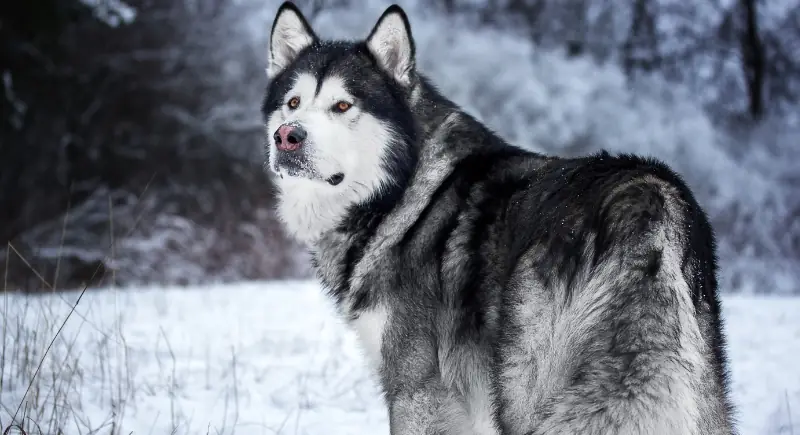
The Alaskan Malamute is Alaska’s state dog and a strong, hard-working breed. The Mahlemut Inuit bred this powerful dog to haul freight and assist in hunts across frozen terrain. Owners often surrender Malamutes because they underestimate the breed’s demands. To remain happy and well-behaved, these dogs need both daily physical exercise and mental engagement. Without structure, they dig, chew, or howl nonstop.
Akita
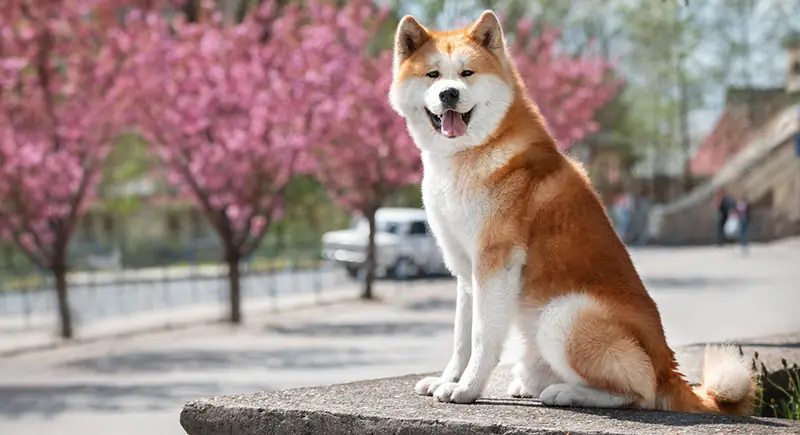
Bred in Japan to hunt large game, the Akita needs confident handling. They often don’t get along with other pets and usually avoid strangers. Without early socialization, their protectiveness can become aggressive. But they face issues like hip dysplasia and autoimmune disorders. Some owners struggle with the upkeep, leading many Akitas to shelters.
Boxers
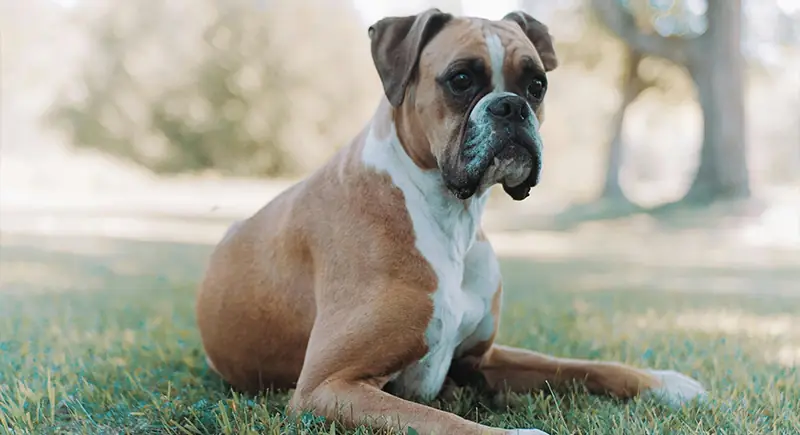
Boxers win people over fast with their goofy grins and spring-loaded energy, but they need structure to thrive. Without regular activity and firm training, they’ll bounce off the walls, sometimes literally. Health-wise, Boxers face challenges. Heart conditions, hip issues, and thyroid problems aren’t uncommon. Add in grooming needs and medical costs, and it’s easy to see why some end up in shelters.
Beagles

Those floppy ears and pleading eyes might fool first-time dog owners, but Beagles need more than love and treats. Bred for tracking, these hounds have energy to burn and a nose that rarely quits. They follow scents into trouble and resist commands without daily stimulation and clear boundaries.
German Shepherds
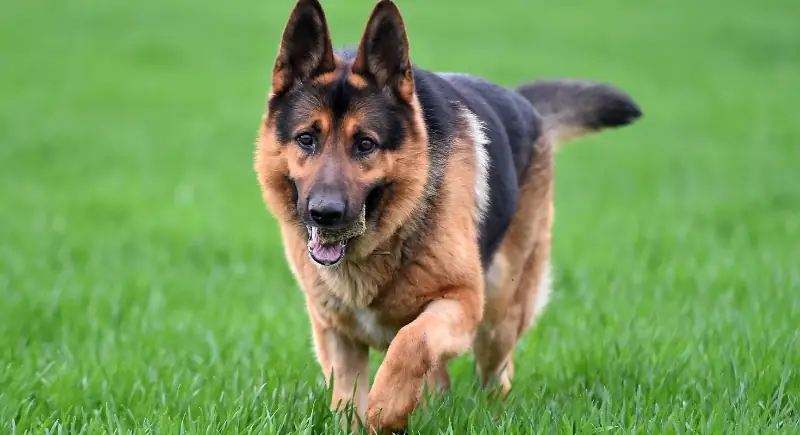
Intelligence, loyalty, and a sharp protective streak make German Shepherds a standout, but also a handful. Without firm, ongoing training and plenty of physical activity, they can channel their energy into destructive habits or develop separation anxiety. Health also plays a role in shelter surrenders.
Siberian Husky

Those pale eyes might draw attention, but the energy behind them rarely rests. Bred to work in harsh conditions, the Siberian Husky needs intense physical activity and mental stimulation. Health issues like hypothyroidism and eye conditions add more complexity. Many end up in shelters because people fall for the look but underestimate the daily demands.
American Pit Bull Terriers
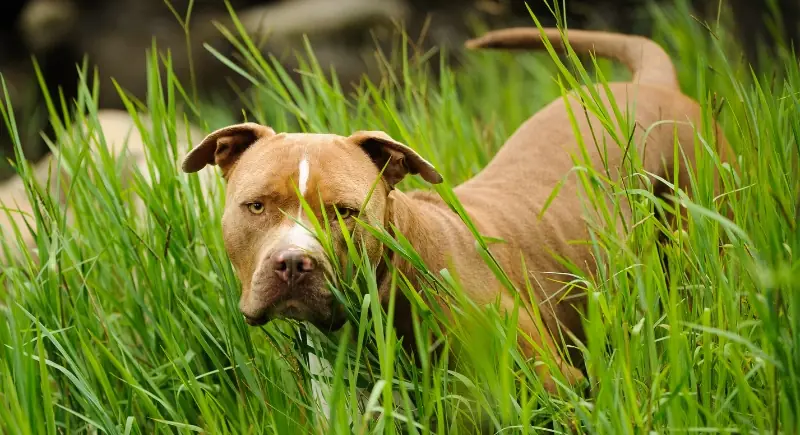
Shelters see a steady stream of American Pit Bull Terriers, often more due to public fear than the dogs themselves. With proper guidance, they show deep loyalty and affection, usually forming tight bonds with their families. However, misconceptions and laws targeting their breed limit their chances once surrendered.
Jack Russell Terriers

Small in size but packed with energy, Jack Russell Terriers don’t slow down for anyone. Initially bred for fox hunting, they still carry that intense drive, and without enough play, puzzles, or room to run, they’ll turn a quiet home into their own obstacle course. While their charm is real, keeping up with one takes focus, stamina, and a sense of humor.
Chihuahuas

Chihuahuas may be tiny, but they pack a punch with their big personalities! Their feisty nature can lead to barking or possessiveness, especially if the owners skip training. While loyal and loving, a Chihuahua is best suited for an experienced owner ready to meet their emotional and physical needs.
Great Danes

Great Danes are majestic dogs, known for their size and gentle nature. Their large stature brings challenges, like the risk of bloat, hip dysplasia, and heart issues. Feeding a 200-pound dog isn’t cheap, and any behavioral problems can be overwhelming if not managed early. Many potential owners underestimate these needs, leading to higher surrender rates.
Shih Tzus

Shih Tzus may be small, but their prominent personalities and beautiful coats come with significant responsibilities. Maintaining healthy skin and preventing matting requires regular grooming; and their compressed facial structure can make breathing challenging for them in hot or humid environments. Add in their tendency toward separation anxiety and stubbornness, and these lovable companions can be tricky for first-time owners.
Belgian Malinois

The Belgian Malinois is a powerhouse of loyalty and intelligence, often seen in military and police work. However, its high energy and intense mental needs can overwhelm unprepared owners. Its herding instincts can also lead to nipping or chasing. Potential owners must research this breed’s unique requirements for a fulfilling, long-term relationship.
Labrador Retrievers
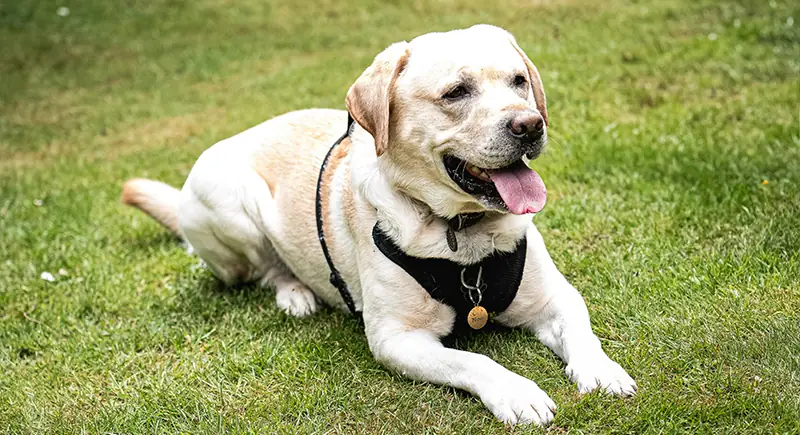
Labrador Retrievers are loved for their friendly nature and smarts, making them one of the most popular breeds in the U.S. However, their popularity has led to many unprepared owners surrendering them to shelters. Labrador Retrievers commonly face issues with weight gain, increasing their susceptibility to ailments such as arthritis and heart problems.
Border Collies
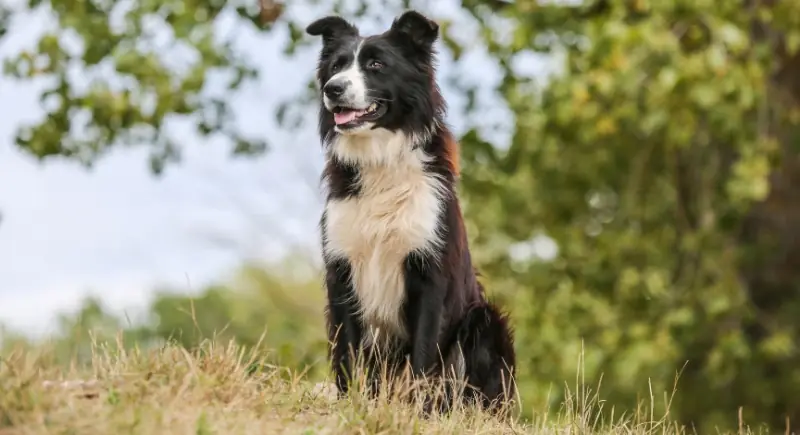
Border Collies are brilliant, agile, and full of energy, but they need owners ready to match their pace. With their high intelligence, these dogs thrive on constant mental and physical stimulation. Without it, they can develop quirky behaviors like shadow chasing or light fixation. Their herding instincts can lead to nipping or chasing, especially around children or other pets.
Australian Shepherds
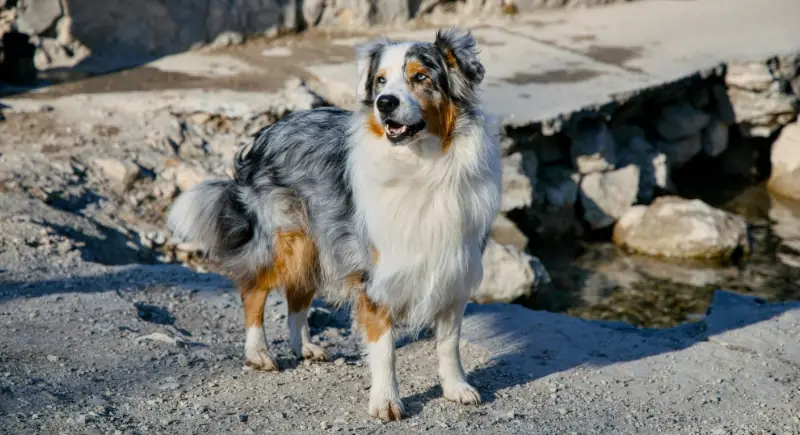
Australian Shepherds are incredibly smart, which sounds great until they start inventing their own jobs. Without enough exercise and mental stimulation, they get restless quickly and may herd kids, bark nonstop, or tear up furniture. Many owners underestimate that energy level, and once the novelty wears off, these dogs often end up being rehomed.
Dachshunds

Dachshunds may be small, but they come with a stubborn streak that catches people off guard. House training can take time, and their tendency to bark at every little sound doesn’t help in close living spaces. Back problems are also common, which can mean ongoing care, something many first-time owners are not prepared for.





