
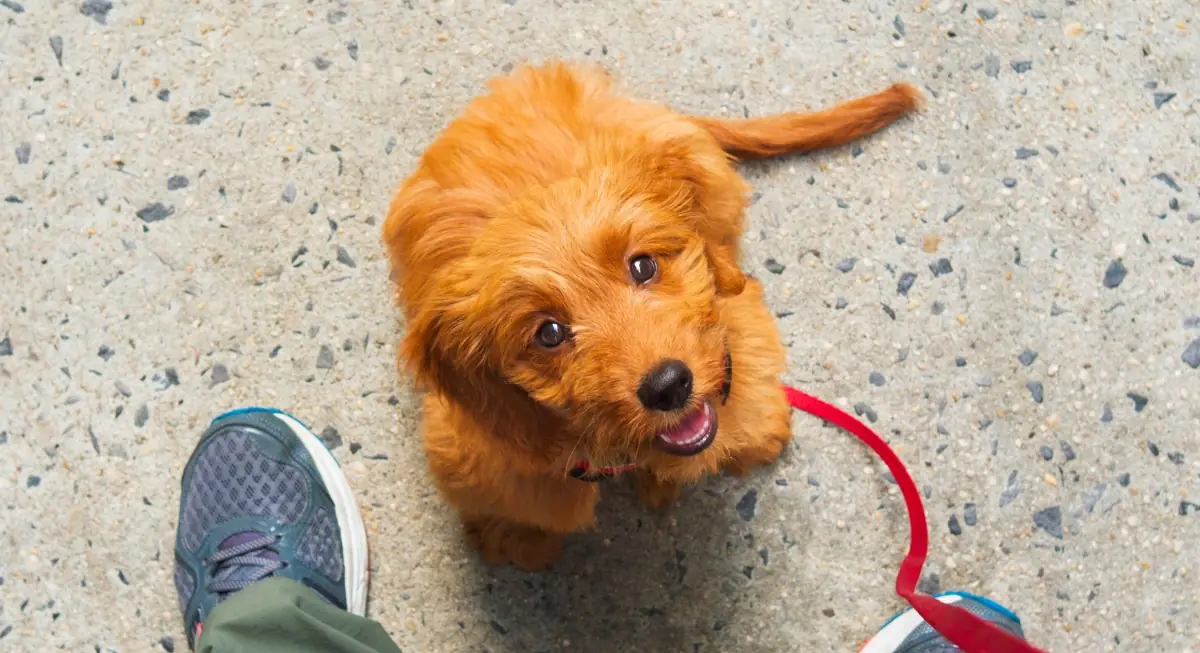
Living with a dog can feel sweet and straightforward. Then you realize something. They know exactly how to get to you. One head tilt, one dramatic sigh, and suddenly you’re handing over a treat you swore you wouldn’t.
Dogs have spent thousands of years learning how humans think and respond. Sometimes what looks cute or random is actually very strategic. They’re not being sneaky in a bad way. They’re just very, very good at getting what they want.
Inner Eyebrow Movement Shaped By Domestication
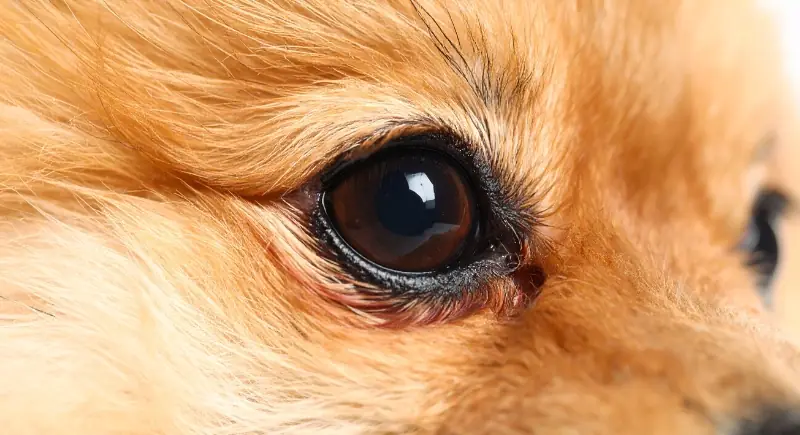
Research published in Proceedings of the National Academy of Sciences identified a facial muscle in domestic dogs that raises the inner eyebrow. Wolves largely lack this consistent musculature. The movement enlarges the eye appearance and mirrors infant-like expressions, aligning with traits humans tend to respond to instinctively.
Adoption Rates Influenced By Facial Expression
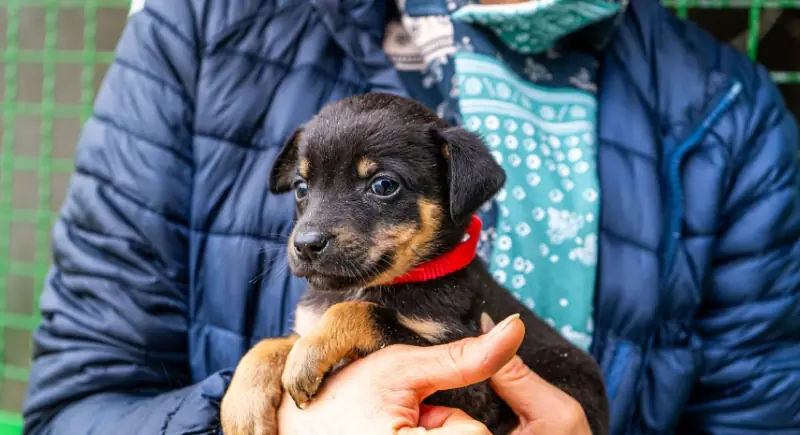
Shelter observations linked frequent eyebrow-raising to faster adoption rates. Dogs who used the expression more often tended to leave shelters sooner than those who did not. The look seems to signal vulnerability to potential adopters, which shaped human perception in a measurable way rather than functioning as random facial motion.
Anticipatory “Guilt” Displays

Lowered head, tucked ears, and averted eyes are often interpreted as remorse. Research suggests that these gestures appear when dogs anticipate scolding rather than when they confess to wrongdoing. The display can soften a person’s tone and body language, helping defuse tension during moments when furniture or trash cans have been damaged.
Strategic Double Feeding In Multi-Person Homes
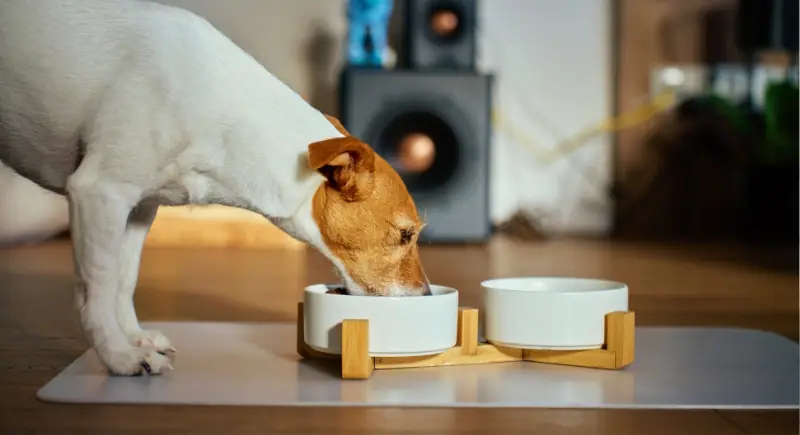
In households with multiple adults, some dogs accept a meal from one person and later approach another with convincing enthusiasm. If communication between people fails, the dog receives a second serving. It works because the people aren’t on the same page, not because the dog is confused about whether it’s been fed.
Reward-Based Listening
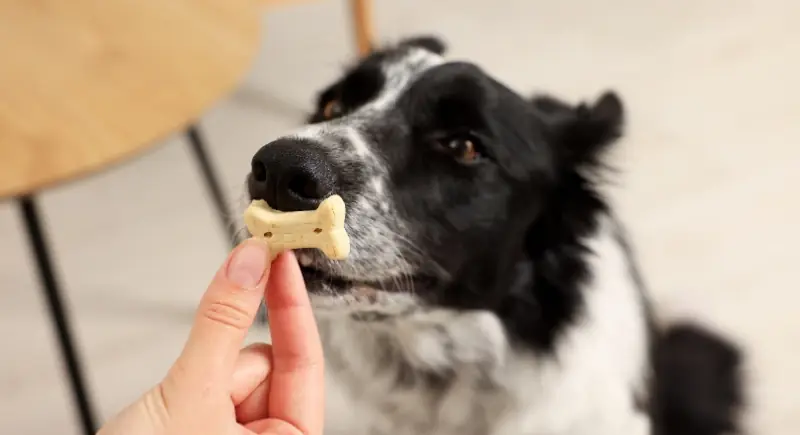
You call their name and get a pause. You open a treat jar, and suddenly they appear out of nowhere. Most dogs learn very quickly which sounds lead to something good. That is how reward learning works. So when they react faster to a food wrapper than to “come here,” it is usually about motivation, not selective hearing.
Post-Meal Food Solicitation
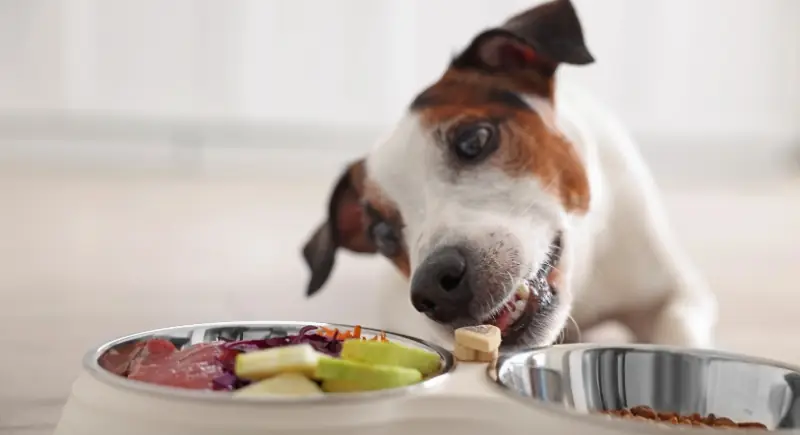
A full bowl does not always end the performance. Some dogs trail their owners into the kitchen, sit near counters, or emit soft whines soon after eating. When scraps result, the behavior gains reinforcement. Repetition strengthens the pattern, and persistence becomes part of the routine.
Submission Posture During Confrontation
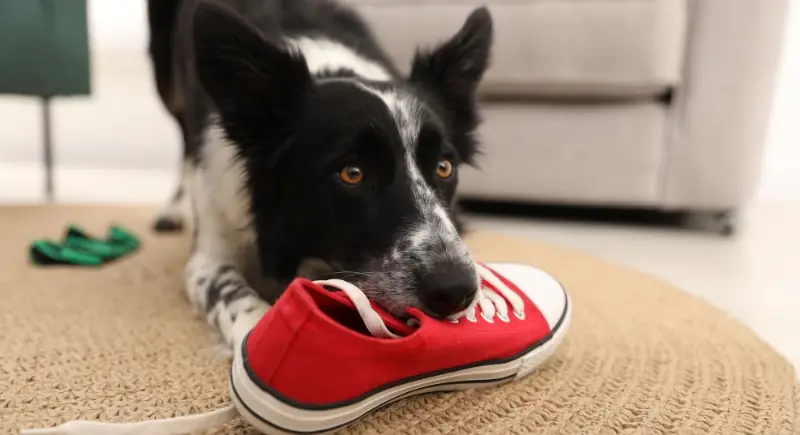
You find your shoes destroyed, and before you can say anything, your dog rolls onto their back and shows their belly. That position is a classic sign of submission. It often lowers tension and makes people soften instantly. The mood shifts, your voice changes, and the scolding loses steam. Whether intentional or instinctive, it works.
Temporary Limping That Resolves Quickly
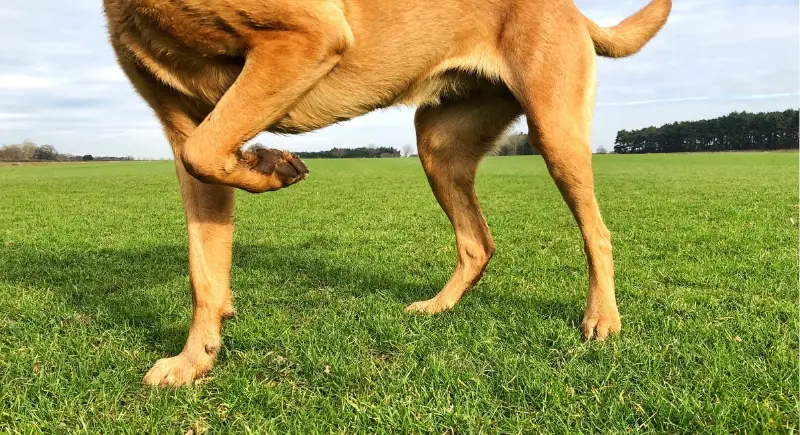
Sometimes a dog starts limping the moment you look at them, then forgets all about it when a toy comes out or the doorbell rings. The sudden recovery can be surprising. While real injuries should always be taken seriously, quick changes like this can point to attention-seeking behavior rather than ongoing pain.
Extending Play Beyond Its Natural End
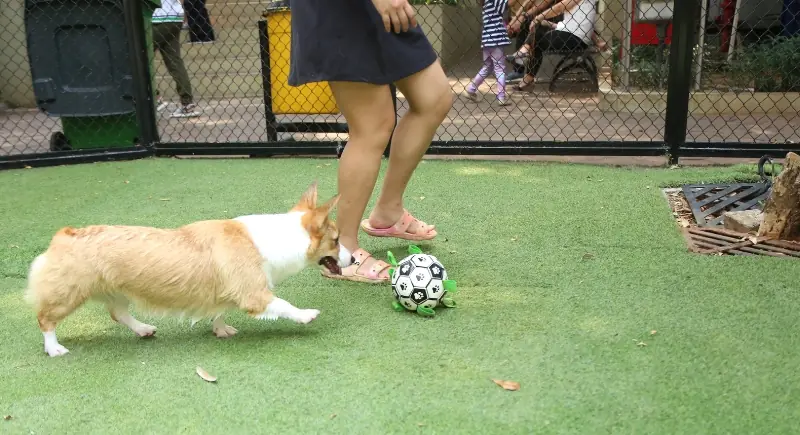
After a final throw in a game of fetch, some dogs place the ball directly at an owner’s feet and hold eye contact. If the ball flies again, the sequence repeats. The continuation relies on the human response, and persistence often pays off with several extra rounds.
Direct Gaze As A Communication Tool
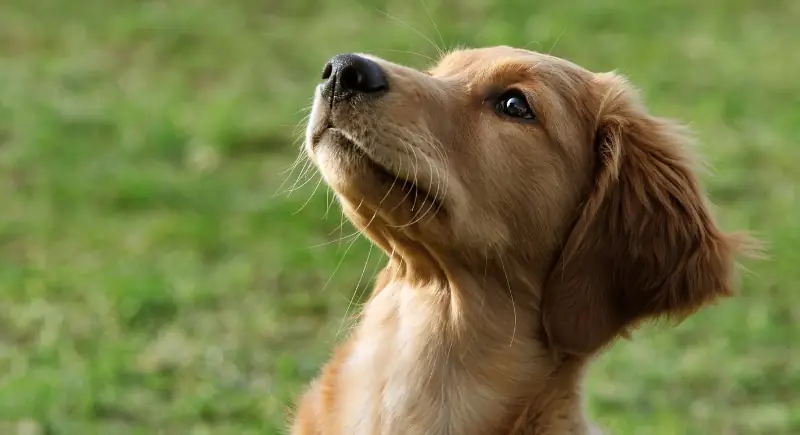
The research emphasizes that dogs are uniquely skilled at reading and using human communicative signals. Sustained eye contact plays a central role in cooperative activities. When dogs cannot solve a problem independently, they often use gaze to prompt human assistance.





