
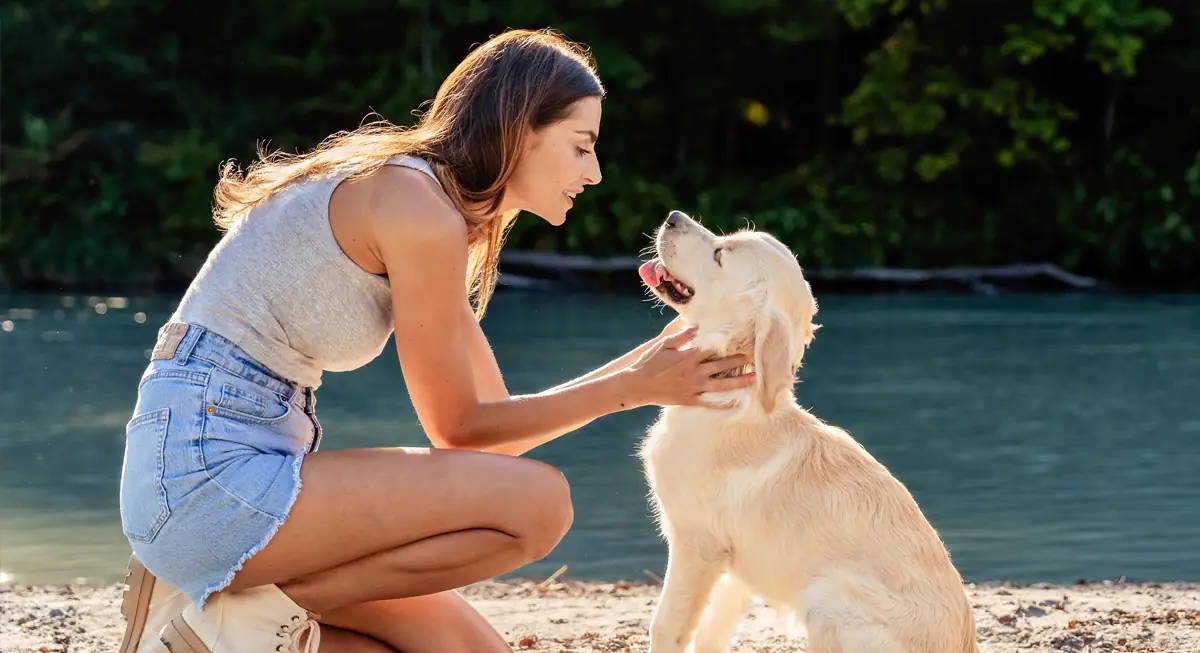
Teaching a dog to come when called sounds simple until your furry sidekick bolts toward a squirrel and pretends you don’t exist. A reliable recall is what keeps dogs safe around cars, cliffs, rivers, and other animals. If your dog seems to blow off your call more often than not, the problem might be in your approach. Here are the most common mistakes that stop dogs from listening—and how to fix them.
Wearing Out the Cue by Poor Timing
If your dog hears their recall word in non-essential moments, it starts to lose its punch. Over time, they stop hearing it as something urgent or meaningful. It’s best to use it only when needed.
Not Starting with Name Recognition
It might sound basic, but some dogs don’t come simply because they’re unsure they’re being spoken to. Before recall training can work, your dog must recognize and respond to their name. Start by saying it in a happy voice and rewarding them when they look at you. Once that habit is strong, layering in a recall cue becomes far easier.
Not Building Up Recall Gradually
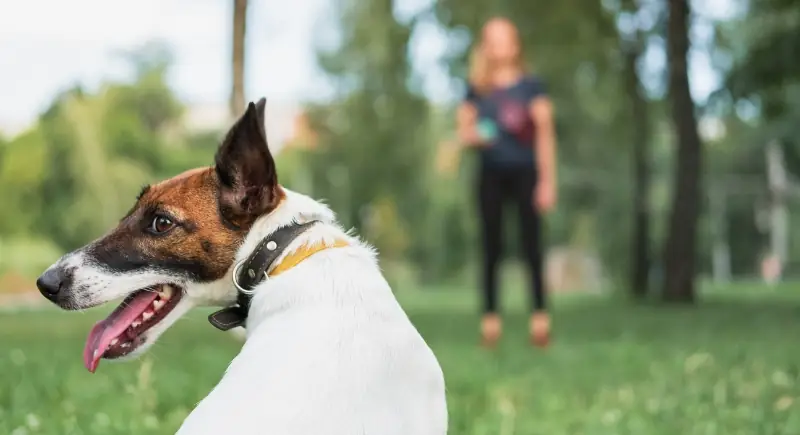
Expecting your dog to come sprinting back in a busy park when you’ve only practiced in the backyard is asking too much. Training recall needs baby steps. From a calm room, move to the yard, then to quiet outdoor areas. Add distractions slowly. That slow build helps your dog succeed and teaches them to choose you even when things get rowdy.
Calling Once and Then Repeating Too Often
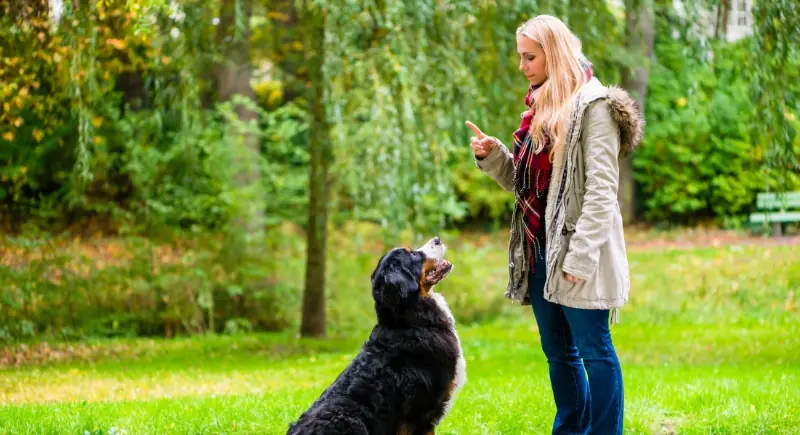
Saying “come” ten times in a row teaches your dog that the first few calls are optional. If they learn that responding only after the fifth shout is fine, that’s what they’ll do. Train for a one-cue response. Say it once, then wait. If there’s no reaction, go back a step in your training rather than creating a habit of delay.
Not Making Recall Rewarding

If “come” leads to a leash and the end of fun, don’t be surprised when your dog hesitates. Dogs need a reason to return. And it needs to be better than what they’re walking away from. That means high-value treats, favorite toys, or heaps of praise. Done right, the recall becomes something they’re excited about. Nothing ruins recall faster than punishing your dog after it returns.
Unclear Cue Signals
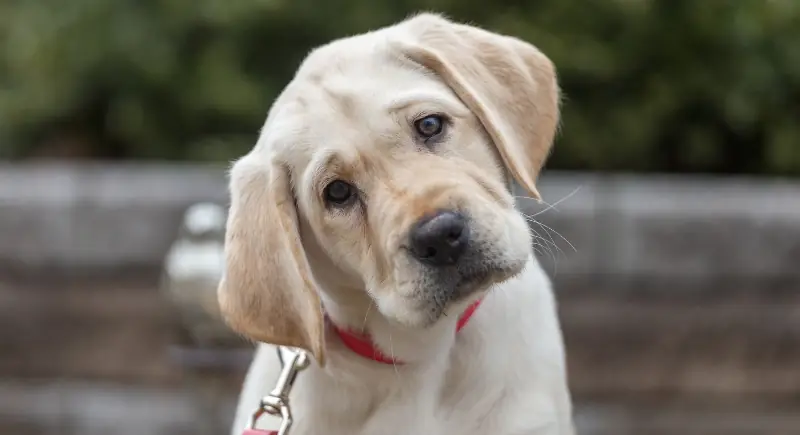
Clarity builds confidence, and confidence builds response. Swapping between “come,” “here,” “let’s go,” or saying their name in frustration muddles the waters. If your dog hears different words or body language every time, they’ll struggle to understand what you want.
Using Recall Without Building Trust
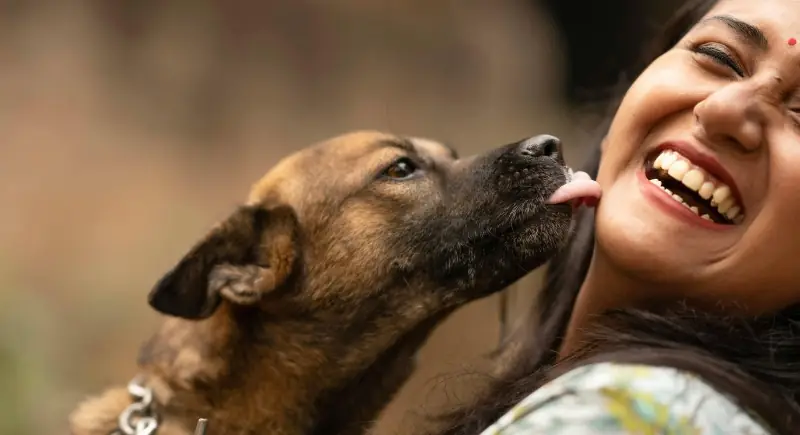
Trust is the glue behind reliable recall. That means time spent playing and staying calm when they mess up. A dog who doesn’t feel safe or bonded with you is far less likely to respond to your voice. When your dog sees you as a predictable presence, following your call feels natural.
Ignoring the Dog’s Development Stage
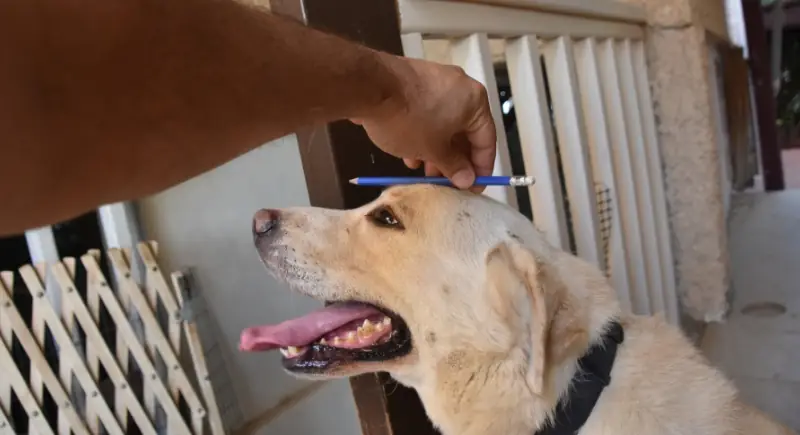
Puppies are easily distracted. Adolescent dogs are impulsive. Older dogs may be slower to process. Trying to train recall the same way for every dog at every stage sets both of you up for frustration. Recognize what stage your dog is in and tailor your expectations.
Using the Same Tone for All Commands
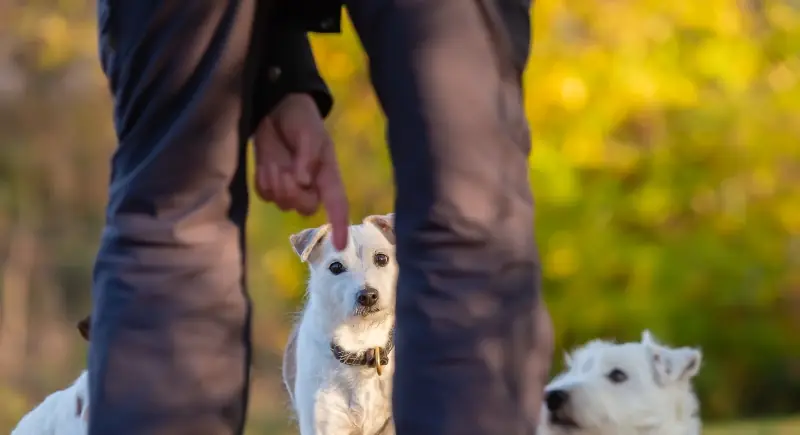
A flat or frustrated recall cue doesn’t exactly spark excitement. Dogs are emotional readers who respond to tone as much as words. If your recall cue sounds the same as “sit” or “no,” it won’t stand out. Use an upbeat, animated voice that feels different from your other commands.
Not Adding Visual Cues
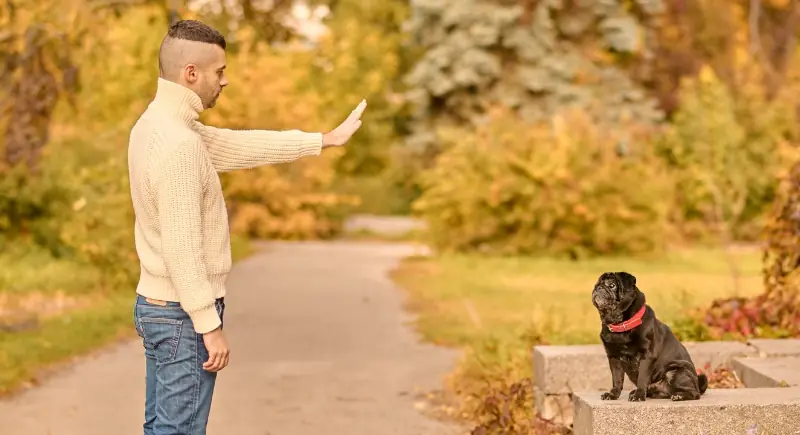
Not every dog responds best to sound, especially in noisy parks or if their hearing fades with age. Pairing your verbal cue with a hand signal, like wide open arms or a quick wave, reinforces the message. Over time, dogs can learn to come back on sight alone. Incorporating a clear visual cue adds a reliable backup when your voice gets lost.
Not Making It a Game
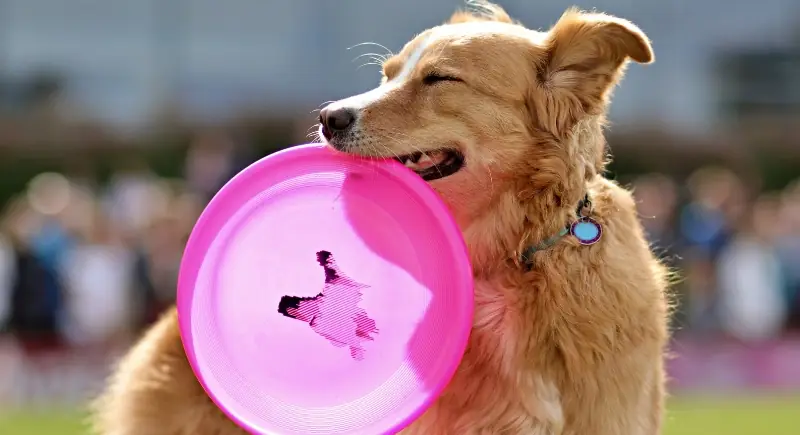
Recall doesn’t have to be a chore. Dogs are wired for play, and turning recall into a game boosts excitement. Try hiding and calling, or using recall as the start of a quick game of chase. If returning to you feels like fun, they’ll do it faster and with more energy, despite distractions pulling them elsewhere.
Expecting Instant Results Without Repetition

It takes more than a few backyard sessions to build recall that sticks in a crowded park. Consistency across weeks and locations is what makes recall reliable. Skipping this repetition may frustrate you and confuse your dog. Be patient and revisit the basics often.
Failing to Practice in Motion
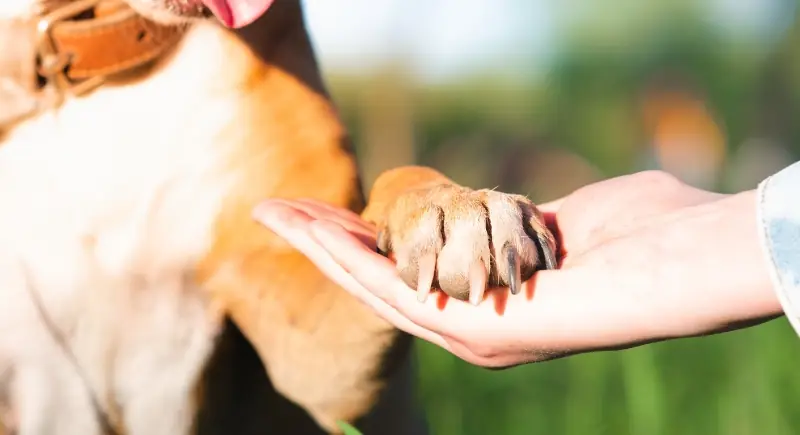
Dogs often follow motion more naturally than words. Yet many owners only practice recall while standing still. There should be times you recall them while walking or jogging away, or changing directions. This mimics real-life situations better and taps into your dog’s instinct to follow movement. Practicing recall dynamically helps build stronger habits and quicker responses.
Not Practicing Emergency Recall Separately
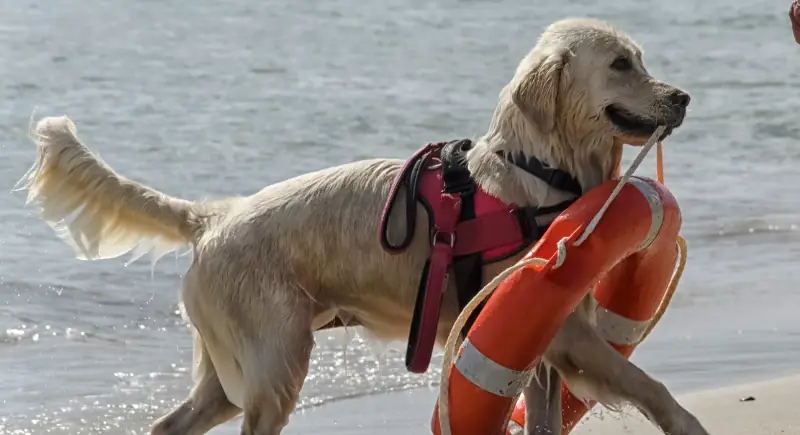
So, you’ve likely taught your dog a general recall, which is great. However, what happens when a truly urgent situation arises? A special word should be reserved only for serious situations. This special cue should guarantee an immediate, non-hesitant return. Train it with the absolute best rewards and avoid using it casually. A dedicated emergency recall could be a true lifesaver.
Ignoring Breed-Specific Motivation
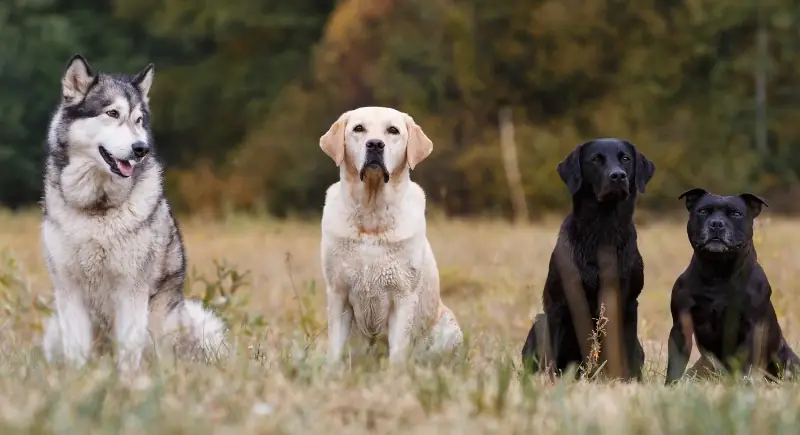
Some dogs chase, some sniff, and others guard. A Siberian Husky will ignore you for different reasons than a Basset Hound. Without tailoring recall games and rewards to your dog’s breed tendencies, you’re asking them to abandon their deepest instincts. Tapping into what naturally drives your dog turns recall into a willing decision, not an internal battle.
Calling Your Dog to You Only for Negative Things
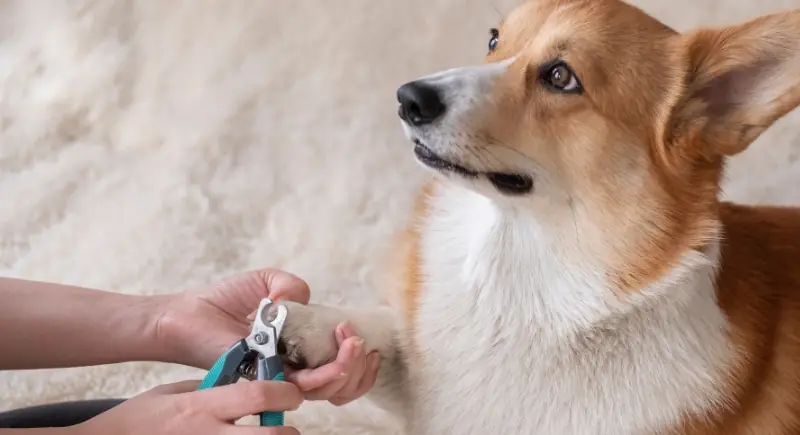
Dogs catch patterns fast. If “come here” always ends with nail trimming, bath time, crate time, or leaving the park, the recall cue starts sounding like bad news. That hesitation grows. Mix recall into games, treats, praise, and random check-ins instead, so returning to you keeps paying off in your dog’s mind.
Moving Toward Your Dog While Calling
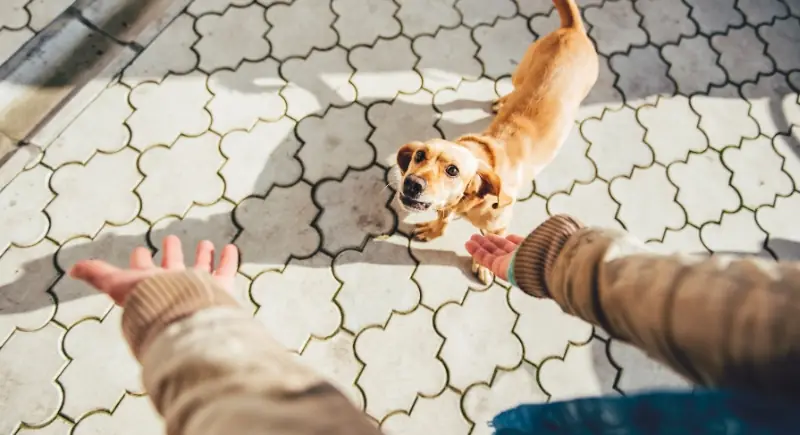
Some dogs back off the second a person marches toward them, calling their name. It can feel like pressure, especially with nervous dogs or puppies still learning recall. Drop lower instead. Clap, step backward, or turn it into a chase game. A dog that sees space usually closes the distance faster.





