
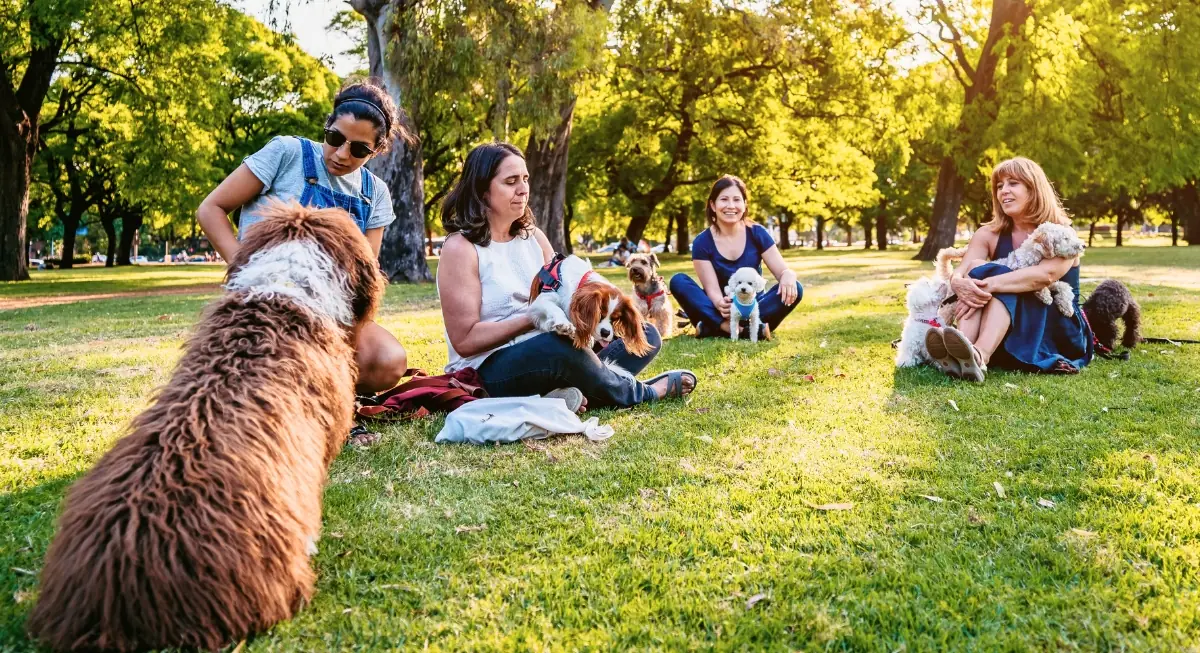
Dog parks can turn stressful fast when owners stop paying attention. One distracted moment near the gate, one overly rough dog, or one nervous puppy getting overwhelmed can change the whole vibe. Most problems people complain about at dog parks usually start with small things that owners do without realizing it.
The good part is that proper dog-park etiquette is pretty simple. Watch your dog, respect other dogs and owners, and pay attention to the energy around you. Sometimes the best decision is leaving early before things spiral into barking, chasing, or a fight nobody wanted.
Waiting At The Gate
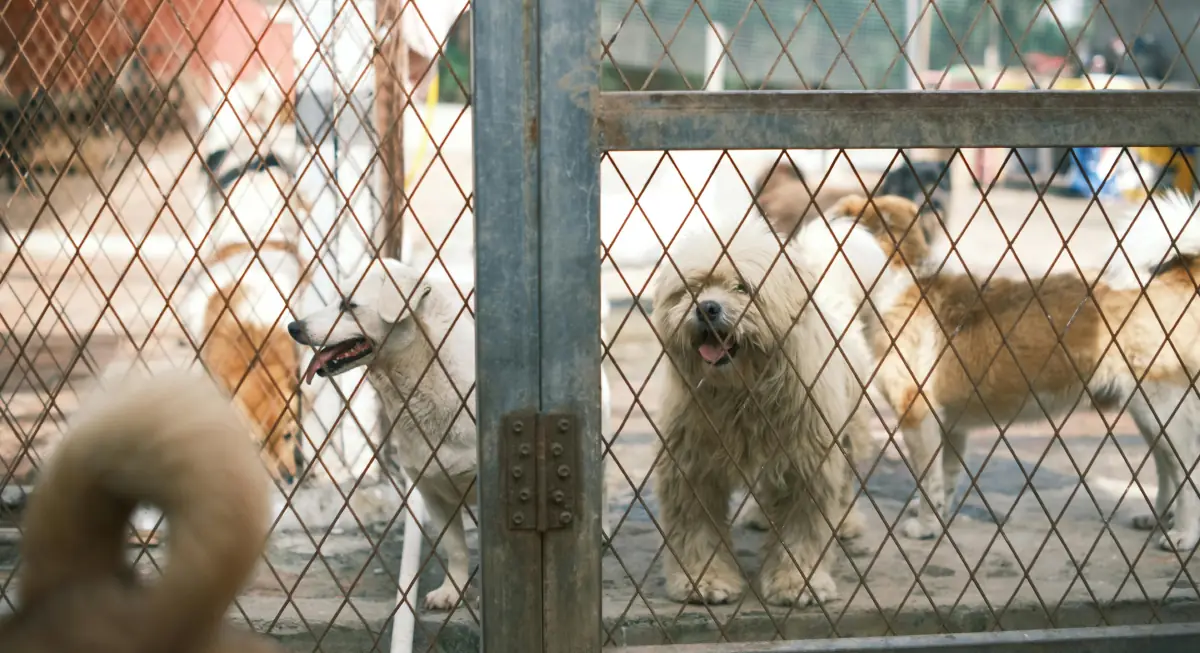
A crowded dog-park entrance can overwhelm a newcomer fast, even when the other dogs are friendly and just excited. Waiting a moment for the gate area to clear usually makes things much easier, especially for nervous or younger dogs. Walk through the double gates calmly, unclip the leash once your dog has space to settle in, and keep moving instead of lingering near the entrance, where dogs tend to crowd, stare, and build tension.
Stuffing Your Pocket With Treats
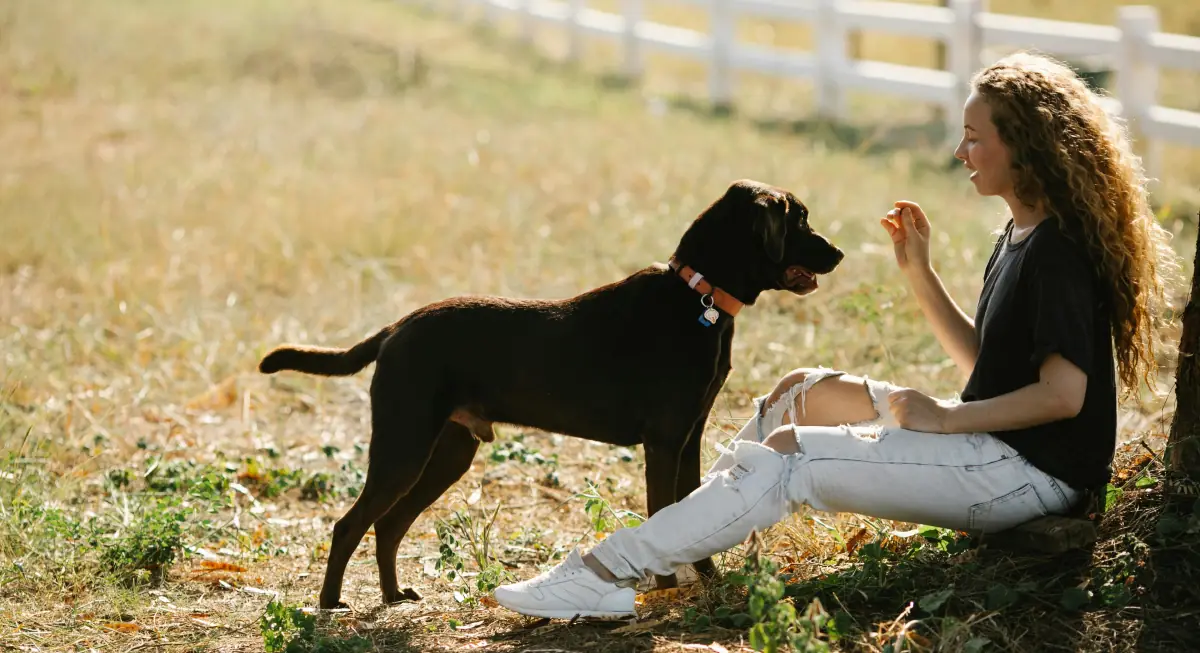
Carrying treats turns owners into the center of attention for the wrong reasons. Food smells can easily trigger begging, crowding, or resource guarding among strange dogs. To keep the peace, save the training snacks for outside the fence line. Giving your pup their reward outside the park area is usually the safer move.
Choosing The Wrong Section
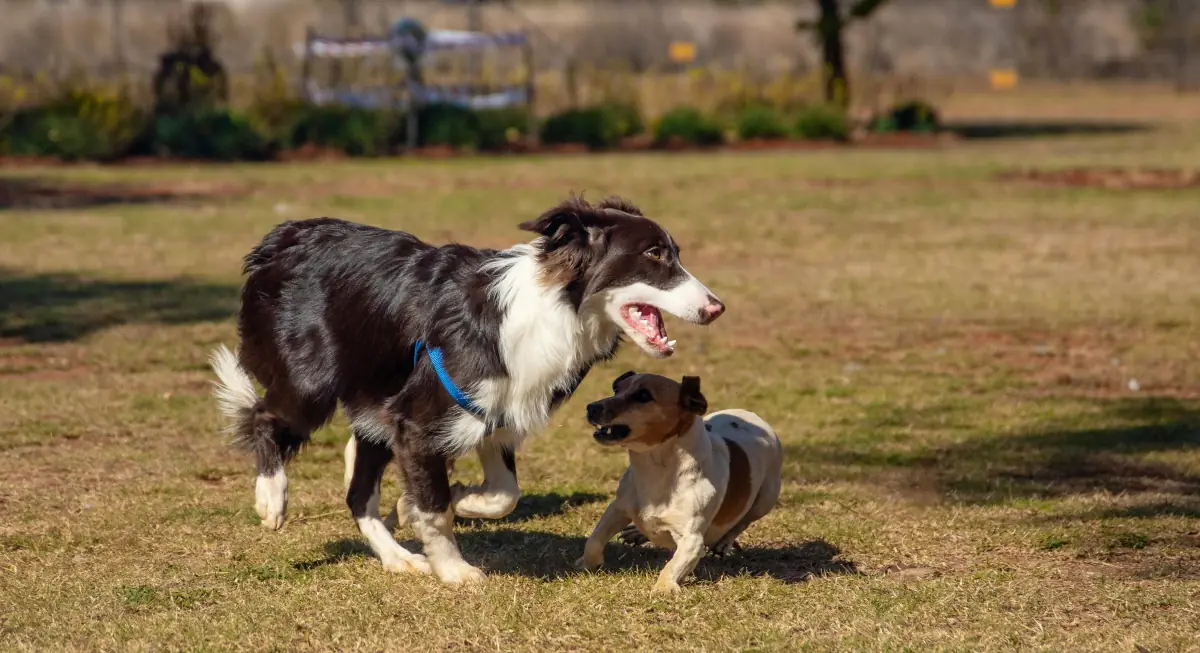
Many parks set up separate zones for small and large dogs for a reason. A big, enthusiastic canine might accidentally injure a smaller breed during play. These boundaries allow animals to socialize with peers of similar weight and energy levels. Avoid moving a large pet into the small section just to escape a crowd. This helps reduce the risk of rough interactions and keeps the park safe.
Checking Out Mentally
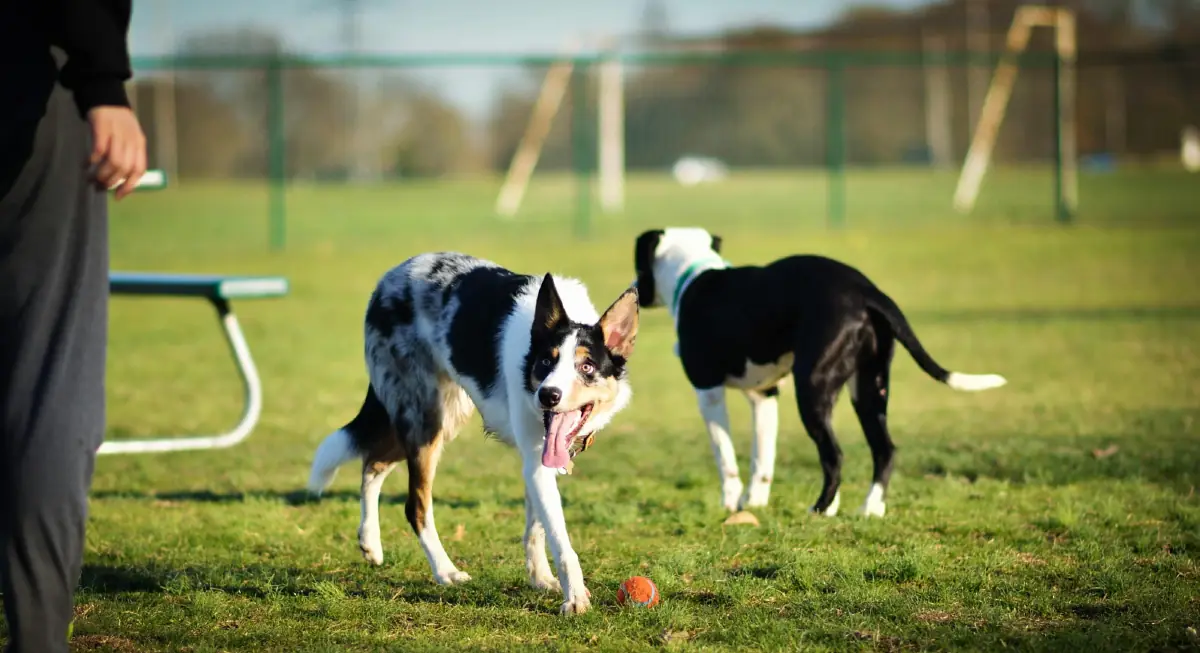
Being physically present at the dog park does not mean much if your attention is somewhere else. Dogs constantly communicate through body language, and small changes matter more than people realize. A stiff posture, nonstop chasing, pinned ears, or a smaller dog trying to hide are usually early signs that things are getting uncomfortable. Keeping the phone away makes it much easier to step in early before rough play turns into a real problem.
Showing Up With A Sick Dog
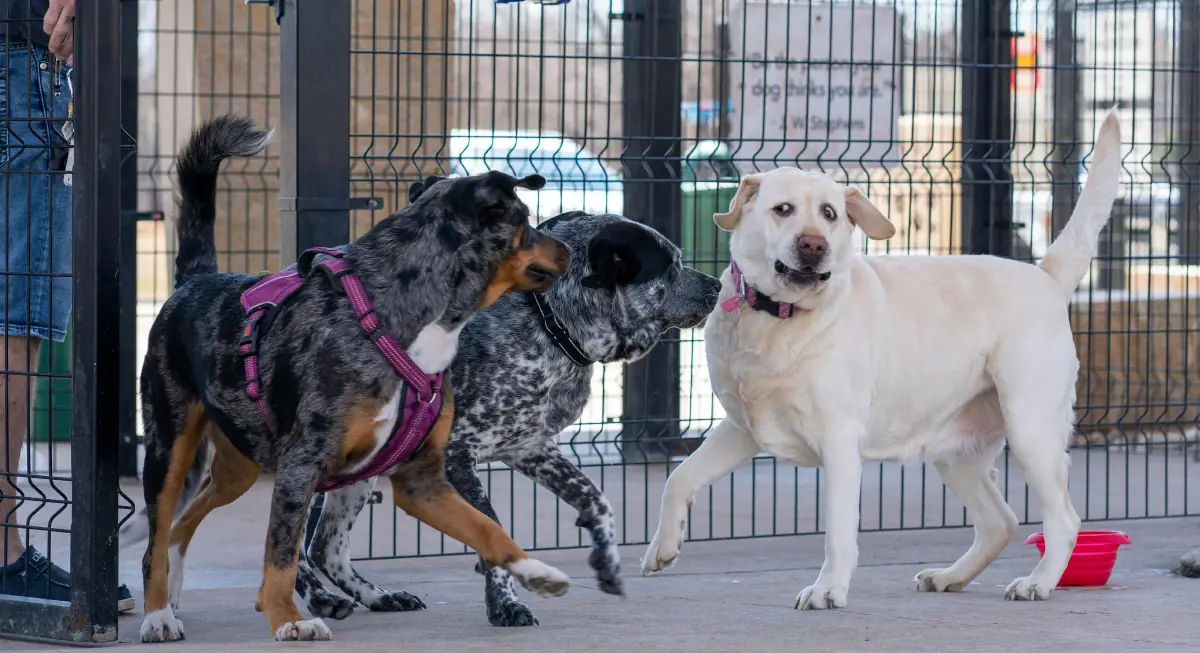
Keep a sick or sluggish pet away from the park. Shared water bowls and close contact facilitate the spread of germs. Also, a pet that is friendly on a good day may become less tolerant, defensive, or reactive when feeling unwell. Skipping a play session reduces the risk of other animals catching an infectious disease. It also gives the dog a chance to rest and recover.
Visiting the Park Too Early
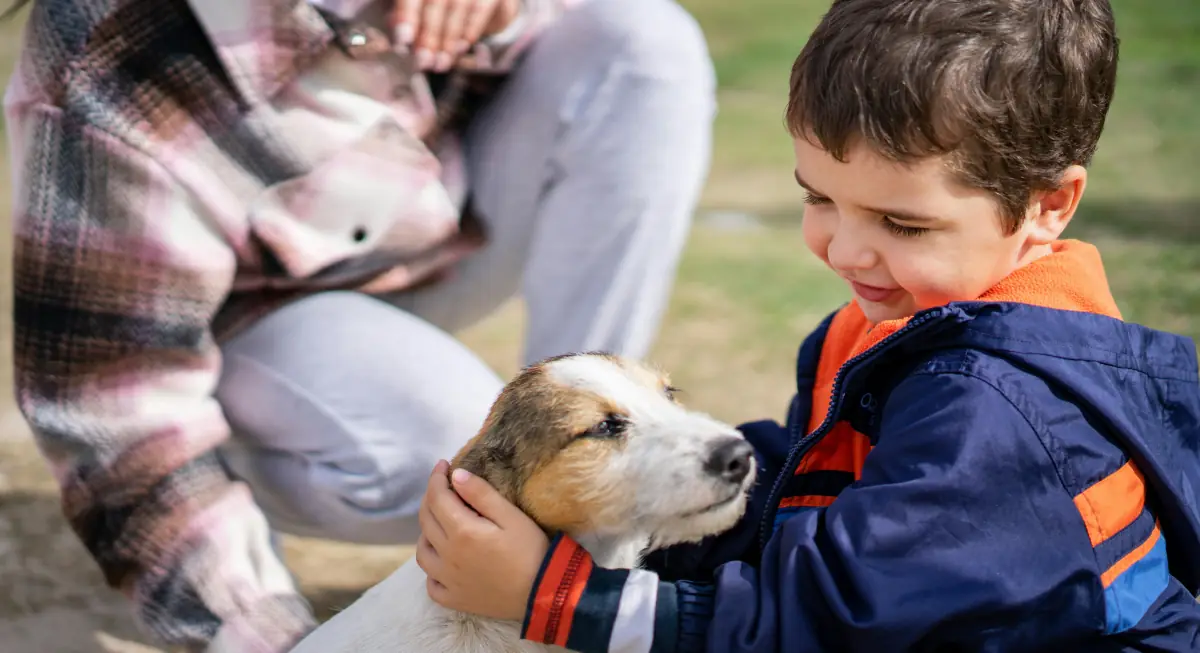
Dogs under four months old, especially those still completing vaccinations, should avoid parks and other high-traffic areas with unknown dogs unless a veterinarian advises otherwise. Unfamiliar pets can easily pass along dangerous illnesses in public areas. Instead, introduce your puppy to the world through controlled environments. Vet-approved training classes or playdates with known, healthy dogs offer much safer ways to build social skills early on.
Encouraging Rough Play
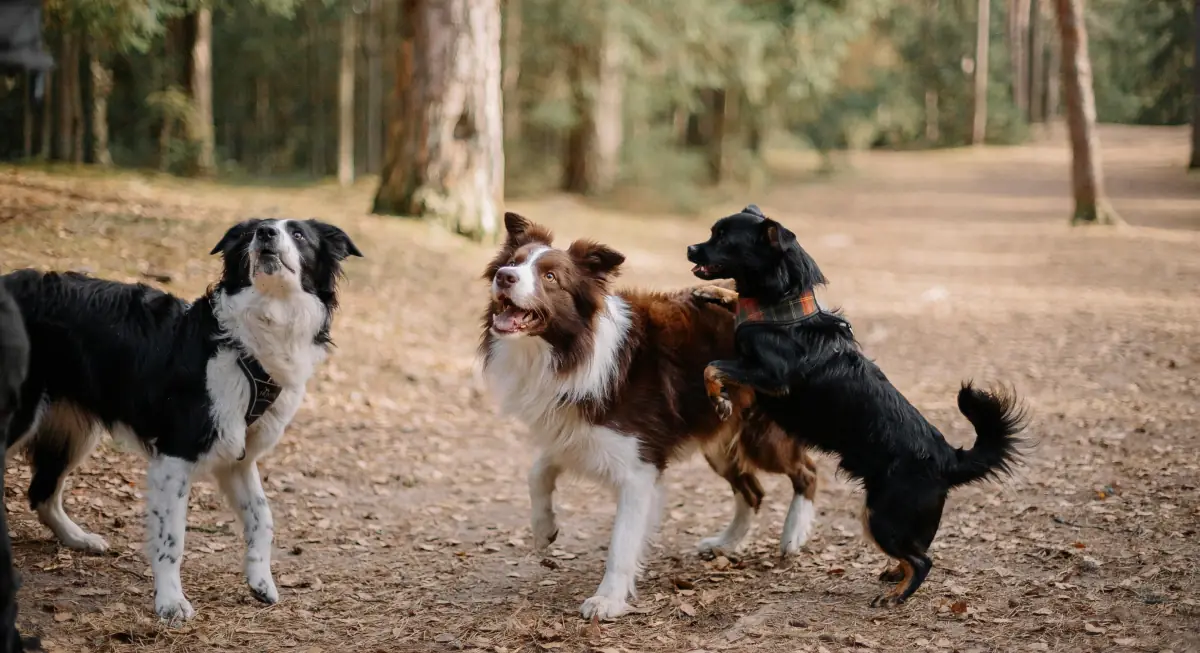
Some dogs love chasing and wrestling, but good play still has balance. Dogs should take turns, pause occasionally, and look relaxed instead of frantic or tense. Problems usually start when one dog keeps pinning, cornering, or chasing another that is clearly trying to escape or hide. A wagging tail can still come with stress or overstimulation, so it helps to call your dog back before the energy gets too intense and everyone starts feeding off it.
Skipping The Cleanup
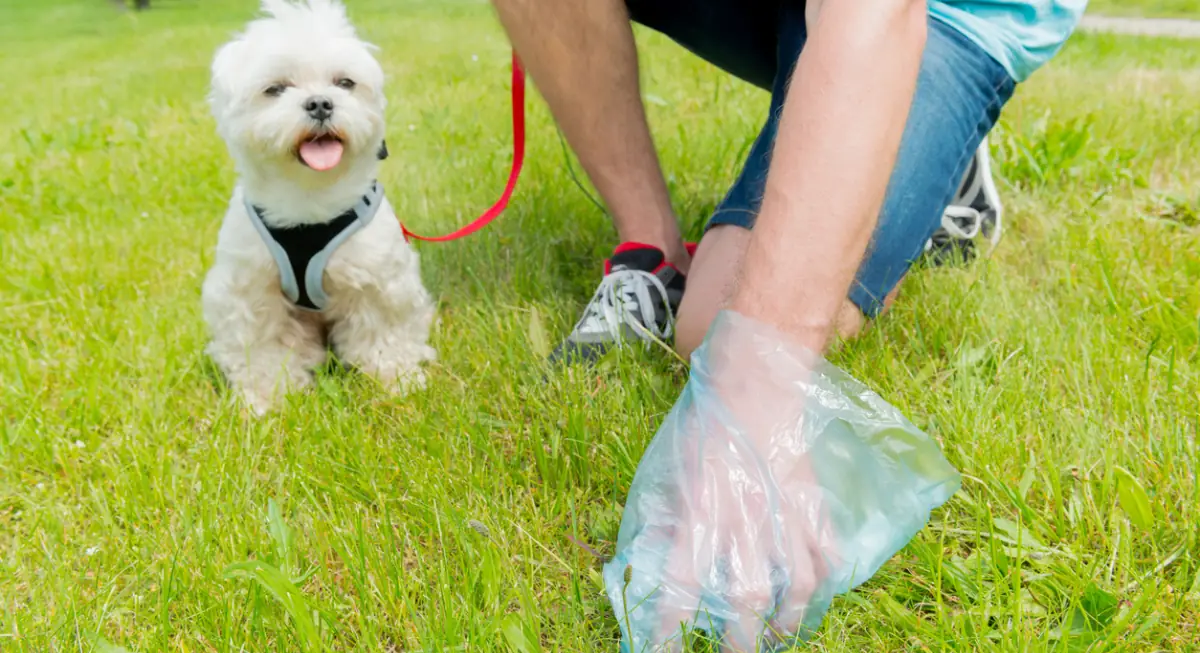
The most basic rule of the park requires full attention from the start. You need cleanup bags ready before letting the dog off the leash. Do not wait until a pet wanders off to look for one. Always pick up waste and toss it into a proper trash can. Take it home if the bin is full. Leaving a mess ruins the entire area for the next visitor.
Turning A Visit Into A Marathon
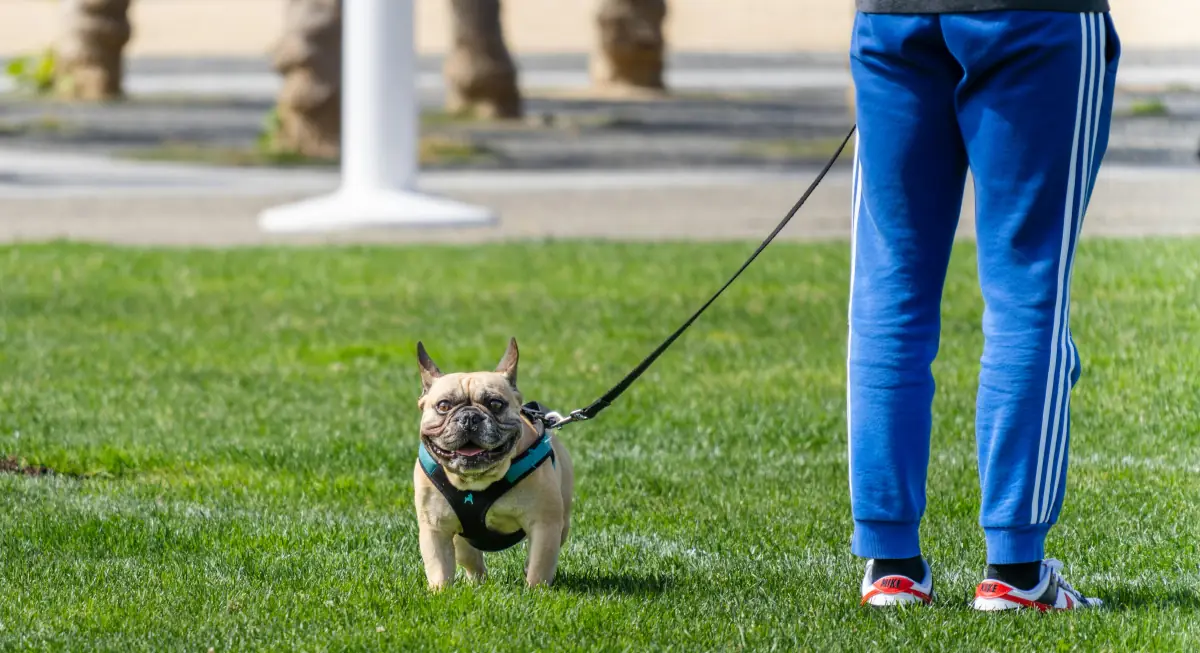
Keep visits brief. A 30-minute visit can give many dogs plenty of playtime without pushing them toward exhaustion or overstimulation. Watch for signs of fatigue, such as slow movement, crankiness, or hanging around the exit gate. Heading home while your pet is still happy works better than waiting for a meltdown. Ending on a positive note ensures they look forward to the next trip.
Pushing A Dog To Join In
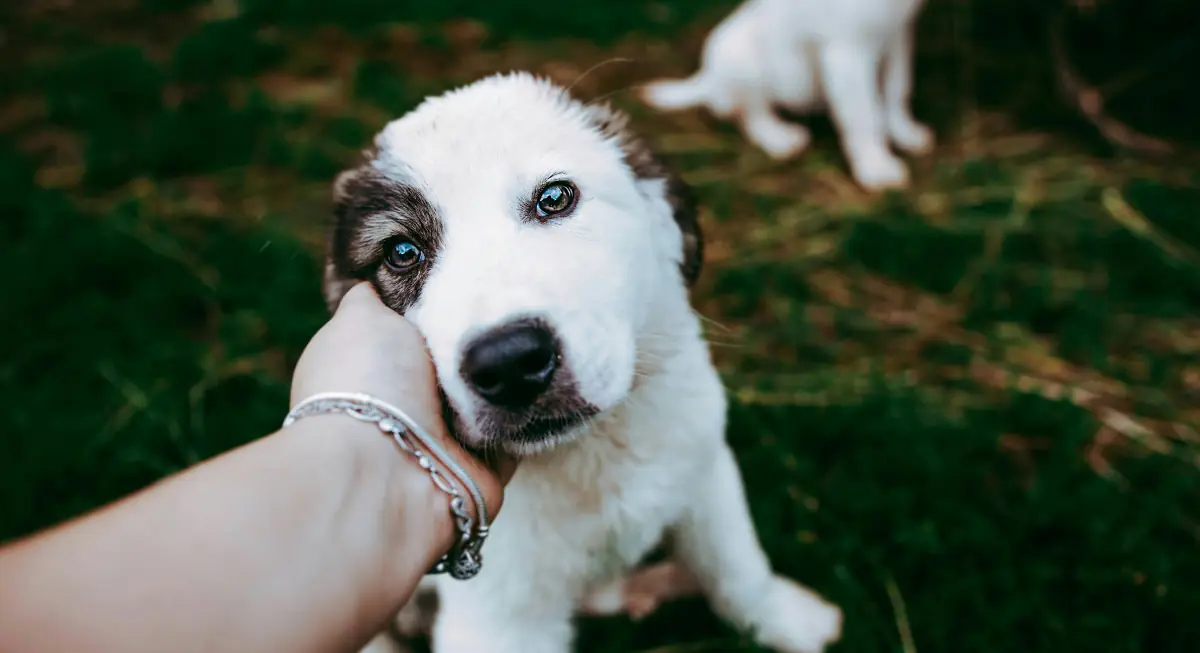
Many canines prefer skipping the park entirely. If a pet hides behind, avoids the pack, or waits by the gate, pay attention. They are telling you how they feel. Head out for a quiet walk or set up a small playdate with one familiar friend. Dogs can stay fit and happy without big group settings. Smart pet ownership means knowing a dog’s preferences.





