
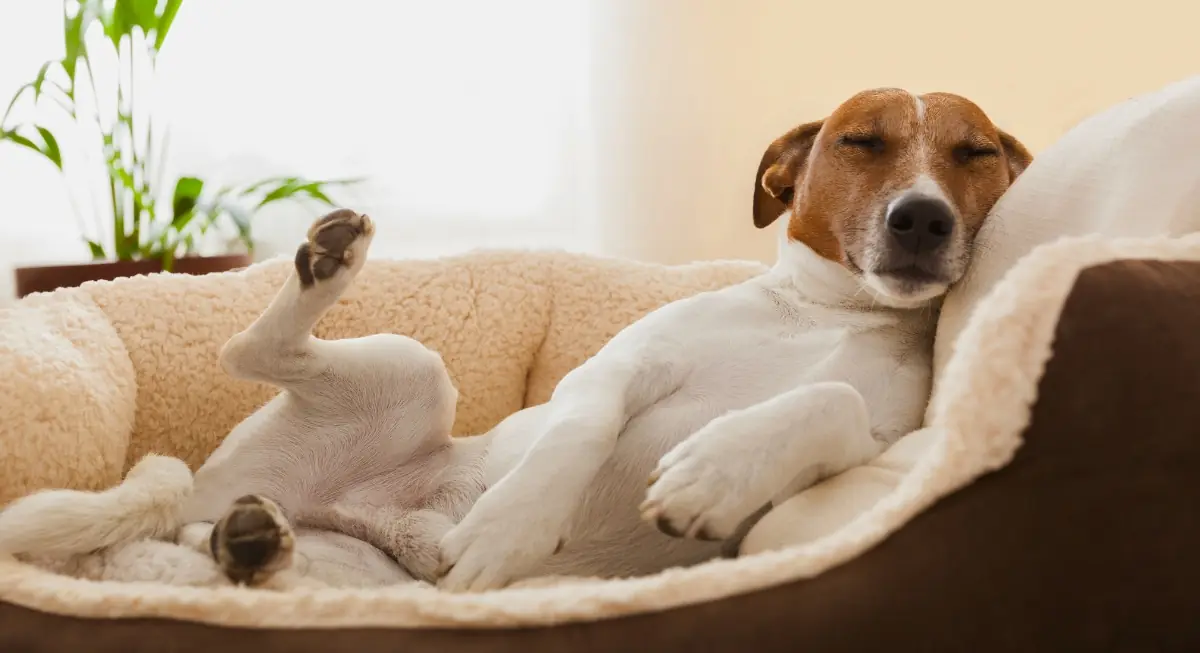
Dogs don’t settle into sleep at random. The position they choose usually reflects how they’re feeling in that moment, from temperature and comfort to their sense of safety. Some dogs stretch out with their bodies exposed, while others curl up tightly or stay partially alert.
Once you start paying attention, these positions offer useful clues. They can show whether your dog feels relaxed, needs support, or is simply trying to stay comfortable.
Side Sleeper
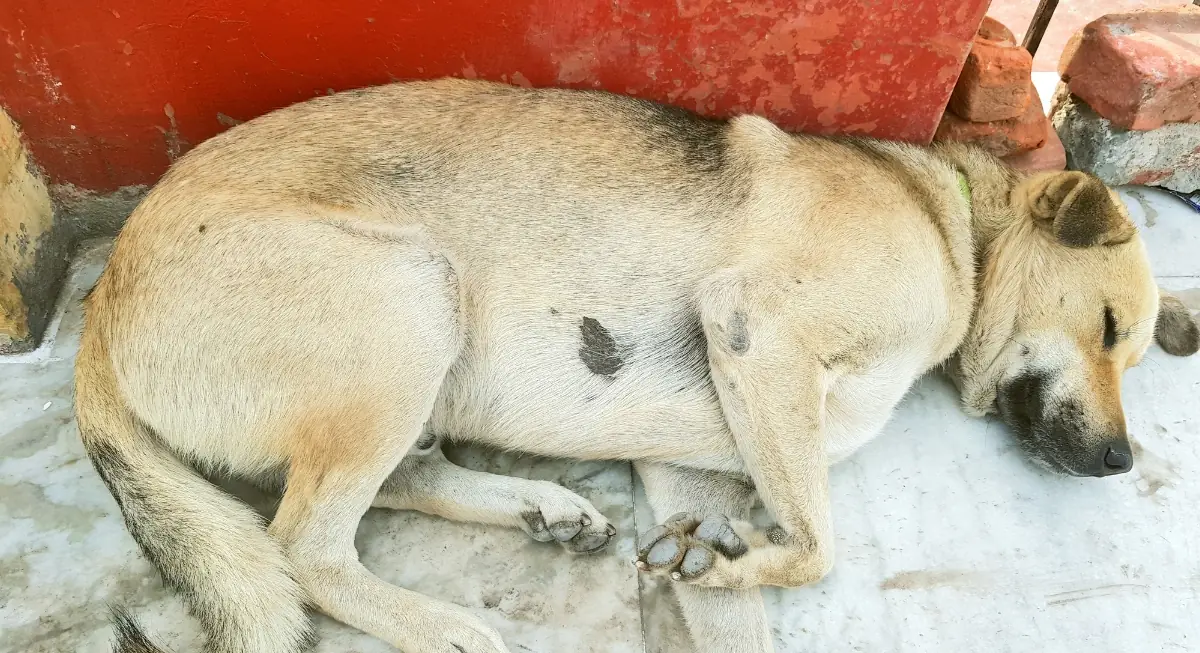
When a dog lies on its side with legs stretched out, it usually means they feel secure and at ease. This position leaves part of the belly exposed, something dogs avoid unless they’re comfortable in their surroundings. It also allows for deeper sleep, so small movements like twitching paws are common. Dogs that rest this way are typically relaxed and not concerned about what’s happening around them.
Belly-Up
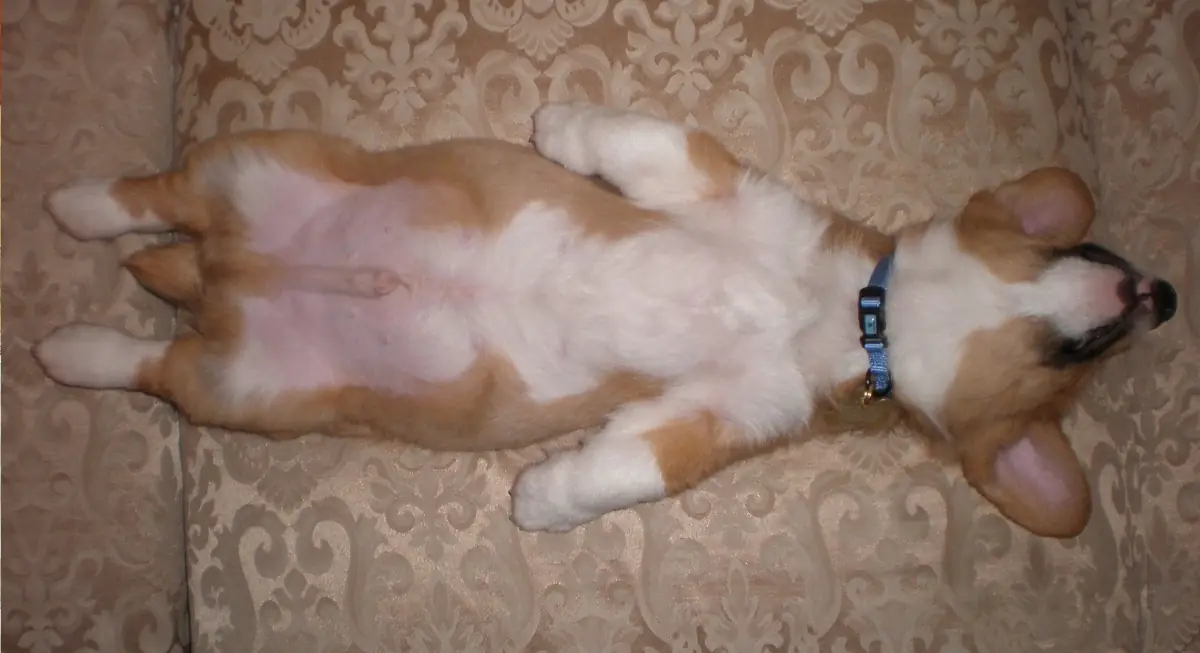
Paws in the air and belly fully exposed is as open as it gets. Dogs only settle like this when they trust their environment. It also helps regulate body temperature, since heat escapes through the belly and paws. Younger dogs show this more often, while older ones may avoid it if it strains their back.
Lion Pose
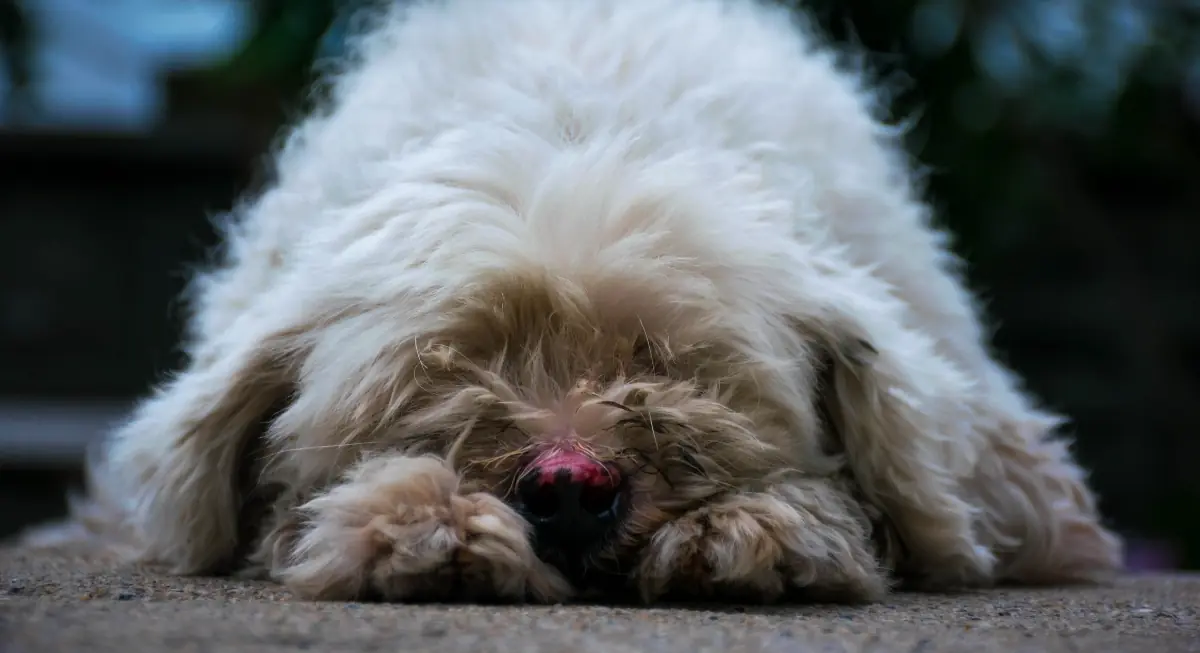
When a dog wants to relax without fully switching off, it may rest with its head on its paws and body tucked underneath. This position looks like sleep but isn’t deep rest, and the dog can get up quickly if needed. You’ll often see it near doorways or around family members, where it can stay close and keep an eye on things.
Superman
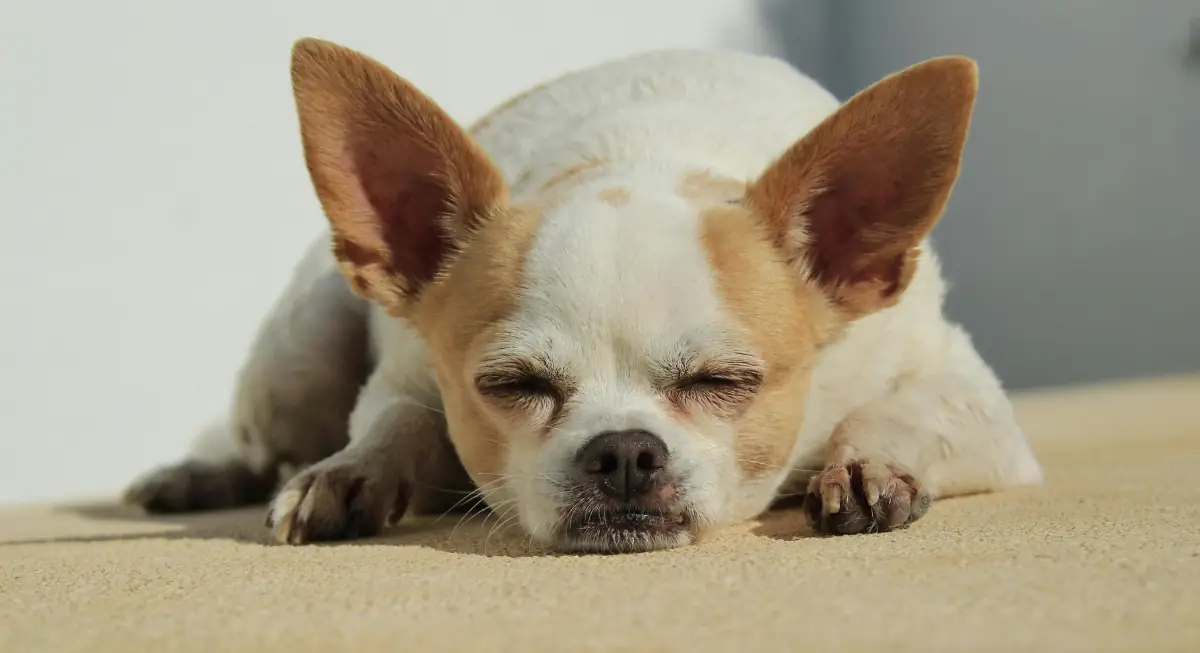
Belly down with legs stretched out usually signals a light, short rest rather than full sleep. This position shows up most in puppies and high-energy dogs that tend to stay active throughout the day. It allows them to relax briefly while staying ready to move again. You’ll often notice they shift out of it quickly and get back to whatever had their attention.
Donut (Curled Tight)
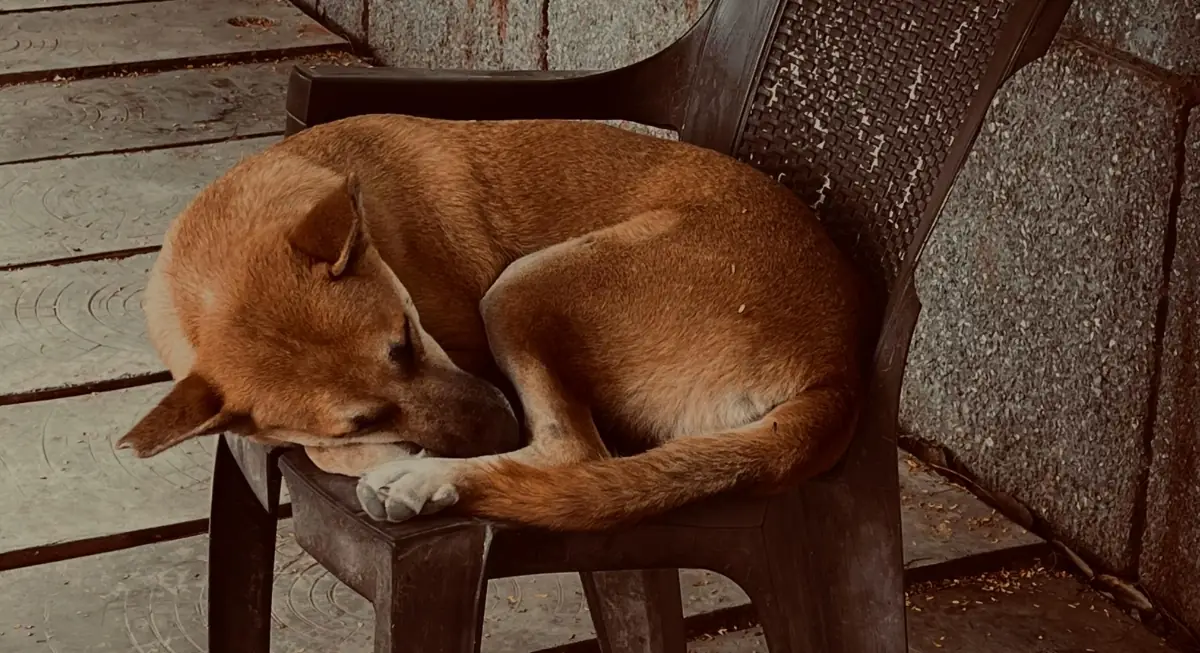
When a dog curls into a tight ball with their nose near their tail, they’re closing off their body. This protects vital organs and traps heat, which makes it useful in colder conditions. You’ll also see it in dogs that are still adjusting to a new space or staying cautious. If this shows up suddenly in a usually relaxed dog, it can signal discomfort.
Cuddle Bug
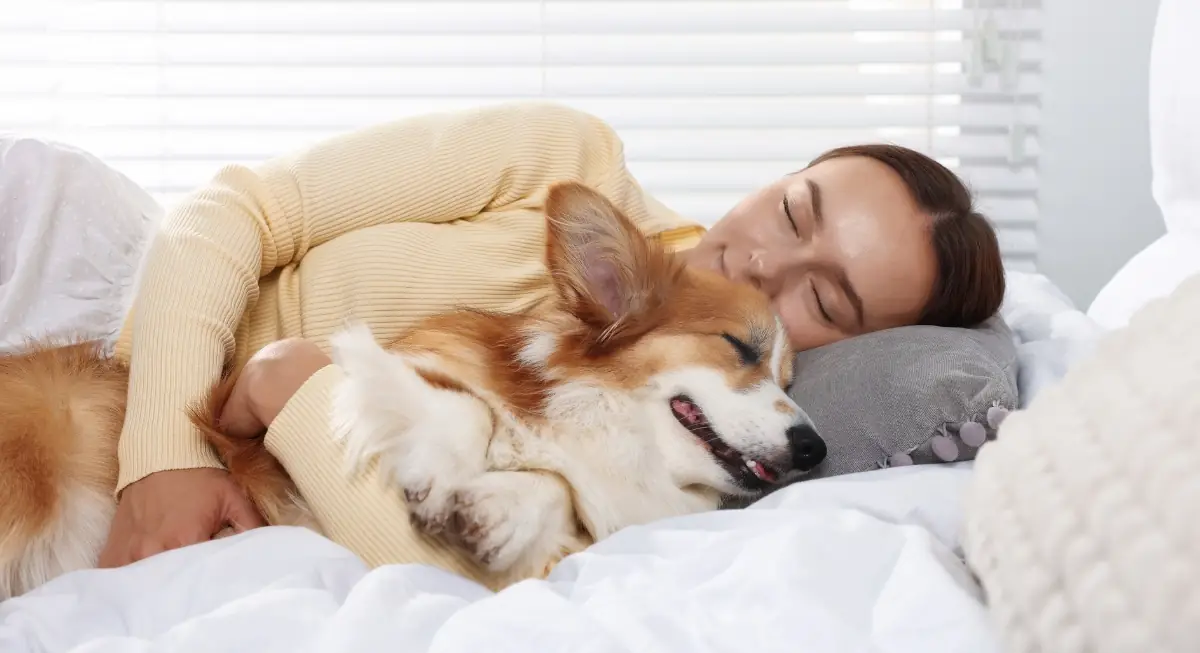
Some dogs don’t just sleep near you; they press into you or another pet and stay there. This behavior comes from early life, when sleeping close to littermates meant warmth and safety. As adults, it carries over as attachment. Dogs that do this are comfortable and choose contact as part of how they settle down.
Burrower
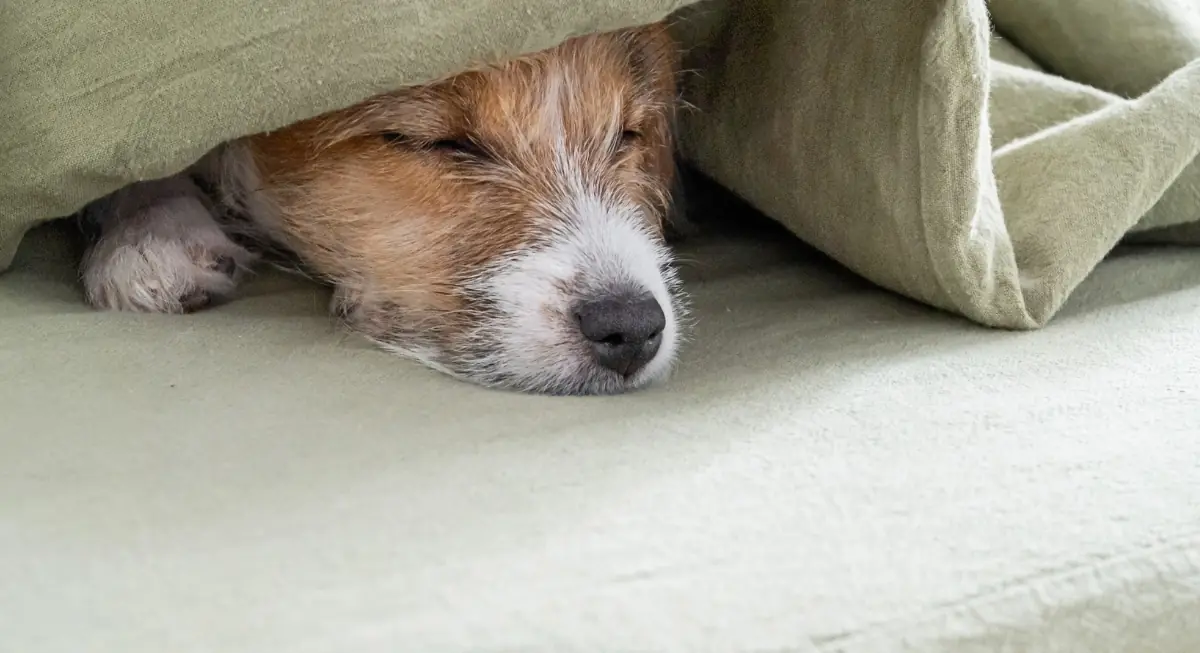
If a dog pushes underneath and disappears into blankets, pillows, or laundry piles, they’re building a covered space. This blocks light, sound, and movement around them. It’s often about comfort, but it can also be a way to settle nerves. Dogs that burrow are creating a more controlled environment where they can relax without outside distractions.
Back-to-Back
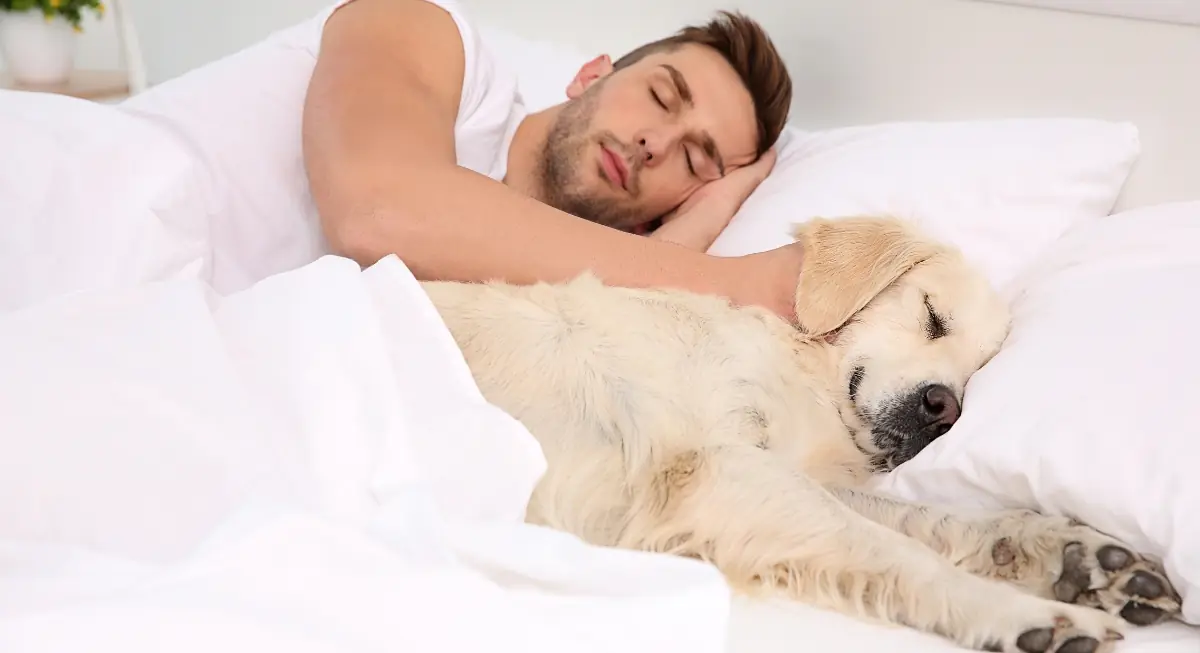
Instead of curling into you, some dogs place their back against you or another pet. It’s a quieter form of contact, but it carries the same message. This position shows trust and a sense of belonging within their group. They’re not seeking attention but anchoring themselves to something familiar while they rest.
On a Cold Surface
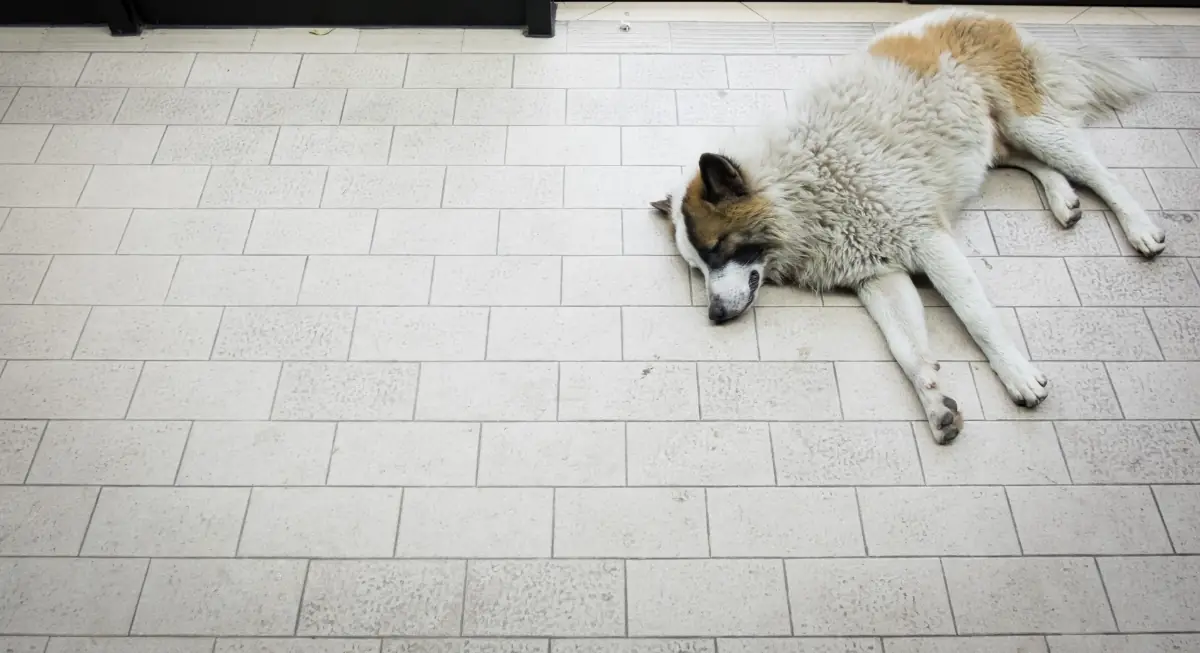
Tile floors, concrete, and shaded spots are places you find dogs stretched out to manage heat. The goal is simple: get as much body contact with that cool surface as possible. You’ll often see the belly pressed down to maximize cooling. It’s a direct response to temperature, but may also depend on mood or behavior.
Head and Neck Raised
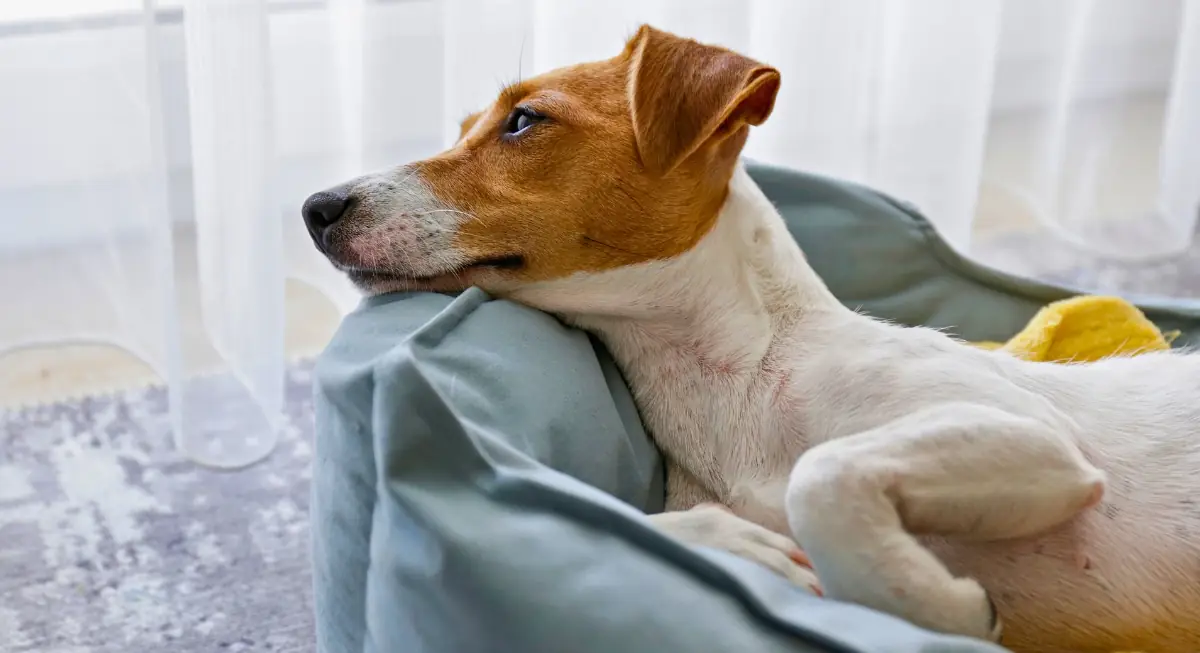
Some dogs sleep with their head propped up on the edge of a bed or cushion. For many, it’s just a preference. But when it shows up consistently, it can point to breathing or airway comfort. Elevating the head can make it easier to get air, especially in dogs with shorter snouts or underlying issues.





