
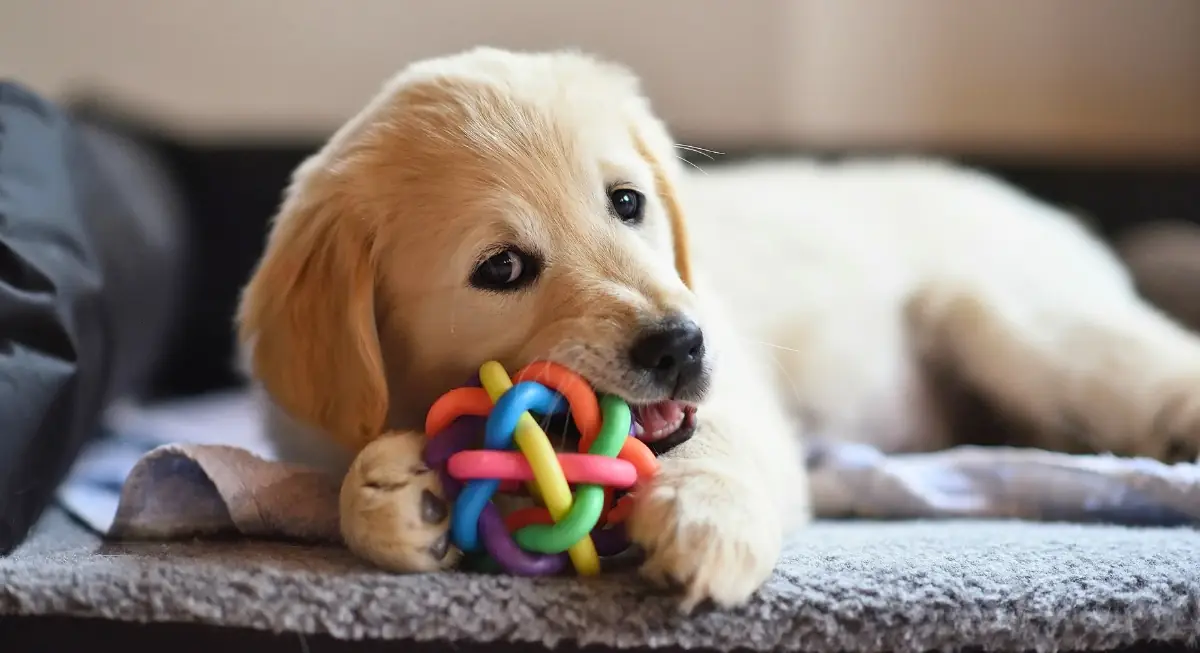
Some dogs cycle through toys without a second thought, but others remain loyal to just one. These toys are chewed, faded, and barely holding together, but they are still their favorites.
This isn’t random. Dogs form genuine emotional attachments to toys, shaped by instinct, memory, and a sense of comfort. Understanding why your dog keeps going back to that one toy can reveal a lot about their personality and emotional world.
It Satisfies an Instinctive Drive
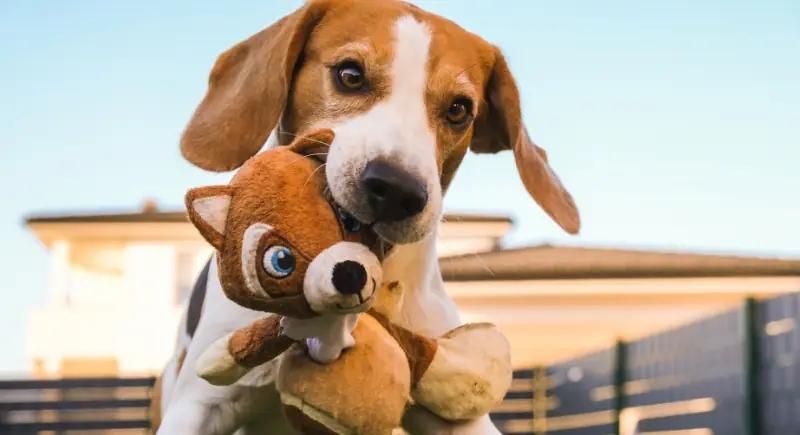
For dogs with a high prey drive, a toy is a substitute for the thrill of the chase. Squeaky toys, in particular, trigger a primal response because they mimic the sound of injured prey. This can be especially common in terriers and hounds, who were bred for that very instinct.
The Texture Appeals to Their Mouth
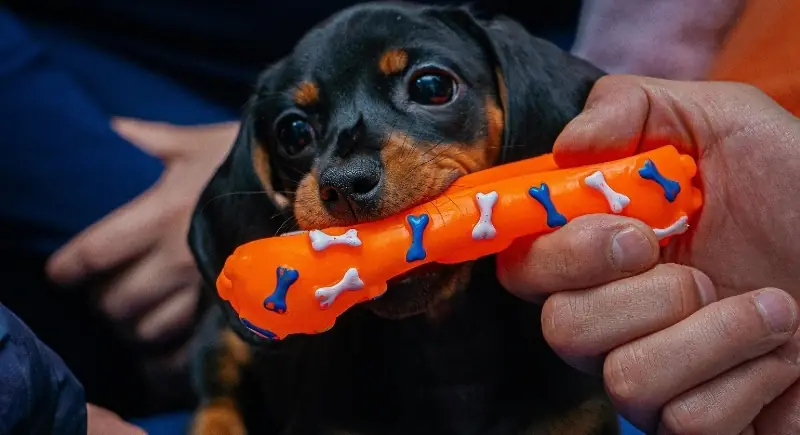
Your dog’s mouth is packed with nerves, so the texture of a toy makes a huge difference. Some dogs prefer soft, plush toys that compress easily, while others like firm, rubber-like textures that provide more resistance. Teething pups might latch onto whatever feels good on sore gums and never let go.
They Associate the Toy With Positive Interactions
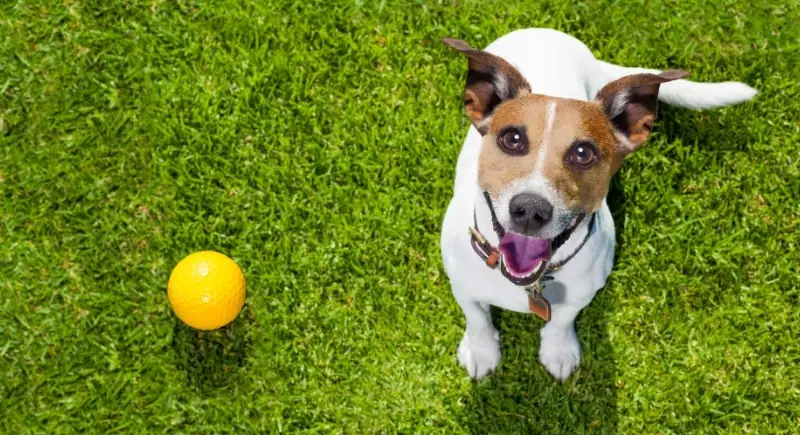
Dogs remember objects tied to good things. If a specific toy appears during tug games or shows up with treats and affection, your dog will likely form a positive association with it. Over time, it becomes their go-to simply because it’s their “fun” object.
The Toy Acts as a Soothing Object
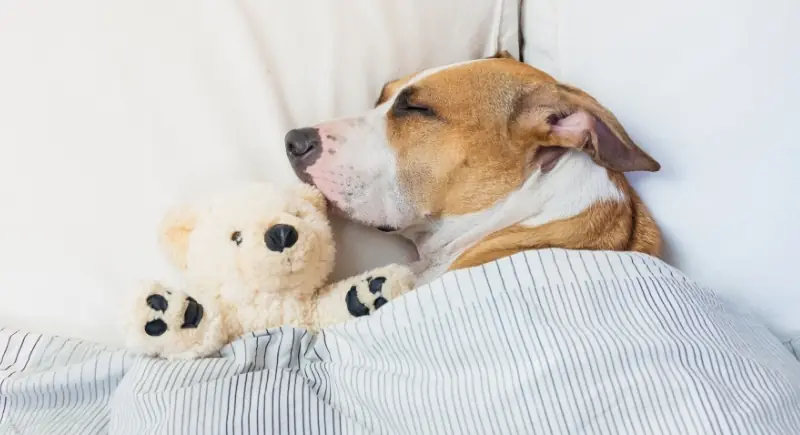
Just like humans carry a comfort item, some dogs rely on a familiar toy during moments of anxiety. A worn toy that smells like their home or owner offers stability during times of change, travel, or solitude. Many dogs carry these toys into crates, beds, or unfamiliar places because the object helps reduce anxiety and allows them to self-regulate.
They Picked It During a Sensitive Stage
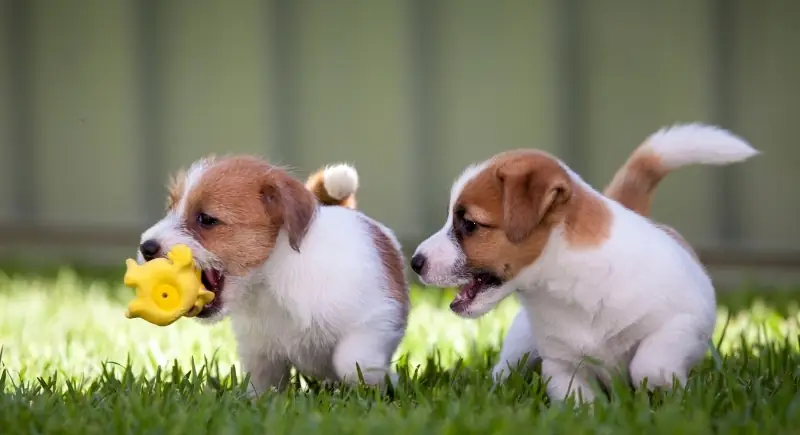
Puppies that receive a toy during a key developmental window, such as early weaning or transitioning to a new home, may form long-term attachments. The toy becomes familiar during uncertainty, so dogs continue to seek it out even as they mature.
The Toy Represents Ownership
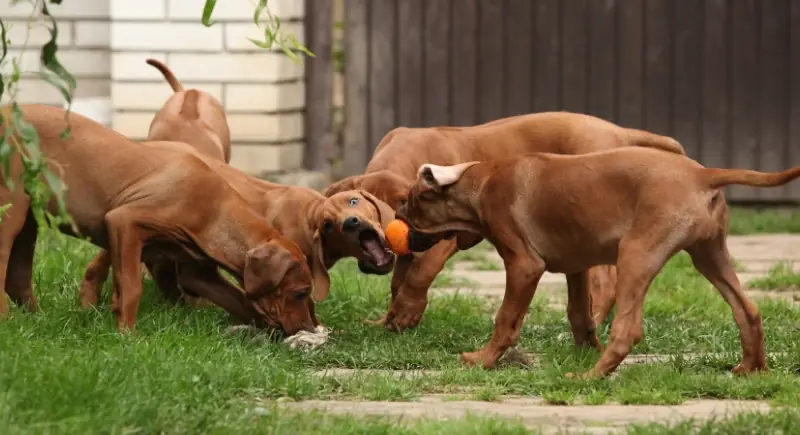
Sometimes, a toy is treated like it’s property. Dogs may guard a particular toy from others, especially in households with multiple pets. This behavior reflects natural resource-guarding instincts. If your dog hides or carries a certain toy everywhere, they may be expressing ownership, especially if they live with other animals.
The Toy Has Become Part of Their Routine
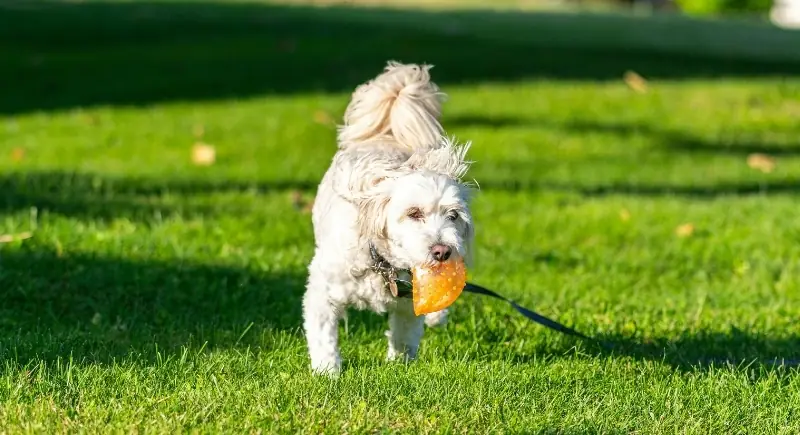
Some toys just slip into daily habits; dogs carry them to bed, bring them on walks, or greet you with them at the door. These behaviors become rituals that signal transitions or provide comfort during changes in the day, like bedtime or separation.
Breed Tendencies Influence Toy Choice
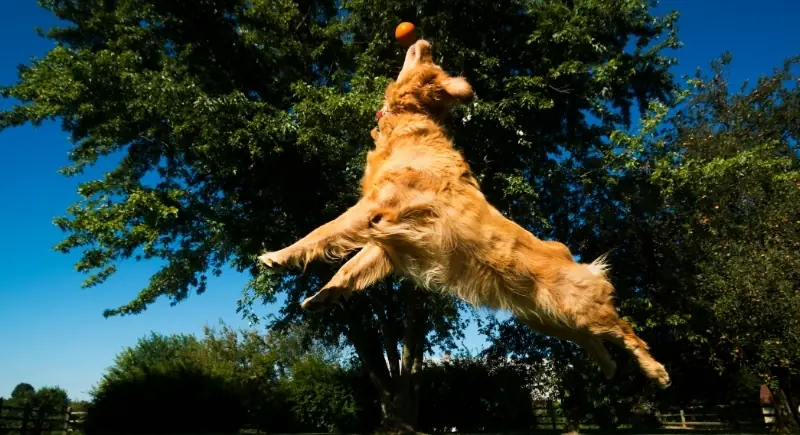
Breeds have distinct play styles, influenced by their working history. Retrievers often love fetch toys because they were bred to retrieve game. Herding breeds may prefer toys they can corral or chase. Recognizing your dog’s genetic background helps explain why they are drawn to certain toys over others.
The Toy Helps Manage Separation Stress
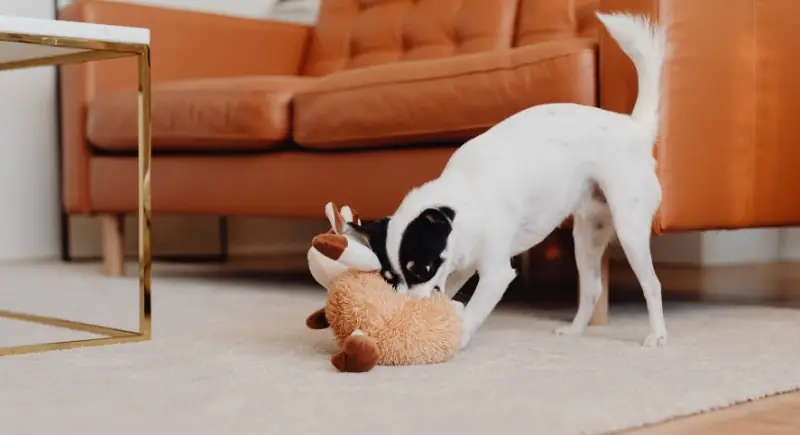
When you’re not home, a beloved toy often becomes a stand-in. Dogs will snuggle with it or carry it from room to room. The familiar scent and feel help regulate their emotions and pass the time more peacefully. These behaviors act as self-soothing mechanisms.
Human Behavior Reinforces Attachment
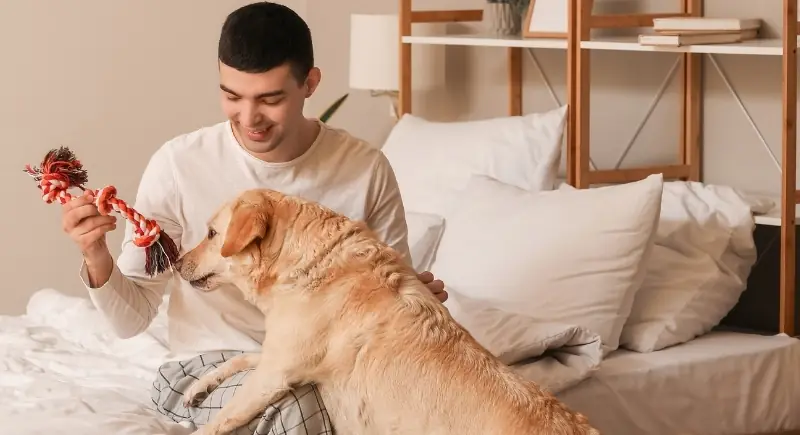
Dogs are expert observers. If you fuss over a toy, they notice. Your behavior suggests that the item is essential. So even if you’re just trying to keep it clean, your dog might double down on loving it simply because you do, too.





