
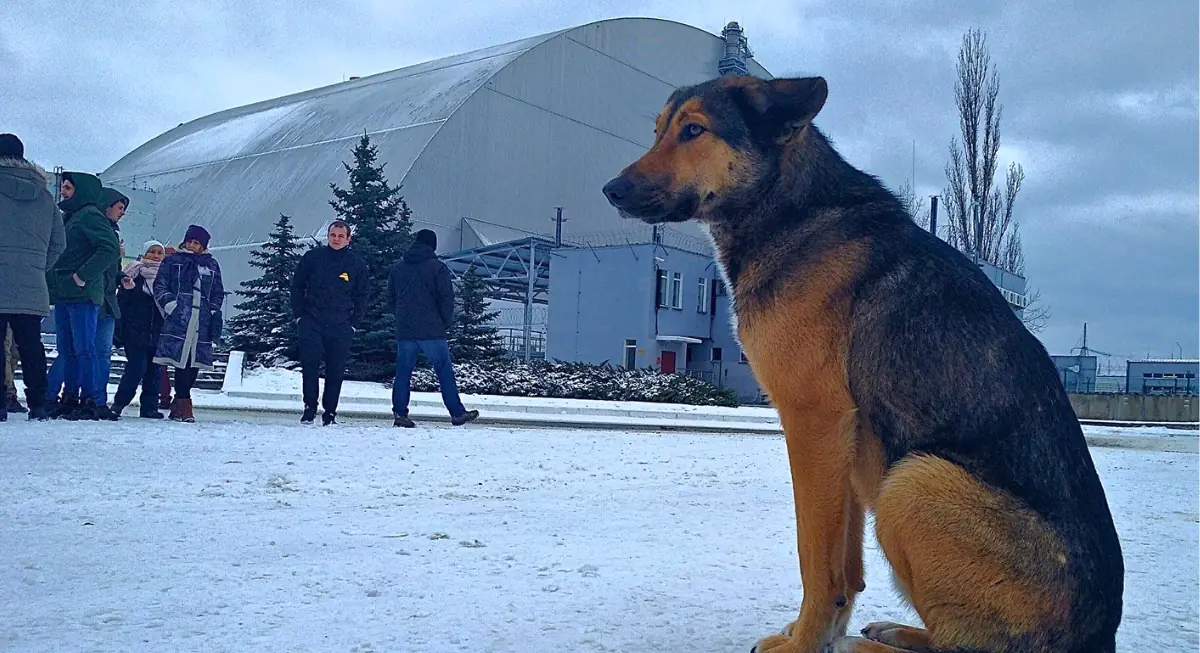
When a nuclear disaster struck Chernobyl in 1986, it turned a bustling Soviet city into a ghost town by forcing residents to leave everything behind, including their pets. Today, they’re known as Chernobyl dogs. These creatures were left behind to fend for themselves in the radioactive ruins. They have built a resilient life among the abandoned buildings that continue to spark worldwide fascination.
The Chernobyl Disaster: How It All Began

On April 26, 1986, life changed forever in Pripyat, Ukraine. A late-night safety check at Reactor 4 at the Chernobyl Nuclear Power Plant spiraled out of control. A surge of energy blew the reactor open while blasting radioactive material across Europe. While people escaped the danger, many animals stayed behind.
The Forgotten Pets Left Behind
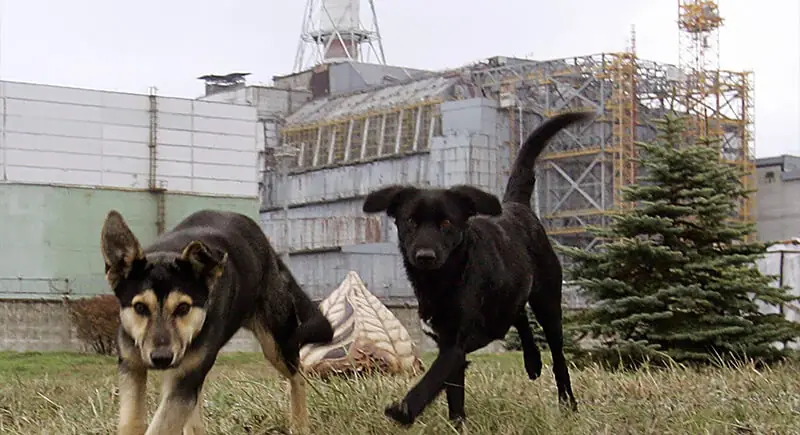
When the evacuation order came, residents had to pack light and leave quickly. Tragically, they were also told to leave their pets. Once spoiled with food scraps and cozy beds, hundreds of dogs suddenly faced an abandoned world. Some rescue teams tried to reduce contamination risks by dealing with stray animals.
Chernobyl’s “No-Go Zone” Becomes an Accidental Wildlife Sanctuary
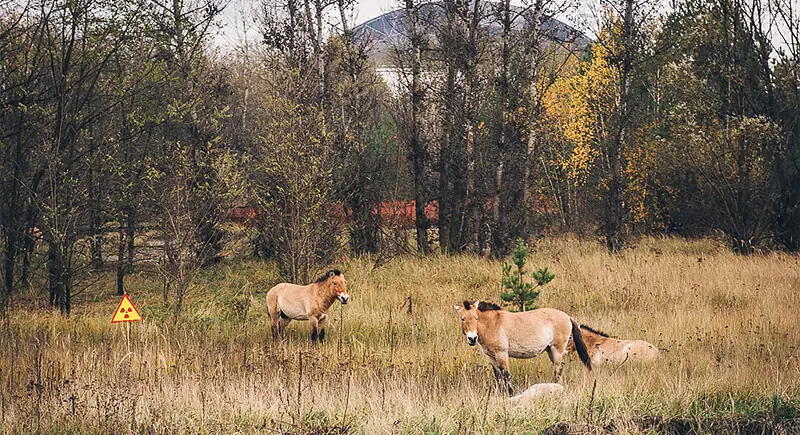
Without human activity, nature took over. Pine forests swallowed playgrounds. Wolves, deer, and even rare wild horses claimed abandoned neighborhoods. The absence of farming, construction, and hunting gave local wildlife a strange opportunity to bounce back. Among the survivors, the dogs of Chernobyl found shelter in empty homes and old factories.
Life in the Shadow of Radiation
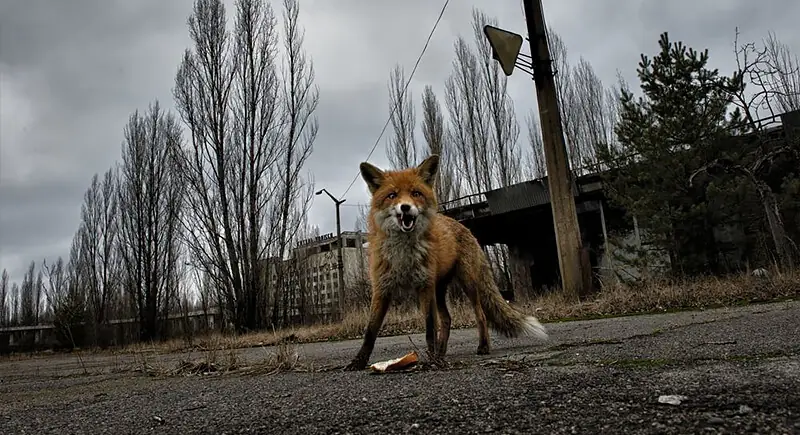
In the first days after the explosion, radiation levels around the reactor were intense. Some animals suffered strange changes, while others simply disappeared. Yet, over the decades, life stubbornly pushed back. The dogs that grew up here adjusted to an invisible hazard no pet owner would ever expect to encounter.
Pack Life: How the Dogs Learned to Survive Together
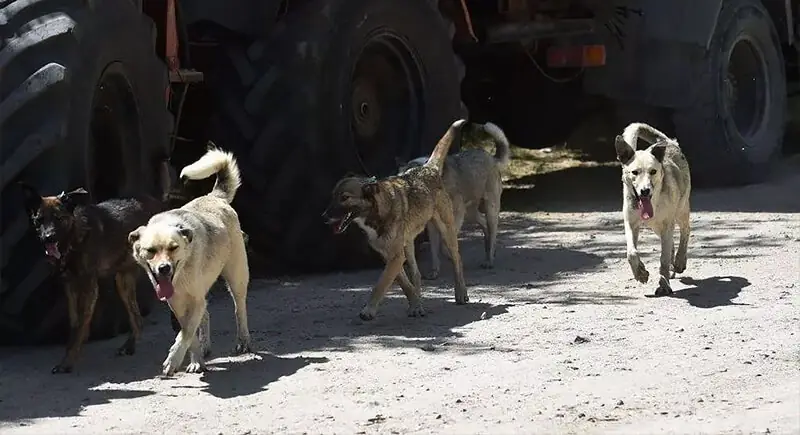
Dogs formed tight-knit packs to help each other find food, shelter, and protection against predators. Young pups learned from older dogs where to find leftover scraps near workstations or abandoned cafeterias. During the colder months, groups cuddled for warmth inside crumbling buildings.
Two Distinct Populations of Chernobyl Dogs
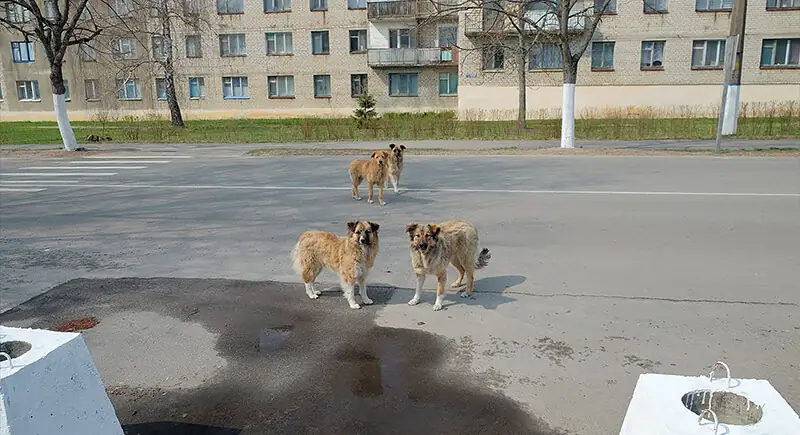
Scientists noticed something fascinating when studying the Chernobyl dogs: they are not one big, blended group. Instead, two separate populations have developed. One stays close to the ruins of the reactors, while the other group lives about 10 miles away in the old town of Chernobyl City.
DNA Secrets: The First Genetic Study of Chernobyl’s Dogs
In 2023, scientists dug into the DNA of 302 Chernobyl dogs and found hundreds of unique genetic markers. Some markers could be linked to repairing DNA damage, an essential trait in a radiation-exposed environment. The evidence points toward fundamental biological changes over generations.
Radiation, Chemicals, and Survival: A Triple Threat
Radiation isn’t the only thing making survival tricky for Chernobyl’s dogs. The soil and water are packed with leftover toxic chemicals, metals, and industrial waste from decades of cleanup efforts. It’s a tough cocktail of challenges that would overwhelm most creatures.
Human Interaction in an Abandoned Land
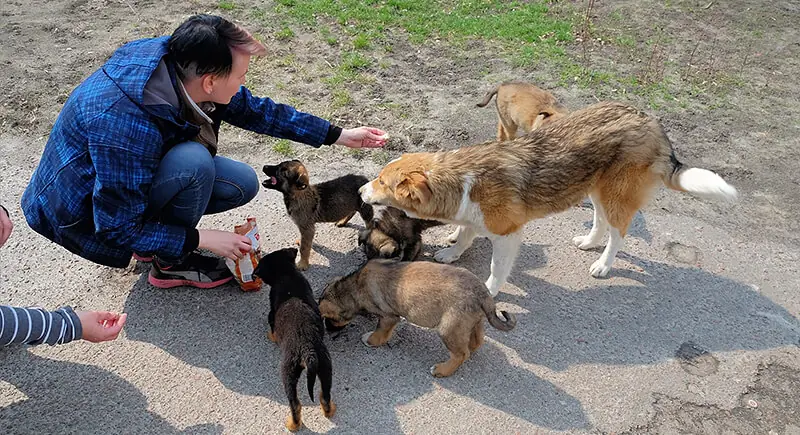
Despite the eerie emptiness, the Chernobyl dogs haven’t completely lost their bond with people. Workers, scientists, and curious visitors often cross paths with these animals. This blend of instincts and friendliness makes the dogs unique; half survivalists, half companions, still holding onto a connection with people even in a lonely place.
Rescue and Adoption: A New Life Beyond Chernobyl
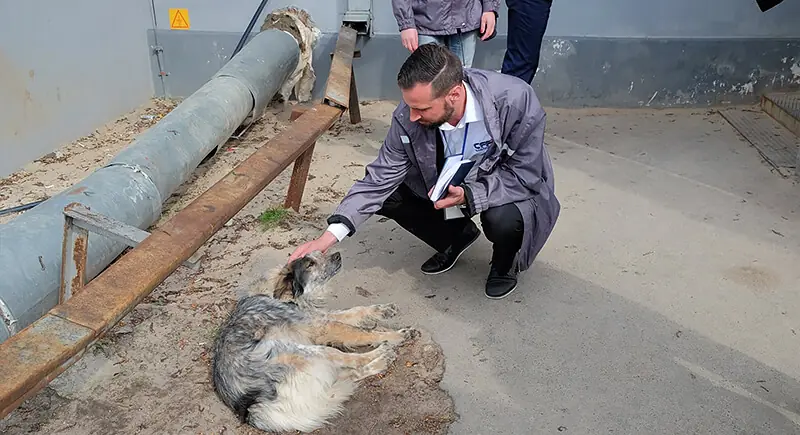
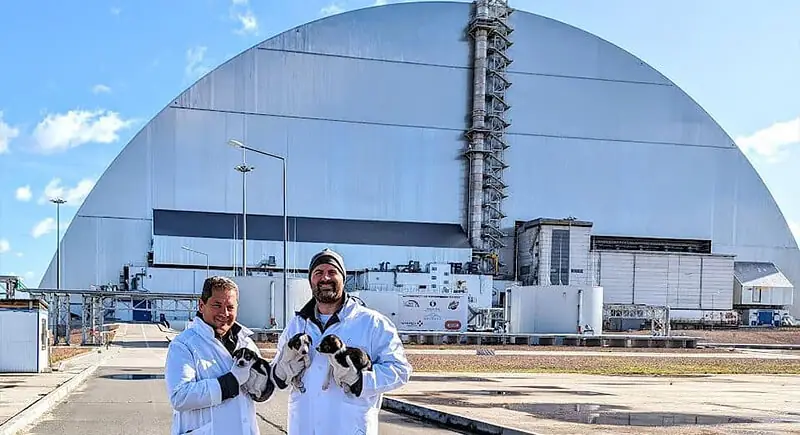
Since 2016, organizations like the Clean Futures Fund have stepped in to help the Chernobyl dogs. Volunteers vaccinate, treat injuries, and even arrange adoptions. In 2018, puppies with low radiation exposure were cleared for adoption and flown to homes across the U.S. and Canada.
The Impact of Inbreeding and Isolation
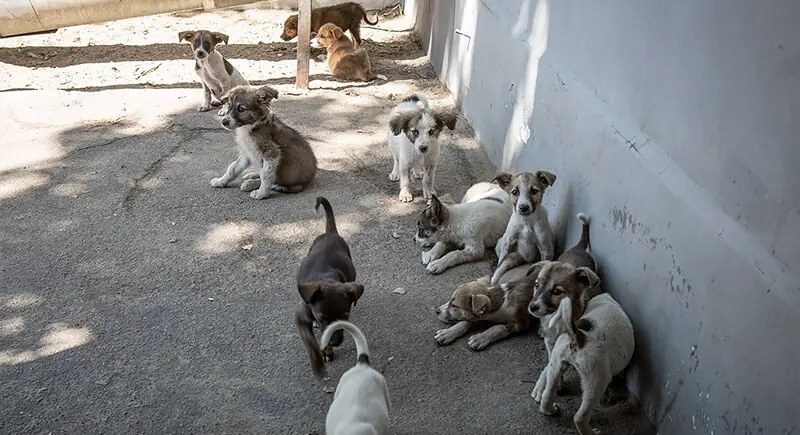
Dogs living closest to the reactor show higher levels of inbreeding, likely due to smaller pack sizes and less mixing. Meanwhile, dogs in Chernobyl City have more genetic variety. Scientists think this isolation could explain some unusual genetic traits in different packs.
What Other Species Reveal About Chernobyl’s Legacy
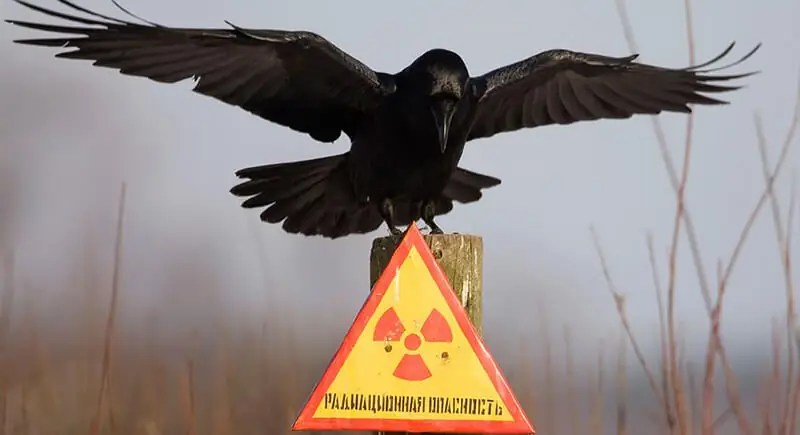
Chernobyl has sparked change in all kinds of wildlife. Black frogs, for example, may have evolved darker skin that helps absorb and neutralize radiation. Some birds and insects also show unusual traits. These changes give researchers insight into how radiation affects living organisms over time.
Lessons for the Future
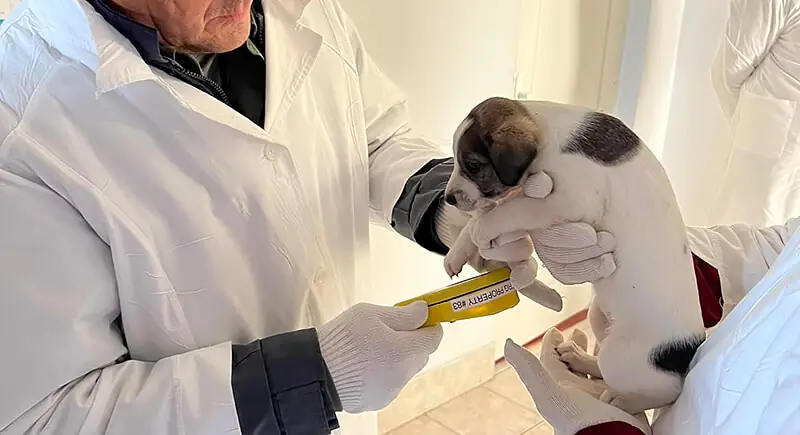
By studying Chernobyl dogs, scientists are also learning things that might benefit people. If these dogs developed genetic traits that help with repair and resilience, that knowledge could shape how we handle future disasters. It might even lead to new research into treatment, environmental safety, or space travel, where radiation is a constant concern.
Resilience Amid Ruin
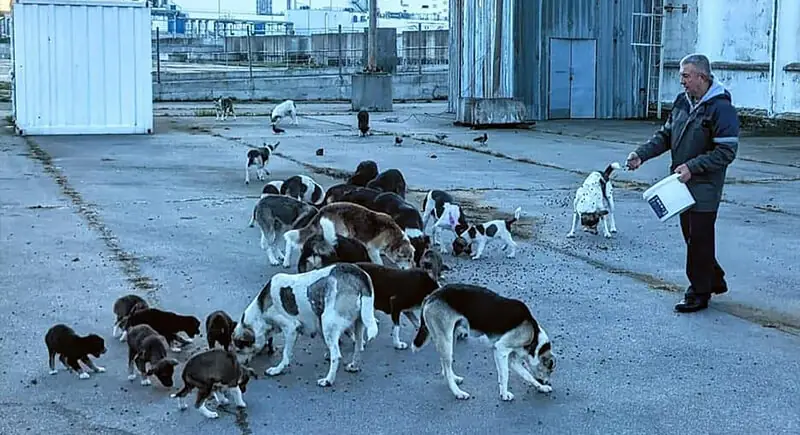
Decades after the explosion, the dogs of Chernobyl are still out there, pacing the quiet streets and raising new generations. They’ve made a life out of what was left behind. Their survival continues to inspire scientists and remind us that life can find a way in the most unexpected places.
The Tick-Borne Disease Shift
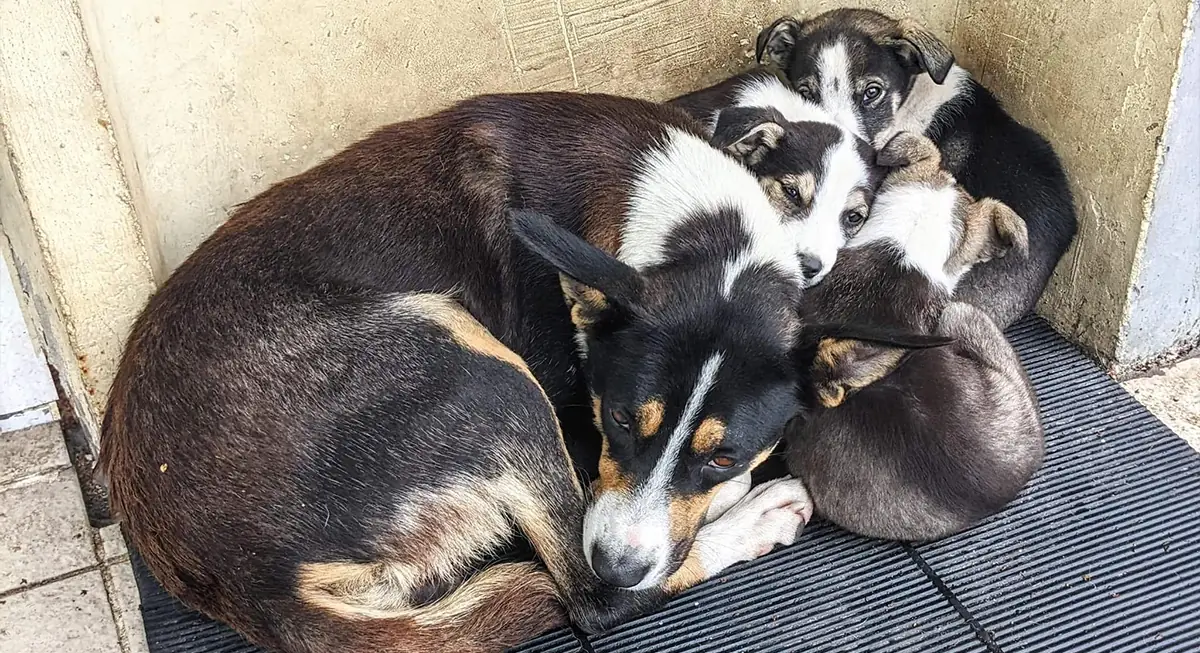
The dogs are not just dealing with radiation. Researchers have found that those living closer to the power plant carry a different mix of tick-borne pathogens than dogs in Chernobyl City. That matters because survival here is not only about the blast zone. Disease exposure has quietly shaped daily life, too.
Natural Selection vs. Mutation
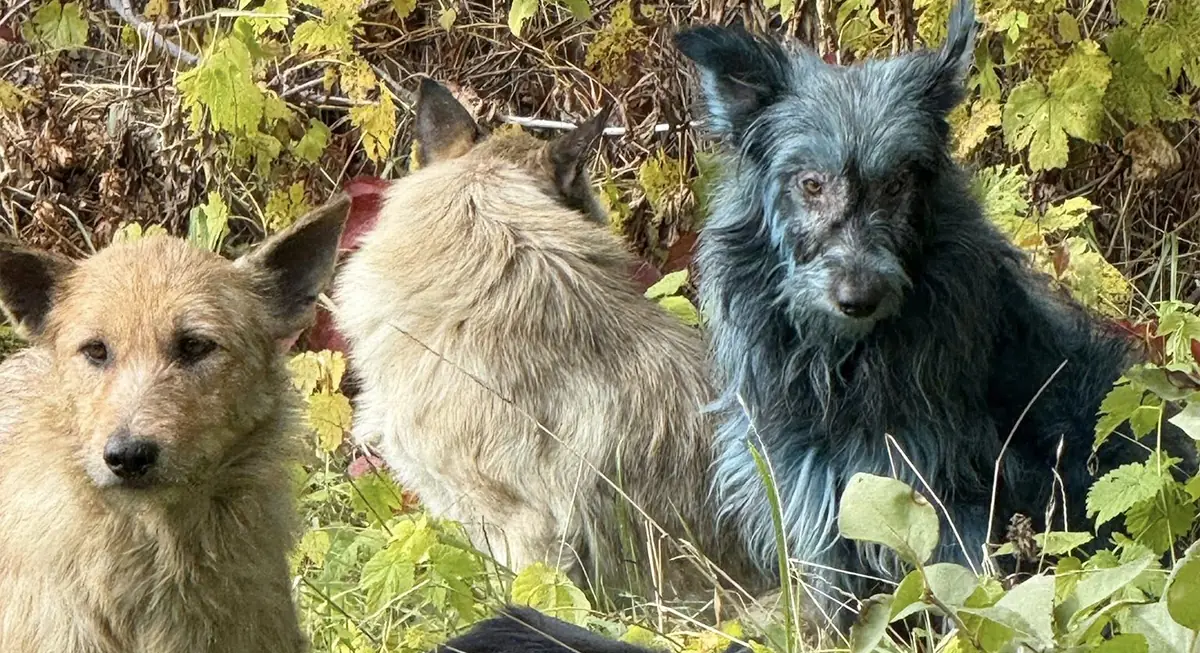
It is tempting to imagine the dogs turned into something entirely new, but science points in a less dramatic direction. Researchers have found genetic differences between dog groups in the Exclusion Zone, yet that does not prove radiation created brand-new mutations. In many cases, natural selection works faster than people expect.





