
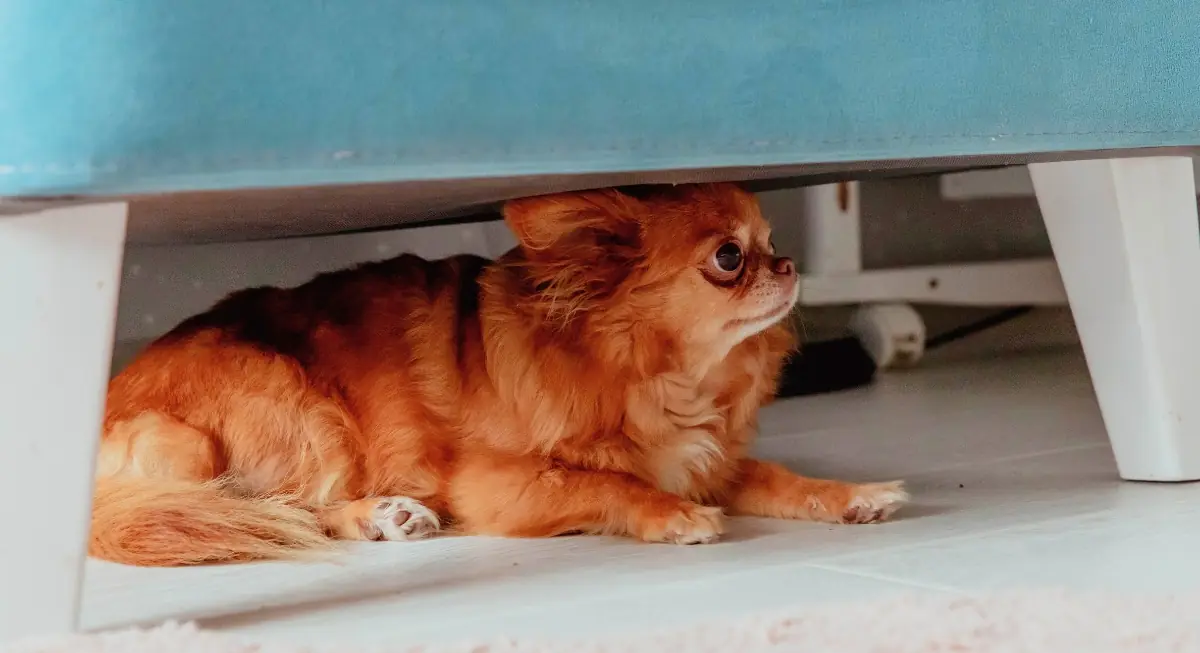
Anxiety in dogs does not always show up as shaking or pacing. Some dogs carry stress in subtle ways and hide it behind friendly behavior or an outwardly calm demeanor. That makes anxiety easy to miss, especially in breeds that aim to please or appear naturally relaxed. With steady routines, enough mental and physical outlets, and regular time with people they trust, many of these dogs can remain balanced and at ease.
Toy Poodle
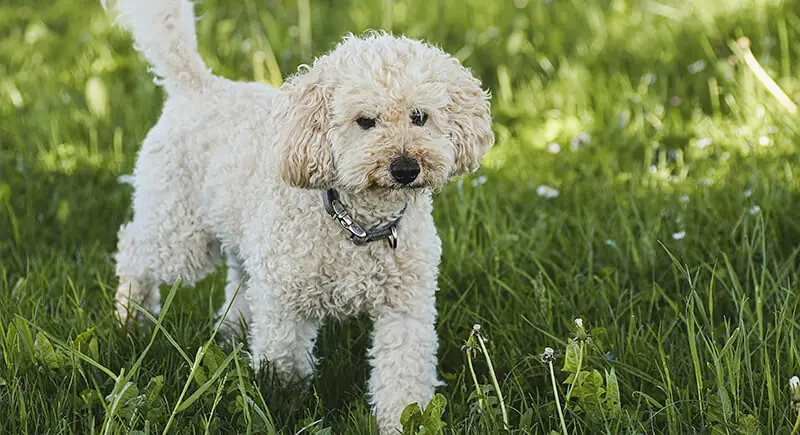
Toy Poodles often develop anxiety when mental stimulation drops or when left alone for long stretches. Boredom commonly leads to barking or chewing, which owners often mistake for misbehavior. Routine changes can trigger stomach upset, which is a stress response tied to their nervous system. Interactive toys and predictable schedules help keep anxiety from escalating.
Border Collie
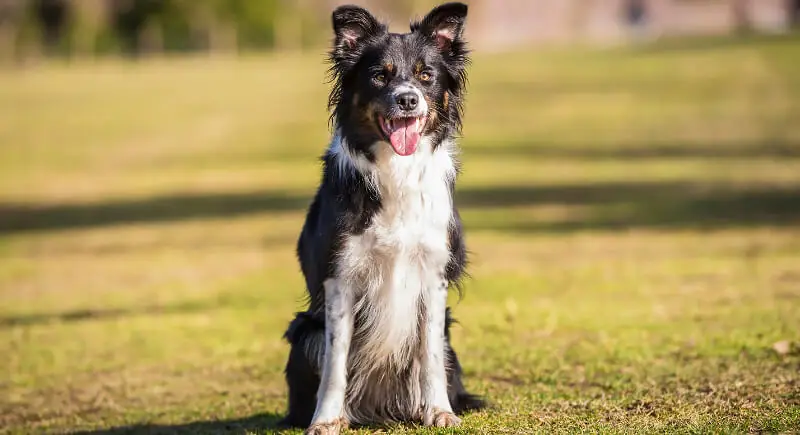
Herding instincts keep Border Collies mentally alert, even at rest. They were bred to track movement and solve problems, which makes low-activity homes challenging without structure. Anxiety often shows as pacing or repetitive habits when stimulation is limited. Daily exercise and problem-solving tasks help reduce stress.
Chihuahua
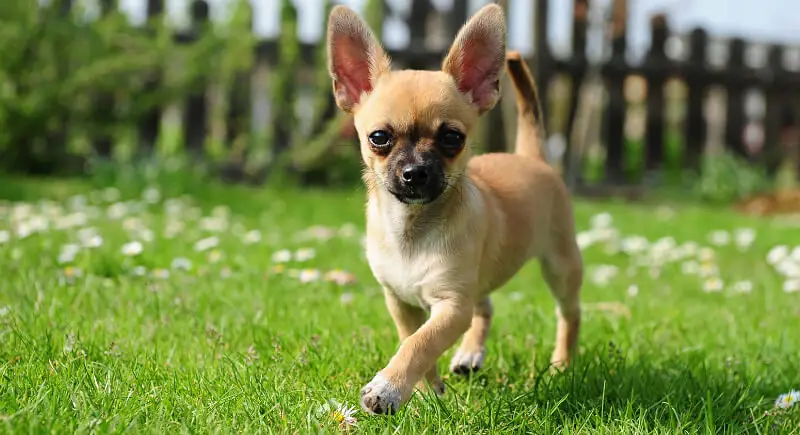
Size plays a role in how this small pooch processes the world, often leading it to react strongly to noise, unfamiliar people, and environmental changes. Strong attachment to one person increases the risk of separation anxiety.
German Shepherd
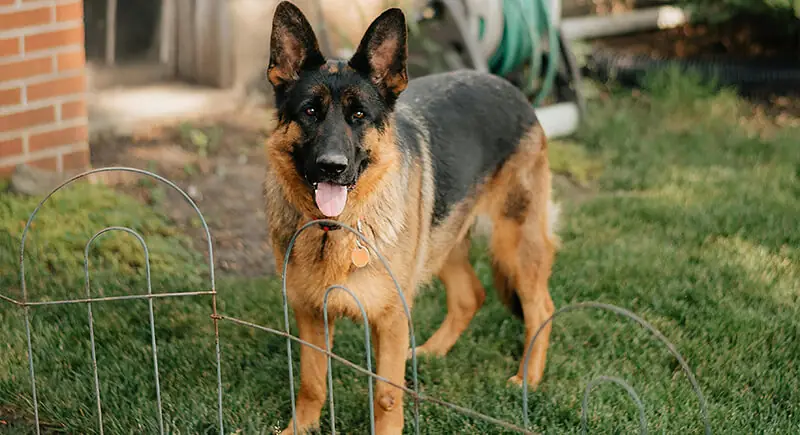
German Shepherds can struggle when routines shift or when left without direction. Door scratching and pacing commonly signal unease, though early training and socialization tend to lower anxiety tied to unfamiliar settings. Mental work, such as scent games, supports emotional balance.
Greyhound
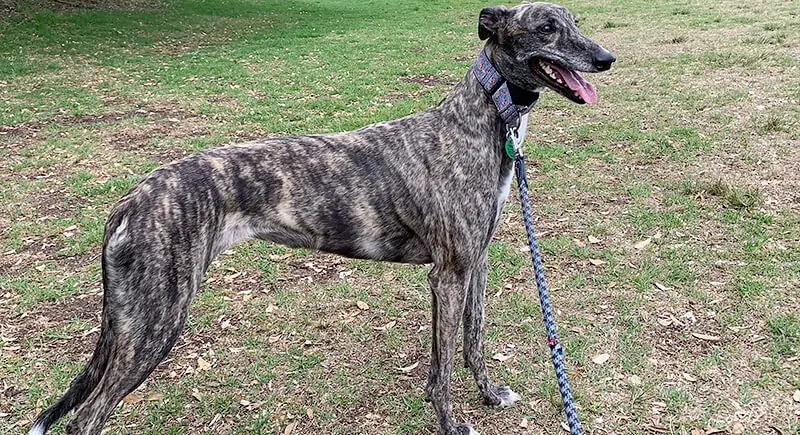
Calm body language can hide internal stress in Greyhounds, which usually face anxiety after transitioning from racing environments into homes. New surfaces and household sounds, even stairs, can feel overwhelming at first. Withdrawal or hesitation reflects uncertainty rather than stubbornness. In contrast, slow introductions and steady routines build confidence over time.
Vizsla
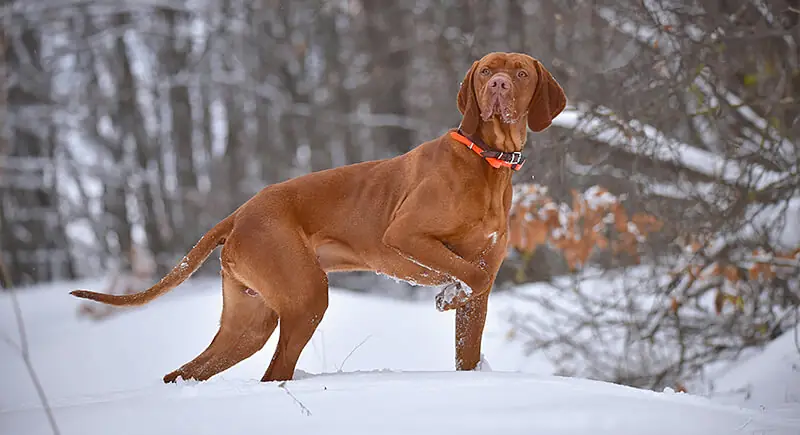
Attachment defines this dog’s daily life. Vizslas form intense bonds with their people, which fuels separation anxiety. Destructive behavior often follows extended alone time. Exercise helps but does not replace human contact. These pooches settle best in homes with frequent interaction and predictable schedules.
Cocker Spaniel
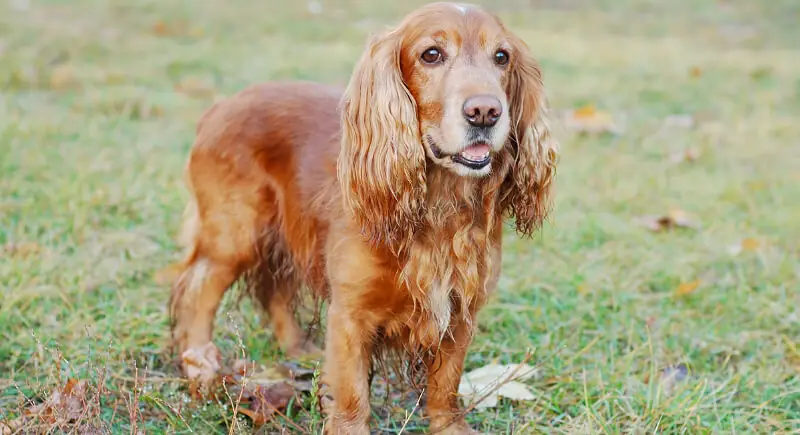
Sensitivity shapes the behavior of Cocker Spaniels, as they react strongly to noise and emotional shifts in the household. Nonetheless, gentle training and consistent presence can reduce stress responses. Pet owners have to be wary of separation anxiety, though, because it can develop quickly when companionship drops. Nervous pacing or vocalization often follows sudden changes.
Labrador Retriever
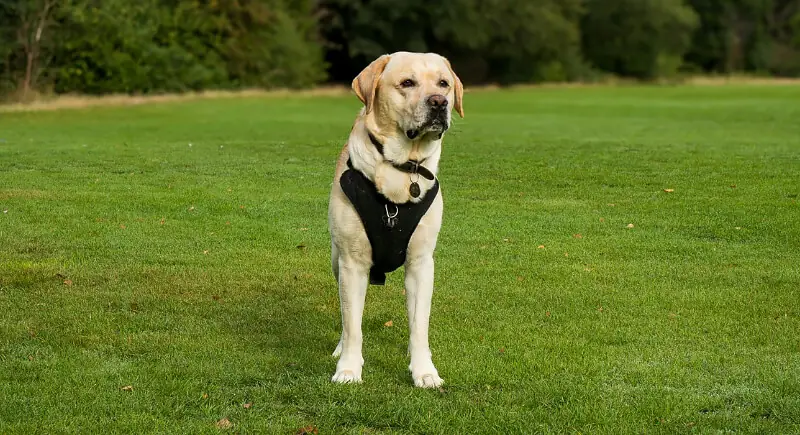
Friendly reputation does not prevent anxiety in this breed. Some Labradors struggle when exercise needs go unmet or when isolation stretches too long. Strong family bonds increase separation stress. Destructive chewing reflects unmet physical needs rather than defiance. The solution lies in daily activities, which help regulate mood.
Italian Greyhound
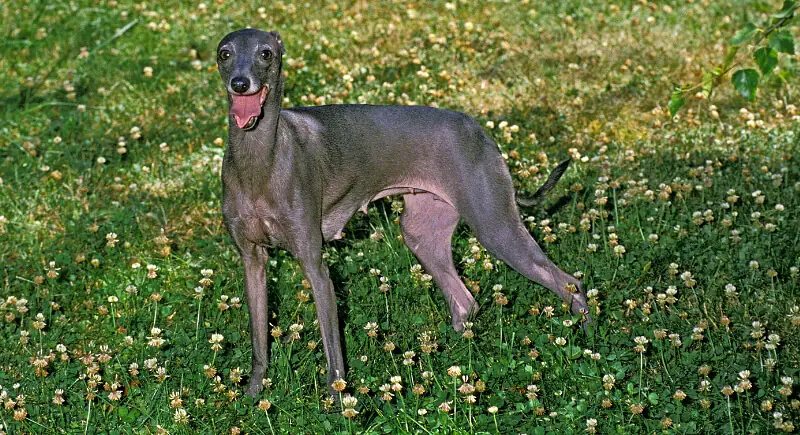
Italian Greyhounds have a way of reacting to temperature changes and unfamiliar routines. Anxiety appears as trembling or withdrawal rather than vocalization. Stability matters more than stimulation for this breed. Calm homes support emotional regulation, as their delicate build aligns with how they respond to stress.
Bichon Frise
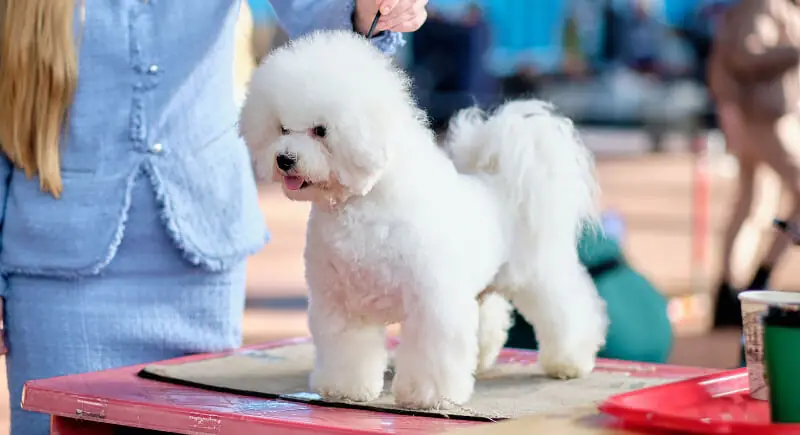
Bichon Frises get anxious when they spend too much time alone. Long stretches without people can stress them out, even if they seem happy on the outside. Simple routines and daily play help keep their mood steady. This breed does best in homes with regular company.





