
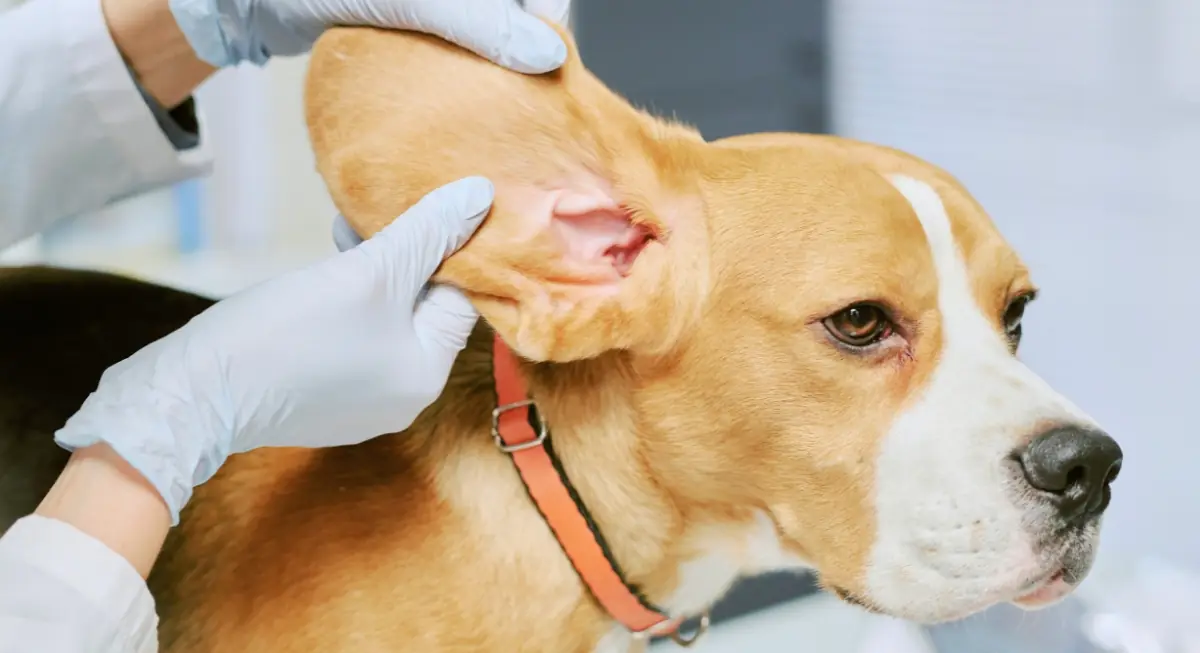
Ear infections are a common issue for many dogs, but certain breeds are more prone to them than others. Factors such as ear shape, dense hair within the ear canal, and reduced airflow can trap moisture, creating an environment where bacteria and yeast can grow easily. Dogs that swim often or spend time in humid conditions may be even more at risk. Understanding which breeds are more prone to ear infections helps owners identify early signs, manage ear care more effectively, and prevent minor irritation from developing into a recurring problem.
Cocker Spaniel

Long ears that hang close to the cocker spaniel’s head limit airflow and hold moisture in place, which gives bacteria an easy foothold. Thick hair around the ear opening collects debris and wax faster than many owners expect. Allergies also frequently occur in this breed, and allergy-related inflammation often leads directly to ear infections. Regular cleaning helps, but these ears usually need consistent attention year-round.
Cavalier King Charles Spaniel

This breed is associated with a unique risk factor for primary secretory otitis media, commonly referred to as glue ear. Thick mucus can accumulate behind the eardrum and create pressure that causes pain and recurring infections. Head tilting, balance problems, and partial hearing loss can occur even when the ear appears normal on the outside.
Basset Hound

The Basset hound’s iconic ears drag close to the ground and easily pick up moisture, dirt, and bacteria. Air circulation inside the ear canal is limited, which means dampness lingers long after a walk or nap on cool floors. Wax buildup happens quickly, and infections can progress before obvious symptoms appear. Routine ear checks catch problems before odor or discharge shows up.
English Bulldog

An English bulldog’s shortened skull creates narrow ear canals that trap moisture inside. Poor drainage allows infections to develop even without swimming or bathing. Skin allergies are common in this breed, and inflamed skin often extends into the ears. Chronic cases sometimes require medical management to keep inflammation under control.
French Bulldog

Compact ear canals combined with sensitive skin increase the risk of irritation turning into infection. Allergic reactions to food or environmental triggers often cause head shaking and scratching. Moisture does not escape easily once it settles inside the ear, but regular cleaning reduces flare-ups, especially during allergy seasons.
Poodle

Hair grows inside the ear canal of poodles, which traps moisture and debris against the skin. That hair also reduces airflow, making it harder for the ears to dry naturally. That’s how infections can develop even when the outer ear looks clean. Grooming, including ear maintenance, plays a significant role in preventing recurring problems.
Labrador Retriever

A love of swimming exposes Labrador Retrievers to repeated water exposure, increasing the risk of infection. Floppy ears retain water longer than upright ears. Yeast infections are common when moisture remains trapped after swimming in a lake or pool. Drying the ears after every swim makes a noticeable difference.
Golden Retriever

Thick ear leather and frequent outdoor activity combine to create a warm, moist ear environment. Allergies also affect golden retrievers at a high rate, and itchy ears often become infected. Many infections show up after seasonal changes. Preventive care focuses on moisture control and allergy management.
Shar-Pei

Shar-Peis have narrow ear canals that can restrict airflow, allowing moisture to accumulate quickly. Skin folds around the head can harbor bacteria that migrate into the ears. Infections often become chronic without routine cleaning. Early care reduces swelling that can further restrict the ear canal.
Shih Tzu

Regular ear checks help prevent recurring problems in Shih Tzus. Their long ear hairs trap moisture close to the skin, especially after grooming or bathing. Additionally, their shortened skull shape also contributes to poor ear ventilation. Infections may start quietly before odor or redness appears.





