
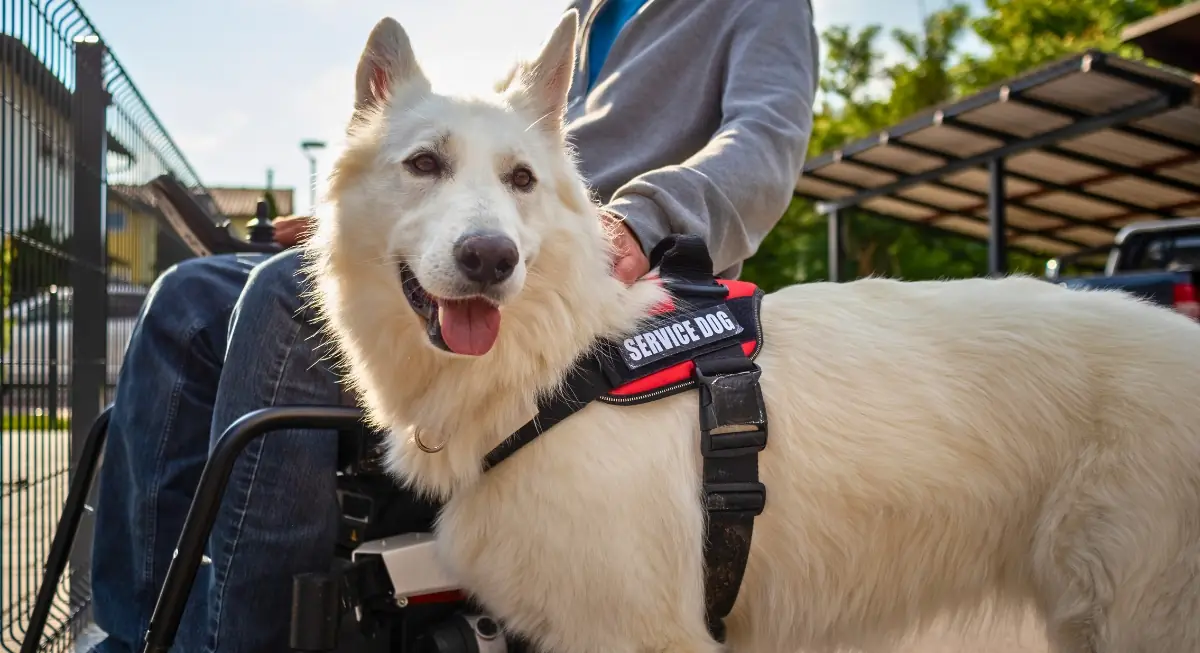
Seizure alert dogs are working partners trained to notice subtle shifts in scent, movement, or behavior that often happen minutes before a seizure. That warning can give someone time to sit down, take medication, or move to a safer place. While individual temperament matters more than breed alone, trainers often rely on certain breeds because of their focus, trainability, and steady nerve under pressure.
Golden Retriever
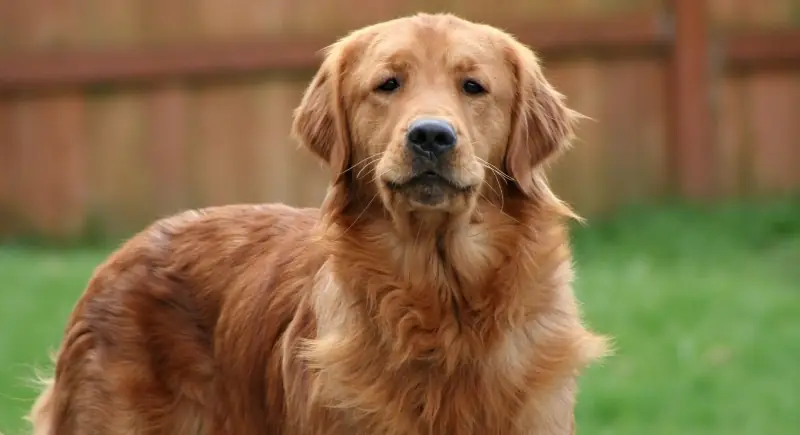
Service dog programs frequently select Golden Retrievers because they adapt quickly to medical task training. These dogs are loyal and affectionate, and they are known for their gentle sensitivity toward handlers. Their ability to adjust to new environments supports reliable public performance during service work.
Labrador Retriever

Many alert training schools rely on Labrador Retrievers because they maintain steady focus during drills. Often weighing between 55 and 80 pounds in adulthood, they are known for their intelligence and trainability, which supports learning scent-based seizure alert behaviors. Their temperament remains friendly toward strangers, so they work safely in busy public places.
Collie
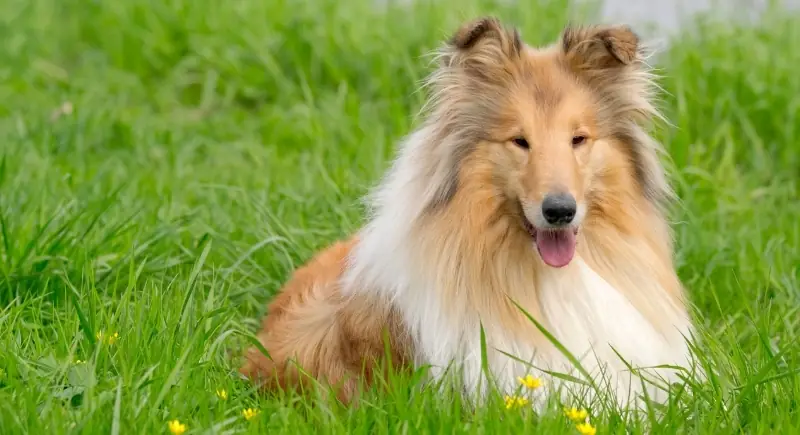
Collies historically worked closely with farmers. They provided a constant response to human direction cues daily. That working history supports obedience learning during structured medical service dog training programs for handlers. With their calm temperaments, they’re able to help their owners recover during post-seizure support periods. Many Collies quickly learn retrieval tasks, such as bringing phones or medication, after medical events.
German Shepherd
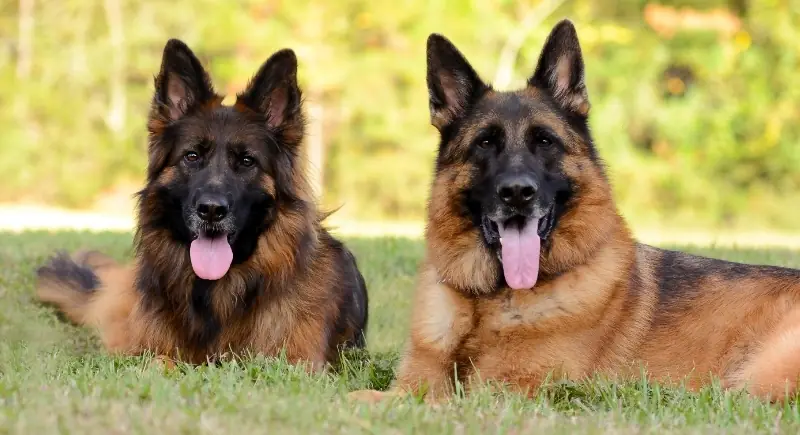
German Shepherds are often chosen for seizure alert work because they learn complex commands quickly and stay highly attuned to their handler. Many naturally “check in” with frequent eye contact, which helps them notice subtle behavioral or physical changes. Their strong scent detection skills also support alert training. Standing about 22 to 26 inches tall, they offer enough size and strength to provide steady physical support during or after a seizure.
Poodle
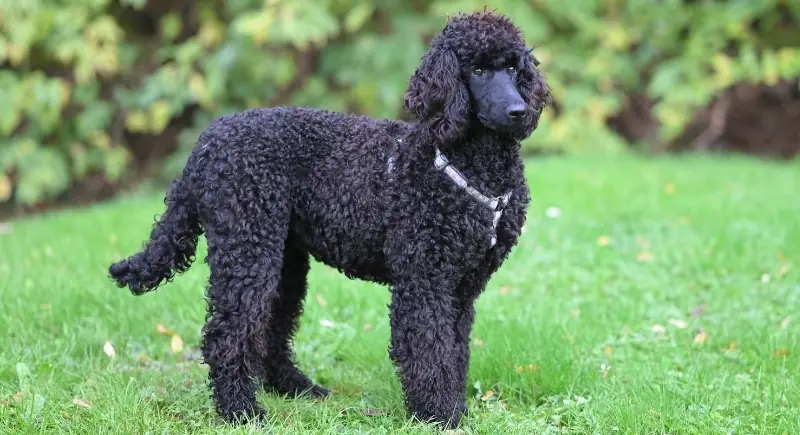
Poodles are among the highest-scoring breeds used in service dog training programs. Usually weighing 45 to 70 pounds, they can perform many physical tasks because they are athletic and highly trainable. Despite the fancy haircut stereotype, they were originally bred as working water retrievers. They are people-oriented and remain highly aware of changes in their owners’ behavior.
Goldendoodle
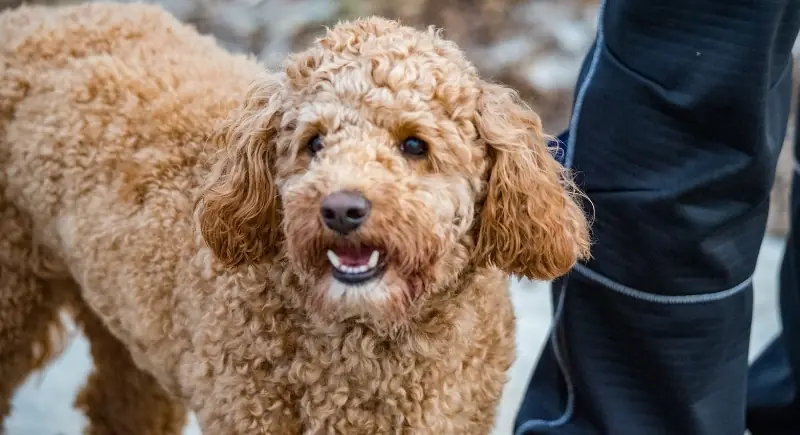
Many Goldendoodles are described as affectionate and sociable, but trainers also value their athletic ability because alert and response tasks require physical movement accuracy. Originally bred for guide dog work, this hybrid combines Golden Retriever and Poodle genetics. Some even inherit the Poodle bounce when they get excited.
Border Collie
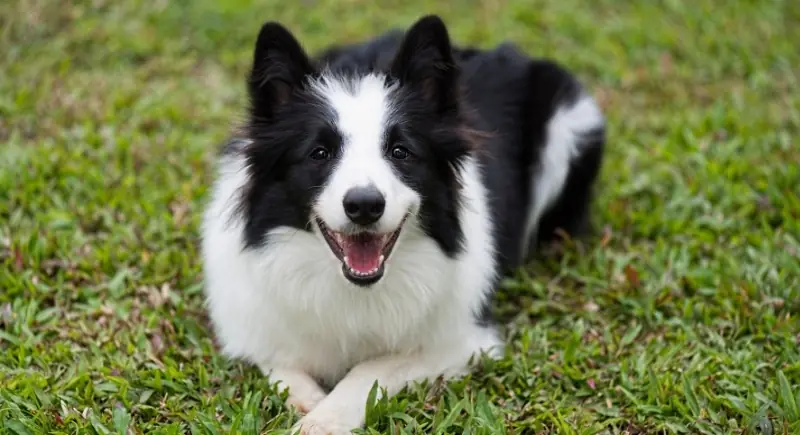
These medium-sized working dogs have extremely high energy levels. It’s why they need daily exercise to maintain their training focus, even though they are considered among the most intelligent breeds used in working dog roles. Their history of controlling livestock required constant responsiveness to human commands.
Samoyed
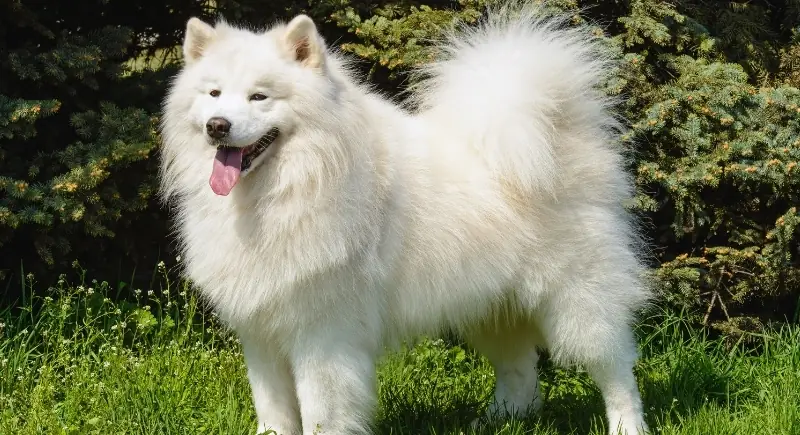
Historically bred for sled pulling and labor in very cold Arctic environments, Samoyeds developed a strong work drive, which helps when learning repetitive service training routines and tasks. They are also smart and social. Their famous “Sammy smile” is linked to their lip shape and helps prevent drooling in freezing weather.
Irish Setter
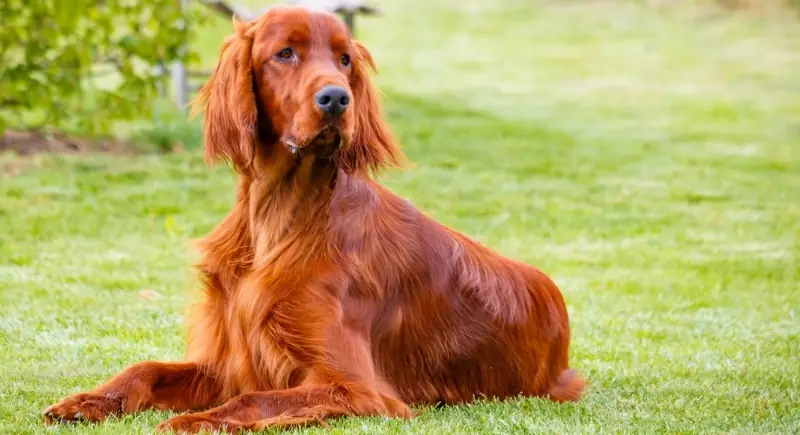
Irish Setters have outgoing personalities, which helps them remain calm around strangers in public settings. Their reddish coat color often stands out in public settings, which folks who experience seizures actually appreciate. As a sporting breed, they have strong stamina and respond well to positive reinforcement training methods used in service dog programs today.
English Setter
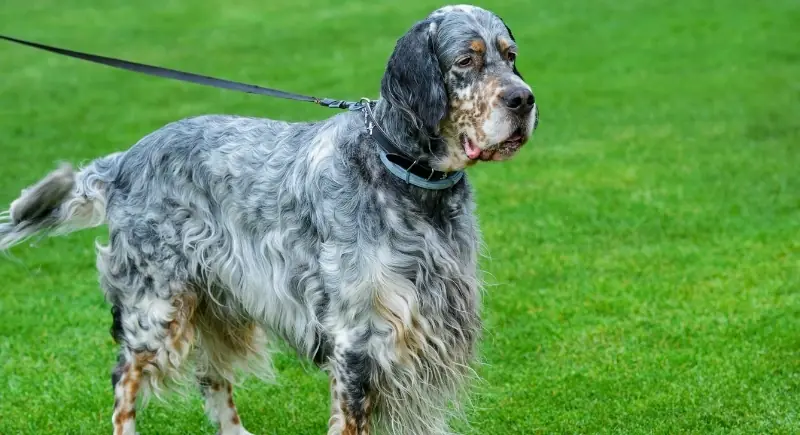
When it comes to seizure, you’d want a pooch with a gentle temperament so they can remain calm in crowded environments where service dogs regularly work. That’s when English Setters come in, as some owners say they have a habit of leaning gently against people they trust. Adult males typically weigh 65 to 80 pounds, allowing them to be physically present during assistance tasks.





