
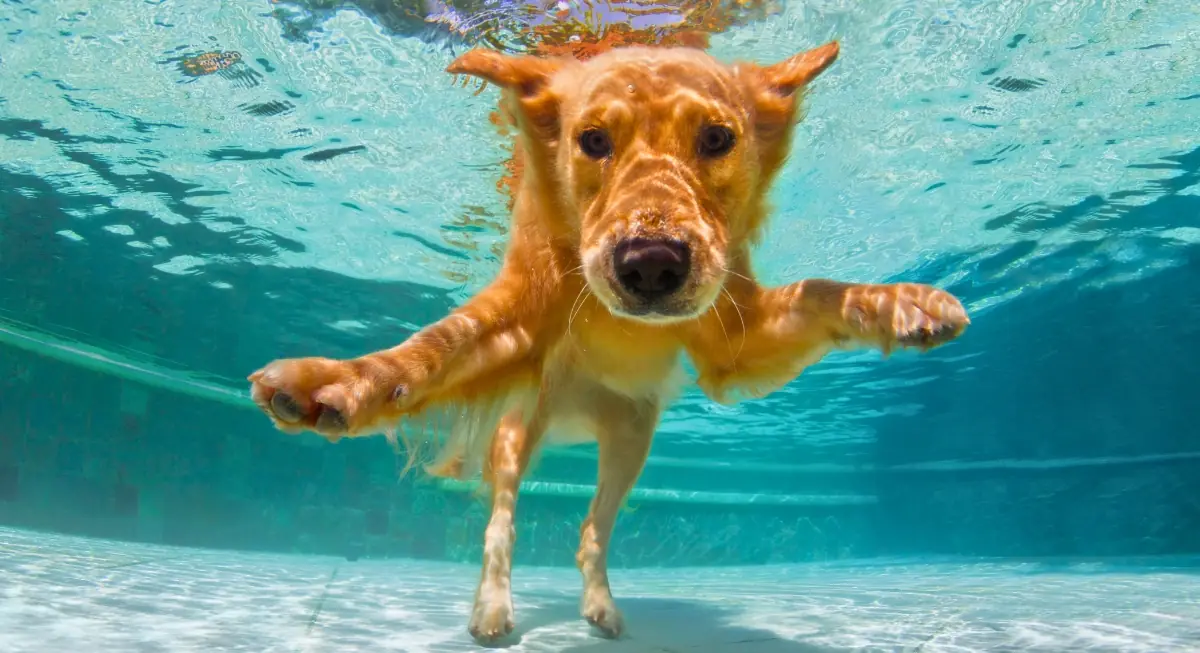
Some dogs need a bit of coaxing to go near water, but there are also those that cannot wait to dip their paws in. They’ve worked on fishing boats, fetched birds in icy lakes, and turned swimming into second nature. You’ll see it in their build (broad chests, dense coats, webbed paws) but also in how naturally they move through water.
And if you spend time around lakes or coasts, these dogs won’t stay onshore for long.
Portuguese Water Dog
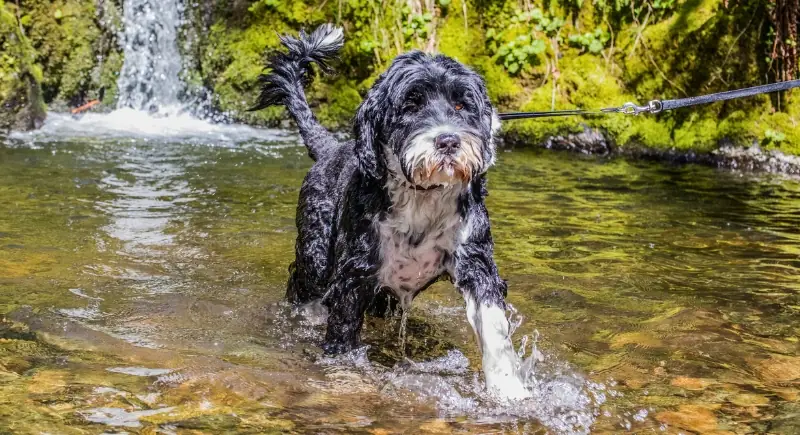
Fishermen in Portugal used the Portuguese Water Dog to retrieve dropped gear, herd fish into nets, and carry messages from boat to boat. That work built serious endurance and a strong drive to stay useful. Wading in water remains instinctive for this breed, and it helps that they have a waterproof, curly coat to keep them warm.
Irish Water Spaniel
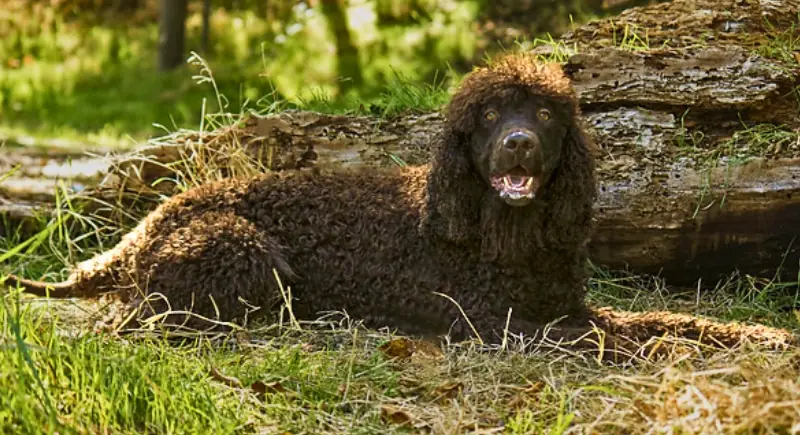
Toss something into the water, and this dog won’t hesitate. Irish Water Spaniels thrive on games that ask them to retrieve, especially when the distance changes or the throw requires a bit of direction. They do best with activities that combine movement, problem-solving, and clear goals.
Lagotto Romagnolo
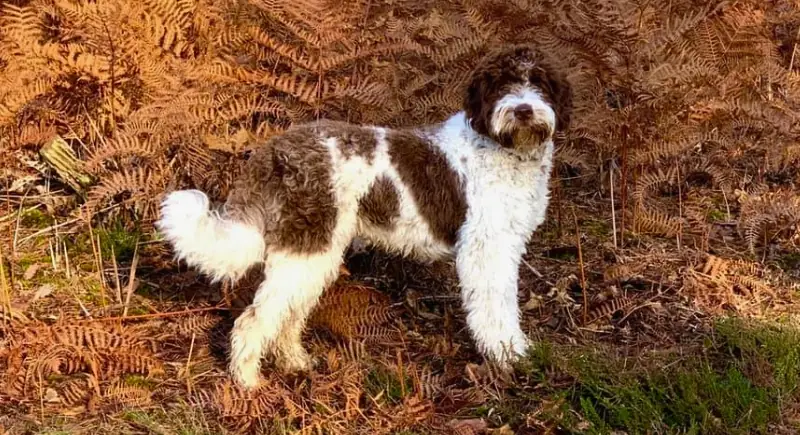
Most people now know the Lagotto Romagnolo for its truffle-hunting skills, but its aquatic origins are often overlooked. This dog is steady in the water and quick to adapt. Its thick, curly fur holds up well in the cold but needs consistent upkeep. Though not especially big, it takes on rough, soggy ground with surprising ease.
Newfoundland
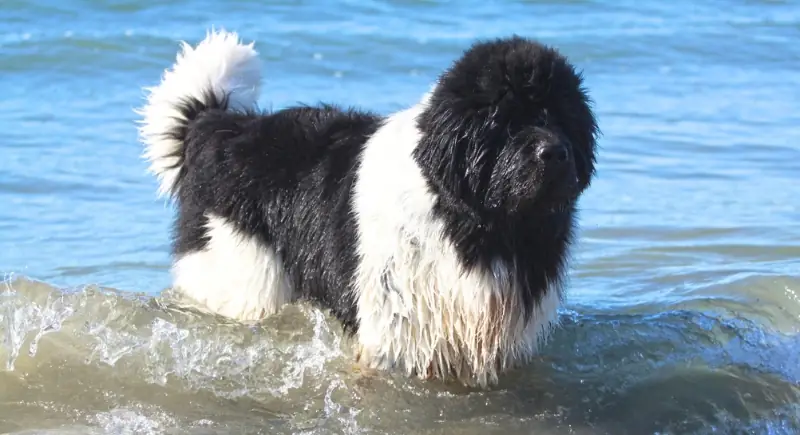
Newfoundlands were built for water rescues. Their broad chests, webbed feet, and thick, oil-coated fur make them capable of long-distance swims in frigid conditions. They also don’t panic in rough water, and they rarely quit when someone needs help. Some rescue crews in Europe still use them.
Barbet
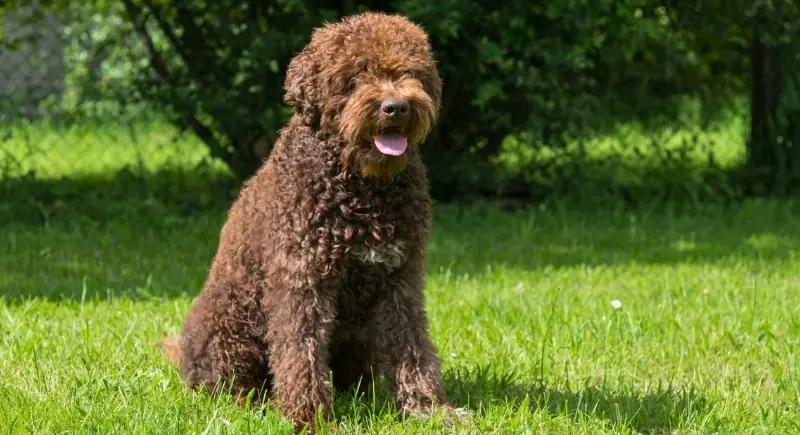
As one of France’s original water dogs, the Barbet’s name comes from “barbe,” meaning beard, a reference to the long facial hair. The hair is dense and woolly, well-suited to wet conditions. This breed stays close to its handler in the water, prefers consistent training, and doesn’t need constant entertainment.
Labrador Retriever
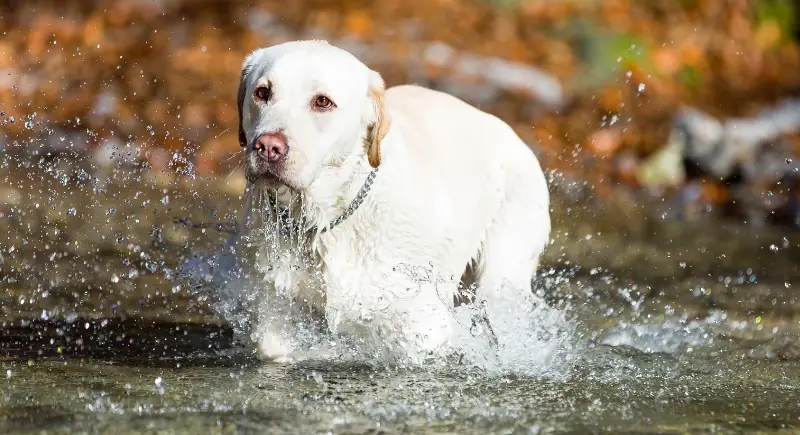
Few dogs bring as much enthusiasm to play as this one, either on land or in the water. Swimming laps alongside a kayak, jumping from docks, or practicing directional fetch keeps Labrador Retrievers mentally and physically sharp. The more active the water game, the more focused and content they tend to be.
Golden Retriever
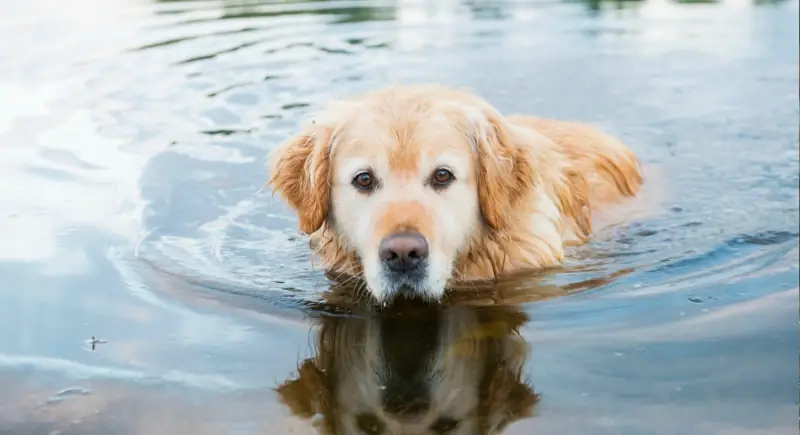
People love this breed for its friendliness, but the Golden Retriever’s origins lie in precision and utility. It was developed in Scotland for retrieving shot waterfowl, and that delicate-mouthed retrieval instinct remains unchanged. Today, it is satisfied just paddling along with you in the water.
American Water Spaniel
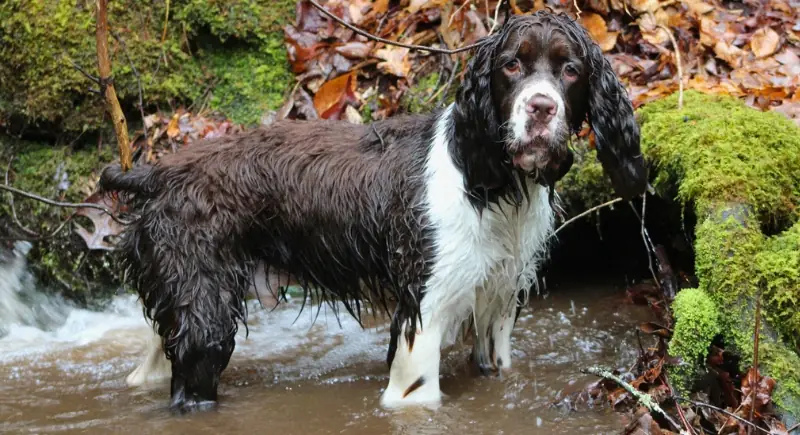
The American Water Spaniel has tight curls that resist cold water and a temperament that leans toward serious and responsive.They like quiet environments, consistent handling, and regular access to water. The closer they live to their roots, the better.
Spanish Water Dog
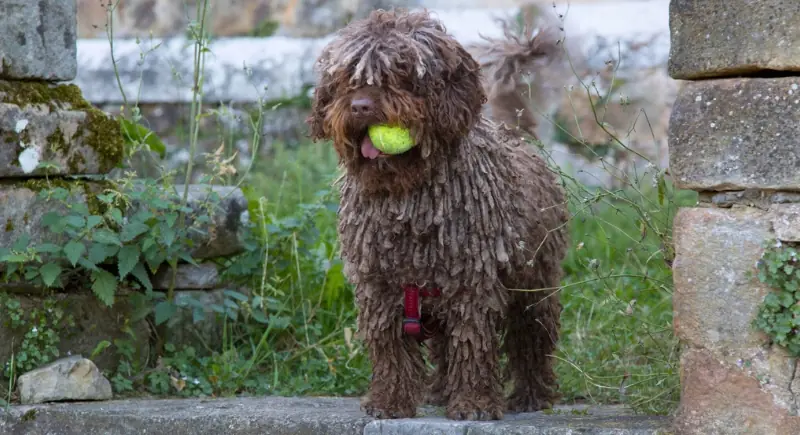
The Spanish Water Dog handles swim sessions with focus, using the time as both a release and a task. Its coat, corded or clipped, dries quickly and makes it through frequent wet conditions with no trouble. Around the house, it needs clear routines, steady work, and time in the water to help channel its intensity in the right direction.
Standard Poodle
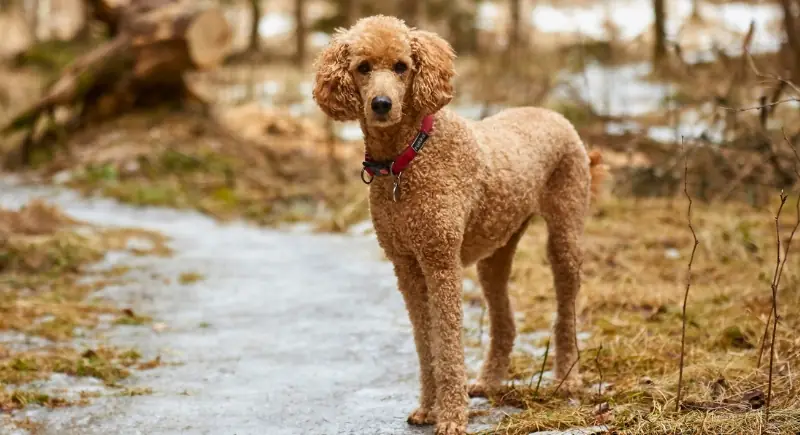
It surprises a lot of people, but this breed was never just ornamental. The Standard Poodle began as a duck retriever in Germany and was shaped by practical needs, its fur, for example, was clipped strategically to protect joints while keeping the body light in water. It continues to be a naturally athletic, water-savvy breed with excellent stamina.
Boykin Spaniel
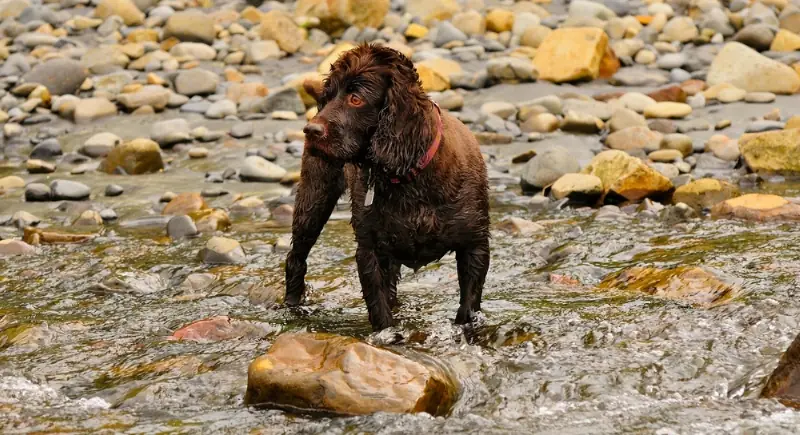
South Carolina duck hunters needed a dog small enough for a boat, steady enough for water, and quiet around birds. The Boykin Spaniel filled that role perfectly. It still prefers early mornings and cool water, often thriving on routine fetch games in shallow lakes or long retrieves from boats.
Vizsla
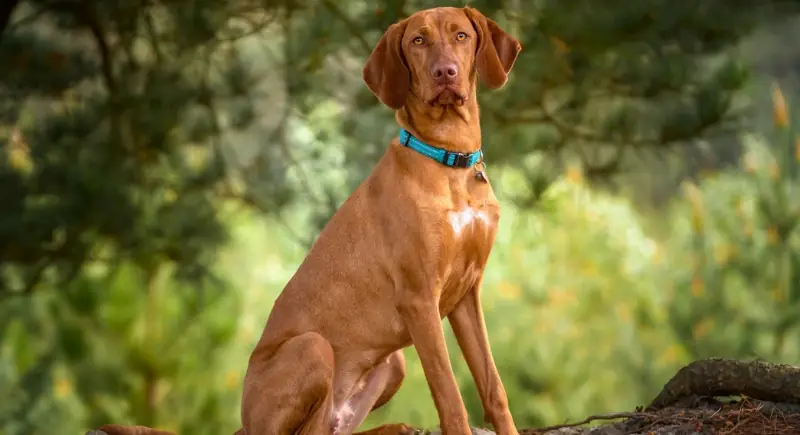
This breed doesn’t have the body for cold water, but in warmer conditions, it’s fast, graceful, and eager to keep up. Vizslas are not as naturally aquatic as some other breeds, but many of them love swimming once introduced properly. They also crave closeness and activity, and being idle indoors makes them anxious.
Nova Scotia Duck Tolling Retriever
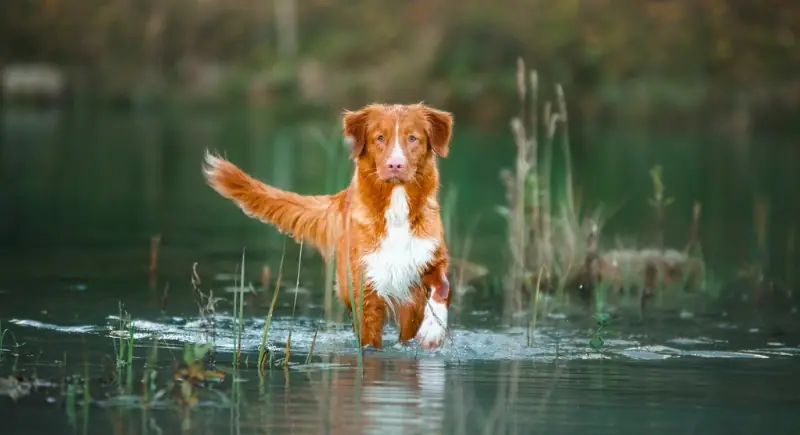
What sets this retriever apart is how it functions. Tollers run, splash, and play along the shoreline to lure ducks closer, a method called “tolling.” Once the birds come near, the dog retrieves them from the water. That technique shaped everything from its energy to its hair.
Otterhound
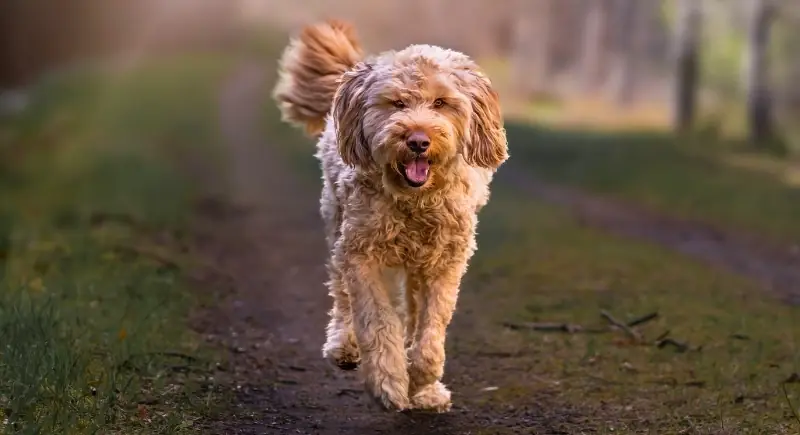
The Otterhound has a deep chest, webbed feet, and a waterproof double coat that holds up in cold water. It’s rare today, but its tracking ability remains deeply ingrained. They aren’t overly obedient or eager to please. Instead, they work independently, following scent wherever it leads.
Flat-Coated Retriever
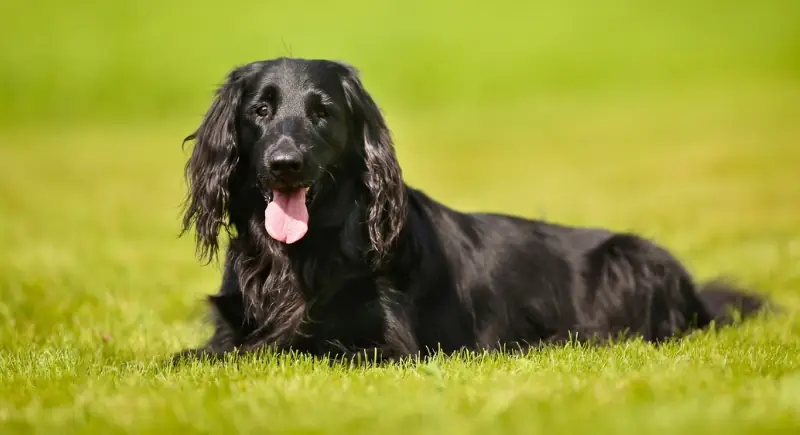
The Flat-Coated Retriever handles water like it was made for it. It has a natural swimming ability and an easygoing, eager-to-please attitude. Its sleek, water-resistant coat helps it move efficiently through lakes or rivers, and it rarely turns down a game of fetch.
Chesapeake Bay Retriever
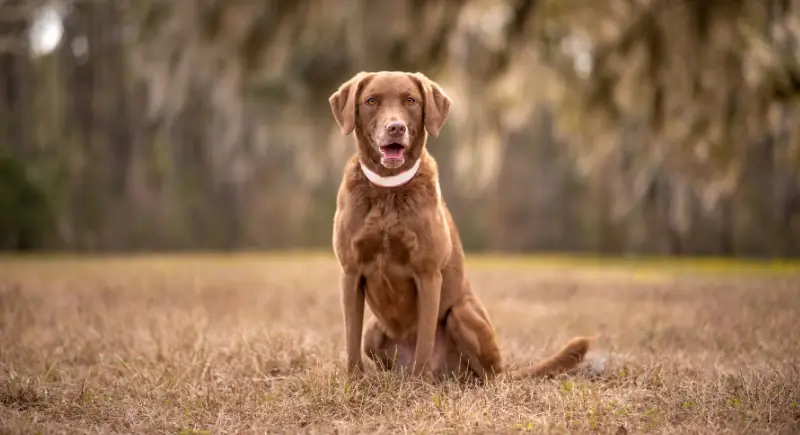
Cold water does not scare a Chesapeake Bay Retriever. This breed spent years hauling ducks from rough water along the Mid-Atlantic coast, and that work still shows. The thick coat sheds water fast, while the strong build helps during long swims. Toss a toy into a lake and expect a hard splash seconds later.
Curly-Coated Retriever
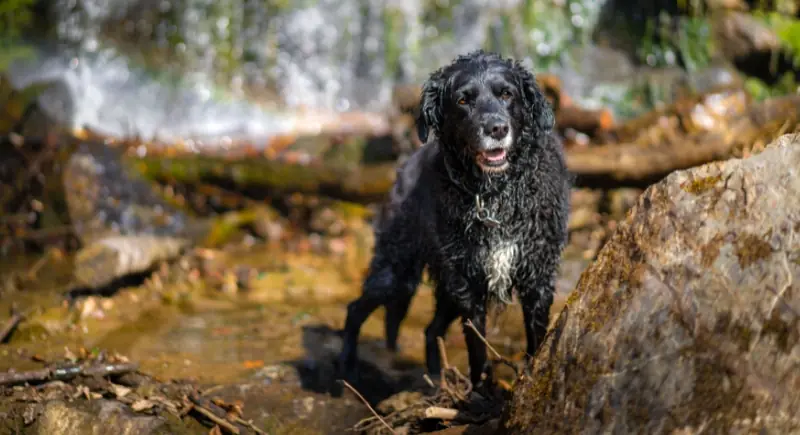
The Curly-Coated Retriever moves through water without much hesitation. Hunters once relied on this breed to retrieve birds from rivers and marshes, even when conditions turned rough. Its tight curls help protect the skin from cold water. Out near a pond, many Curlies skip the shoreline entirely and head straight in.





