
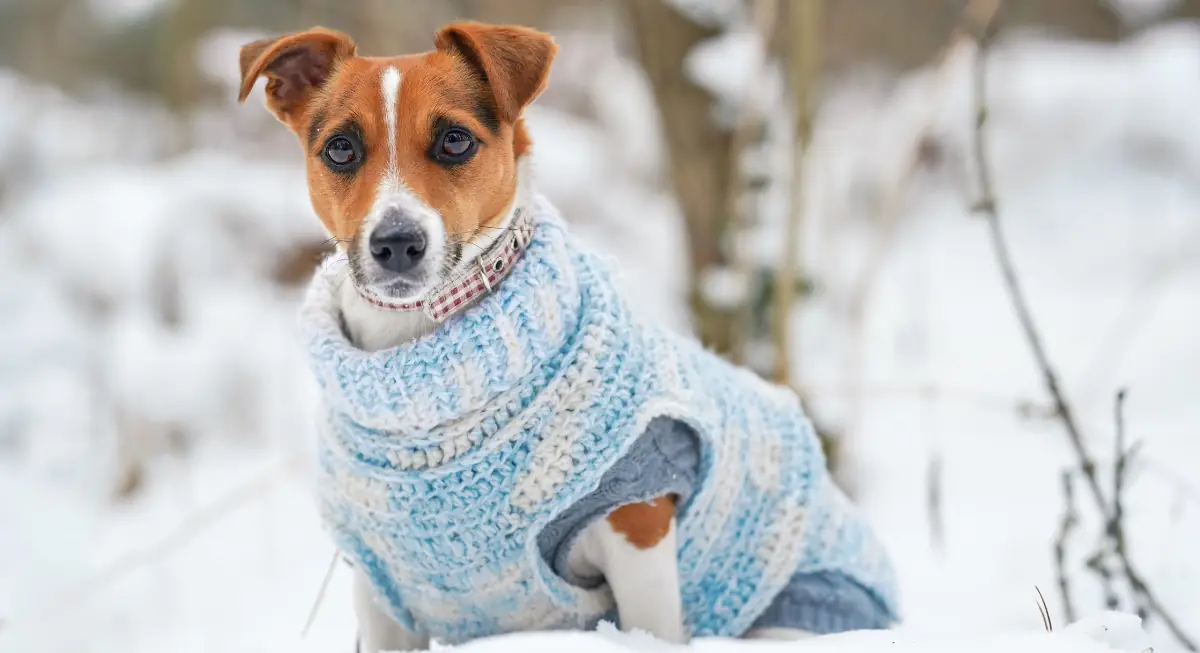
Cold weather brings real risks for dogs, especially as temperatures drop below freezing. While some breeds tolerate cold better, there are others that can’t handle even mildly chilly air. But breed alone doesn’t decide cold tolerance—factors like age, health, coat type, and body size also matter.
Consequently, exposure to cold can cause discomfort and lead to serious health issues when ignored. Knowing what to watch for and how to respond keeps your dog safe through winter’s most extreme days.
Pay Attention When It Drops Below Freezing
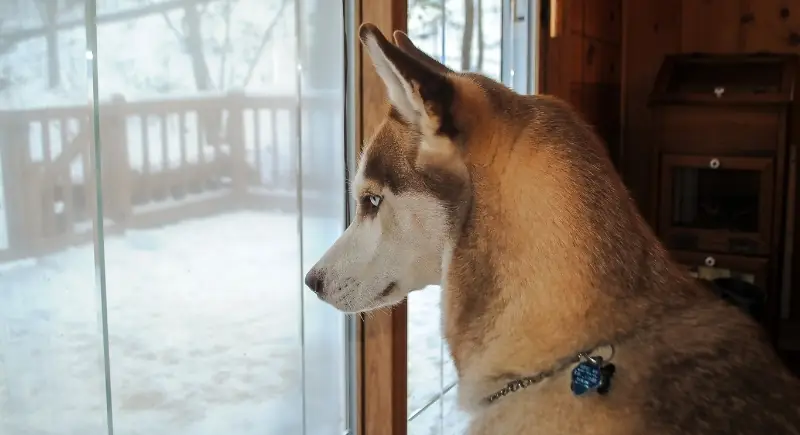
Once temperatures fall below 32°F, most dogs become more vulnerable to cold-related problems. At that point, time outdoors should be limited. Cold air affects dogs faster than people expect, especially when combined with wind or damp fur. Ignoring the signs can lead to hypothermia or frostbite.
Know Your Dog’s Tolerance by Breed
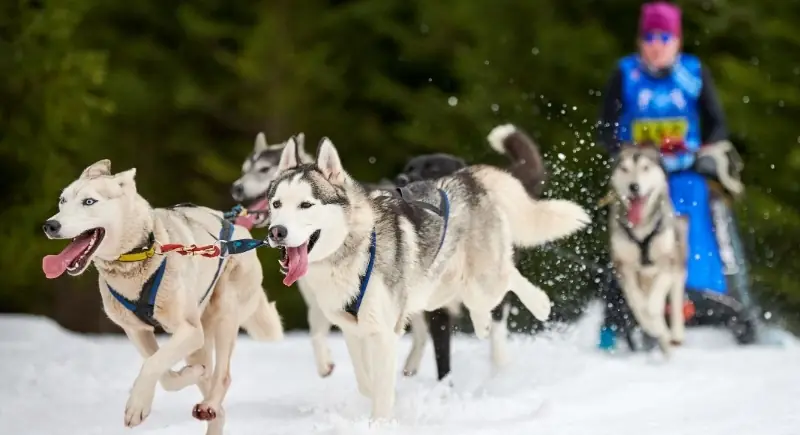
Cold tolerance depends heavily on breed. Huskies and Malamutes have dense coats built for winter. On the other hand, breeds like Greyhounds, Chihuahuas, and other short-haired canines lose heat faster. It’s important to understand your dog’s natural protection level before deciding how long they can safely be outside.
Look for Behavior Changes Outdoors
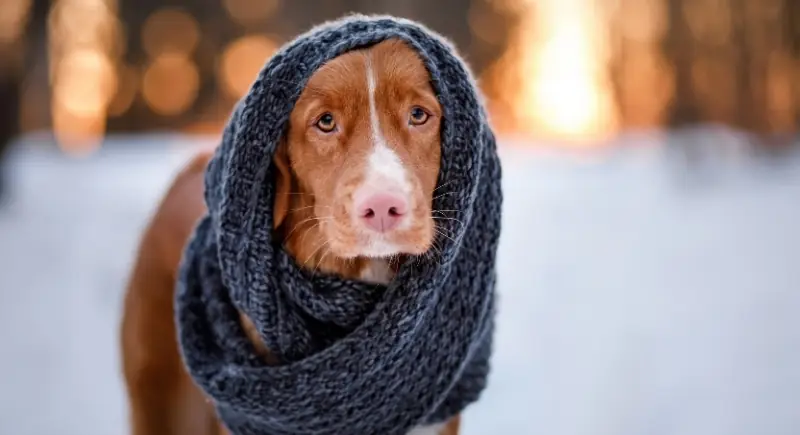
Shivering is the most obvious early warning sign that a dog is too cold, but there are others, too. If a dog starts slowing down, lifting its paws, or trying to turn back early during a walk, it’s time to head inside. Strain to low temperatures shows up differently depending on the dog. A pup that normally pulls the leash might also suddenly lag behind.
Always Clean Their Paws After Winter Walks
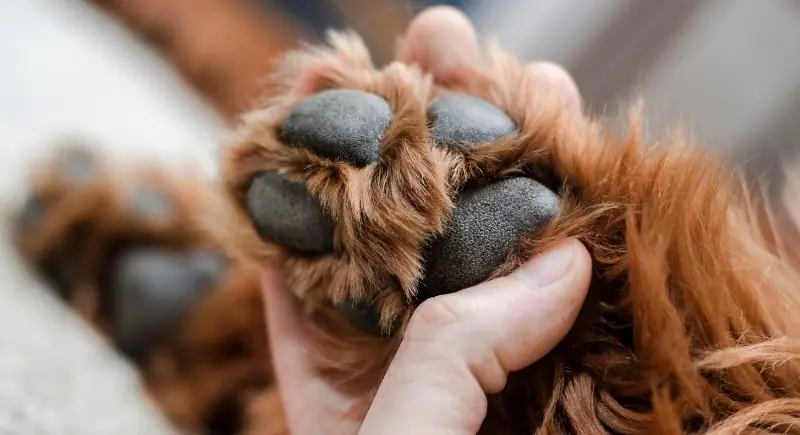
Ice melt chemicals and salt can cling to your dogs’ paws after a walk. If not cleaned off, they can cause burns or be ingested during licking. That’s a common route for poisoning in the winter months. Use warm water and a clean cloth or pet-safe wipe to gently wash paws, legs, and bellies. Don’t skip the stomach area, since residue sticks there too.
Use Clothing When Your Dog Needs It
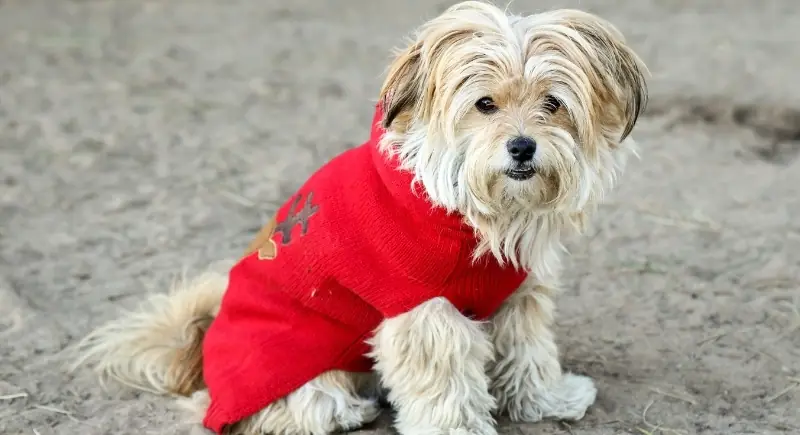
Dog coats and sweaters serve a real purpose, especially for breeds with short hair, thin frames, or medical conditions. They help protect exposed skin and retain body heat. A good coat should fit comfortably and cover the chest and belly. Snoods can shield ears, which are prone to frostbite. For pups that tolerate booties, use them to protect their paws.
Watch For Subtle Signs of Hypothermia
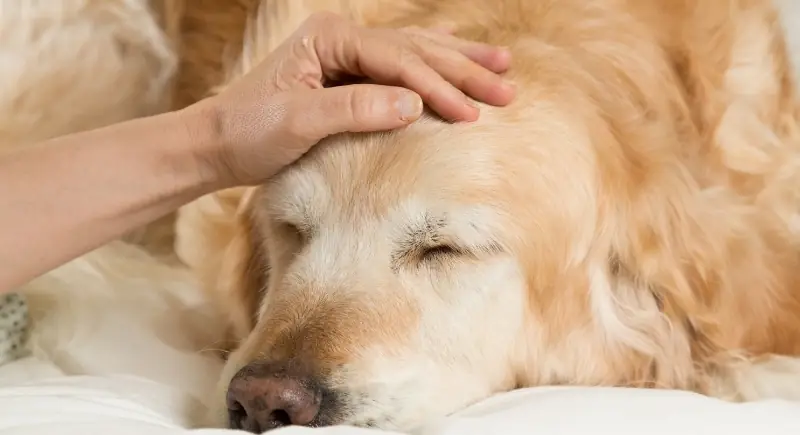
Exposure to freezing temperatures lowers a dog’s body temperature slowly at first. Mild shivering might seem harmless, but as hypothermia progresses, the signs become more severe. Lethargy, confusion, slowed breathing, and dilated pupils all point to a medical emergency. In the final stages, the shivering may stop altogether, which many misread as improvement.
Check Vulnerable Areas for Delayed Frostbite
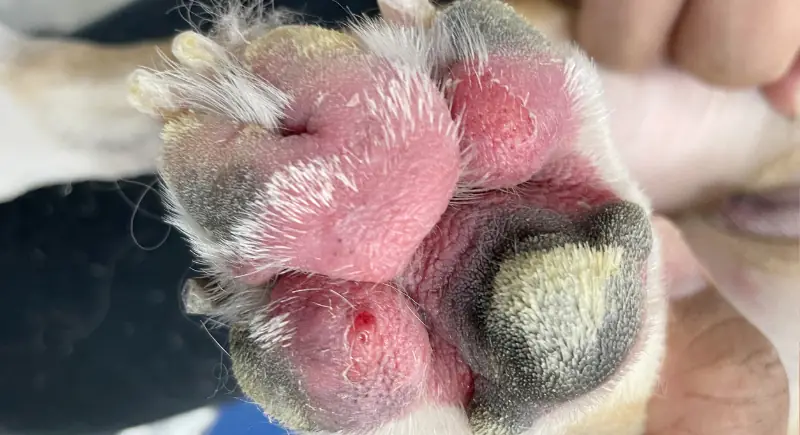
Frostbite affects areas with limited blood flow, such as ears, paws, and tails. The skin turns pale, feels cold or hard, and may take hours before showing damage. One overlooked cause is ice buildup between the toes. Those small clumps can freeze skin if not removed promptly. Avoid using heat directly on affected spots.
Be Cautious with Ice Melt on Sidewalks
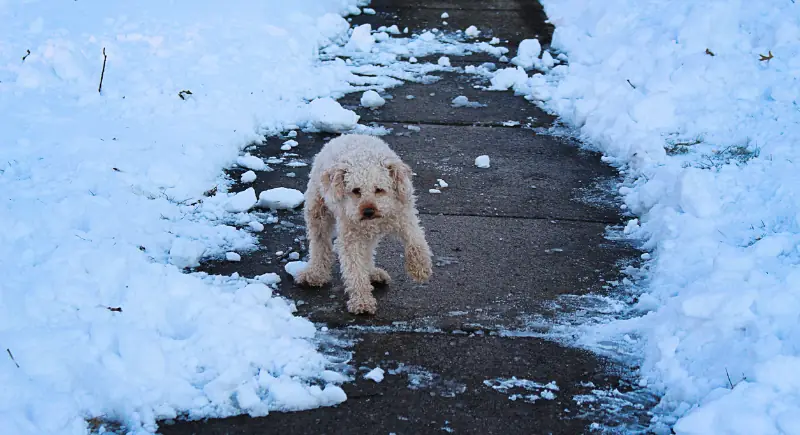
Labels that say “pet-safe” often mean “less dangerous,” not harmless. Many of these products still contain chemicals that can irritate skin or cause upset stomachs. Dogs that lick their paws after a walk may ingest these residues without you noticing. Choose products made without sodium chloride or ethylene glycol whenever possible.
Never Leave Dogs in Cars
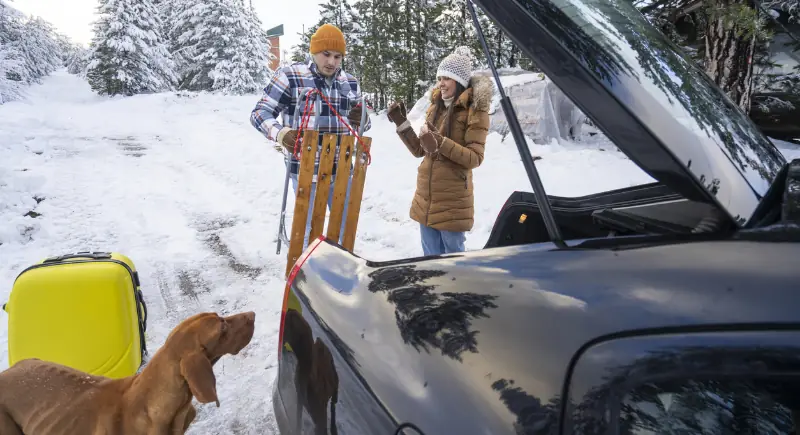
In winter, parked cars can trap cold air and act like refrigerators. Temperatures inside drop fast and stay low. Leaving the engine running isn’t a safe workaround either, since it creates carbon monoxide risk. If you wouldn’t sit in the car without heat for 30 minutes, neither should your dog.
Prevent Pups from Getting Lost in Winter
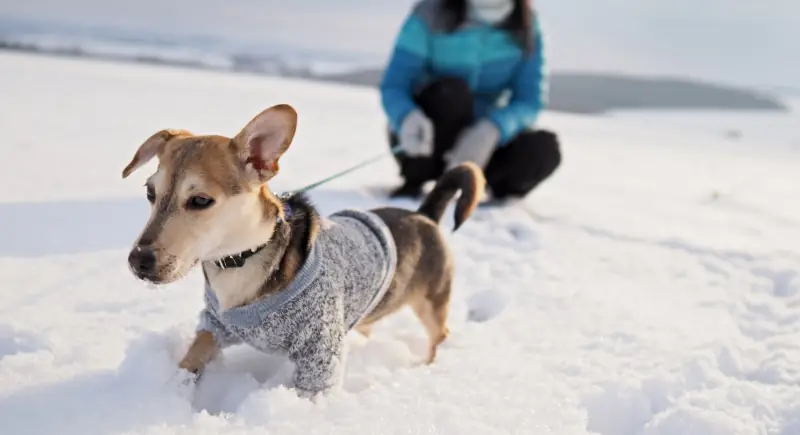
Animal shelters and vet clinics often report a spike in lost dogs during the winter months. Snow and ice interfere with scent tracking, so pets that run off struggle to find their way back. Even confident dogs can become disoriented when visibility drops. Keep dogs on a leash during walks, especially in snowy areas.





