
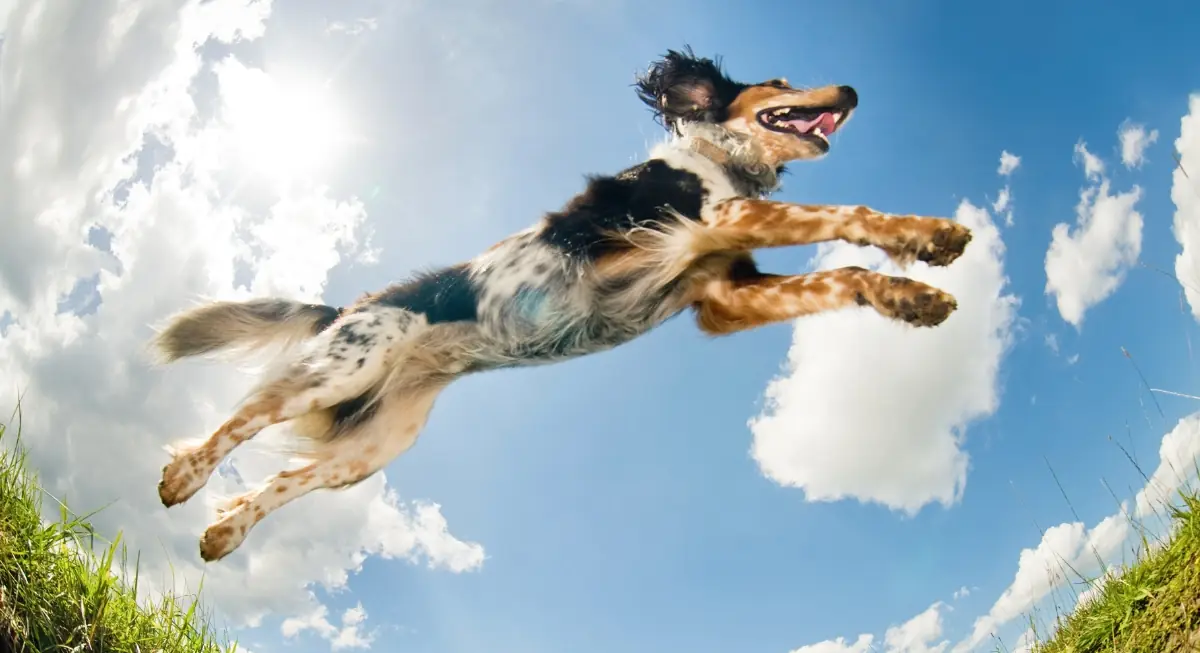
If calm and predictability are priorities in your home, these dogs might not be a match. But if you enjoy living with a little noise, spontaneous sprints across the hallway, and a companion who invents new games daily, keep reading. These breeds excel at turning dull moments into lively ones.
Siberian Husky
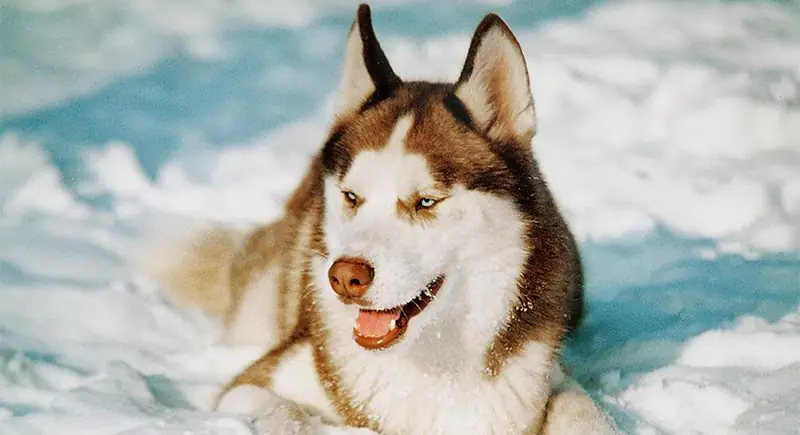
Huskies were developed by the Chukchi people for endurance and cold resistance, and those traits remain deeply embedded in their habits. Their impulses lean heavily toward movement, and confinement is frustrating unless it is combined with daily physical exertion. Be ready to provide two long walks a day and supervised time in secure, escape-proof spaces.
Jack Russell Terrier
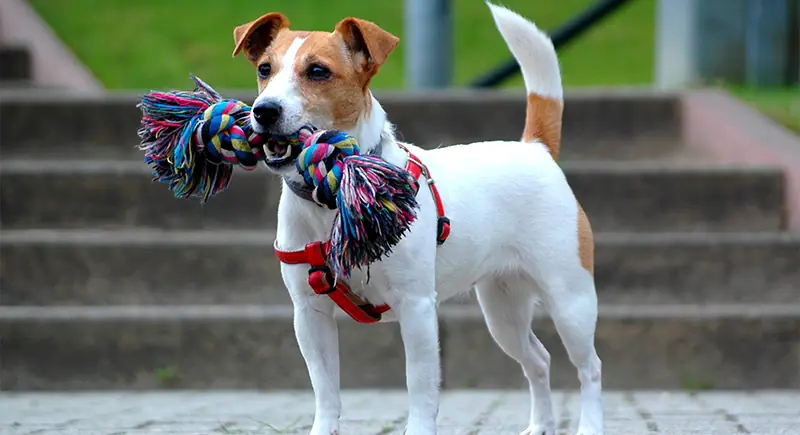
One of the most useful ways to work with this dog’s intensity is through fast-paced, mentally engaging activities. Jack Russells perform extremely well in flyball, scent tracking, and structured fetch routines. Their bodies handle repeated high-impact play easily, but they also require boundaries, or they quickly burn off that enthusiasm in destructive ways like tearing furniture or clawing at walls.
Beagle
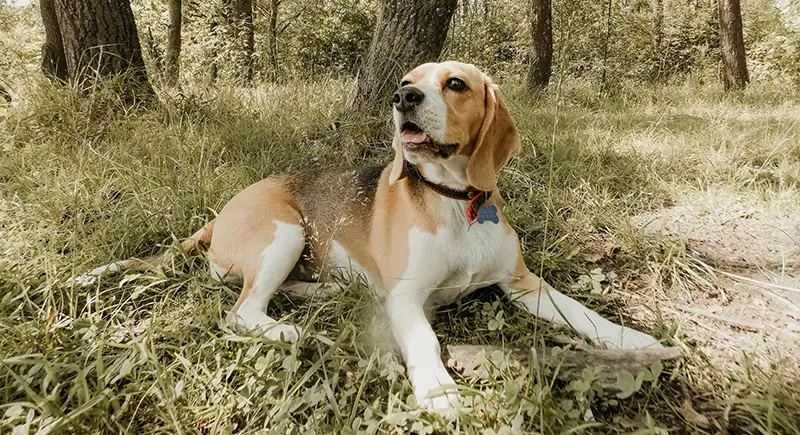
A Beagle’s sense of smell ranks among the strongest in the canine world, with approximately 220 million scent receptors, compared to about five million in humans. That explains why it’s so quick to chase smells across neighborhoods and across streets. That’s part of what makes it great at scent-based games like “find the treat”.
Boxer
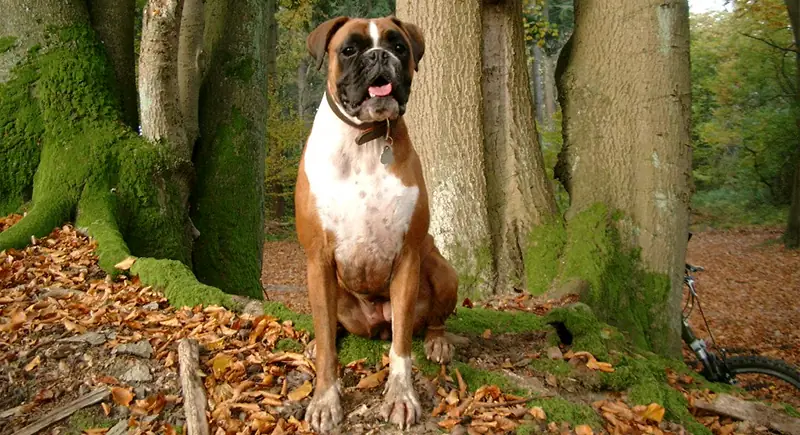
Even at five or six years old, many Boxers behave like oversized puppies still figuring out their limbs. They enjoy tasks that involve teamwork, especially if rewards include physical play. Lack of daily stimulation often leads to destructive behavior, such as chewing furniture.
Bull Terrier
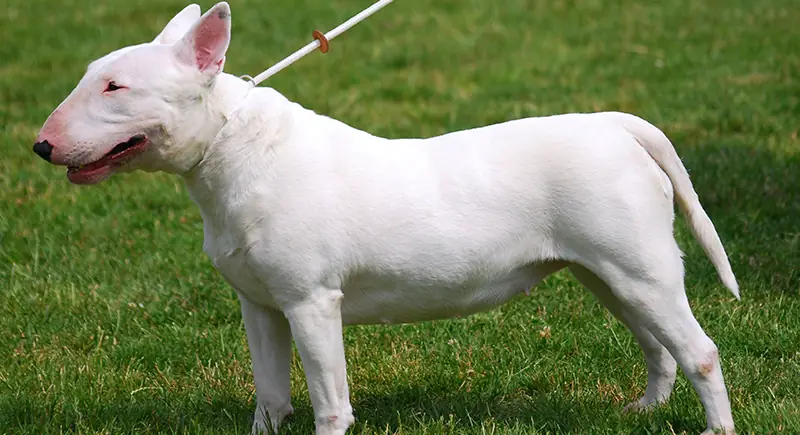
Muscular and tough, the Bull Terrier responds best to early structure and clear boundaries. While training may be difficult at first, regular, gentle methods build trust over time. The dog’s high energy levels and tolerance for rough play make it appealing to active households.
Dachshund
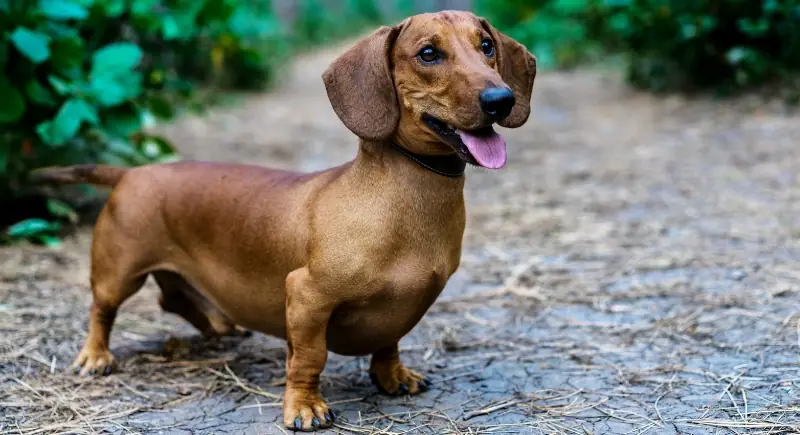
Inherited instincts stay firm in the Dachshund. Originally used to track and flush badgers, it continues to dig obsessively and wedge itself into hard-to-reach spaces. That drive can create problems in small homes, especially when paired with their natural stubbornness. Since they usually attach strongly to one person, training is most effective with frequent one-on-one handling.
Pomeranian
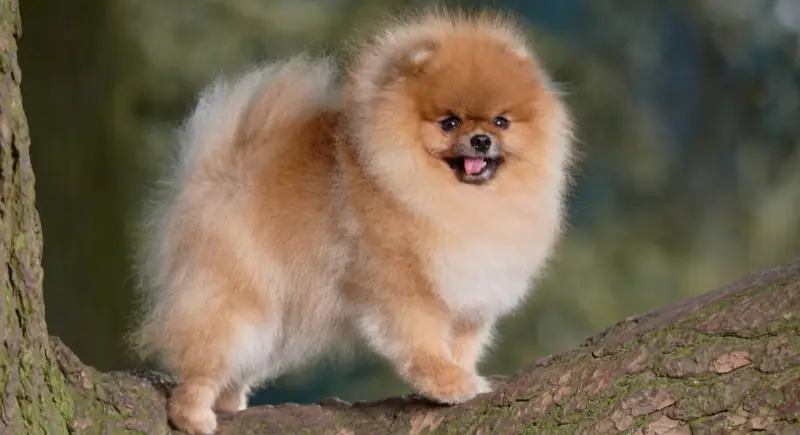
Pomeranians thrive in interactive homes where humans reciprocate their liveliness and communication. Tug-of-war with soft toys, hide-and-seek, and puzzle feeders fit their physical capacity and curiosity. Even though they are small in size, this pup’s presence is anything but quiet, and without guidance, they take over routines, object ownership, and noise levels with surprising speed.
Labrador Retriever
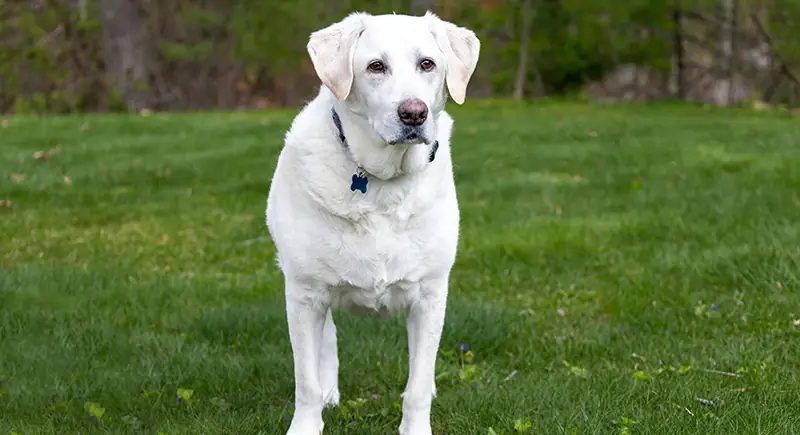
Bred to retrieve fish and game, the Labrador retains its drive to carry, chew, and explore. Many can’t resist grabbing anything nearby, from slippers to your hand, when they’re feeling playful. Regularly swapping out toys and games helps prevent restlessness.
Yorkshire Terrier
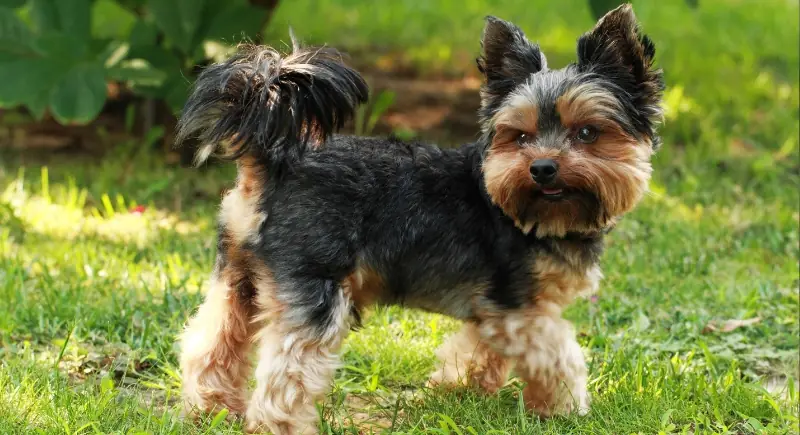
Despite its stature, the Yorkie carries a sense of autonomy and sharp environmental awareness. First used to hunt rats in textile mills, it remains quick-footed and resourceful. These dogs tend to hide objects, slip through tight gaps, and bark loudly at movement.
Golden Retriever
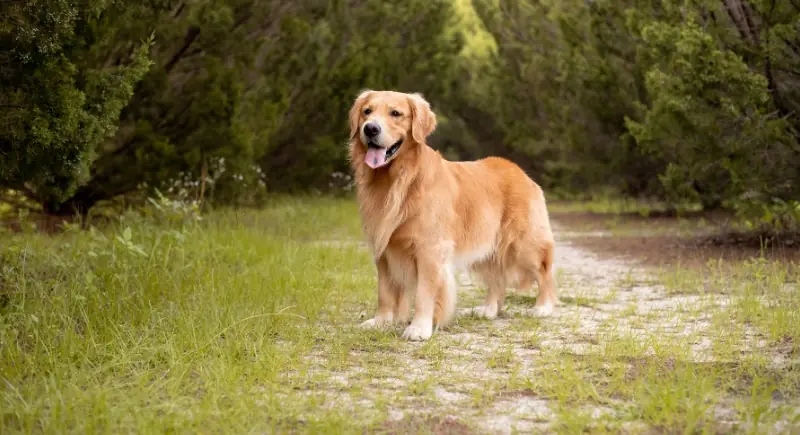
Golden Retrievers thrive on partnership and purpose. They may seek shared tasks, whether it’s carrying groceries, collecting toys, or walking in sync beside their humans. They play often and with focus, but still need limits. Learning to wait and react calmly takes consistent effort.
Keeshond
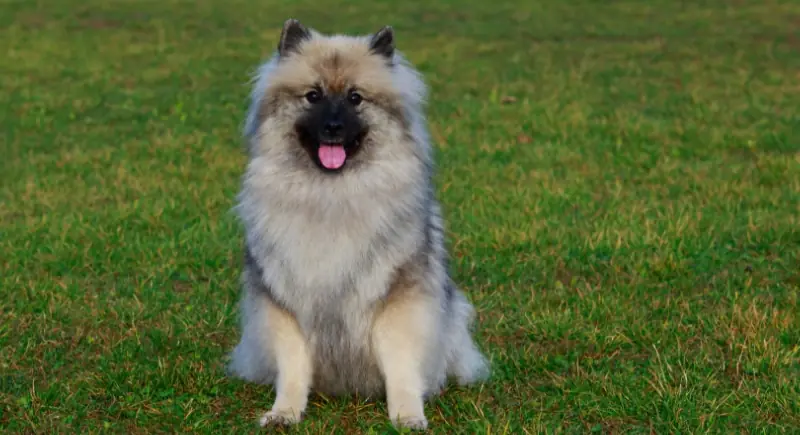
Originally a watchdog on Dutch barges, the Keeshond developed a keen sensitivity to movement and human actions. That awareness now appears as shadowing conduct, constant motion, and frequent vocalizing. These dogs insist on being included in everything and dislike being ignored.
Maltese
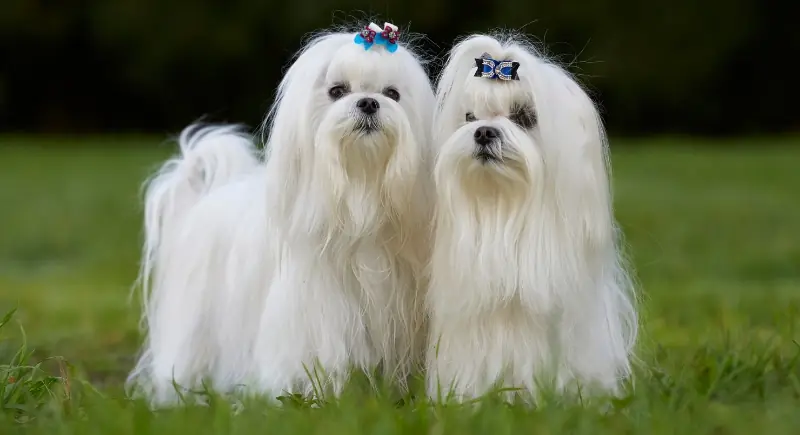
Centuries of life as a favored lapdog built a demand for attention into the Maltese’s temperament. They bark for interaction, follow people from room to room, and react heartily to sudden sounds. Loud environments and abrupt handling trigger reactive actions, so consistent engagement works best.
Old English Sheepdog
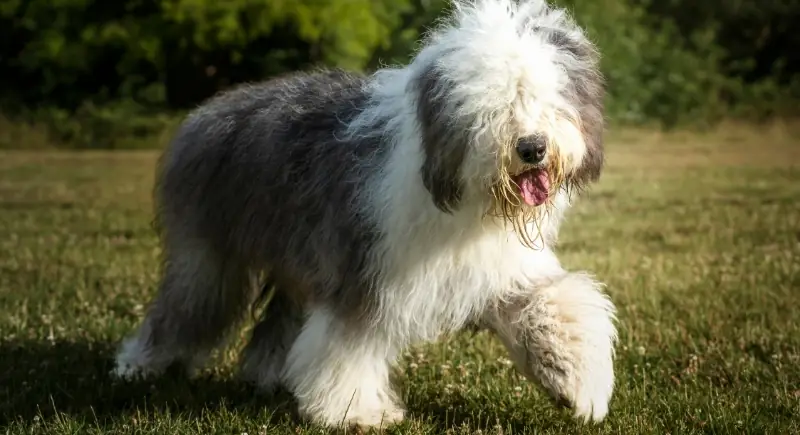
Historically tasked with driving cattle and sheep through rugged terrain, the Old English Sheepdog brings that herding instinct indoors. It may try to direct children, visitors, or other pets with physical nudges or blocking movements. That energy needs redirection in the form of agility drills, long walks, or toy retrieval games.
Lakeland Terrier
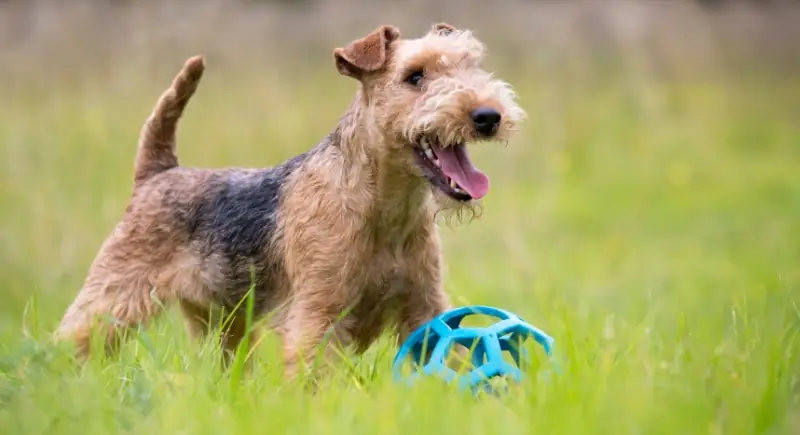
A Lakeland Terrier’s fast reflexes, sharp nose, and vigorous prey drive make unsupervised time outdoors risky, unless fencing is secure. Activities such as indoor tracking or tug-of-war drills help satisfy their alert minds and restless bodies. Many also benefit from group obedience classes, since early socialization helps manage natural intensity around other animals.
Collie
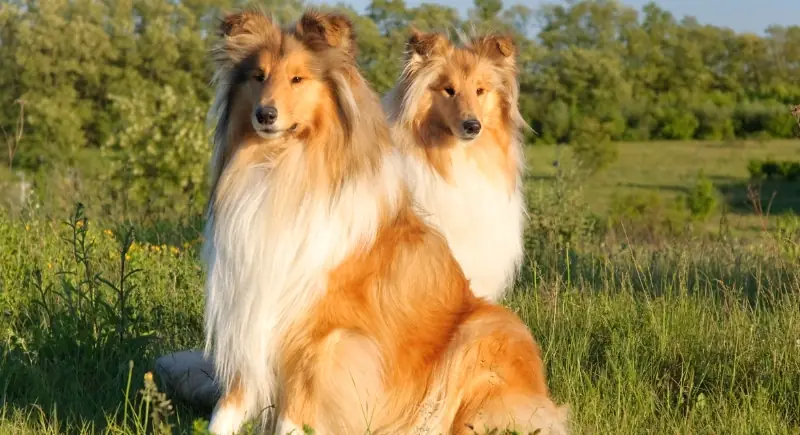
Collies are sensitive to routine disruptions and notice changes quickly. Combining scent games, recall practice, and long walks keeps their focus sharp and their drive managed. Boredom may appear as excessive vocalizing or anxious behaviors, but daily variety keeps their minds stimulated and avoids compulsive habits.
Border Collie
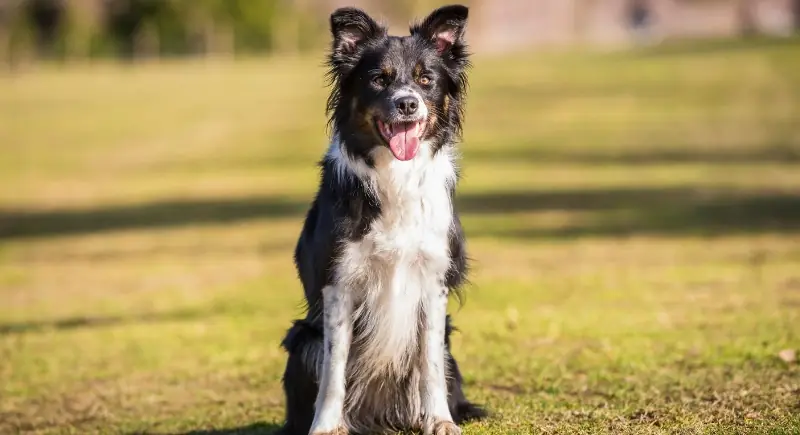
A Border Collie can turn a backyard into a full-time job by breakfast. One minute it’s circling the kids during a barbecue, the next it’s carrying a soccer ball through the house. Leave this dog bored for a weekend, and you may come home to missing couch cushions and a new hole near the fence.
Vizsla
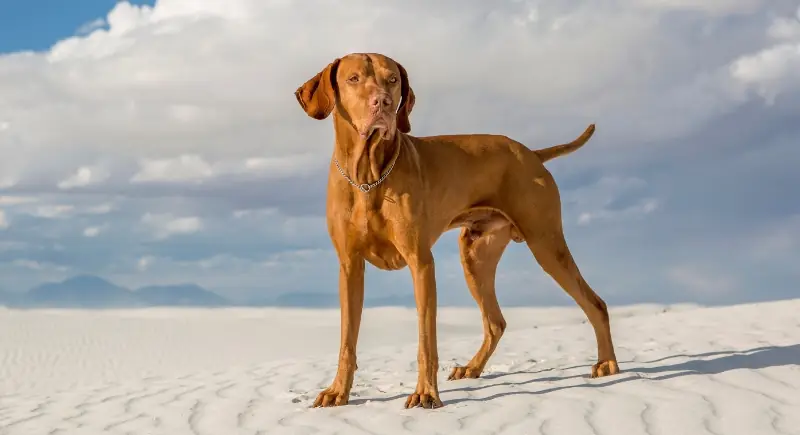
Vizslas move through life like somebody hit fast-forward. This dog wants to run, climb onto your lap, chase a tennis ball, then sprint another lap before dinner hits the bowl. A quiet afternoon rarely stays quiet for long. The American Kennel Club notes that Vizslas need extensive daily exercise and close interaction with their owners.





