
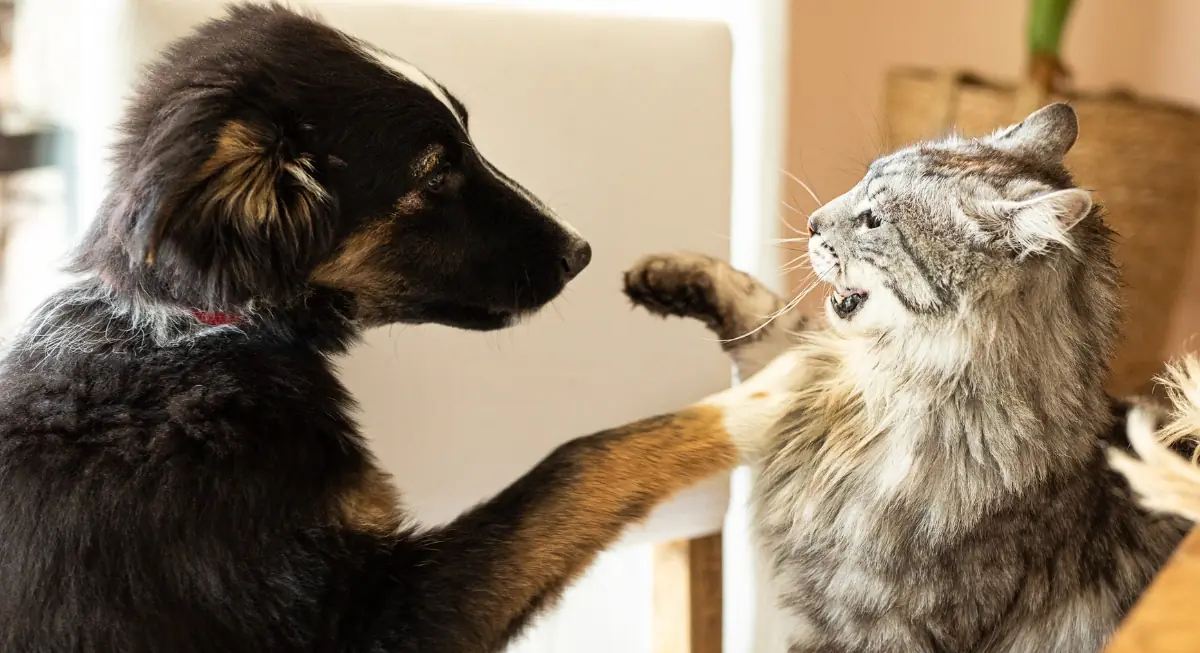
Cats and dogs have an iconic rivalry as old as time. While some pups happily snuggle up to their feline housemates, others are just not a good mix. It’s not about being a “bad dog;” there are instincts, energy levels, and personalities that don’t quite click. This list breaks down the breeds most likely to chase, bark at, or downright terrorize a cat so you can keep the peace in your home!
Beagle
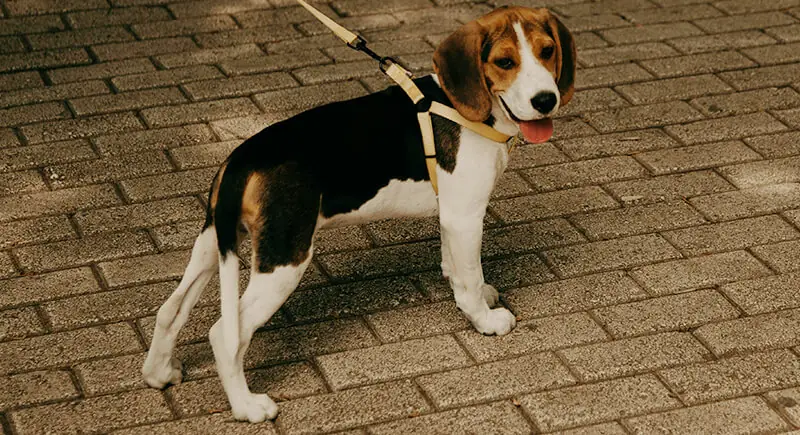
Beagles may look like adorable, floppy-eared goofballs, but don’t let that charm fool you. They are bred for hunting and have a keen nose and an unstoppable drive to chase small, fast-moving animals—including cats. Once a Beagle locks onto a scent, distractions don’t exist, and a fleeing feline only makes the game more exciting.
Greyhound
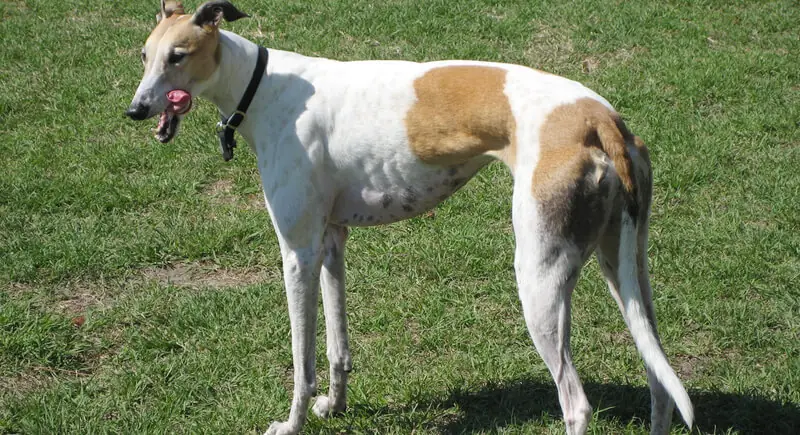
A Greyhound is built for speed; anything small and quick-moving is a natural target. Their racing history makes them expert chasers, and even the laziest retired Greyhound will snap into action at the sight of a darting cat. Some Greyhounds, especially those raised with cats from puppyhood, can coexist peacefully, but instinct is hard to train away.
Border Collie
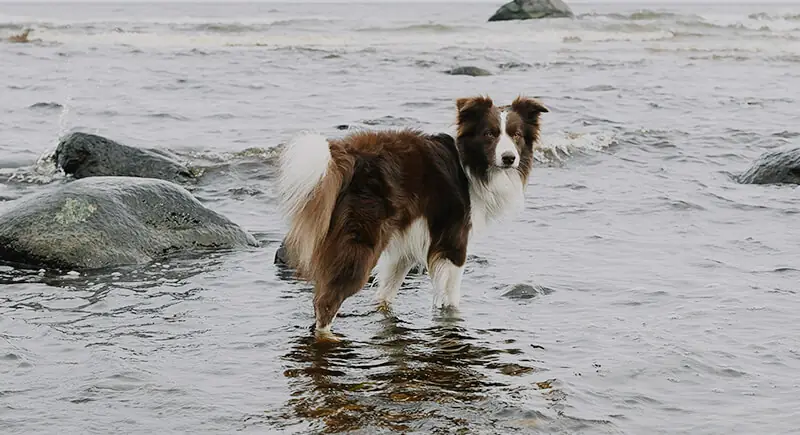
Border Collies have it in their DNA to herd. The relentless stalking, nudging, and circling turn a peaceful feline’s life into a never-ending game of “you’re doing it wrong.” This breed needs constant mental and physical stimulation, and when there’s no livestock to control, they’ll find a substitute—whether it’s the family cat or a bewildered toddler.
Jack Russell Terrier
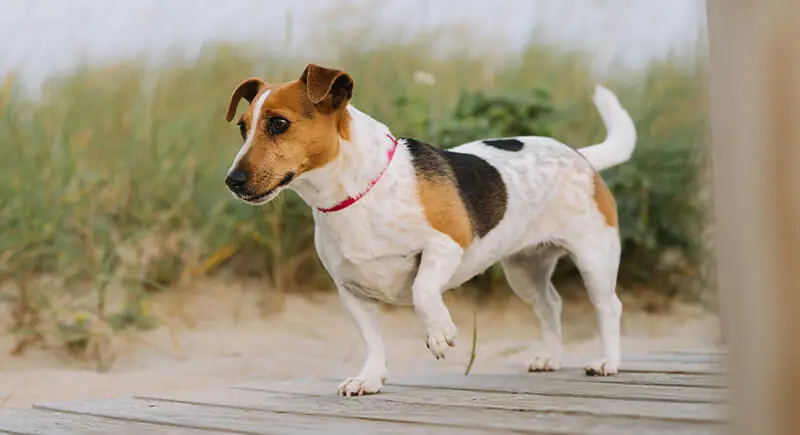
Russel Terriers are feisty, fearless, and packed with more energy than their small size suggests. A cat scurrying across the room can instantly set off a high-speed chase. Plus, they’re stubborn and determined, so they won’t back down from a conflict, which means a hiss or swat from a cat might only encourage more trouble.
Weimaraner

The Weimaraner is a hunting dog, plain and simple. They were raised to track down large game. These sleek, powerful dogs have a high prey drive that makes them unreliable around smaller animals. A housecat, no matter how confident, may trigger that instinct. While Weimaraners are affectionate with their humans, they often don’t see a cat as a companion.
Siberian Husky
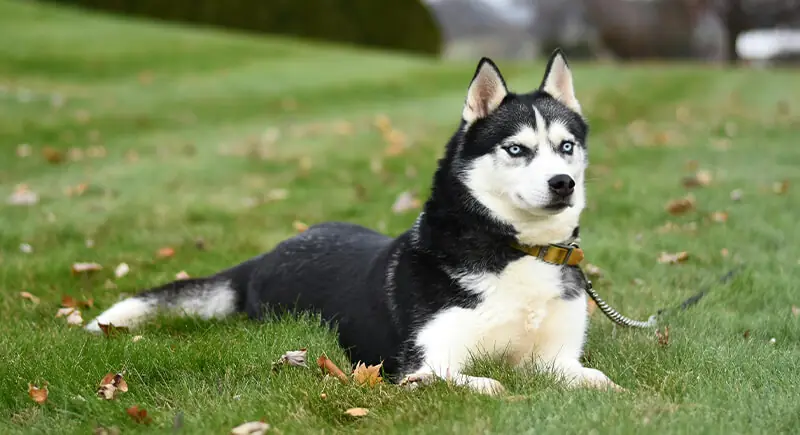
A Siberian Husky is a mix of mischief, independence, and raw power wrapped in a fluffy coat. They were bred to run long distances and, as a result, have an energy level that never seems to drop. The issue with keeping them alongside cats is that Huskies also have a powerful prey drive. In their eyes, a cat isn’t a roommate—it’s a moving target.
Australian Cattle Dog
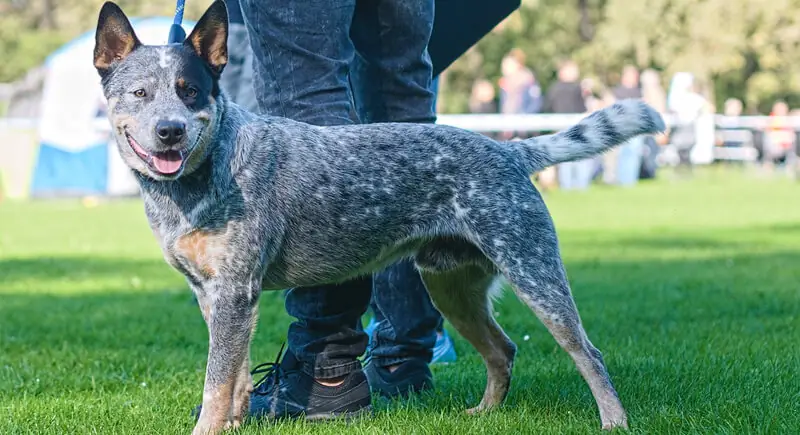
Australian Cattle Dogs are workaholics with a mission. These dogs have an instinct to control movement, which means a cat will never be left alone. Whether it’s herding, chasing, or playfully nipping, these behaviors can make cohabitation difficult—especially when the cat has no interest in being bossed around.
Samoyed
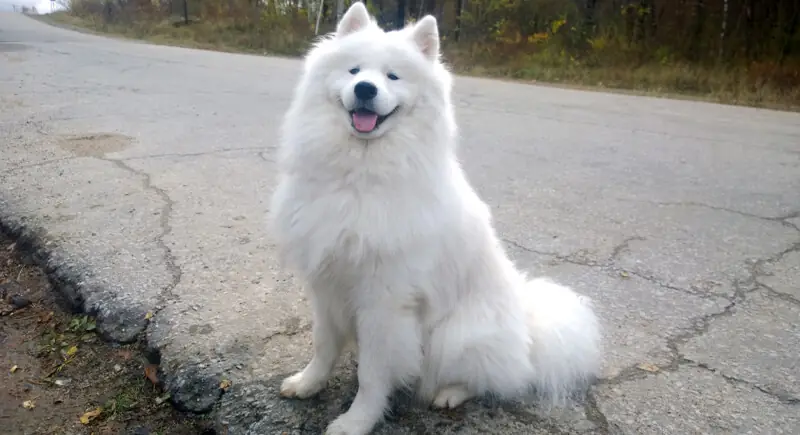
Samoyeds seem like friendly, cloud-like companions. But don’t be fooled—underneath all that fluff is a dog with boundless enthusiasm. While affectionate with people, their curiosity and playful energy can overwhelm a cat wanting to nap peacefully.
Basenji
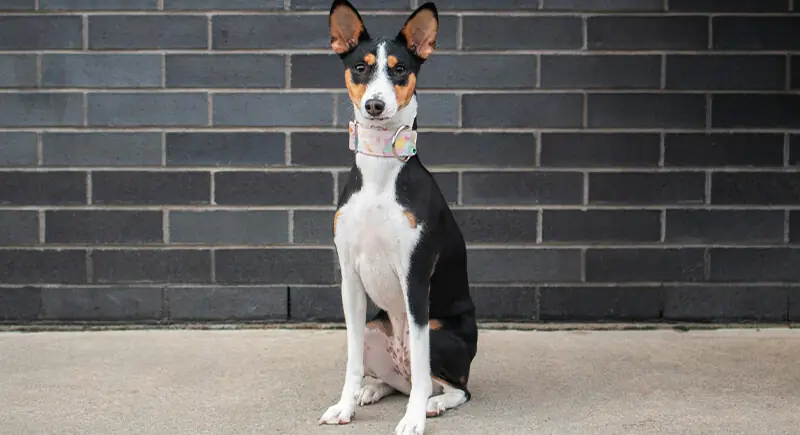
The Basenji is often called the “barkless dog,” but silence doesn’t mean peace in a home with cats. Unlike some breeds that can be trained to ignore small animals, Basenjis have a deeply ingrained instinct to hunt. Even if a cat is bold enough to stand its ground, a Basenji’s playful but persistent nature may lead to constant stalking and chasing.
Dalmatian
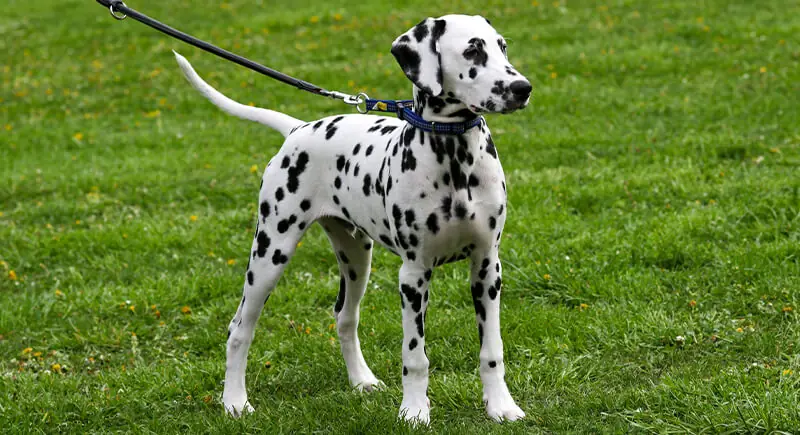
Dalmatians are best known for their striking spots, but those looks involve a lot of energy. Some Dalmatians can be trained to coexist with cats, but their natural excitability and high energy levels often make it difficult. Even if they don’t intend harm, a playful paw swipe is too much for a smaller, more delicate feline.
Scottish Deerhound
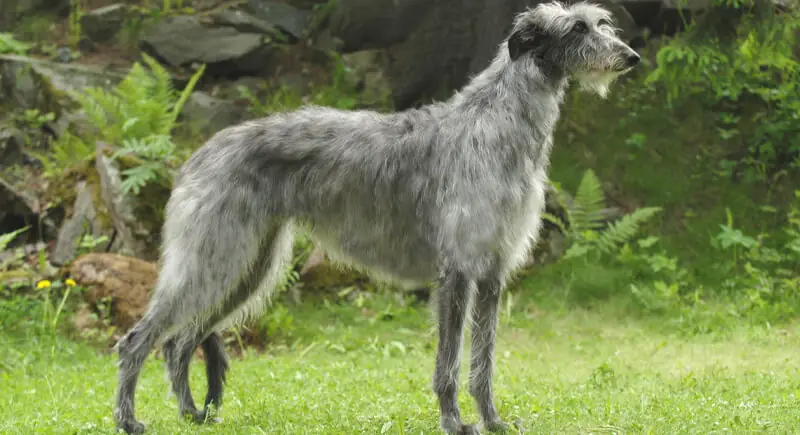
Scottish Deerhounds may be graceful and regal, but deep down; they are hunters through and through. Seeing a small, fast-moving animal—like a cat—can instantly trigger their pursuit instinct. Even a cat that holds its ground might not escape their curiosity. Since Deerhounds are large, agile, and fast, their presence alone can be intimidating for a feline roommate.
Bedlington Terrier
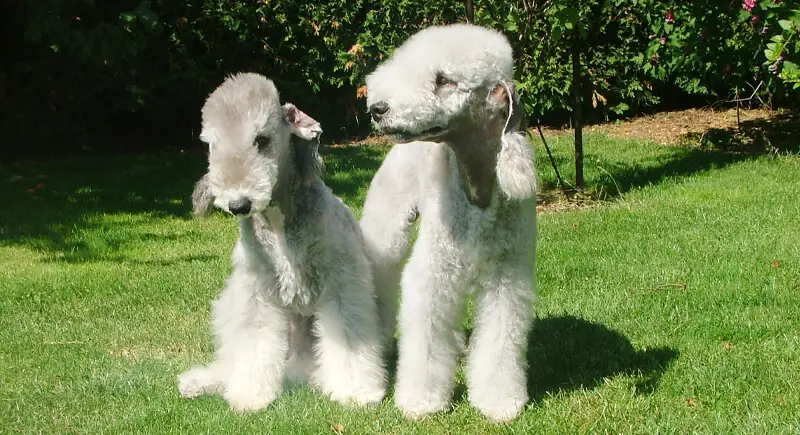
At first glance, a Bedlington Terrier looks more like a cuddly lamb than a fierce hunter, but these dogs are trained to chase down vermin, and that prey drive hasn’t disappeared. They see small, fast-moving animals as fair game—including house cats. Once they start chasing, they don’t give up easily.
Shiba Inu
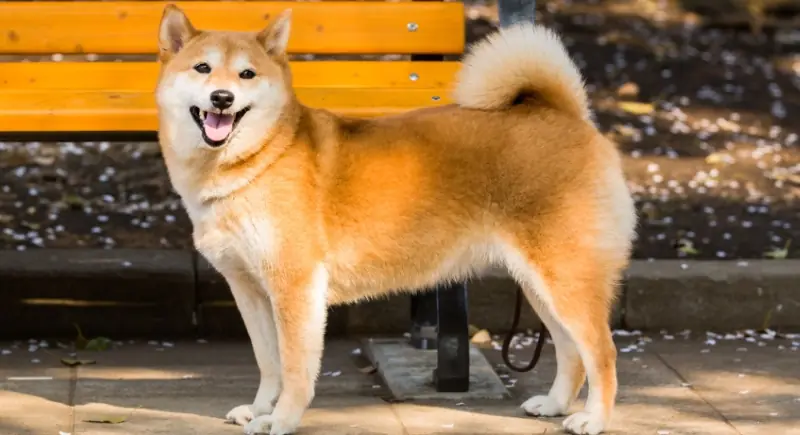
Shiba Inus resemble foxes and are charming, but cats often bring out their stubborn side. Independent and territorial, they dislike sharing space and may see a cat as an intruder. Quick movements can trigger chasing, and Shibas rarely back down once annoyed. Early training helps, but instincts still surface.
Airedale Terrier
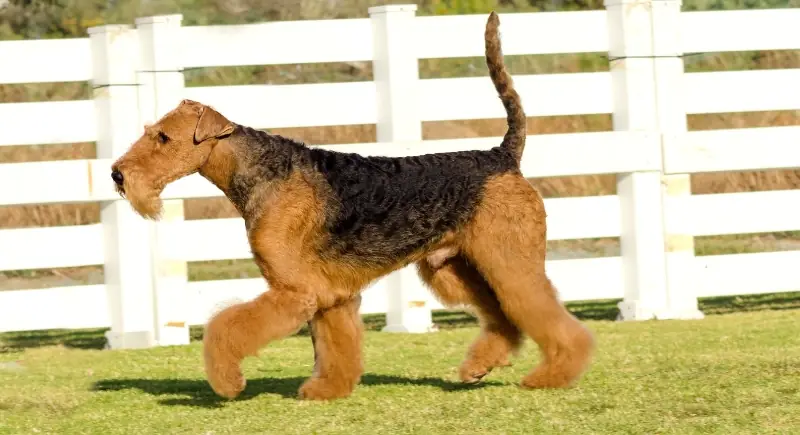
Airedale Terriers are confident, curious, and bred to hunt. Their size and bold personality can overwhelm a cat fast. Many enjoy chasing and rough play, which can be perceived as threatening to felines. Even well-socialized Airedales may ignore boundaries when they become overly excited. Supervision is essential in mixed-pet homes.





