
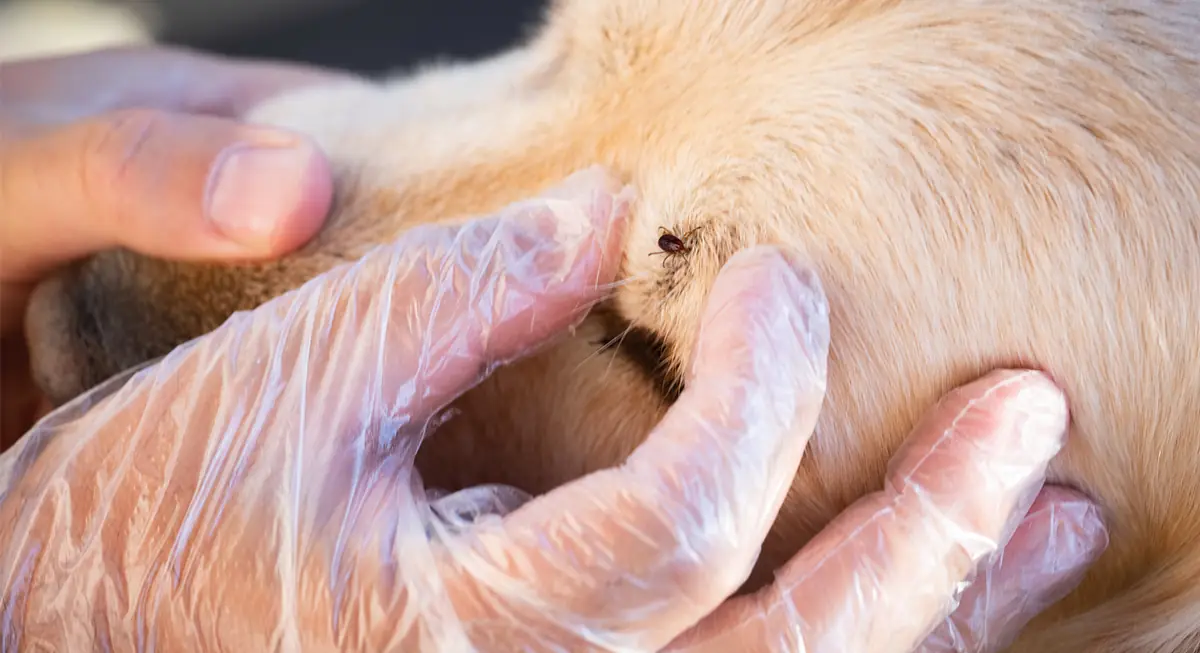
Ticks are the worst nightmare for any dog owner. These pesky creatures latch on to your dog’s skin and feed on him. They also bring with them a whole host of potentially life-threatening diseases. Luckily, there are a bunch of strategies you can follow to ensure that this doesn’t happen. Let’s check some of them out below.
Start with Veterinary-Approved Preventives
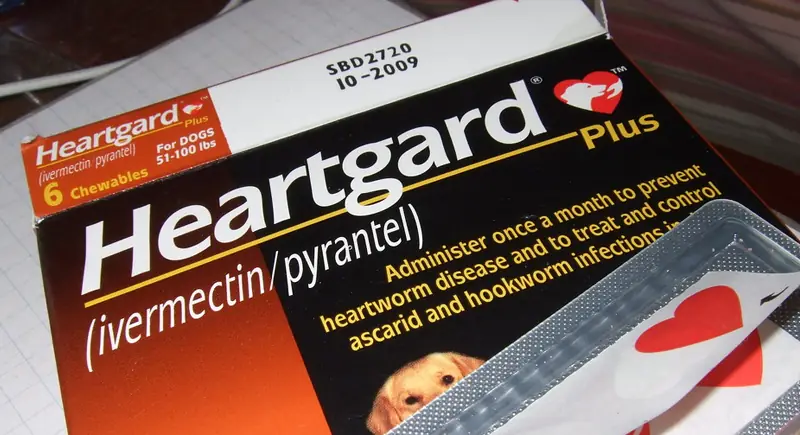
Your vet is your first line of defense. Products like oral medications and topical treatments disrupt the tick’s ability to latch onto or feed on your dog. These options are often tested for both safety and efficacy.
Inspect Your Dog After Every Outdoor Adventure
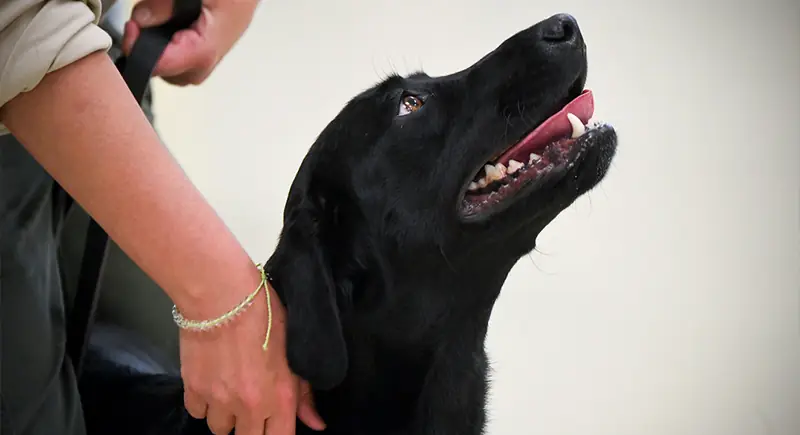
Ticks are sneaky and love to burrow in hard-to-spot areas. After a hike or even a backyard romp, give your dog a thorough once-over. Check under their ears, between their toes, and around their tail. Using a fine comb during inspections can help spot smaller ticks.
Keep Your Lawn in Check
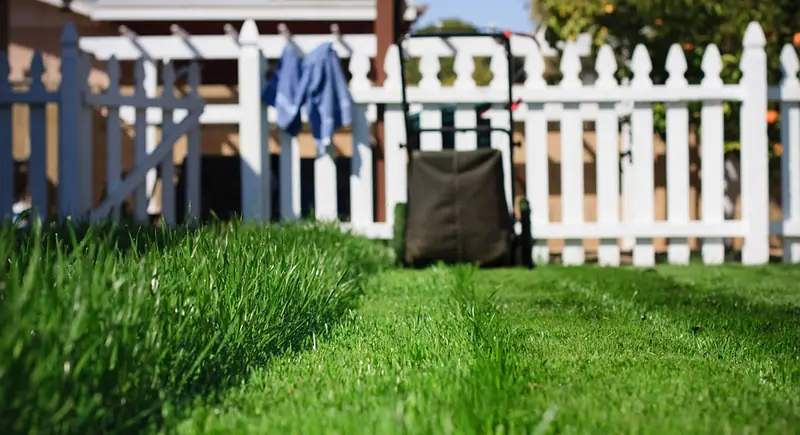
Ticks thrive in tall grass and overgrown shrubs. A tidy yard is a crucial step in tick prevention. Regularly mow your lawn, rake up leaves, and trim back vegetation. The more sunlight your yard gets, the less appealing it will be to ticks.
Stay Clear of High-Risk Areas

If you know an area is teeming with ticks—like dense forests or tall grassy fields—think twice before letting your dog roam there. Stick to well-maintained paths and open spaces where ticks are less likely to be lurking.
Grooming is More Than a Beauty Routine

Bathing and brushing your dog regularly can do wonders for spotting ticks early. A smooth, well-kept coat makes it harder for ticks to latch on unnoticed. Plus, regular grooming helps you spot other skin issues before they become serious.
Wash Their Bedding Often

Your dog’s bed can become a tick haven if it’s not cleaned frequently. Toss their bedding in the wash at least once a week using hot water. This practice also eliminates other potential pests like fleas, which can coexist with ticks in the same environments.
Use Natural Tick Repellents with Care

Some natural oils, like cedarwood or eucalyptus, can repel ticks. But don’t experiment—always consult your vet before using any natural remedies to make sure they’re safe for your pup. What works for humans doesn’t always work for dogs.
Create a Tick-Free Buffer Zone
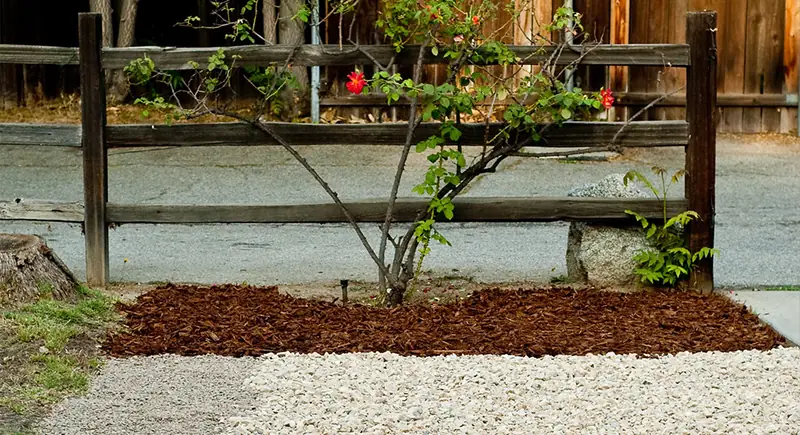
If your yard backs up to woods or tall grass, consider creating a buffer zone. A three-foot-wide barrier of gravel or mulch can discourage ticks from wandering into your space. It’s a small adjustment that pays off in a big way.
Know the Art of Tick Removal
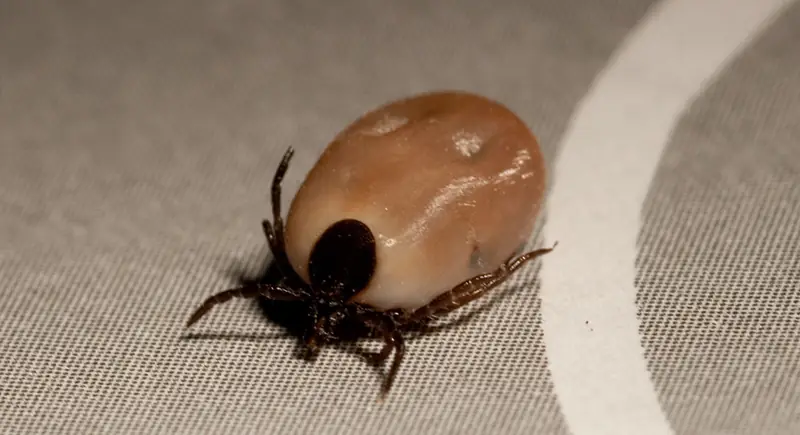
If you find a tick on your dog, don’t panic. Grab a fine-tipped pair of tweezers and gently pull the tick straight out, avoiding any twisting or squeezing. Disinfect the area afterward and monitor your dog for any signs of illness. Quick removal can prevent disease transmission.
Treat Your Yard Responsibly

Sometimes, even a well-maintained yard needs an extra layer of protection. Pet-safe tick treatments for lawns can help reduce tick populations. Always follow the product instructions carefully, and ensure your dog isn’t exposed to any harmful chemicals during application.
Keep Outdoor Gear Tick-Free
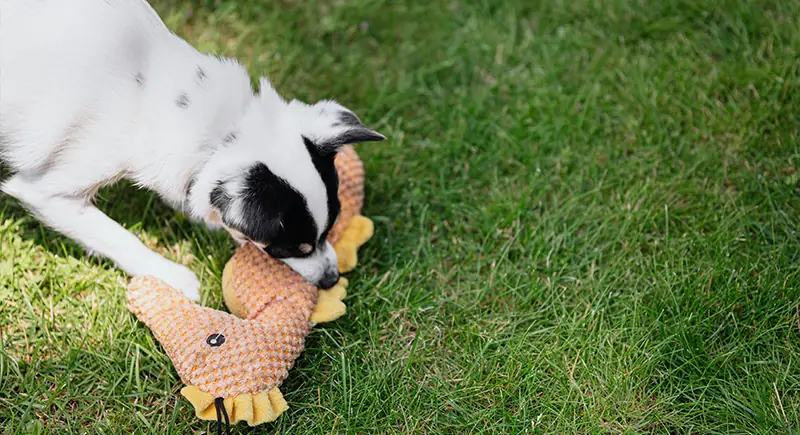
If your dog has a favorite leash or outdoor toy, make sure those items are clean too. Ticks can latch onto gear and hitch a ride indoors. Regularly inspect and clean your dog’s accessories, especially after outdoor adventures.
Choose Protective Dog Clothing

Yes, protective clothing for dogs exists, and it’s more practical than it sounds. Lightweight, breathable fabrics can shield your dog’s skin from ticks during hikes or outdoor play. It’s especially helpful for dogs with short coats or sensitive skin.
Be Tick-Savvy with Seasonal Awareness

Ticks are most active during certain times of the year, usually spring and early summer. Keeping track of local tick activity maps, often published by public health organizations, can help you prepare and adjust your preventive measures during these times.
Check Your Dog’s Favorite Hangouts

If your dog has a go-to spot in the yard or house, inspect those areas regularly. Ticks can hide in crevices, under furniture, or even in cracks on a porch. Using pet-safe sprays in these spaces will further eliminate that possibility.
Partner Up with Your Vet for Long-Term Protection
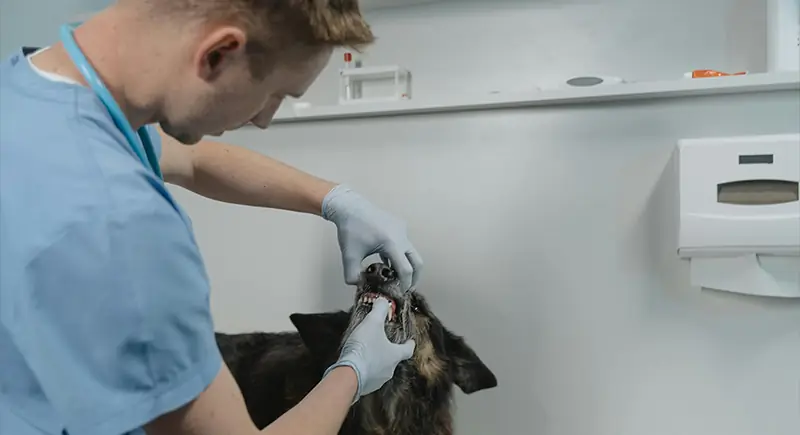
Tick prevention isn’t a one-and-done task. Regular check-ups with your vet ensure you’re using the best products and strategies for your dog. They can also spot any early signs of tick-borne diseases and catch issues before they become serious.
Use Tick Collars for Added Defense

Tick collars provide steady protection by releasing ingredients that repel or kill ticks before they latch onto the animal. They work exceptionally well for dogs that spend lots of time outdoors. Ensure the collar fits snugly and check it regularly for signs of wear, so your dog remains fully protected.
Fence Off Wildlife Pathways

Deer, raccoons, and other critters often carry ticks right into your yard. Installing fencing or blocking common entry points can help reduce the number of unexpected visitors. Fewer wildlife guests mean fewer ticks dropping into your dog’s space, making your yard a safer hangout overall.





