

The Thai Ridgeback is a living piece of history. This rare breed has existed for centuries, yet most people have never heard of it. In this article, we uncover the most fascinating facts about one of the world’s most unique and underrated dog breeds. Let’s check them out below.
Ancient Origins

The Thai Ridgeback isn’t some modern designer dog—this breed has been around for centuries. Experts believe these dogs date back at least 1,000 years and originated in Thailand’s eastern regions. Their history is tied to the country’s rural communities, where they were used for hunting, guarding, and even pulling carts.
Primitive Breed

Thai Ridgebacks are a “pariah” or primitive breed, meaning they haven’t been significantly altered by modern breeding. These dogs still carry the survival instincts of their ancestors, so they’re highly self-sufficient and sharp-witted. In Thailand, they historically lived in villages with little human supervision.
Distinctive Ridge

Some Ridgebacks have a clean, symmetrical ridge, while others may have unique swirls or crowns within them. While the exact reason for this feature is unknown, it’s believed to be an ancient mutation. Legends even claim the ridge was meant to make them look more intimidating to predators.
Natural Athletes

Ridgebacks have a well-muscled frame that makes them excellent runners and jumpers. They’re known for their ability to leap impressively high from a standstill. Historically, their agility helped them survive in Thailand’s rough terrain, where they needed to quickly chase down prey or escape danger. Their athleticism makes them fantastic companions for active owners.
Cobra Hunters
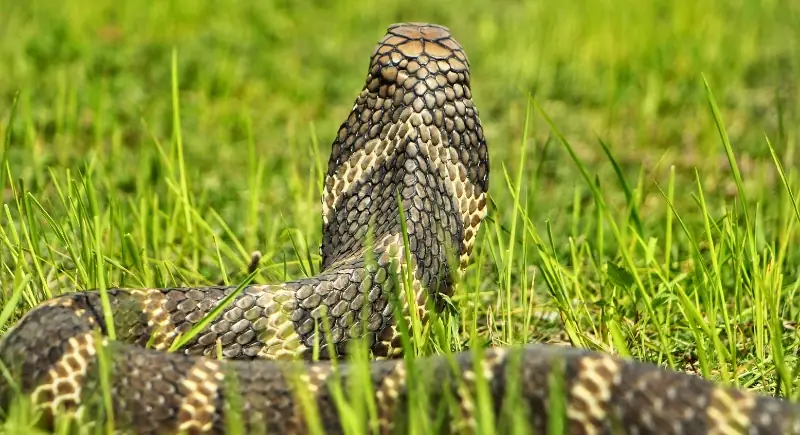
Thailand is home to some of the world’s deadliest snakes, including cobras, and the Thai Ridgeback has a history of taking them on. Their ability to detect and react to fast-moving threats helped protect their owners from venomous bites.
Intelligent but Stubborn

Thai Ridgebacks are whip-smart, but that doesn’t mean they’re eager to please. Unlike breeds bred for obedience, these dogs have an independent streak that challenges training. They pick up commands quickly but may decide they have better things to do than follow them. If they don’t see a reason for listening, they won’t.
Excellent Watchdogs

Unlike breeds that bark at every little thing, these dogs are selective. If they sound an alarm, there’s probably a good reason. Their wariness of strangers makes them natural guardians, and their strong territorial instincts mean they won’t hesitate to protect their home. They’re not aggressive without cause but won’t roll over for anyone, either.
Loyal Companions

Despite their independent streak, Thai Ridgebacks form deep bonds with their owners. They may not be the type to greet strangers with wagging tails, but they’re all in regarding their family. Their loyalty is unwavering once they trust someone. They’re not overly clingy but like knowing where their people are.
Spotted Tongue

Some Thai Ridgebacks have blue or black spots on their tongues. While not all have this unique feature, it’s considered a mark of pure lineage within the breed. Some people even believe that a dark tongue is a sign of strength and good health in Thai culture.
Muscular Build

The Ridgeback’s athletic build is defined by powerful legs and a strong core that gives them endurance and speed. This breed was made for movement, with a natural grace that makes them look effortless when they run. They’re not just sprinters, either—they have the stamina to go for miles. Stopping them is no easy task if they decide they’re going somewhere.
Wrinkled Forehead

A Thai Ridgeback’s forehead is downright dramatic. When they’re focused, confused, or deep in thought, their forehead wrinkles up in a way that gives them a perpetually concerned look. These wrinkles add to their intense, almost mysterious appearance. It’s part of their charm.
High Prey Drive

If it moves, they’re chasing it. Thai Ridgebacks have an incredibly high prey drive, a trait that made them excellent hunters in their native Thailand. While they no longer need to track wild game, that instinct hasn’t faded. Cats, squirrels, rabbits—anything small and fast is fair game in their eyes.
Not Ideal for New Owners

This isn’t a breed for someone looking for an easygoing, low-maintenance pet. First-time dog owners may find their stubbornness frustrating, as they don’t respond well to forceful training methods. In the right hands, they’re incredible companions—but they’re not the kind of dog that goes with the flow.
Rare Outside Thailand

Thai Ridgebacks are still relatively unknown outside their homeland despite their long history. They remained isolated for centuries and were primarily found in eastern Thailand. Even now, they’re a rare sight outside Asia. The American Kennel Club (AKC) only recognized them in 1996 as part of the Foundation Stock Service, and they’re still building their presence in the U.S.
“Cat-Like” Groomer

Thai Ridgebacks are renowned for their short, smooth coats that require minimal effort to maintain their cleanliness. They shed less than many breeds and tend to have little natural odor, which means fewer baths are needed. Regular brushing keeps their coat healthy, making grooming straightforward for owners.
Four-Color Palette

Unlike many breeds with endless color variations, Thai Ridgebacks come in just four recognized coat colors: red, black, blue, and fawn. Each shade is solid and striking, often paired with amber or dark eyes. The limited palette adds to the breed’s rare, almost sculptural appearance.





