
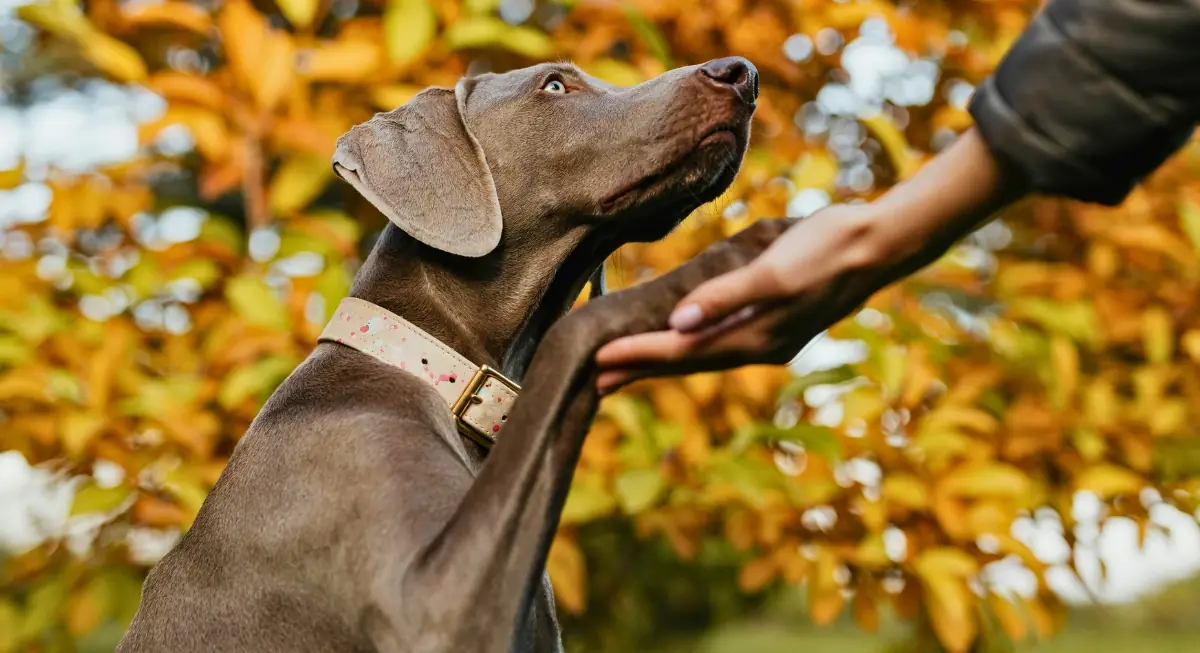
Some dogs seem to understand what you’re asking almost instantly. How quickly they catch on usually depends on working intelligence, which assesses how quickly a dog learns a command and how reliably they respond the first time. Research based on Stanley Coren’s intelligence model found that certain breeds can learn a new command in fewer than 5 tries and respond more than 95% of the time.
Papillon
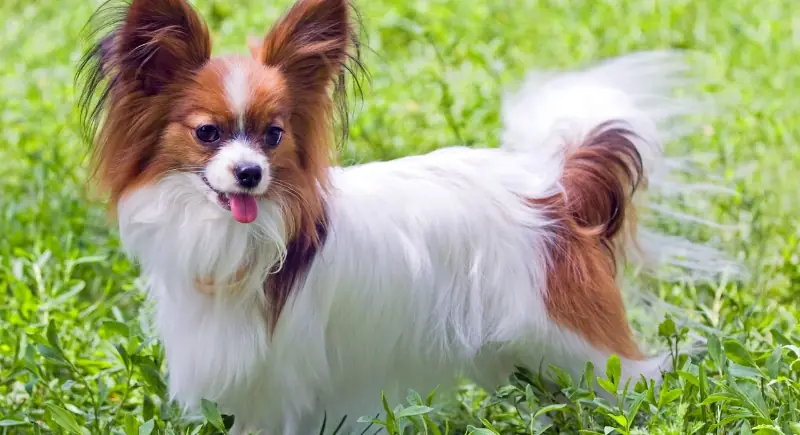
Those oversized butterfly ears make people expect a simple lap dog, but training tells a different story. Papillons pick up routines quickly and tend to repeat them with impressive accuracy, which is why they perform so well in obedience work. They notice patterns fast and start anticipating rewards. Short, daily mental challenges keep their reactions sharp and help turn new commands into lasting habits.
Rottweiler
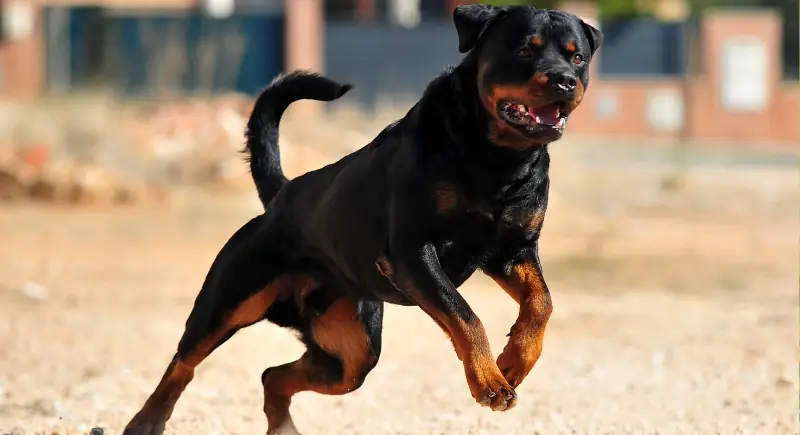
These dogs once moved cattle long distances and guarded property, requiring them to remember routes and commands without hesitation. Training research shows they retain commands for years once learned. Early socialization builds confidence, and confident dogs learn faster because stress does not interrupt focus during training.
Labrador Retriever
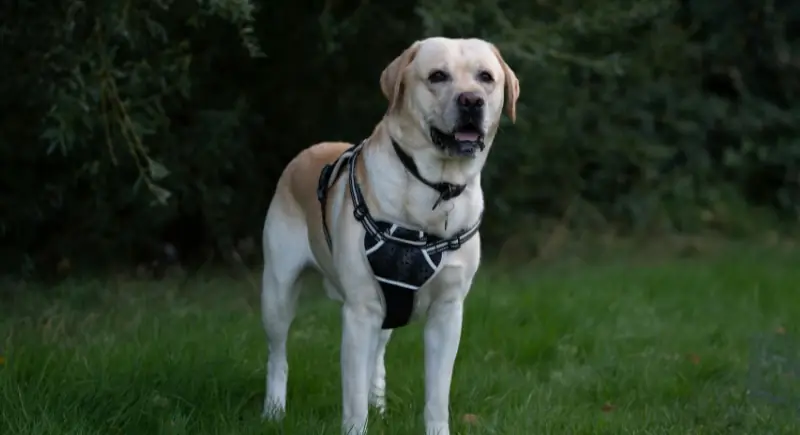
Food motivation helps Labrador Retrievers form rapid associations between rewards and behavior. Guide dog programs often choose them because fast learning improves handler safety in real-world situations. Remember: Praise combined with repetition improves first-command accuracy, so be sure to give them all that verbal appreciation.
Doberman Pinscher
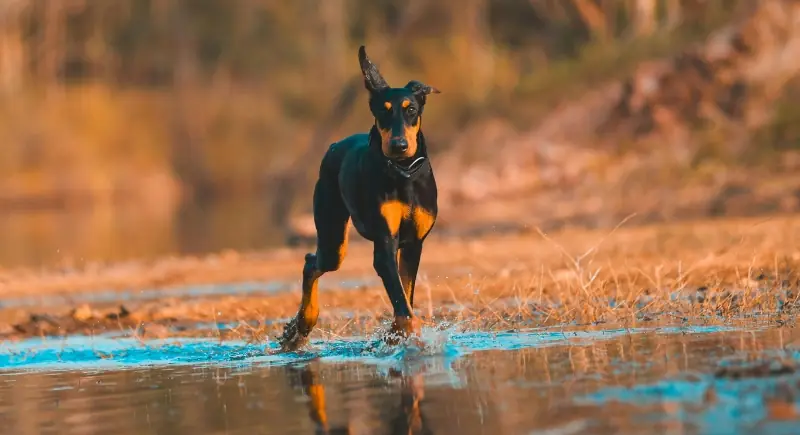
Protection and security programs value dogs that react quickly and make clear decisions, and Dobermans fit that role well. They stay alert and naturally scan their surroundings, which supports fast learning. Puzzle toys and scent work keep their focus steady and reinforce obedience. Their strong awareness of their handler also helps them master complex command sequences with surprising speed.
Golden Retriever
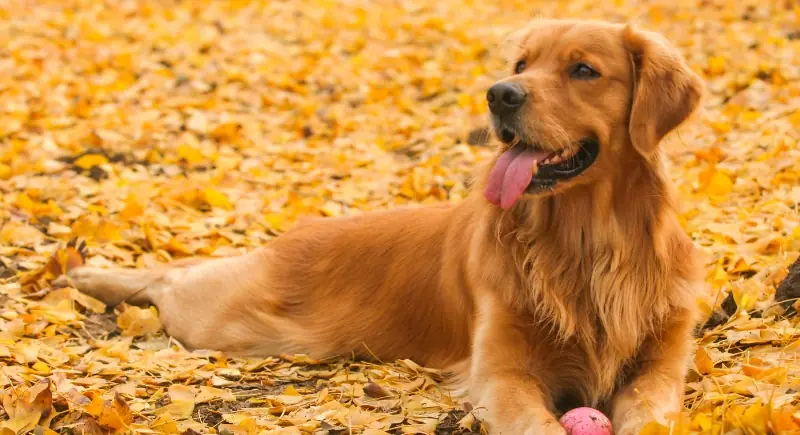
Goldens approach training like something they truly enjoy doing with you. That enthusiasm is one reason therapy and service programs depend on them, since quick recall learning leads to steady, reliable responses. They retain commands well when training combines voice cues with gentle touch signals. Their retrieving background also gives them patience for repetition, so they can handle longer sessions without drifting off or losing accuracy.
Shetland Sheepdog
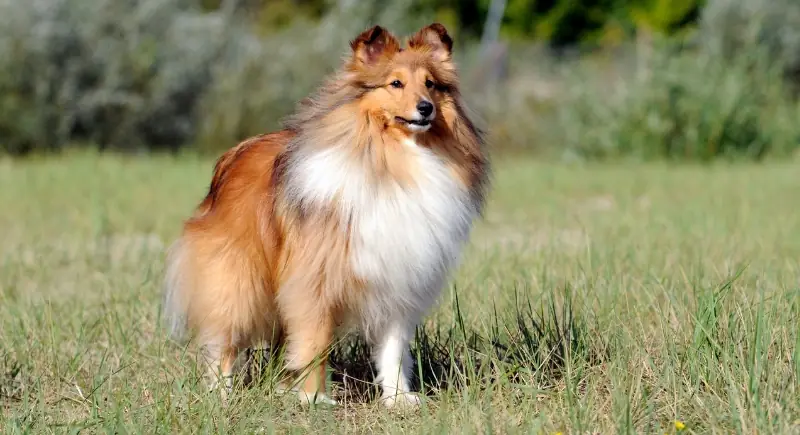
Agility competitions frequently feature Shelties because fast directional learning improves performance times. They even seem to be reading minds during training sessions. Herding history required constant attention to movement signals, which explains why they read body language so well. Calm voices improve retention because emotional sensitivity directly affects focus and command recall.
German Shepherd
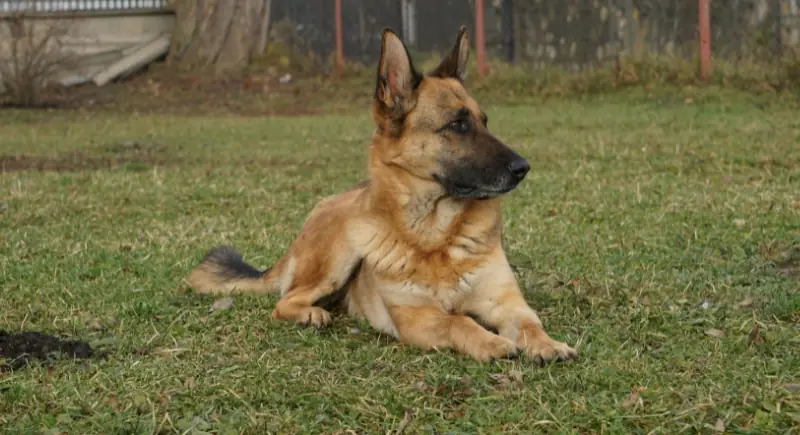
Consistent structure improves training outcomes because intelligent working dogs push boundaries when rules change between sessions. German Shepherds have built a global reputation for learning commands quickly and applying them under pressure. That’s why police and military programs rely on them because they switch between tasks quickly during active operations.
Poodle
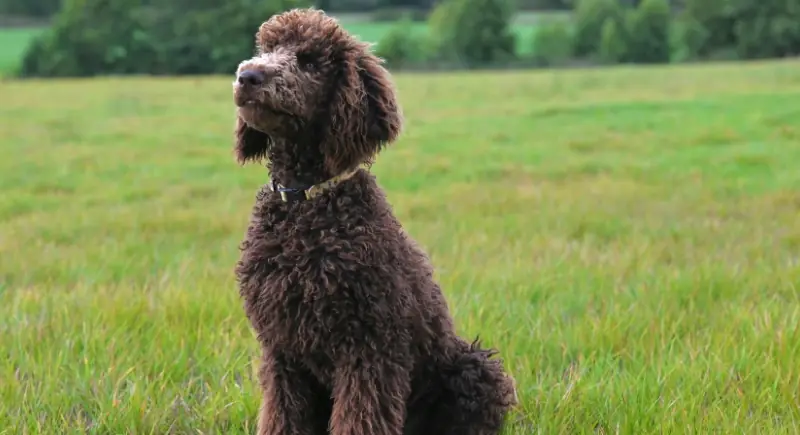
Poodles often surprise people who expect looks to be their main strength. Obedience competition results show strong scores across all sizes, as sequence memorization ability supports advanced routines. Water retrieving history required remembering multi-step commands. Demonstration training works well because Poodles copy handler actions quickly during early learning phases.
Belgian Malinois
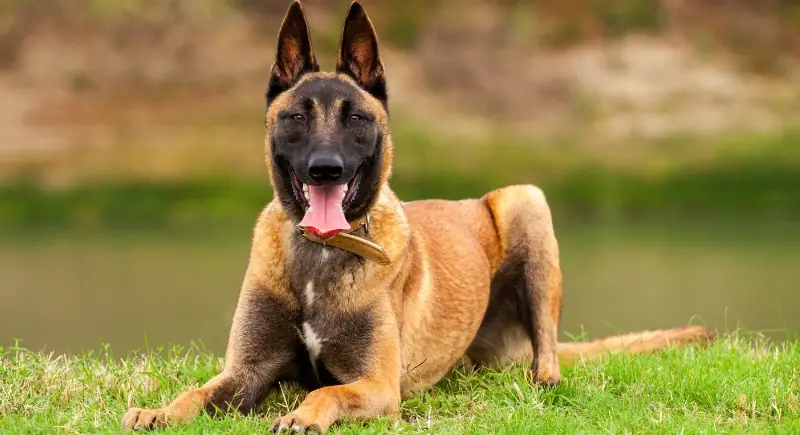
Military working programs increasingly rely on Belgian Malinois because their fast reaction speed supports high-pressure training environments. They absorb commands quickly and stay locked on the handler’s direction during work. Trainers usually recommend experienced owners because high drive requires constant physical activity and mental training challenges to maintain stable behavior and strong command reliability.
Border Collie
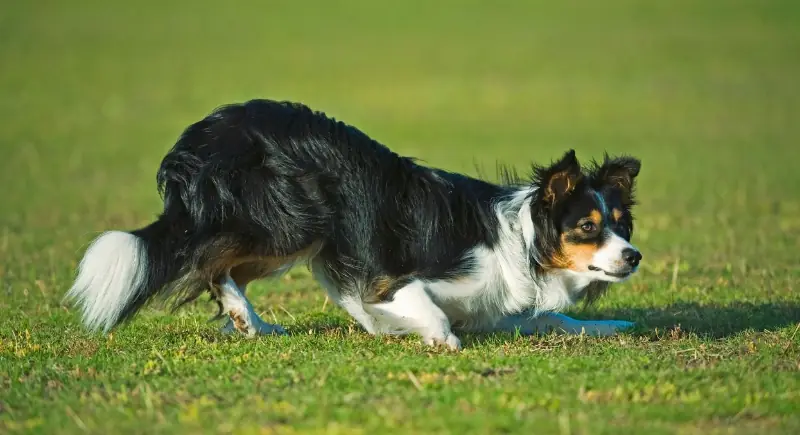
Border Collies learn so fast that training often turns into a race between dog and trainer. They had a past with herding work that required independent decision-making, and that intelligence still shows today. Research regularly places them among the fastest command learners, but make sure you give them physical exercise combined with mental tasks to help prevent boredom behaviors at home.





