

People love to say dogs “can’t” live in apartments, usually without ever having shared a hallway or an elevator with one. In reality, a lot of apartment success comes down to how a dog spends the boring parts of the day. These breeds tend to surprise owners by fitting into apartment life more easily than expected.
Greyhound

Spending time with a greyhound indoors quickly rewires expectations. After a walk, they don’t pace or hover. They disappear onto a couch and stay there. Owners often joke that their biggest adjustment is remembering the dog still exists. The calm stretches between activities are what make the space feel manageable.
French Bulldog
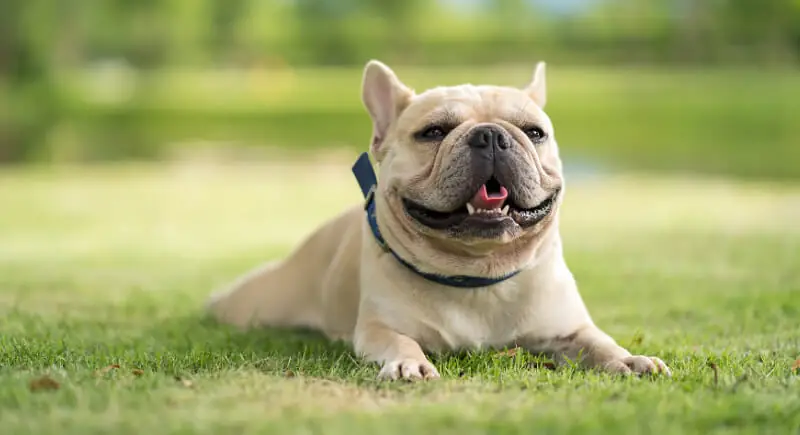
French bulldogs tend to organize their entire day around their people, rather than their environment. In apartments, that translates into a dog who’s content following routines. They’re rarely scanning windows or reacting to hallway noise. The real learning curve involves heat, stairs, and vet visits.
Cavalier King Charles Spaniel
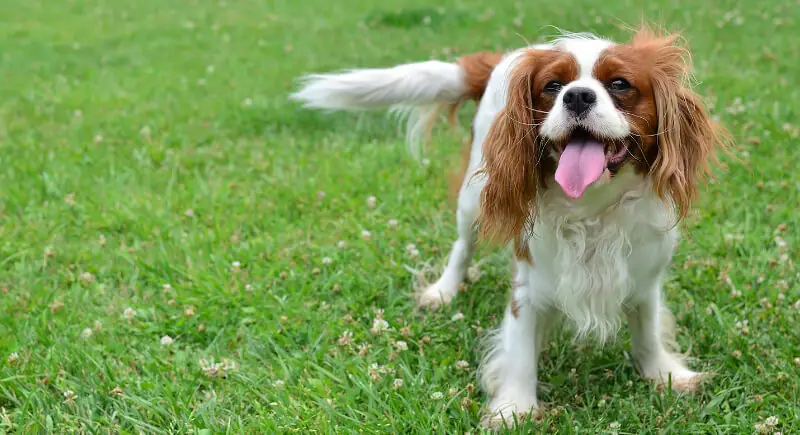
Time passes gently with a Cavalier in an apartment. They rarely react to hallway noise or outside movement. Much of their behavior mirrors the household rhythm. Walks and play still matter, but the breed’s defining trait indoors is how little friction it creates while sharing close quarters.
Bichon Frise

Spend a few days with a Bichon indoors, and one thing becomes clear quickly: they’re always keeping up with what’s going on. Shifts in mood, gaps in interaction, or a suddenly silent room don’t slip past them, which shapes how they handle smaller living spaces.
Pug

Life in close quarters puts practical details front and center with this breed. Pugs don’t test the limits of space so much as the limits of comfort. Heat, airflow, and surfaces matter more than square footage. The dog’s day is shaped by how well those small factors are managed rather than how much movement the space allows.
Shih Tzu

Apartment settings tend to suit a Shih Tzu because the breed is already comfortable spending most of its time indoors. Smaller spaces don’t seem to bother them, and shared hallways or elevators rarely trigger much excitement. What matters more is access to people and a predictable sense of home.
Chihuahua

Living close to neighbors tends to amplify this breed’s personality rather than suppress it. Chihuahuas are alert and expressive, which means sound awareness becomes part of the experience. They learn the difference between meaningful noise and background activity, provided that boundaries are in place.
Whippet

Time at home tends to be spent almost entirely at rest for this breed. After a chance to run, they settle quickly and stay settled, often claiming the softest surface available. Noise is rarely an issue, but access to occasional open space still matters. Their calm indoors can be misleading without that outlet elsewhere.
Great Dane

Living with a dog that can reach counters without trying changes how you read a room. Furniture placement, turning radius, and tail height start to matter in ways most owners never consider. Despite the size, this dog’s movement is measured and unhurried. Daily life becomes more about navigation and awareness than energy management or behavior correction.
Basenji

Sharing space with this breed often feels like living with a roommate. They move on their own terms, observe more than they respond, and rarely make themselves known. Silence doesn’t mean passivity, though. Their curiosity drives exploration, especially when boredom sets in, and unattended objects often become part of that investigation.





