

Anxiety in dogs rarely shows up all at once. It might start with whining, freezing, chewing furniture, or avoiding eye contact. These behaviors often reflect stress that the dog hasn’t figured out how to handle. Unclear signals or changes in routine can make things worse. When that tension builds up without support, it becomes harder to manage.
Here are steady habits that can help your dog manage their anxiety.
Exercise
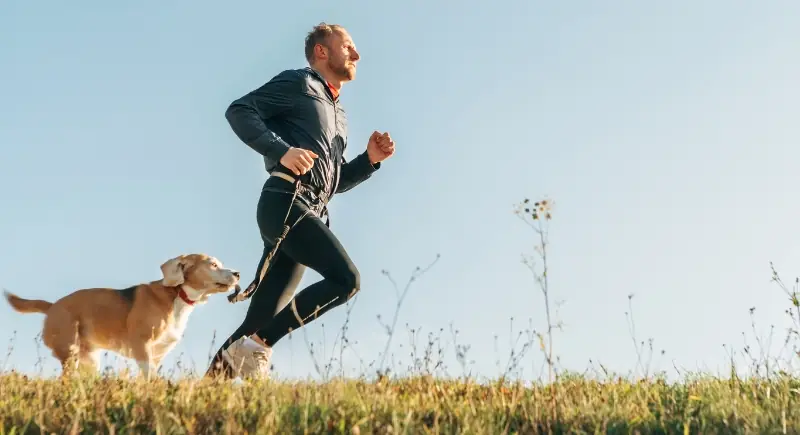
Physical activity reduces the chemical buildup that contributes to anxious behavior. A brisk walk, short run, or game of fetch activates endorphins and burns excess energy. Dogs that move regularly settle more easily during quiet periods. Exercise also improves sleep and digestion, which supports other parts of mental and physical health.
Touch
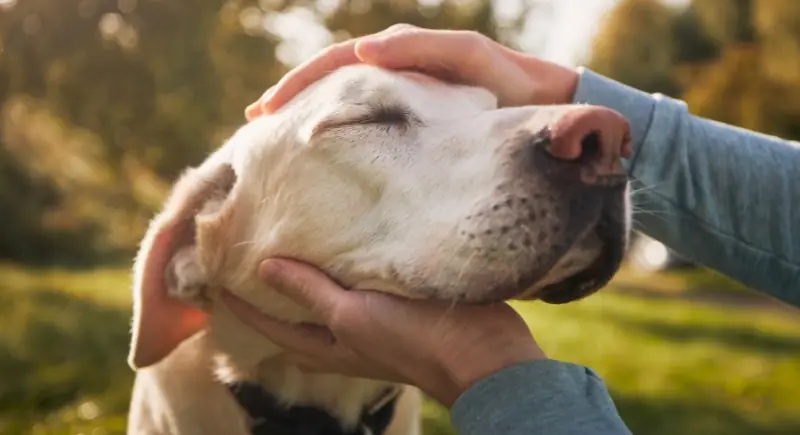
When your pup pants heavily, paces, or yawns in still environments, those cues suggest discomfort. A slow hand on their back or a low, steady voice interrupts the pattern. Touch should remain predictable and quiet. Avoid fast movements or direct face contact, which can escalate tension.
Routine
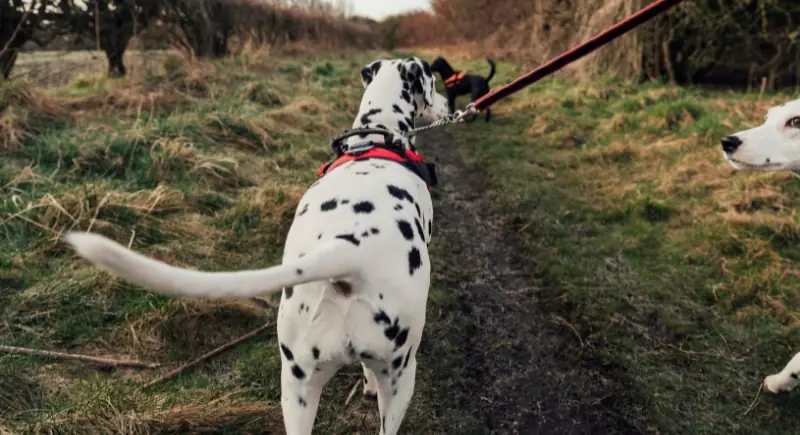
Without a stable routine, many dogs struggle to predict what’s coming next. This uncertainty can increase restlessness, barking, pacing, or clingy behavior. Unstructured days often make anxious mannerisms worse, especially in pups already sensitive to change.
Massage
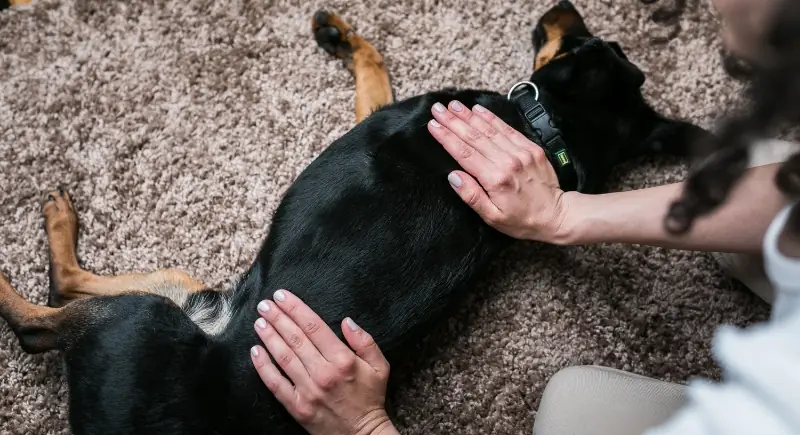
Research found that breeds receiving regular massages showed reduced heart rates and cortisol levels, both indicators of lower distress. When massaging your dog, focus on areas where tension builds, like the shoulders, neck, and hips. Use stable pressure and keep one hand resting on the body to provide consistency.
Puzzle Toys
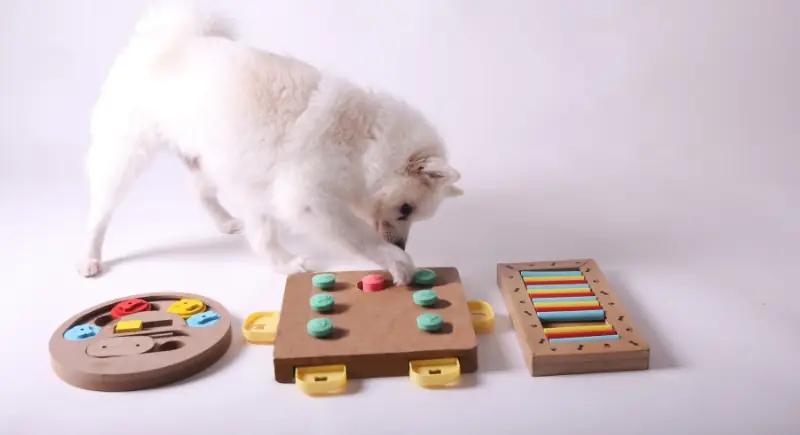
Food-based puzzle toys work best when matched to your dog’s chewing style and size. Use soft, high-reward fillers like peanut butter or wet food that take time to work through. Set the toy out in a quiet spot where your dog already feels safe. Introducing it just before a nerve-wrecking event can gradually shift their focus and build a positive connection.
Counterconditioning
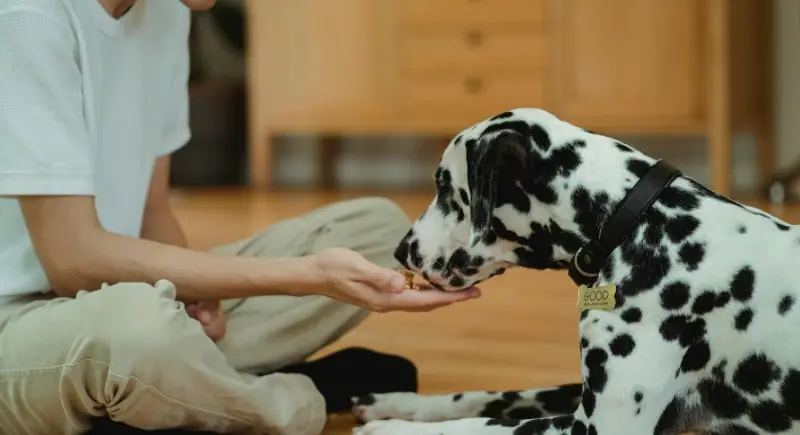
Start by identifying a trigger that consistently sets off your dog’s anxiety. Once you know what that is, you can begin pairing it with something your dog loves. For example, if a dog hears thunder and receives a treat every time, the sound becomes less threatening as time passes.
Training
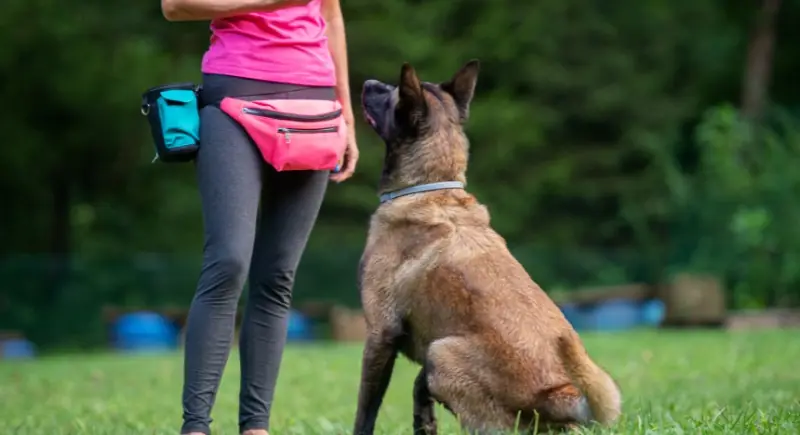
Dogs who haven’t learned basic commands often struggle to cope during stressful situations. When they don’t know what’s expected, they’re more likely to react with barking or retreating. In busy or unfamiliar settings, the lack of structure makes it difficult to redirect their focus or keep them at ease.
Veterinary Aid
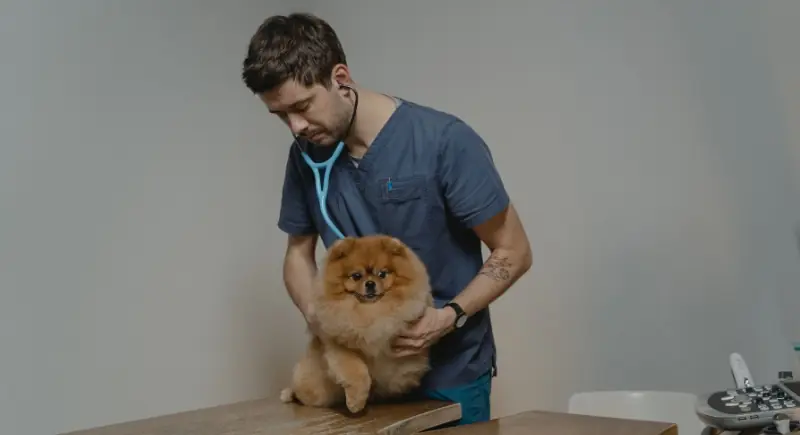
Consulting a veterinarian helps determine if medication should be part of the treatment plan. Persistent anxiety sometimes requires SSRIs like fluoxetine or tricyclics such as clomipramine to manage ongoing symptoms. For short-term stressors, benzodiazepines may be prescribed.
Compression Vests

The effect of anxiety wraps mimics swaddling and may lower the heart rate in breeds sensitive to noise or separation. Introduce it during peaceful periods so the dog gets used to the sensation without added tension. Keep an eye out for signs of discomfort or irritation and always supervise while it’s on.
CBD
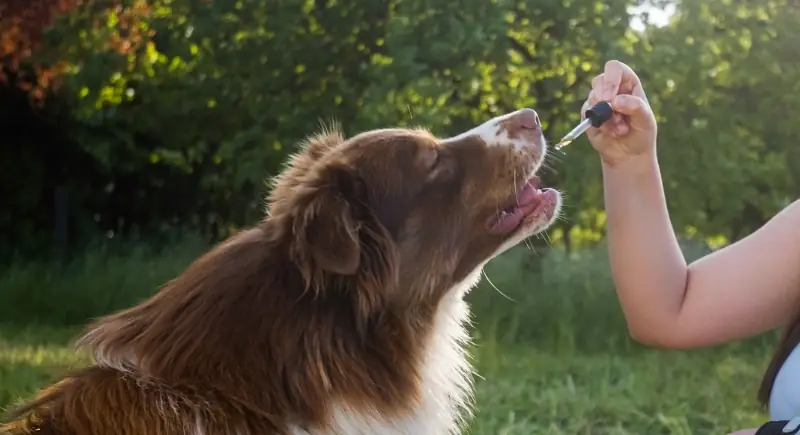
Cannabidiol affects receptors in the brain tied to nervousness and mood, which may explain why some dogs appear calmer after consistent use. Some evidence points to less restlessness in dogs given CBD in controlled settings.
Avoidance

If a dog reacts strongly to traffic, crowds, or loud events, create alternate routes or temporary schedules. Avoidance should happen in parallel with desensitization training. Don’t treat it as a permanent solution, but as a way to stabilize actions before introducing new challenges under supervision.
Music

Harp music and piano compositions show stronger soothing effects in studies measuring canine cortisol levels. Meanwhile, classical music or white noise machines block sharp or unpredictable sounds. Both these setups decrease sensitivity to doorbells, sirens, or street noise. Just make sure to place the sound source in rooms where your four-legged pal already rests.
Safe Spaces
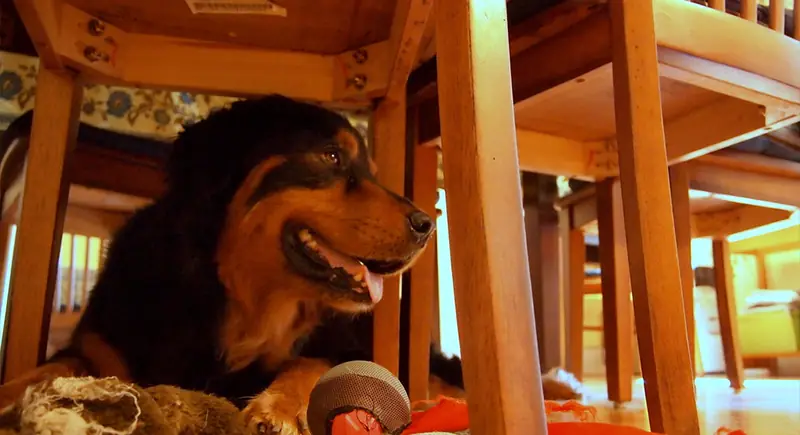
Lack of a quiet, familiar space can leave your pup’s nervous system on high alert. Background noise, frequent movement, and unpredictable activity prevent full rest and recovery. Without a reliable retreat, overstimulation builds throughout the day. Many dogs in this state show signs like nervousness, hiding, or snapping at minor triggers.
Pheromones

Adaptil diffusers and sprays contain dog-appeasing pheromones that mimic the scent produced by nursing mothers. These chemical signals create a sense of safety and familiarity, especially during transitions like moving, traveling, or being left alone. Clinical studies have shown reductions in whining and hiding when used consistently.
Grooming

Creating a quiet and peaceful environment before brushing allows your dog to settle into the routine. Use slow, steady strokes with a soft brush, moving along the back or shoulders to ease them in. Keeping your voice low and your movements predictable can support relaxation and reinforce a sense of physical comfort and safety.
White Noise Machines
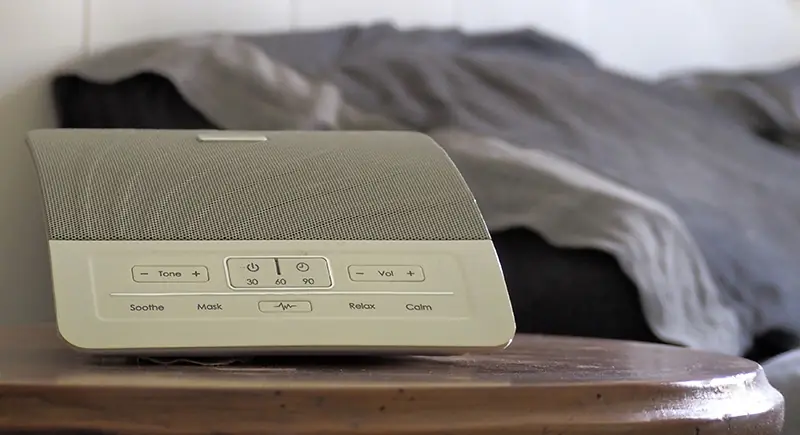
Doorbells, hallway footsteps, and street noise can keep a nervous dog on patrol. A white noise machine provides the room with a steady sound to follow instead. Start it before the stressful moment, not after panic hits. Keep the volume low, near a crate, bed, or safe corner. It works best with training.
Licking Mats
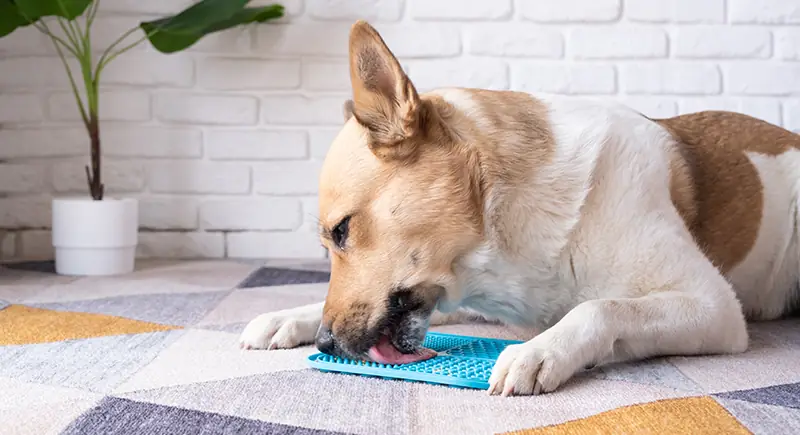
A licking mat turns snack time into a job. Spread a thin layer of dog-safe peanut butter, pumpkin, or wet food, then let the grooves slow each lick. That small task gives anxious energy somewhere to go during grooming, storms, or alone time. Freeze it for a longer pause. Use supervision.





