
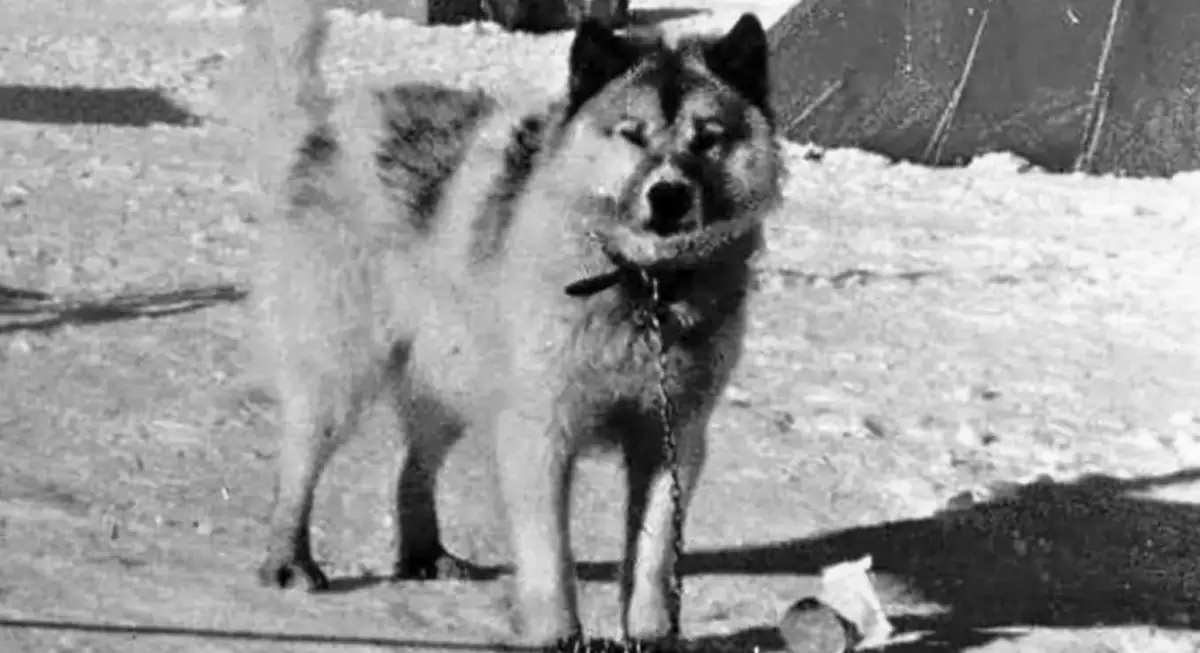
Dogs have walked beside humans through war, exploration, and daily life, but not every breed made it to the modern era. These historical dog breeds once played vital roles in their time—herding livestock, guarding homes, or serving royalty—before vanishing entirely. Their stories remind us how closely canine history is tied to our own.
Techichi
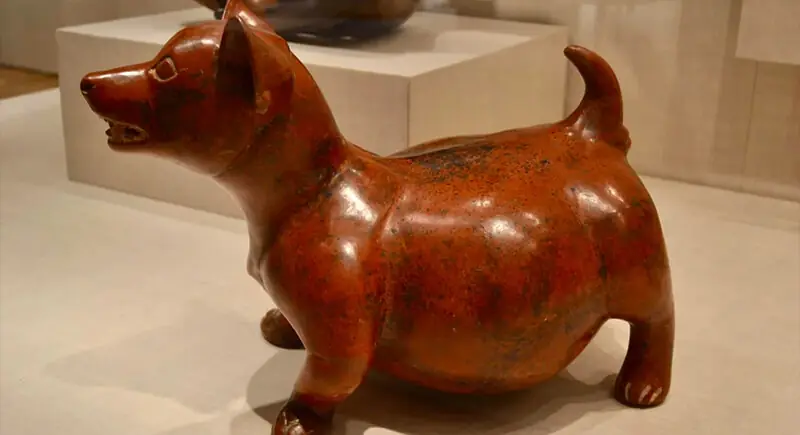
Ancient Toltecs in Mexico had a tiny, mute companion called the Techichi that might look familiar to Chihuahua fans. It lived centuries before Europeans arrived and was believed to guide spirits in the afterlife. The small, loyal, and sacred pup faded away but left behind an undeniable genetic trace.
Hare Indian Dog
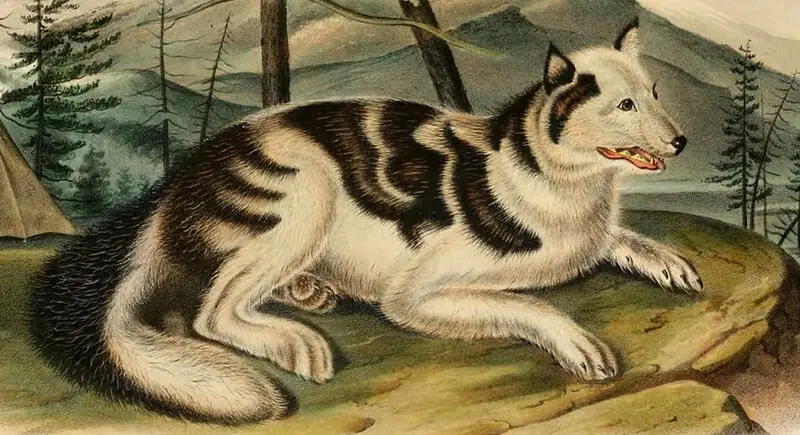
You wouldn’t expect a dog that resembled a fox and moved like a greyhound to vanish completely. This breed was created by the Hare people of Canada and thrived without barking. Once firearms replaced traditional hunting methods, the breed lost its purpose—and its place—disappearing by the late 1800s.
Salish Wool Dog
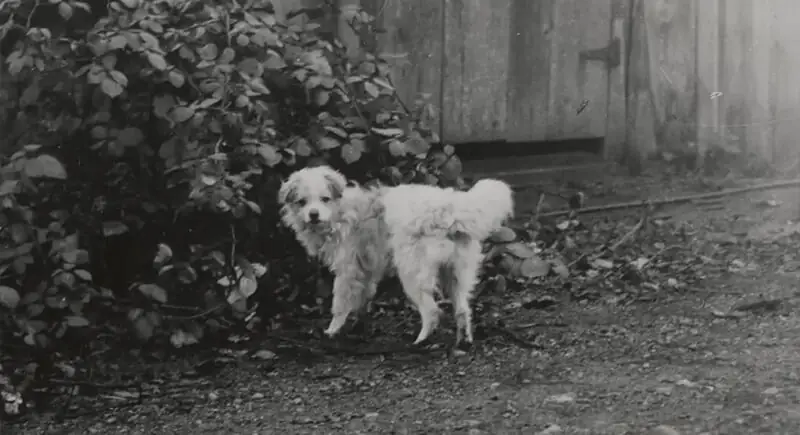
Blankets made from dog hair sound unusual today, but the Coast Salish communities once relied on the Salish wool dog for that reason. It was carefully bred and kept separate from other dogs. This fluffy white breed had a fleece that was so prized that it was sheared like sheep. Sadly, wool demand didn’t last.
Hawaiian Poi Dog
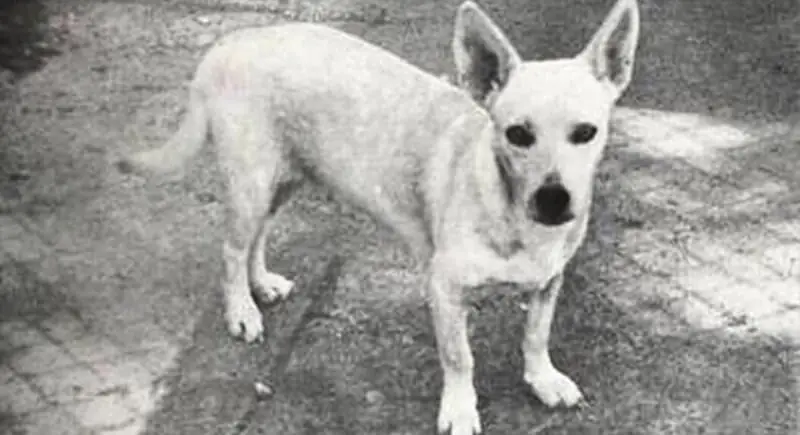
Early Polynesian settlers brought this round-bellied, laid-back pup to Hawaii, where it lounged around and ate mostly poi. The Hawaiian poi dog had such a soft jaw from its mushy diet that it wasn’t much good at biting anything. Over time, interbreeding and shifting customs meant the breed faded away.
Black and Tan Terrier
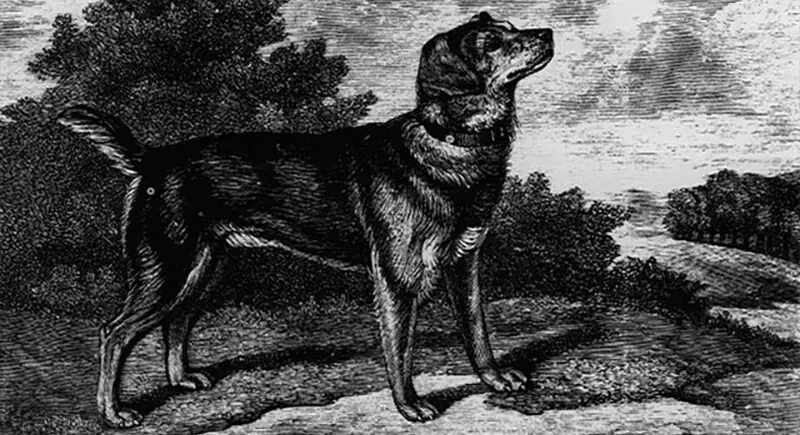
Rat problems in old England had a tiny four-legged enemy: the scrappy black and tan terrier. This energetic little dog worked hard in the alleys and cellars until newer terrier breeds took over. It quietly disappeared but left its mark on today’s Manchester and Welsh Terriers.
Turnspit Dog
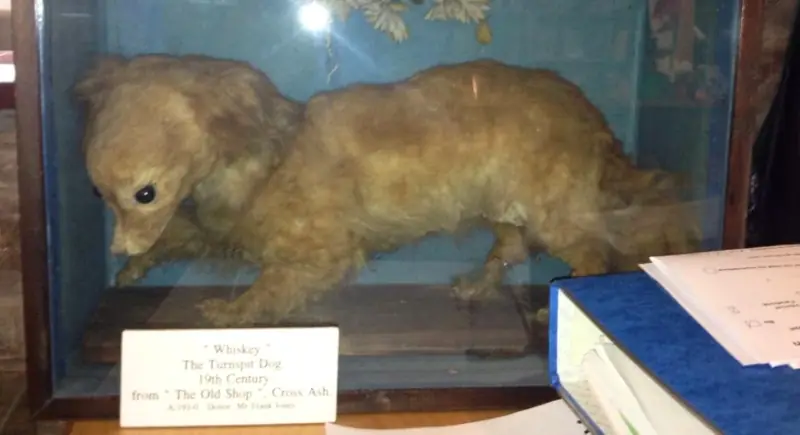
In old-timey Britain, the turnspit dog powered a spit by running inside a wheel. These low-built pups spent their days rotating roast meat before being replaced by machines. Queen Victoria even kept one as a pet.
Bullenbeisser
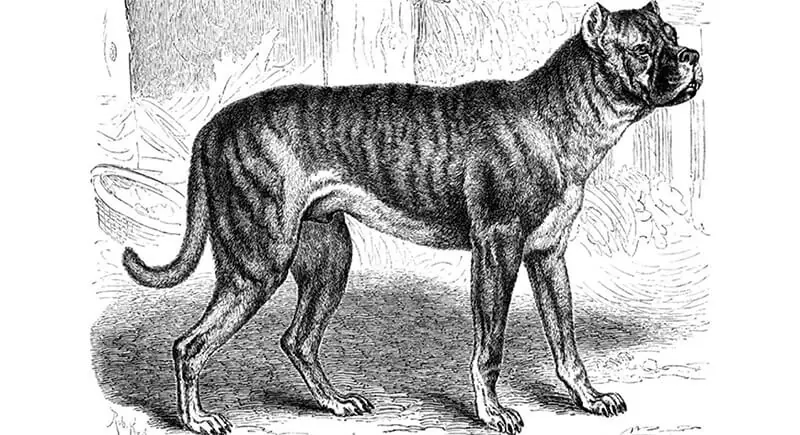
The muscular Bullenbeisser was used for hunting wild boars and bears across Germany, and it was as fearless as it was powerful. Though incredibly useful, it eventually merged with English bulldogs to create the modern Boxer. That combination erased the original breed, which now survives only through its more famous descendant’s square-jawed legacy.
Toy Trawler Spaniel
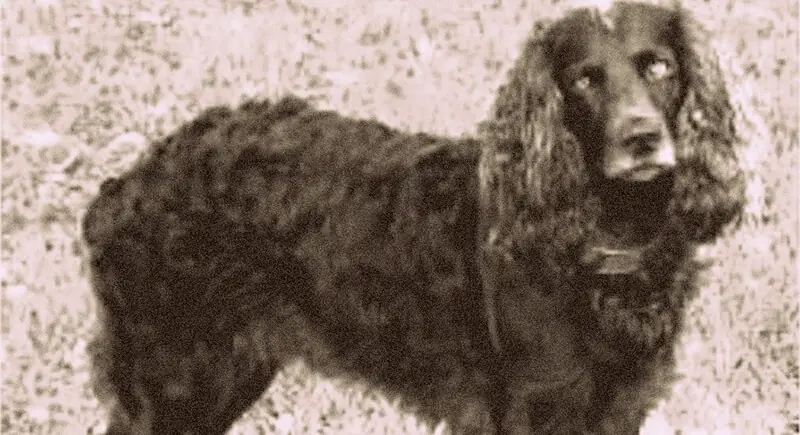
The toy trawler spaniel was a small companion with curly fur and a big heart. Its look resembled the 16th-century King Charles Spaniel, but low numbers and fading interest ended its line. One of the last known examples died in the 1920s.
English Water Spaniel
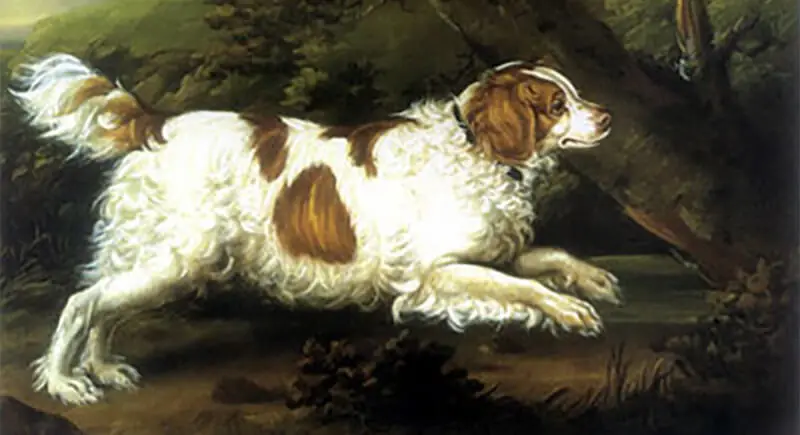
Duck hunters once relied on the English water spaniel, a clever dog that could dive underwater like a furry submarine. Shakespeare even mentioned it in his plays. Unfortunately, it couldn’t keep up with newer retrievers and faded out of existence by the 1930s. No photos of the breed survive today.
Belgian Mastiff
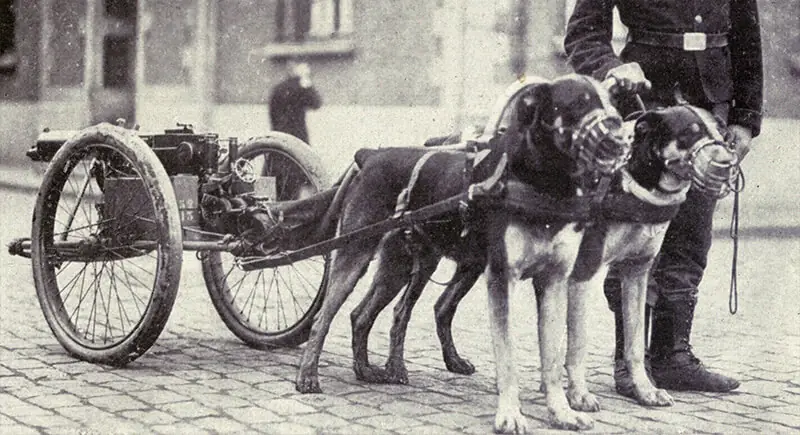
Cart-pulling was serious work in 19th-century Belgium, and the Belgian mastiff hauled everything from bread to milk. This strong draft dog helped working families make deliveries, but once vehicles took over the roads, the breed had no job left. It slipped into extinction sometime after World War II.
Córdoba Fighting Dog
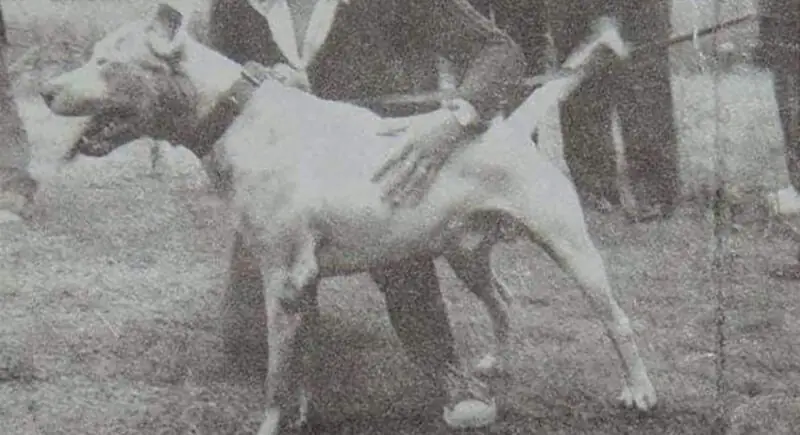
Street brawls were common in early 20th-century Argentina, and the Córdoba fighting dog was bred to win them. It was muscular, aggressive, and unwilling to back down, so it didn’t do well in groups or homes. It vanished after being crossbred to help create the Dogo Argentino, a more trainable and social breed.
St. John’s Water Dog
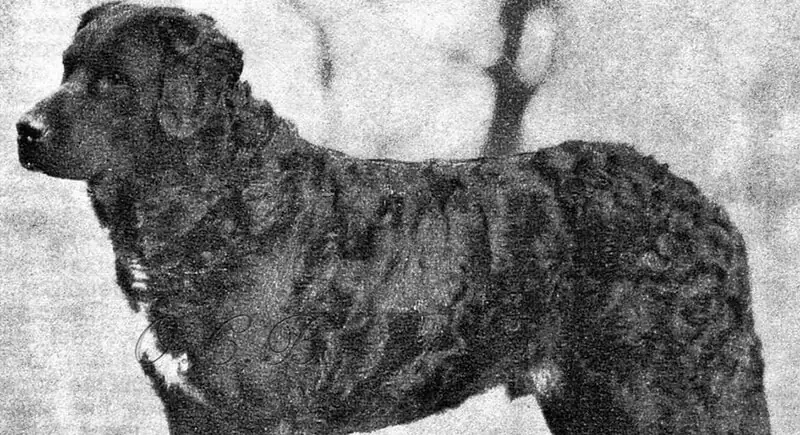
Fishing boats off the coast of Newfoundland once had a reliable deckhand in the St. John’s water dog. This breed had an unrivaled swimming talent and gentle grip, which helped it retrieve nets and lines like a pro. It continues to live on in the DNA of golden retrievers and Labrador retrievers today.
Argentine Polar Dog
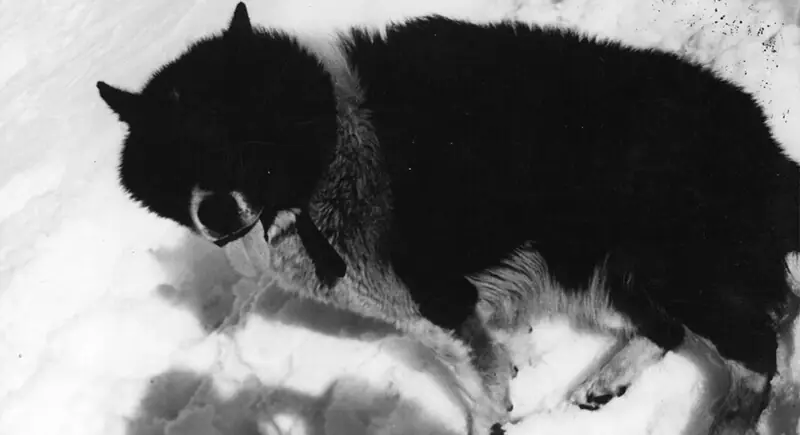
Sled teams in Antarctica used to rely on the rugged Argentine polar dog, a breed developed specifically for cold, brutal expeditions. These dogs worked with the Argentine Army until environmental regulations banned non-native species. They were pulled out of service in the 1990s and haven’t been seen again since.
Fuegian Dog
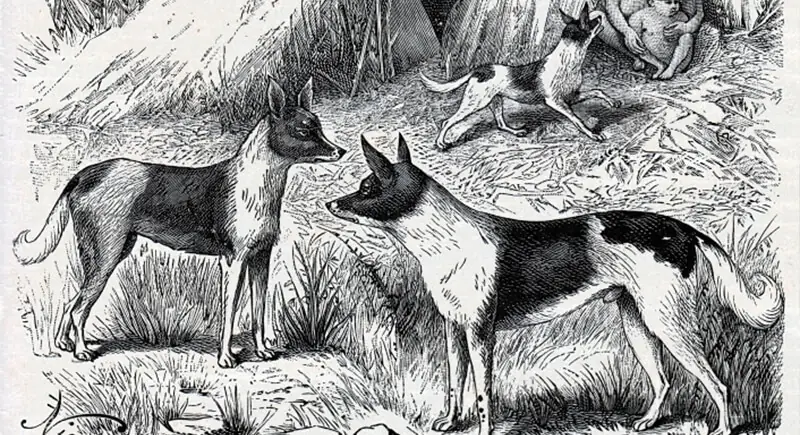
Locals in Tierra del Fuego raised the Fuegian dog from wild culpeo foxes, not actual wolves like most domestic breeds. These odd-looking animals warmed huts and followed hunters, but they weren’t loyal or affectionate. European influence shifted local customs, and it was gradually wiped out by the early 1900s.
Kurī
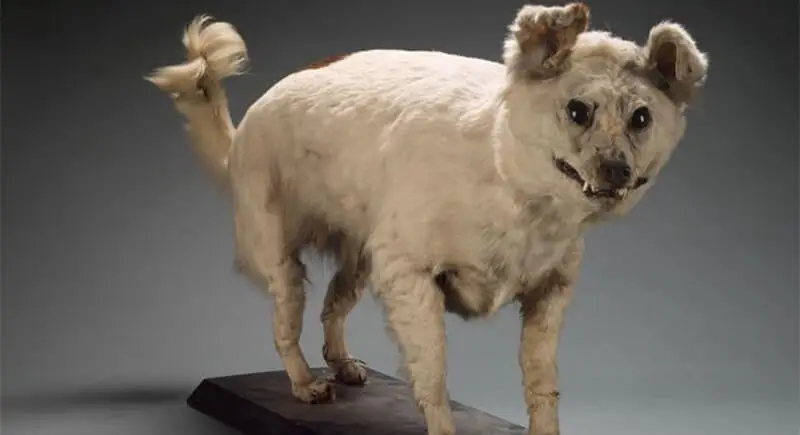
Kurī was the loyal sidekick of the Māori people in New Zealand after arriving centuries ago with Polynesian voyagers. Its soft fur was sometimes used in cloaks, and it even barked in a distinctive yapping tone. After European dogs were introduced, they stopped being bred and eventually disappeared completely.
Molossus
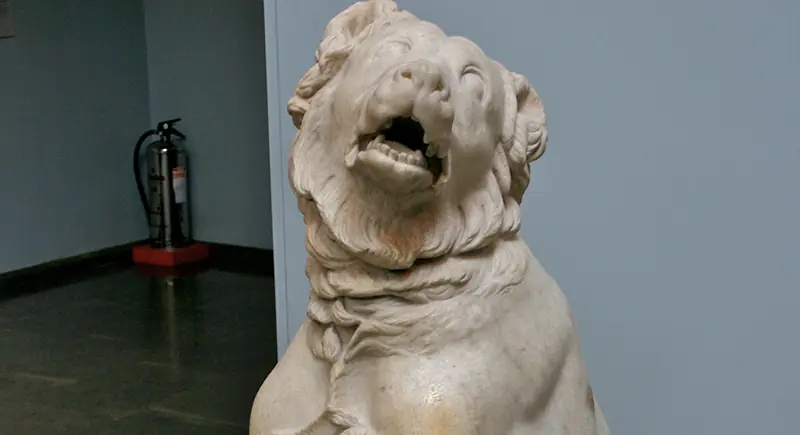
The Molossus was a powerful ancient breed associated with the Molossian people of ancient Greece. Writers like Aristotle mentioned these large guardian and war dogs, describing their strength and imposing presence. Many historians believe the Molossus influenced later mastiff-type breeds. Over time, it blended into other lines and disappeared as a distinct breed.
Talbot Hound
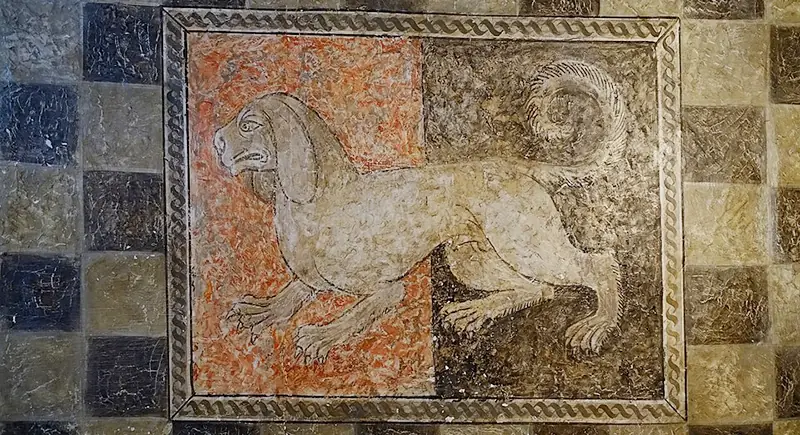
The Talbot Hound was a heavy, slow-moving scent hound seen in medieval England and France. Often depicted in old illustrations with droopy ears and a white coat, it was valued for its scent-tracking abilities. By the 1700s, it had largely vanished, likely absorbed into breeds that later shaped modern bloodhounds.





