
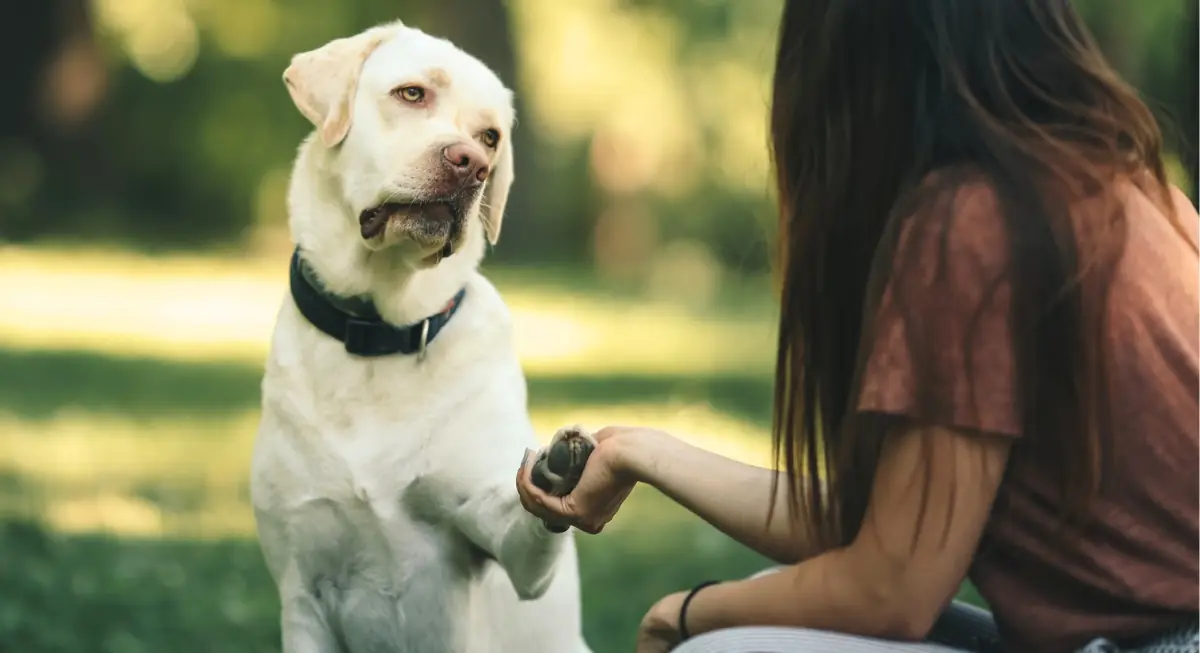
Dogs have spent centuries figuring us out. They’ve mastered our gestures, watched our moods, and even learned to follow our eyes. Yet ask most humans what a tucked tail or flattened ear means, and you’ll probably get a shrug. Learning to speak “Doggish” could seriously upgrade how we live with them. Here’s what the experts say we’re missing.
Dogs Read Us Better Than We Read Them
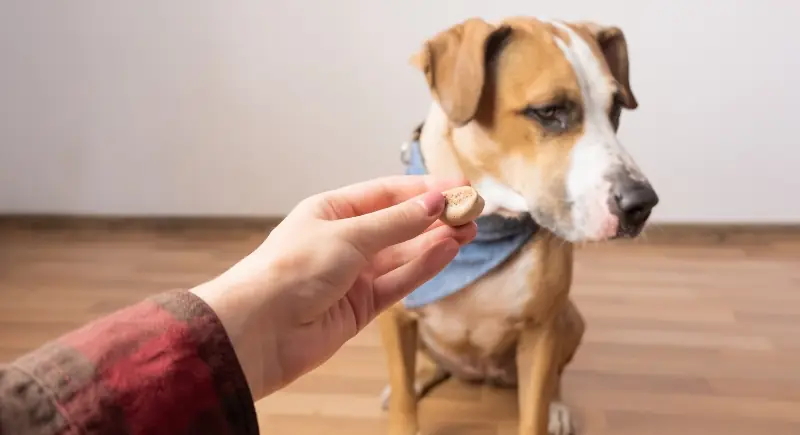
Research shows dogs understand human gestures better than chimpanzees, but most people overlook what dogs are trying to say. That imbalance means they adapt to us constantly, while we miss the cues they’re giving.
Misreading a Wag Can Get You Bitten

Your dog’s fast tail swipe is not always a good sign. A tail wag held high could mean excitement, but one low and stiff might signal stress. According to a CDC report, 4.5 million dog bites happen in the U.S. every year, and many start with a misunderstood wag.
They’re Not Fans Of Surprise Hugs

Humans love physical affection, but dogs usually don’t appreciate being hugged or approached head-on. Behaviorists say leaning over a dog’s head or petting without permission feels invasive. A curious sniff doesn’t mean, “pet me,” it might just mean, “I’m checking you out.”
Not All Eye Contact Is Friendly
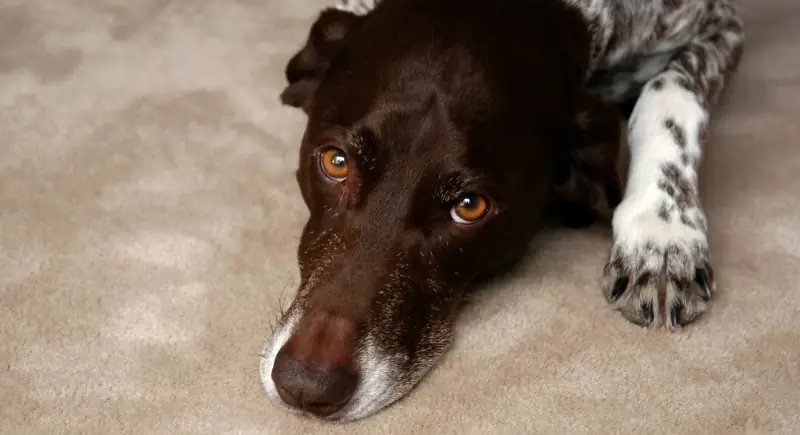
In Doggish, a direct stare can be threatening. If a dog looks away, it’s probably trying to defuse tension. Soft eyes and blinks are calming signals, while a hard stare is a warning. Knowing how dogs use eye contact helps humans respond without accidentally escalating tension.
Their Ears Are Like Emotional Antennas

Forward ears often mean curiosity or interest. Pinned-back ears could signal fear or submission. Some dogs get “seal ears”—flattened so tightly against the head they nearly vanish—when they’re terrified.
Yawns Aren’t Just About Sleep

In canine language, a yawn can be a calming signal, especially in new or tense situations. If your dog yawns when a stranger approaches or during training, it may be trying to ease stress. Experts recommend easing up or giving space when you see repeated yawning in unfamiliar settings.
Buttons Don’t Equal Conversation

Those viral videos of dogs pushing buttons to say “walk” or “outside” are impressive, but let’s not kid ourselves. Most experts say it’s pattern learning. The dog knows pressing a button leads to a reward. It may look cute, but it’s definitely not a substitute for understanding body clues.
They’re Not Built For Crowds
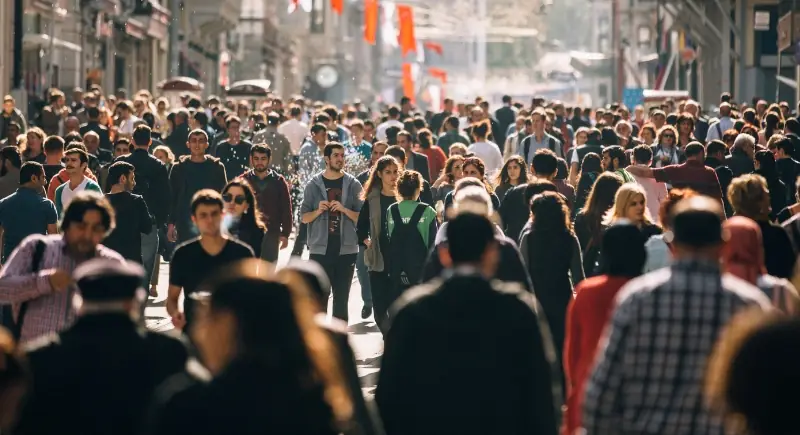
Many dogs get overwhelmed in noisy places, like parades or bustling sidewalks. Loud sounds and unpredictable movement can leave them overstimulated and tense. A 2023 study linked crowded environments to higher cortisol levels in dogs.
Panting Can Signal More Than Heat

Yes, dogs pant when they’re hot, but that’s not the only reason. Panting can also indicate anxiety, pain, or overstimulation. If your dog starts panting in a cool room with no activity, something’s up.
Sniffing = Dog Detective Mode

To a dog, the world is a scent map. They can detect everything from fear to hormone changes through smell. A 2020 study even found that dogs can sniff out human emotions in sweat. So when they stop to investigate a lamppost, they’re just gathering information.
Not All Dogs Like the Same Style of Play
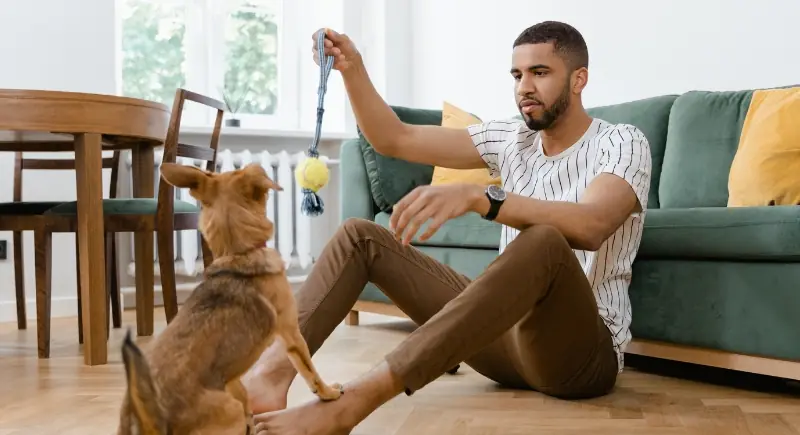
Fetch isn’t every dog’s thing. Some prefer tug games, others just want to chase their friends around. If you try to force a type of play they don’t enjoy, things can get awkward or tense. Watch how your dog initiates play. Matching their style is a simple way to keep it fun and frustration-free.
Dogs Prefer Choices Over Commands

Dogs don’t need to control everything, but offering small choices, like which path to take on a walk or which toy to play with, can do wonders. Studies show that choice reduces anxiety and builds confidence.
You Can Earn Their Trust Faster
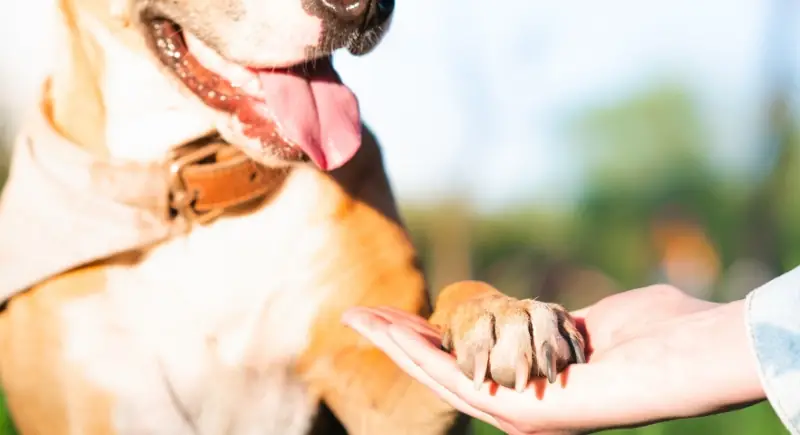
Speaking Doggish also helps respect a dog’s comfort zone. Turning slightly away, crouching sideways, and offering a hand low to the ground helps nervous dogs warm up quicker. Many trainers say that’s more effective than treats alone.
Dogs Have Emotional Brains Like Ours
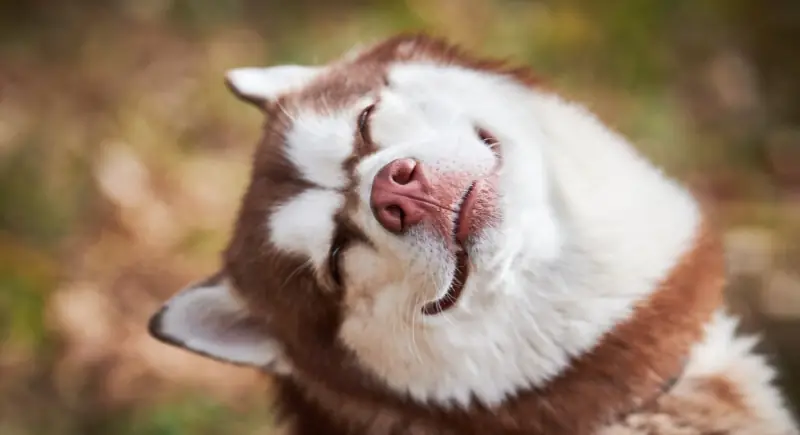
Dogs share many of the same brain structures that process emotion in humans. MRI scans show their brains light up when they see someone they love. When people assume dogs are just reacting instinctively, they miss the depth of what’s really going on behind the wag or whine.
Letting Them Be Dogs Improves Their Well-Being

Learning Doggish helps humans stop expecting dogs to act like little humans. Letting them sniff, roll in leaves, bark a bit, or pick a walking route gives them a sense of control. Studies suggest dogs are happier when they’re allowed to express natural behaviors.
Dogs Learn Better Through Positive Reinforcement
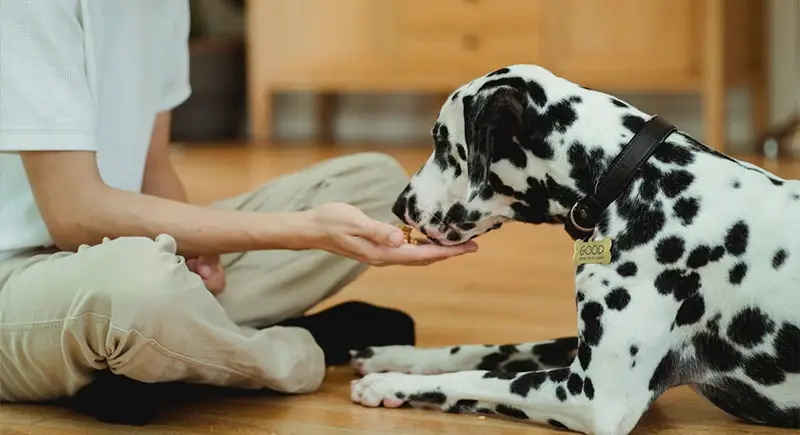
A sharp “no” may interrupt a dog, but it does not explain what to do instead. Reward the sit, the pause, or the glance back. That response becomes worth repeating. Food, play, and praise can reinforce good choices, giving dogs clear information without the fear and welfare risks linked to aversive training.
Respect Their Need for Recovery After Stressful Events

After a vet visit, loud party, or tense meeting with another dog, your pet may need space to settle. Look for pacing, panting, hiding, or restlessness, while remembering that illness and pain can cause similar signs. Reduce stimulation and follow the dog’s lead. A safe room and familiar routine may help.





