
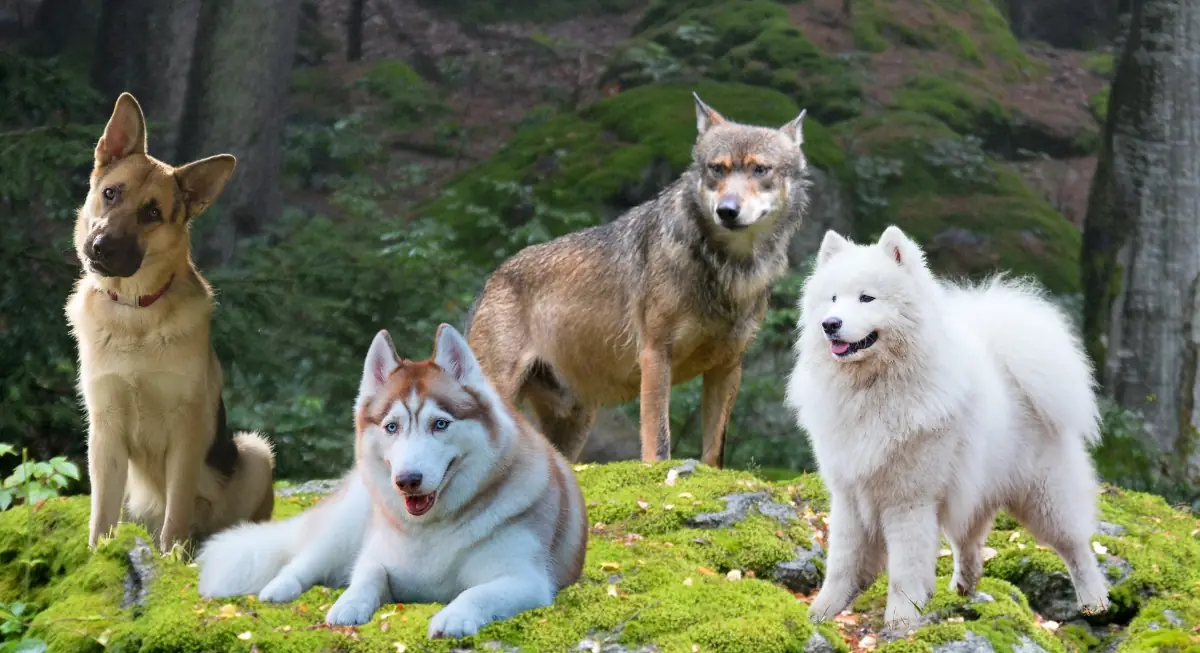
While domesticated dogs offer companionship and playful antics, some retain remarkable connections to their wild ancestors. Their instincts, how they interact with their surroundings, and even their manner of movement can provide clues to their wild heritage. Here’s a look at some breeds that retain clear links to their wolf ancestors.
Siberian Husky
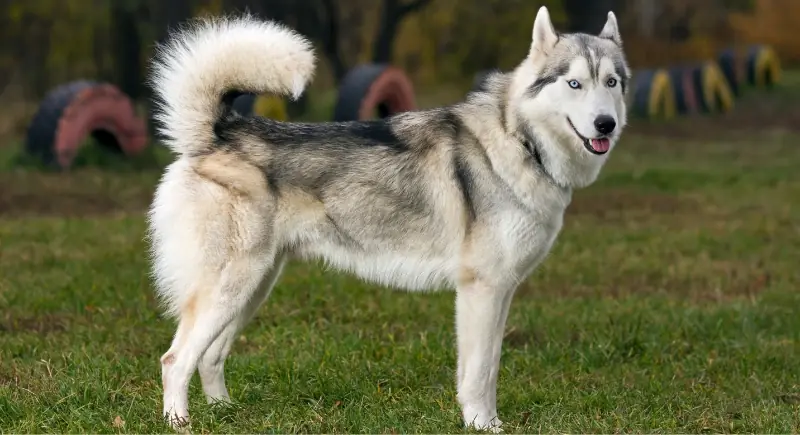
Siberian Huskies are recognizable by their striking ice-blue or mismatched eyes and dense double coat, reflecting their wolf-like ancestry. They are typically friendly and outgoing dogs that thrive in social settings. Historically, they have been used as sled dogs, and they possess notable endurance that has developed in harsh climates.
Irish Wolfhound
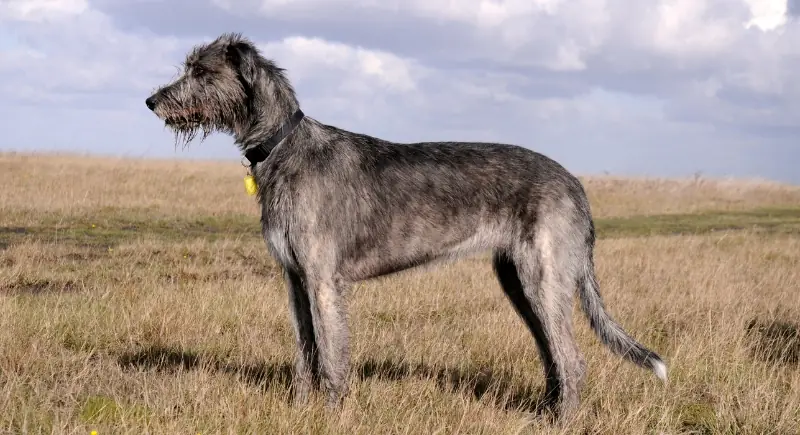
The Irish wolfhound is an impressively tall breed with a history deeply rooted in hunting wolves and guarding ancient Irish homesteads. Despite their formidable size and historical roles, they are generally known for their surprisingly gentle and patient nature. They often form strong and affectionate bonds with their families.
Samoyed
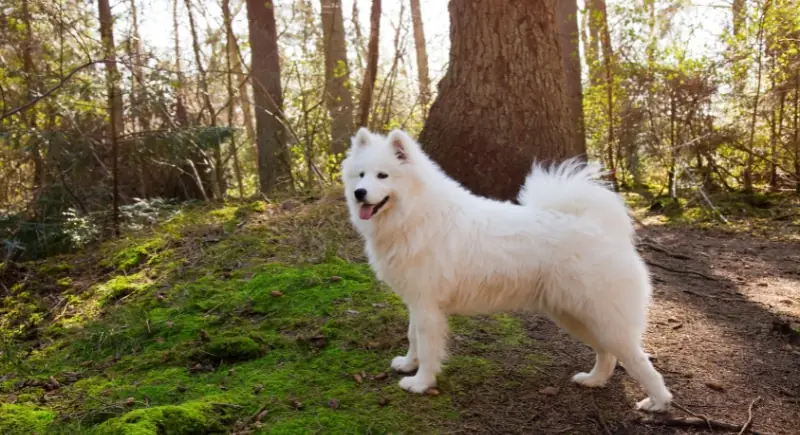
The Samoyed was developed by the Samoyede people of Siberia for herding reindeer and pulling sleds. This breed is easily identified by its soft, white coat and characteristic “smile.” The upturned mouth is thought to be an adaptation to prevent drool from freezing in cold conditions.
Caucasian Shepherd Dog
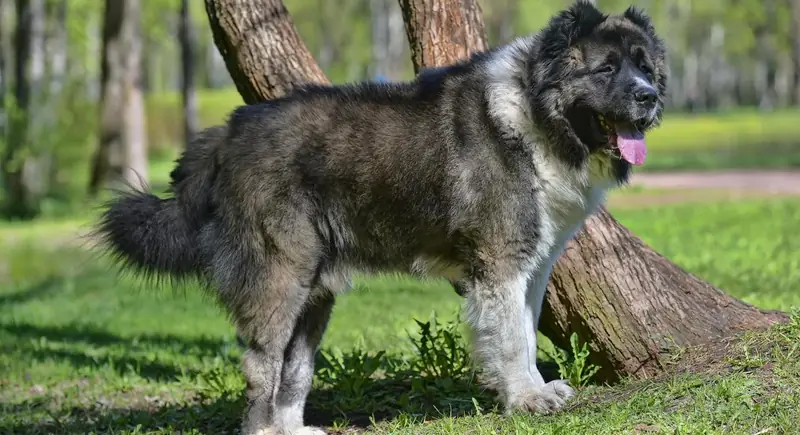
The Caucasian Shepherd Dog was specifically bred to protect livestock and property from predators like wolves. This breed developed into a powerful and muscular guardian, instinctively loyal and courageous. Their thick, weatherproof coats allow them to endure harsh conditions.
Alaskan Malamute
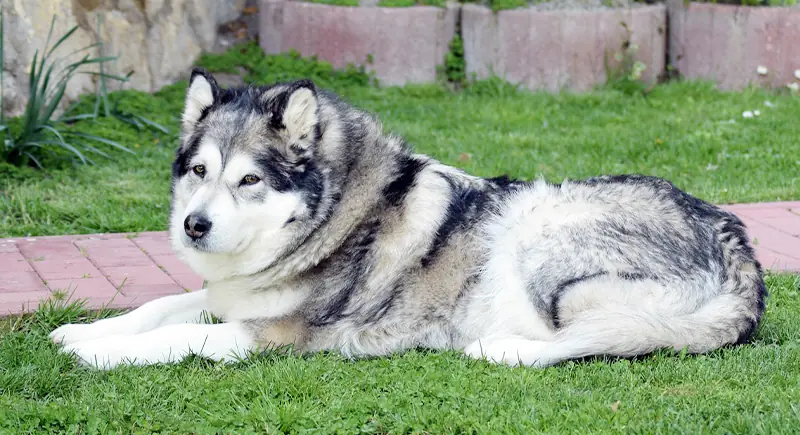
The Alaskan Malamute was an indispensable partner for hauling freight and working alongside the Mahlemiut people. Their robust and powerful physique, coupled with a dense double coat, enabled them to thrive in severe winter conditions.
Scottish Deerhound
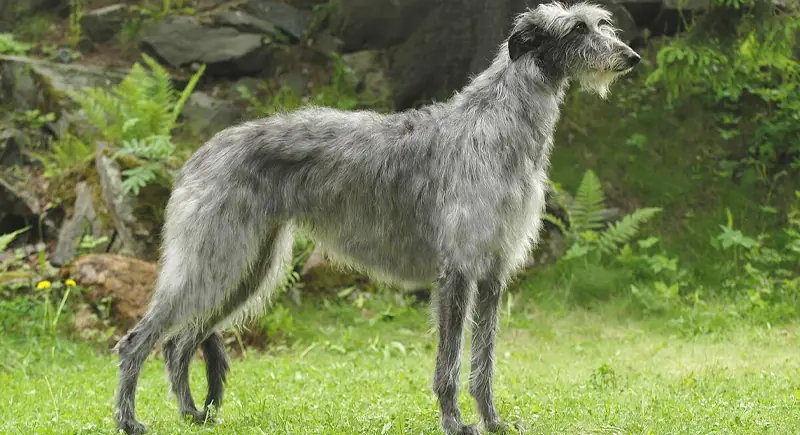
The Scottish Deerhound moves with a graceful walk and has a wiry gray or brownish coat. Important people often owned them and they have an elegant look and a gentle but loyal personality. Their appearance hints at the speed they needed for hunting and their ability to handle rough land.
Belgian Malinois
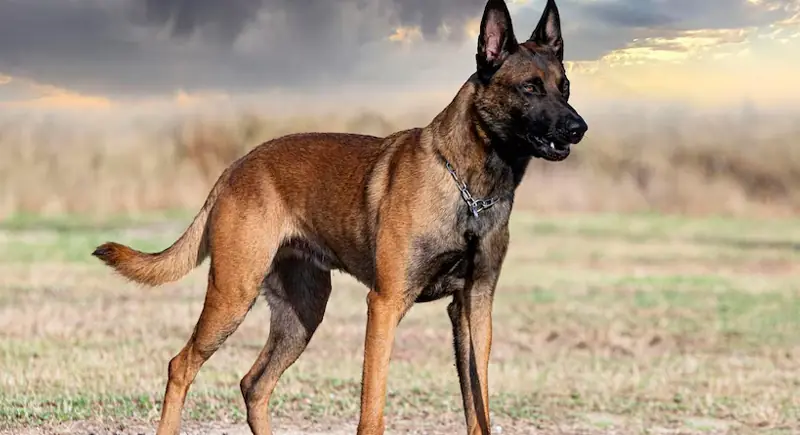
Coming from the city of Malines in Belgium, the Belgian Malinois used to do many jobs, like herding animals, pulling carts, and guarding property. Their short, practical tan coats and athletic build show they are ready and able.
American Eskimo Dog
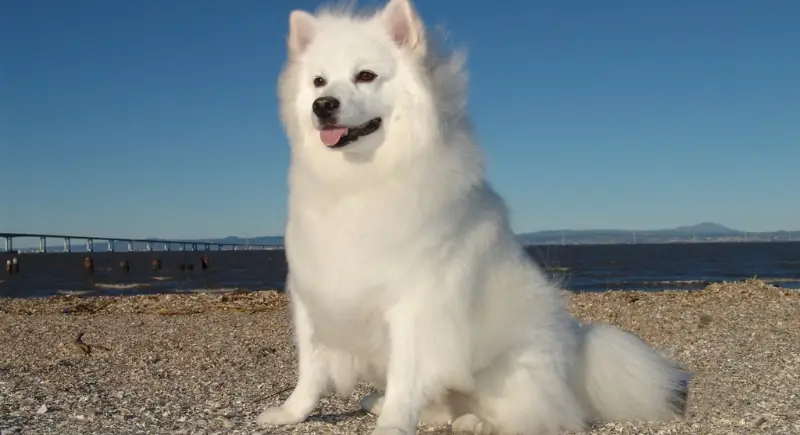
The American Eskimo Dog comes in different sizes and has a bright white coat. They came from German Spitz dogs and went from working on farms to being performers in circuses in the early 1900s. They love being with people, learn quickly, and are happiest when they are part of the family.
Borzoi
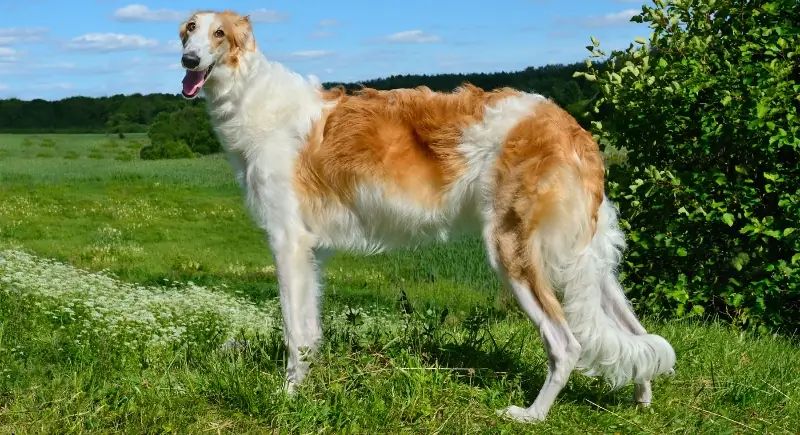
Once used for chasing wolves across the open plains of Russia, the Borzoi, whose name means “swift,” is a tall and elegant dog. Their thin and graceful bodies, often with beautiful coats, are both fast and refined.
Swedish Vallhund
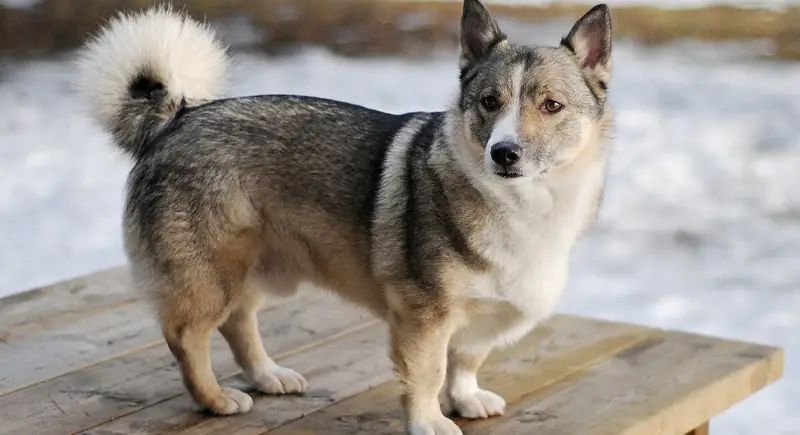
Even though they are small, Swedish Vallhunds are very lively herding dogs with distinct wedge-shaped heads and wolf-like coats. Their name literally means “herding dog,” which was their main job. They have naturally different lengths of tails that make it easy to differentiate among them.
German Shepherd
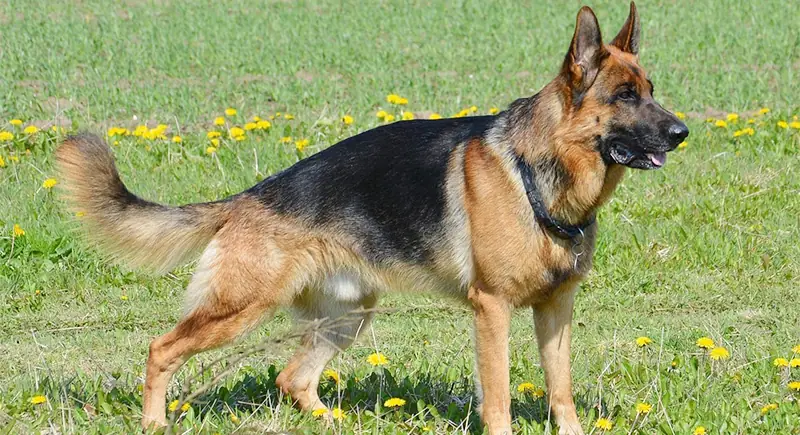
The German Shepherd was developed in 1899 by carefully choosing the best herding dogs in Germany. Their intelligence, training ability, and intense loyalty have made them important in many areas, including police work, search and rescue, and as helpful service animals.
Tamaskan Dog
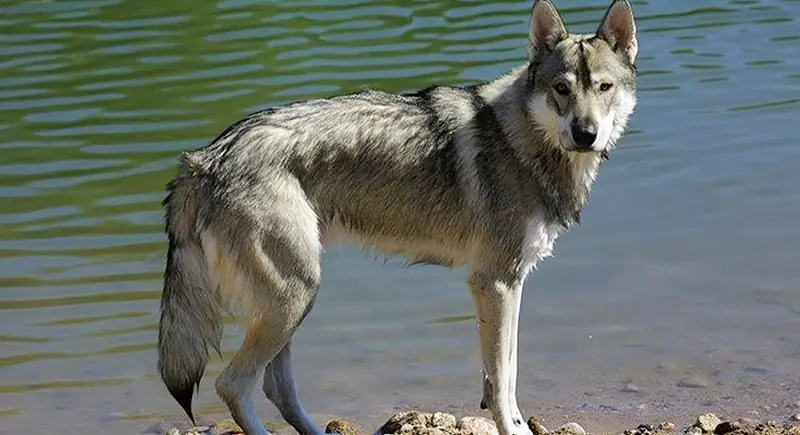
This breed was developed in Finland in the 1980s by mixing Arctic breeds; so, naturally, the Tamaskan Dog looks a lot like a wolf. In particular, the breed was created using the Alaskan Malamute, Siberian Husky, and Canadian Eskimo Dog.
Saarloos Wolfdog
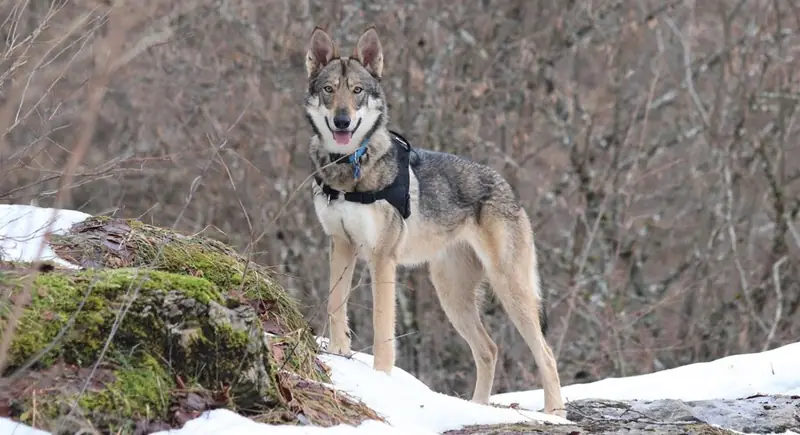
The Saarloos Wolfdog has a strong resemblance to wolves in how they look and move. Their thick coats, often in shades of wolf-gray, brown, or white, help them live in different kinds of weather. This breed truly has the spirit of the northern wild.
Northern Inuit
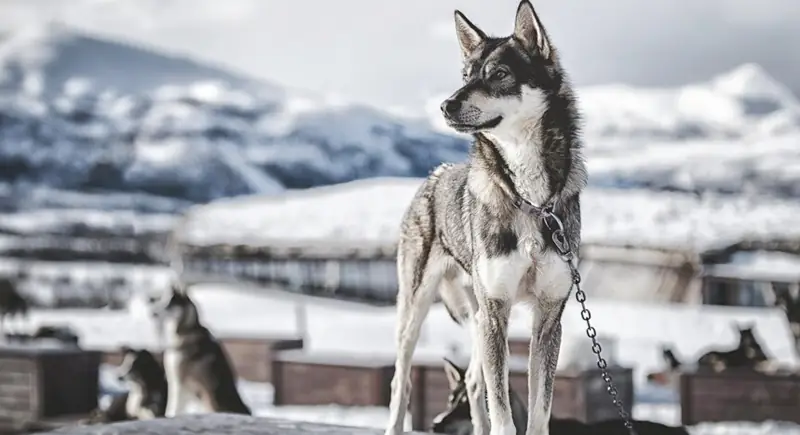
Often seen acting as dire wolves in shows, Northern Inuit Dogs blend their wild appearance with a friendly and loyal personality. Their thick fur, pointed ears, and natural love for adventure give them a strong but likable charm, and they form strong bonds with their human families.
Utonagan
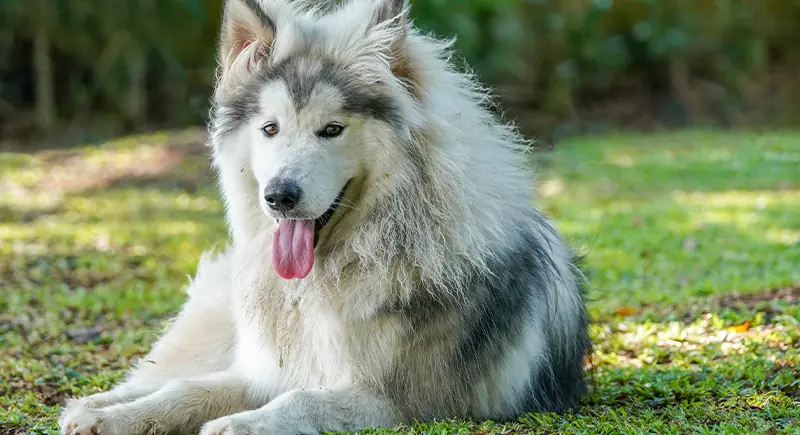
The Utonagan is admired for its striking wolf-like features and thick coat. Despite looking rugged, they are known for being gentle, even-tempered, and devoted to their families. Their coats often have beautiful mixes of white, black, and gray.
Czechoslovakian Wolfdog
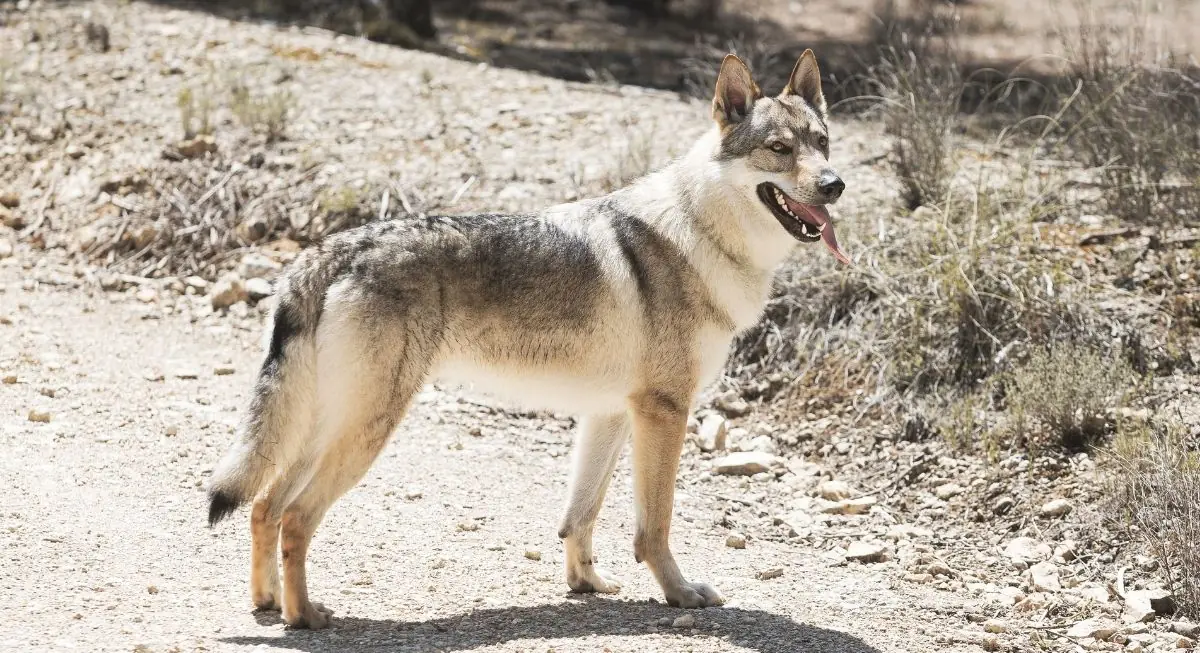
The Czechoslovakian Wolfdog does not just resemble a wolf from a distance. It was developed from German Shepherds and Carpathian wolves, which explains the lean frame, amber eyes, and intense stare. Even when calm at home, it carries that unmistakable wild look that makes people do a double-take.
Kunming Wolfdog
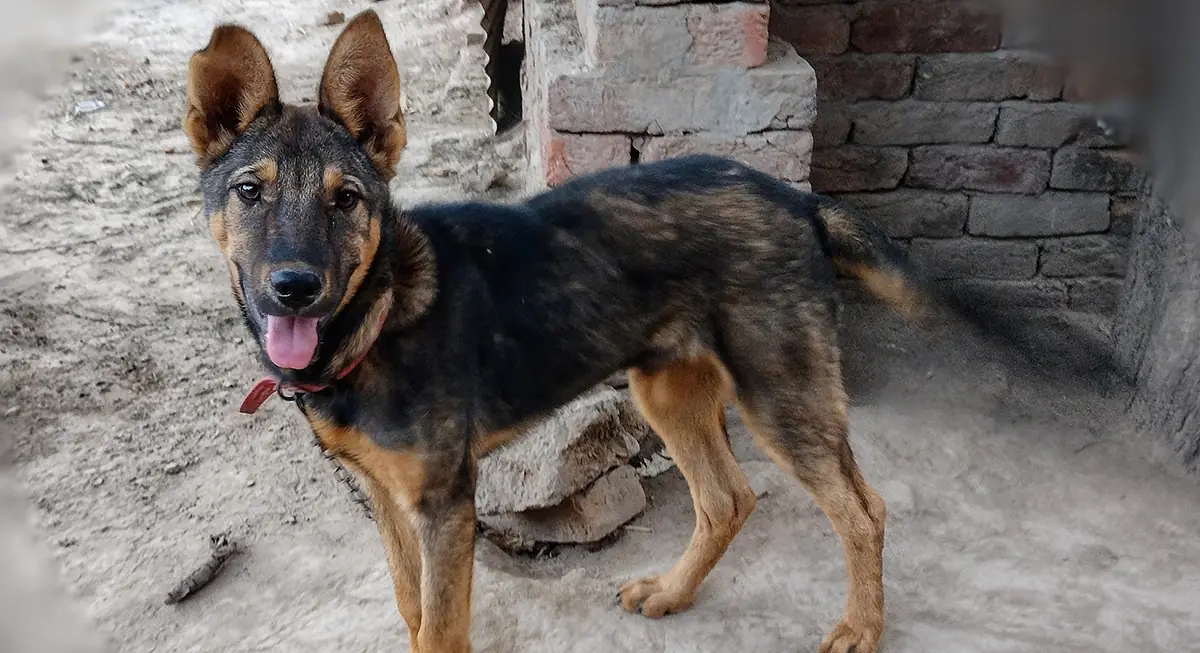
The Kunming Wolfdog has a face that feels almost wolfish at first glance. Developed in China as a working breed with German Shepherd influence, it combines a sharp muzzle, upright ears, and an alert expression, giving it a wild edge. Underneath that striking look, though, is a disciplined and capable dog.





