
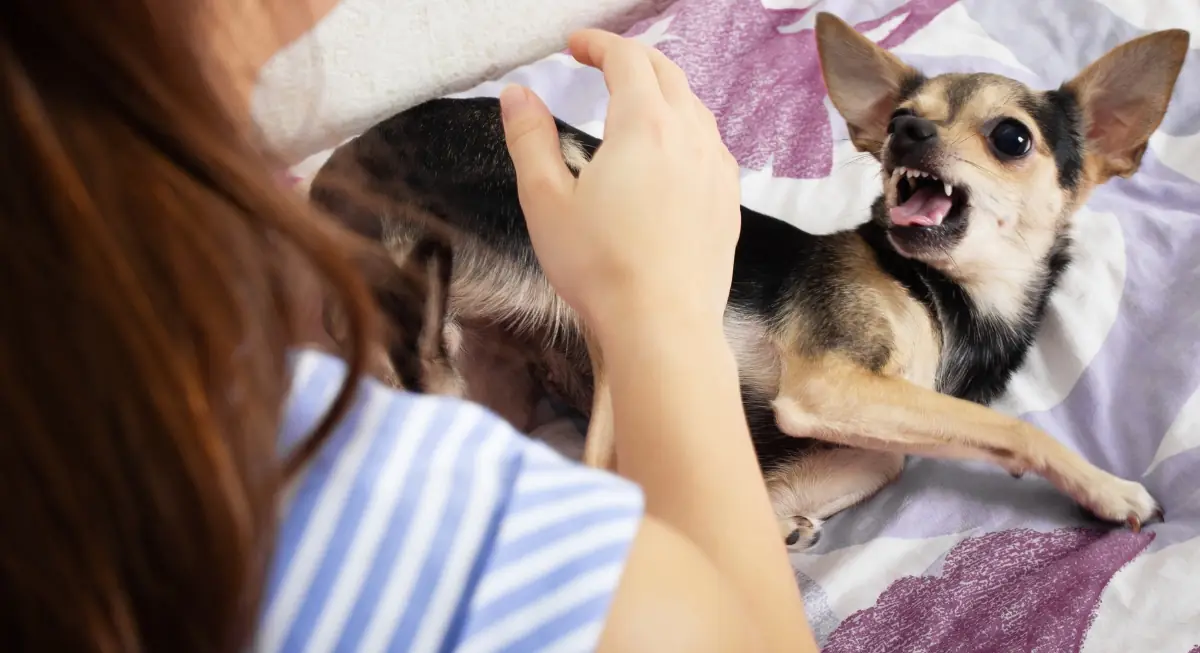
Helping a reactive dog is about understanding what fuels them. Most reactive behavior stems from panic or confusion, not defiance. Progress comes faster when the focus is shifted to better timing, steady handling, and realistic expectations.
These are common pitfalls that frequently arise. Remember, avoiding them makes the process easier for you and the animal you’re trying to help.
Too Much Exposure
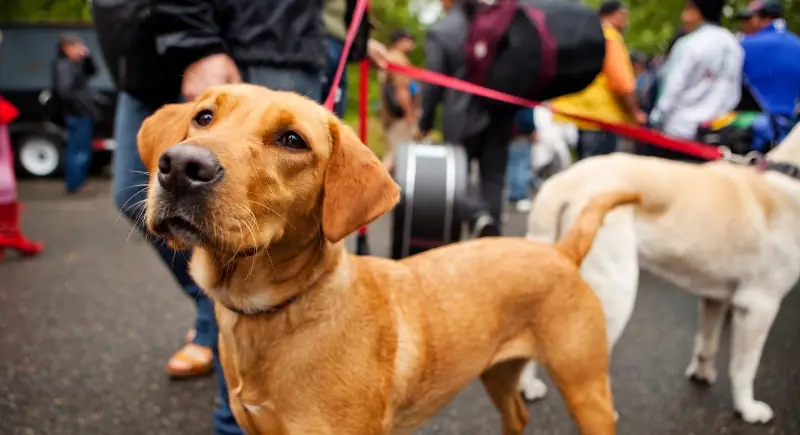
Some dogs go through terror stages in early development, during which their response to new things intensifies. If a young animal is taken to chaotic places; races, crowded trails, loud events, it can quickly associate those environments with panic. These moments often mark the beginning of reactivity.
Emotional Reactions in Public
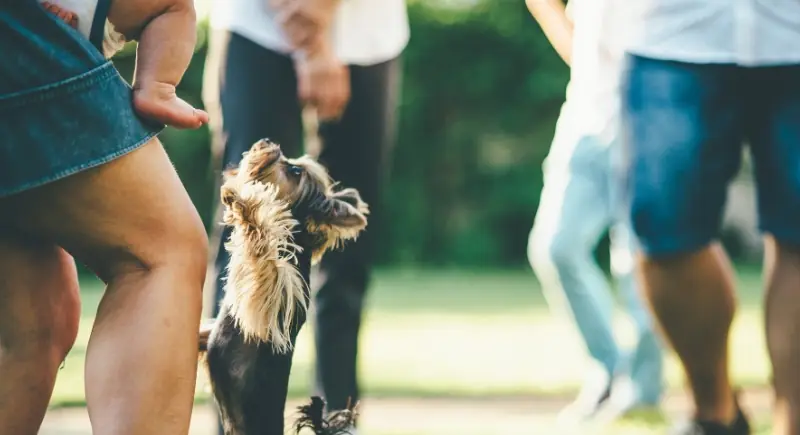
When an animal acts out in public due to stress, it can cause embarrassment. People tend to correct impulsively just to show they’re in control. But dogs respond strongly to emotional signals. Tension from the handler increases the dog’s stress response. Patient, consistent handling provides the stability they need.
Group Walks Too Soon
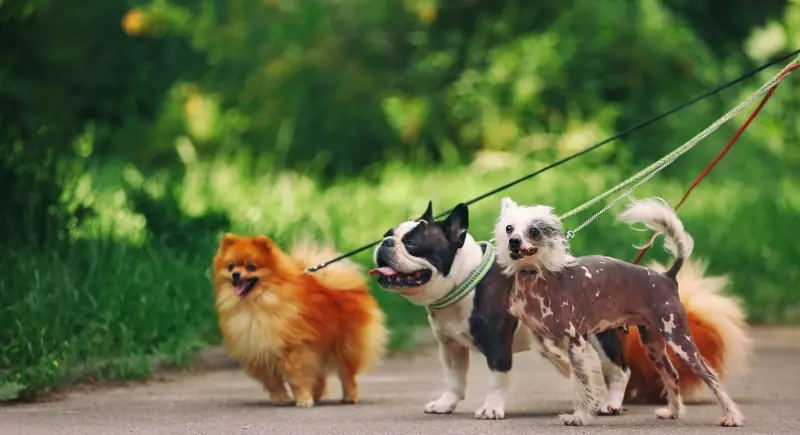
Walking a reactive pet with one or more stable dogs seems like a shortcut, but it rarely works. One animal’s anxiety spreads quickly to the others. Repeated exposure to tension can unsettle even well-adjusted dogs. Multiple dogs mean divided attention and slower results.
Mislabeling Actions
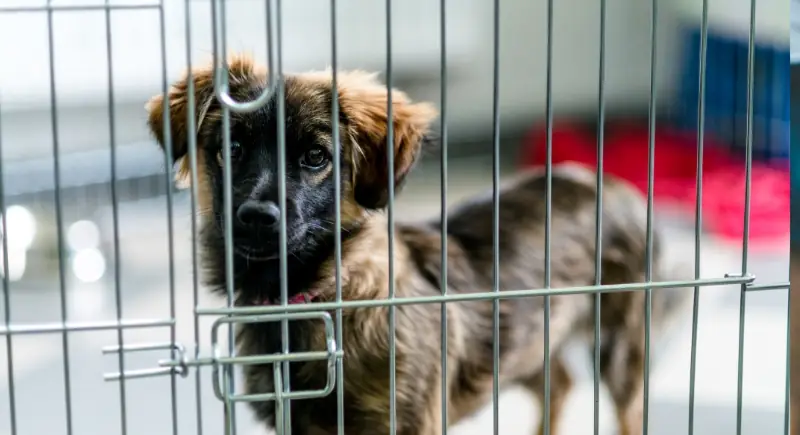
Reactivity sometimes gets mistaken for aggression. Lunging, growling, or barking doesn’t always mean a dog wants to attack, it can mean they want distance. Assuming fear-based conduct signals an intent to harm changes how people treat the animal. This leads to isolating your furry companion.
No Proper Education
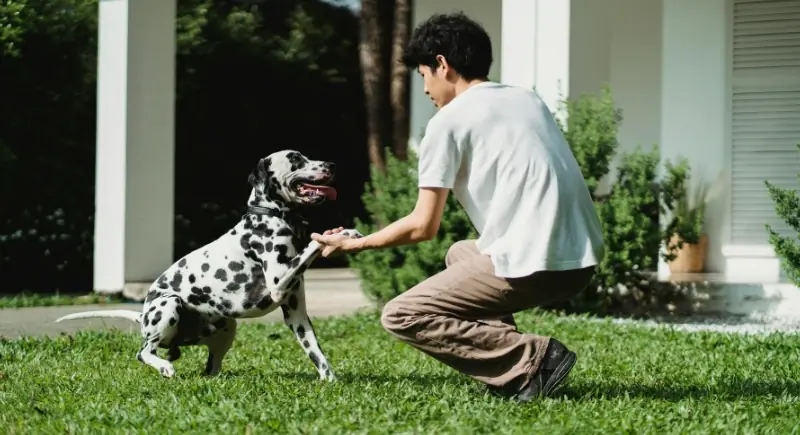
Many owners try to correct reactivity without knowing how behavior change works. Guesswork rarely leads to lasting outcomes, especially if techniques are pulled randomly from social media or old-school advice. Animals struggling with trepidation need specific support, timing, distance control, and positive reinforcement.
Not Tracking Changes

It’s hard to see improvements if you do not have a way to measure them. Memory can exaggerate setbacks and miss progress, which creates the impression that nothing’s improving, even when it is. Use a notebook, checklist, or phone video to log key moments, triggers, distances, reaction intensity, and recovery time.
Too Close to Triggers
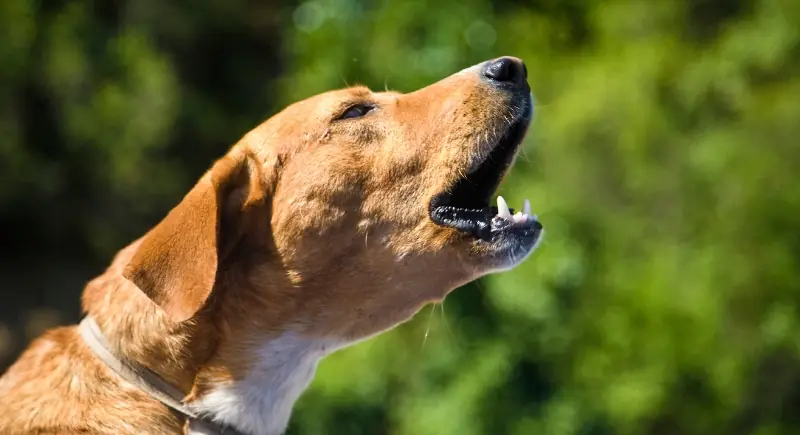
Training at the point of reaction doesn’t help. Once an animal starts barking, freezing, or lunging, they’re already over-stimulated and can’t learn. That state only reinforces panic. A safe distance gives space for awareness and improvement. From that point onwards, counterconditioning becomes possible.
Hardest First
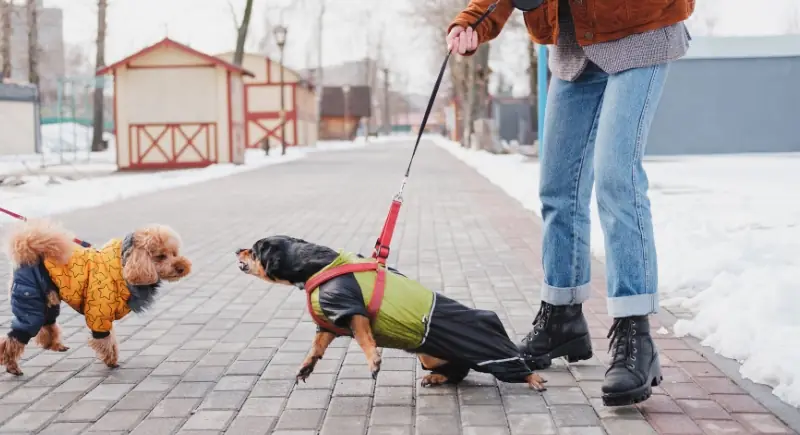
Jumping straight to the dog’s biggest fear, like close contact with unfamiliar dogs or loud crowds, sets training back. Without previous success in controlled conditions, the animal panics or shuts down. Big reactions teach avoidance, not confidence. Growth begins in situations that the dog can handle with no unfortunate incidents.
Weak Reinforcers
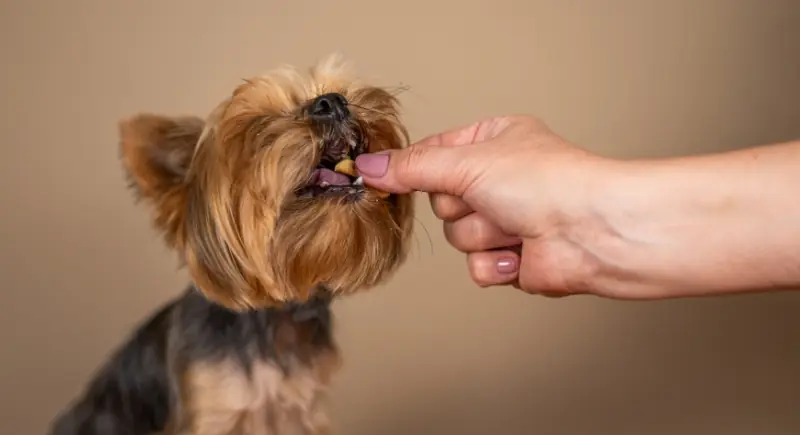
Stressful situations call for high-value rewards. Low-value treats won’t motivate an animal to stay at ease around something alarming. They need something that stands out, soft meat, cheese, or treats they don’t get anywhere else. If they refuse the snack, it’s just not meaningful enough at that moment.
Only Teaching Redirection

“Look at me” can be a useful tool, but it doesn’t solve reactivity on its own. Shifting focus helps temporarily, but doesn’t change the emotion. If the fear remains, the practices will too. Counterconditioning, rewarding composed observation, shifts their emotional response. It creates new associations with what used to set off agitation.
No Foundation Work
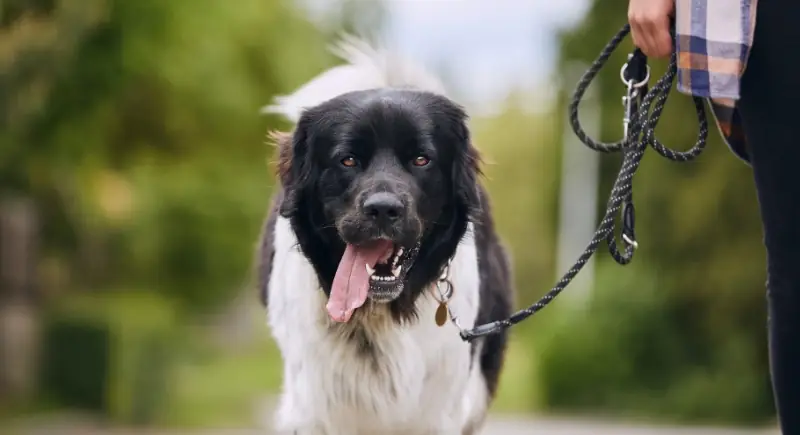
Before you ask a dog to maintain calm around triggers, make sure the basics are solid. Skills like loose leash walking, checking in, and turning away on cue give structure to stressful moments. Without these, dogs have no framework for handling pressure, and training falls apart fast.
Wrong Kind of Comfort
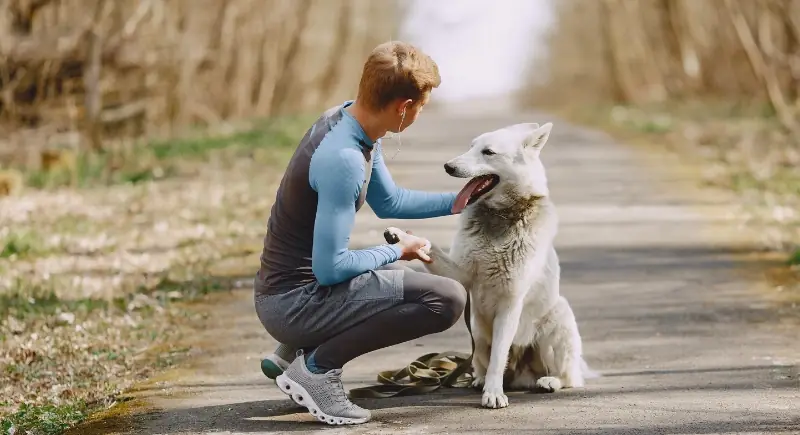
Saying “you’re okay” while your dog barks or growls might feel instinctive, but it usually makes things worse. To them, your nervous tone signals that the situation is unsafe. Well-meaning comfort can accidentally validate distress. What your pup actually needs is a clear action and not soothing words in chaos.
Missing Warning Signs
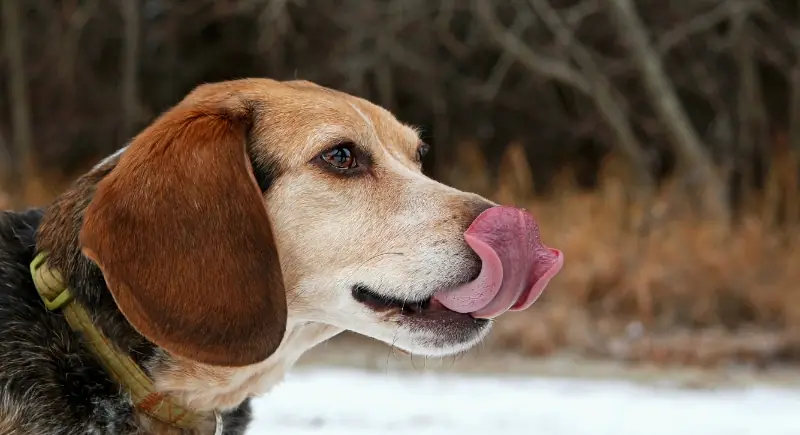
Most animals signal discomfort long before they react. Yawning, turning away, lip licking, or stiff posture are all signs of stress. Missed signals turn small warnings into bigger problems. That teaches them that only extreme responses get taken seriously. Noticing these signs gives you a window to prevent a full-blown reaction.
Unrealistic Goals
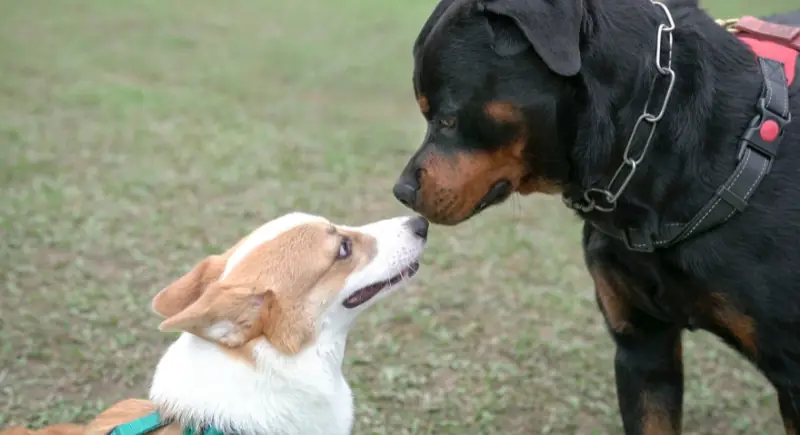
Asking a sensitive dog to calmly pass another dog in a few sessions sets everyone up to fail. If your pet can’t take a treat at 30 feet, that’s the place to start, not five feet away. Deconstruct big goals into manageable training steps. Behavior change takes time and consistency, but you will see progress if the goals match the animal’s current skill level and comfort zone.
Punishment-Based Tools
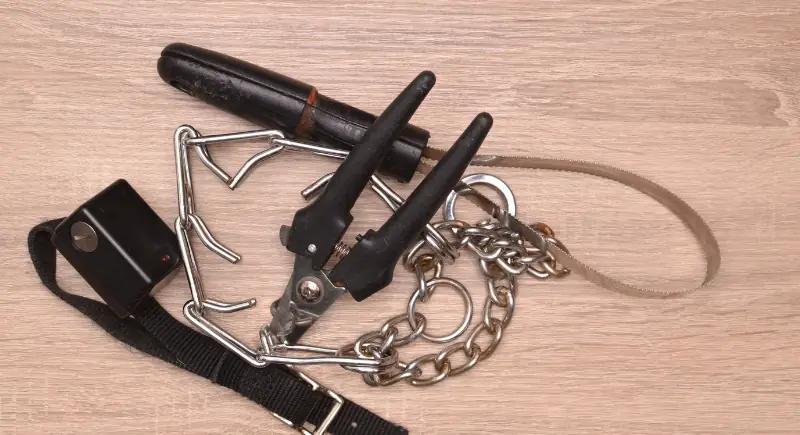
Tools that cause discomfort, prong collars, shock devices, leash jerks, often suppress actions without addressing the reason behind them. They interrupt behavior but leave the fear intact. That stays under the surface and shows up later, worse than before. Research consistently links punishment to higher aggression and chronic anxiety.
Using Parks as a Testing Ground
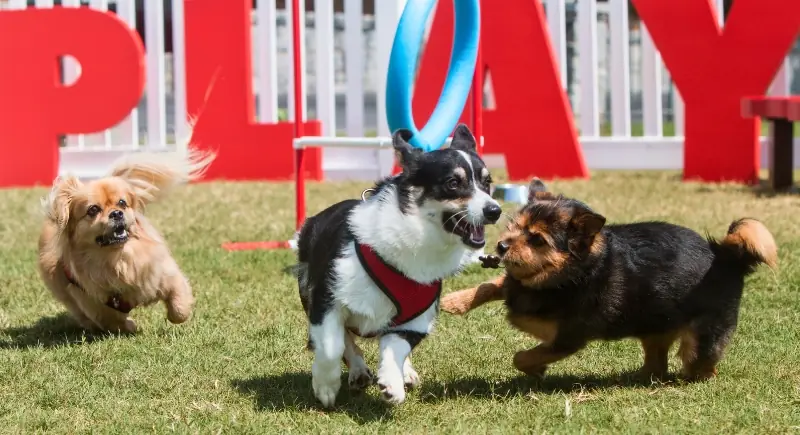
Public parks seem like a great way to “socialize,” but for reactive dogs, they’re sensory overload in disguise. Joggers, squirrels, and scooters are too much, too fast. Handlers often push exposure, thinking it’ll build tolerance, but it backfires. Dogs end up associating the park with stress. Controlled, low-stimulation environments work better for rebuilding trust and managing reactivity without triggering an emotional meltdown.
Believing They’ll “Grow Out of It”
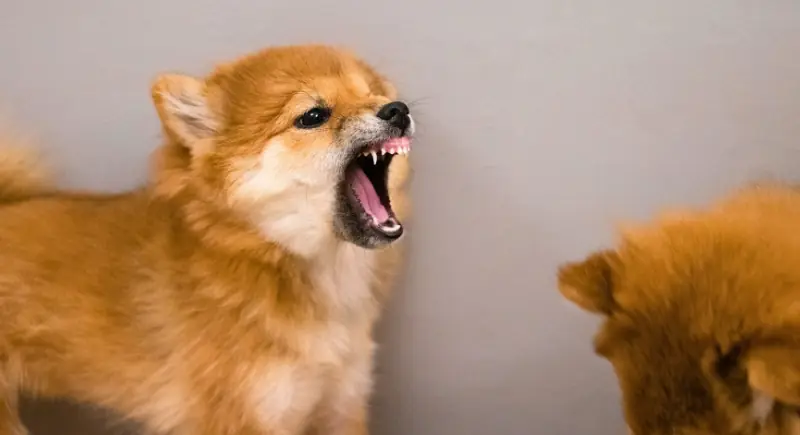
Waiting for reactivity to vanish with age is like hoping a toddler just stops throwing tantrums on their own. Without training and support, reactive behavior often intensifies. Dogs don’t outgrow stress triggers; they get better at anticipating them. The longer it’s ignored, the deeper the response becomes. Early intervention and consistency are key to helping your dog feel safe instead of overwhelmed.
Tightening The Leash
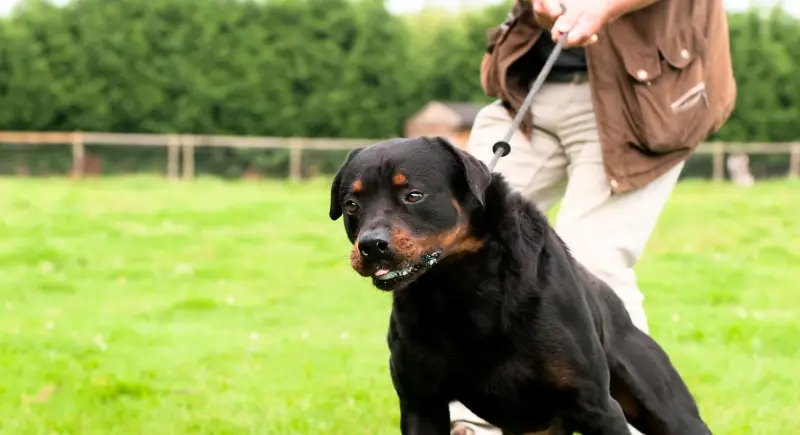
You spot another dog ahead, and your hand tightens without thinking. The leash goes stiff. Your dog feels it right away and leans into it, like something is about to go down. The body locks. The noise starts. Try easing your grip instead, keep moving, and give your dog space to pass before that moment boils over.
Constant Visual Staring
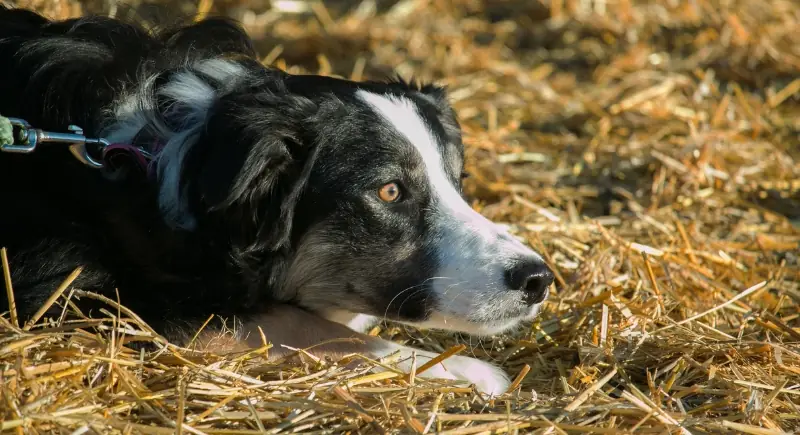
Your dog freezes and locks eyes across the street. You feel it. That long stare stretches, and everything else fades out. The bark is next. Step in before it gets there. Say their name, turn your body, take a few steps away, and slip behind a parked car if needed. Break the stare early and reset.





