
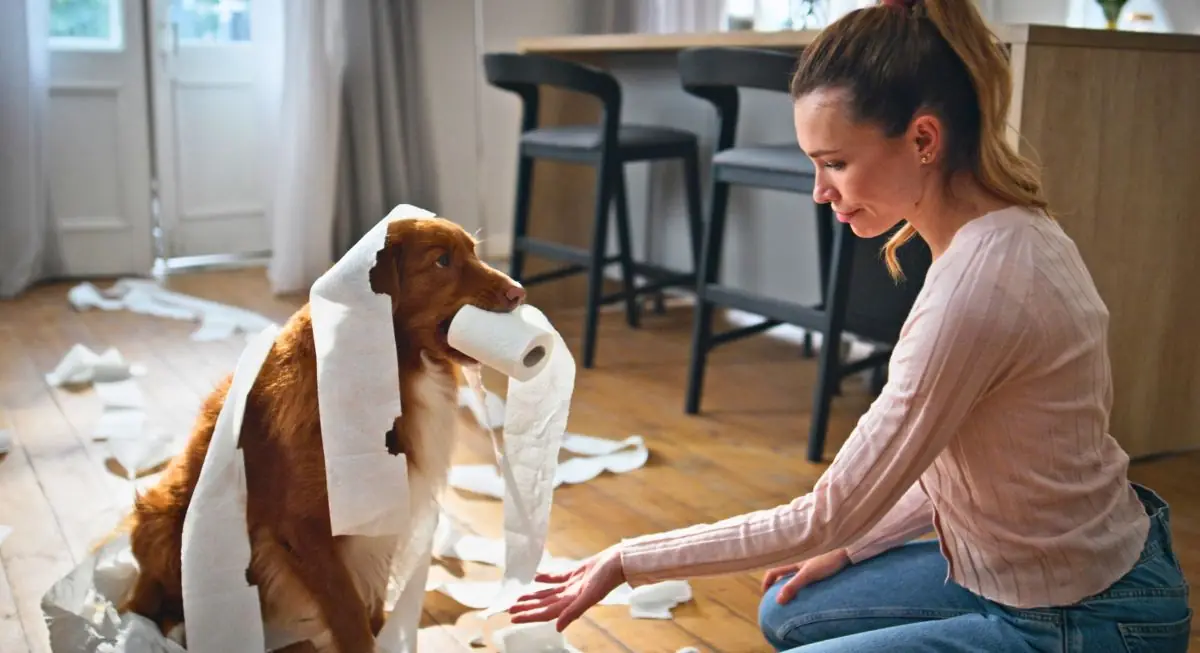
Thinking about adding a furry friend to your family? While most dogs bring joy, some breeds come with a side of stubbornness that can test your patience. Breeds like Siberian Huskies, known for their high energy and independent nature, are particularly challenging without proper training. Similarly, Pekingese dogs often exhibit a strong will, which makes them less inclined to follow commands. Without consistent training, these breeds turn households into a whirlwind of mischief. So, without further ado, let’s talk about the breeds that might keep you on your toes.
Siberian Huskies
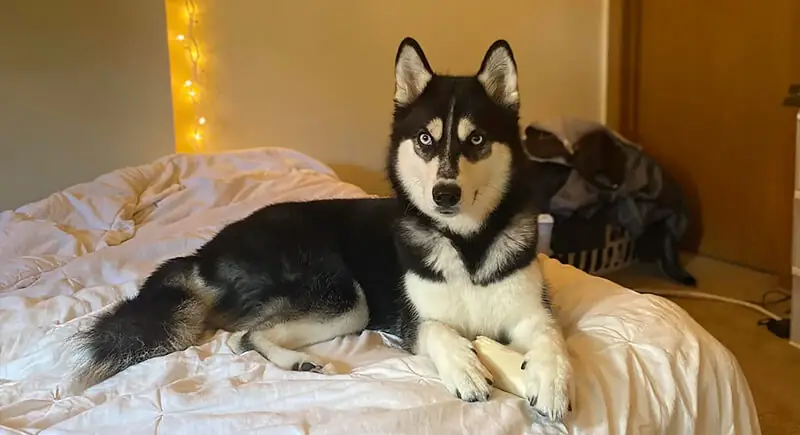
Good luck keeping this powerhouse in one place. Fences? They climb. Doors? They bolt. This independent thinker isn’t waiting for permission before making a break for it. Without training and secure boundaries, Siberian Huskies turn any yard into an obstacle course.
Alaskan Malamutes
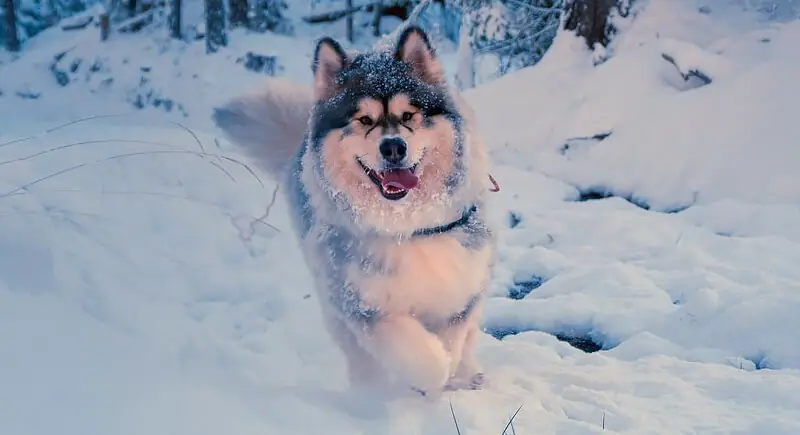
Expect an opinion on everything with this headstrong breed. Their stubborn streak means selective hearing is an art form. High-energy adventures keep Alaskan Malamutes engaged, but without structure, they invent their fun—often involving furniture destruction.
Beagles

Once a scent catches a Beagle’s attention, everything else vanishes. No food, toy, or command competes with an interesting smell. That legendary stubbornness is exactly what makes recall training so challenging with this breed, especially if a rabbit or snack wrapper is involved.
Akitas
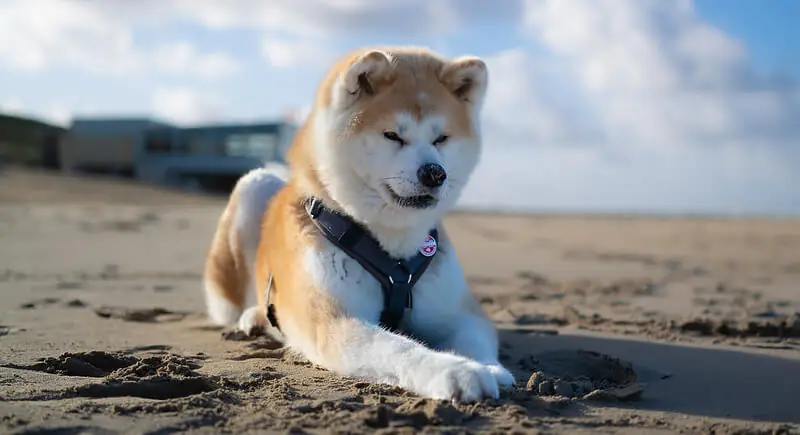
With the Akita, respect isn’t given, it’s earned. This proud protector expects an owner who knows how to lead. Weak-willed training results in a headstrong pet that does whatever it pleases. Early socialization and structured discipline shape a well-mannered guardian.
Chow Chows
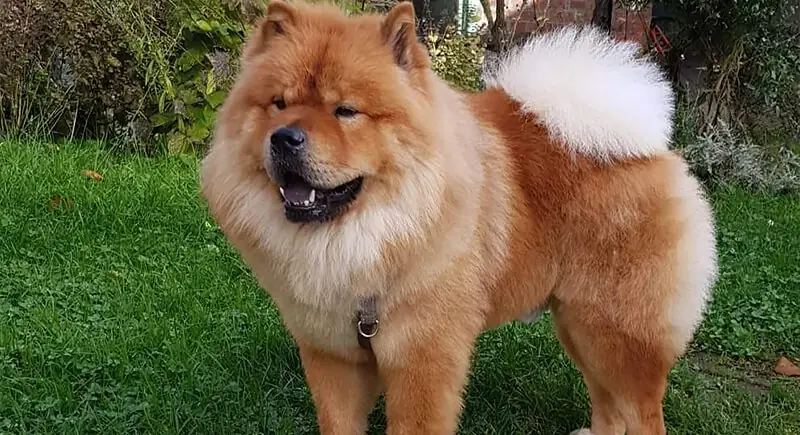
Don’t expect eager tail wags. This lion-like fluffball prefers an air of mystery. Commands are mere suggestions, and obedience depends on whether they deem you worthy of their attention. Harsh training backfires, but consistent respect-based methods earn cooperation.
Basenjis
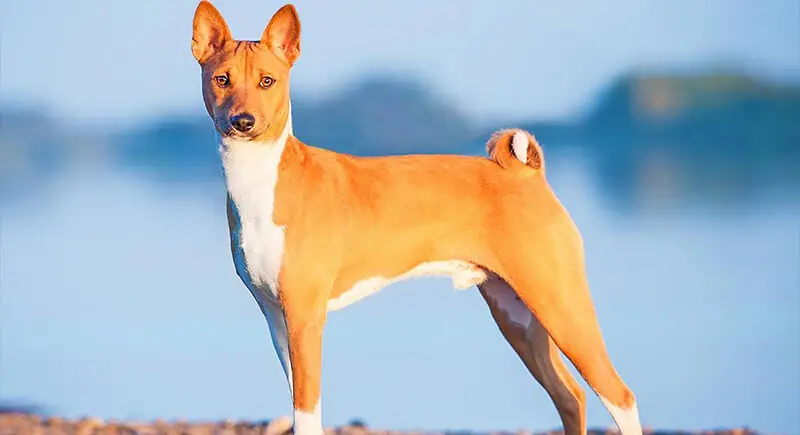
No barking doesn’t mean no trouble. This escape artist finds loopholes in every rule. Boredom leads to chaos—chewed furniture, shredded pillows, and mysterious disappearing acts. Mental stimulation is critical, or Basenjis turn problem-solving skills against you.
Chihuahuas
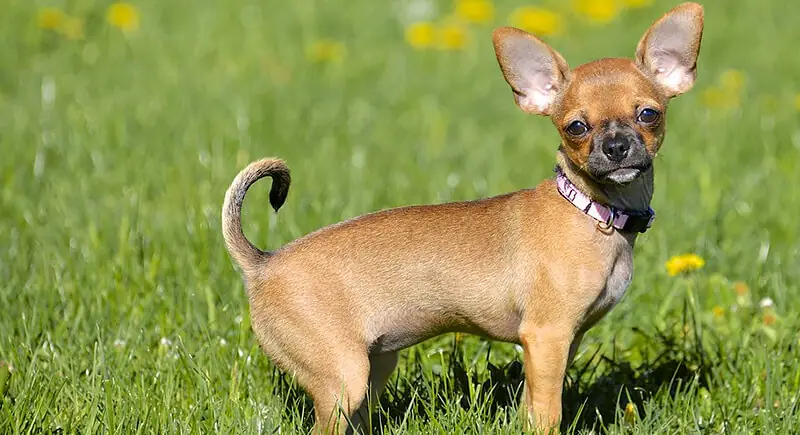
Size doesn’t dictate confidence. This feisty little breed challenges dogs ten times bigger without hesitation. Their possessive tendencies and a loud opinion on everything make training an absolute must.
French Bulldogs
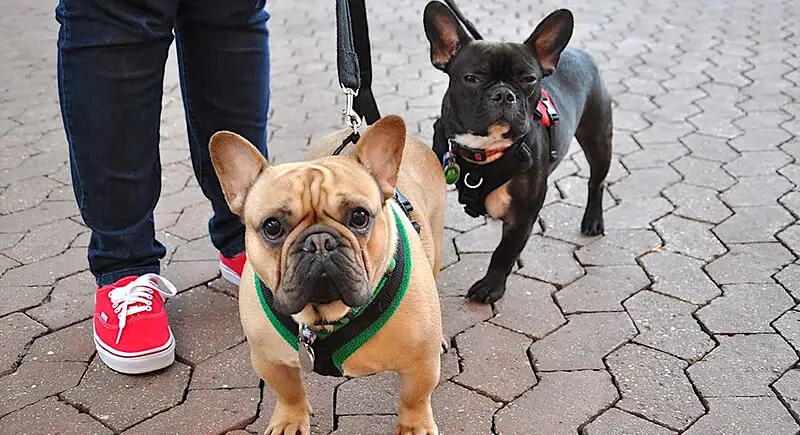
French bulldogs are absolutely adorable but not very beginner-friendly. Training this compact comedian requires patience and humor. They know how to manipulate owners with charm, so consistency is very crucial. Using rewards works better than scolding, but if they don’t see the point, prepare for an impressive display of selective deafness.
Cavalier King Charles Spaniels
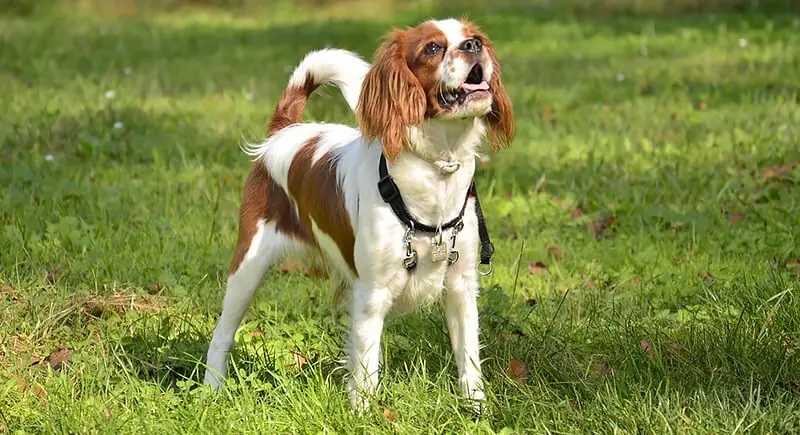
Begging is an art form with this breed. Their soulful eyes convince even the most disciplined owners to “accidentally” drop a snack. Enforcing strict portion control and resisting those pleading stares can help prevent overindulgence.
Havanese
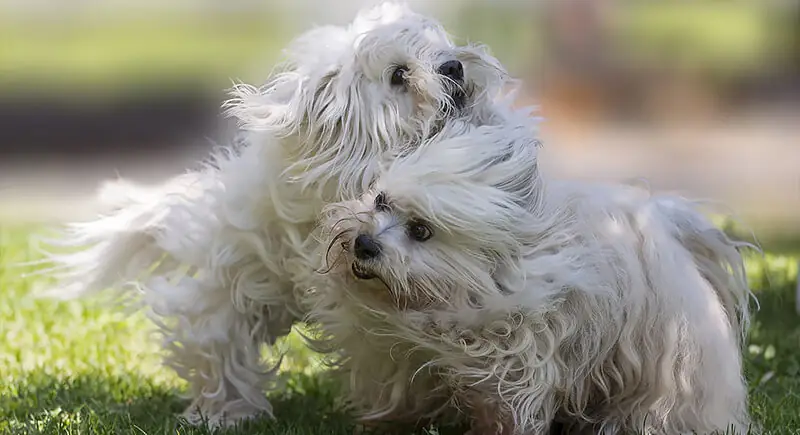
Rest isn’t part of the agenda for Havanese. With a playful whirlwind bounce from one adventure to the next, it stirs up trouble along the way. When left alone too long, they find entertainment—usually involving shredded household items.
Pembroke Welsh Corgis
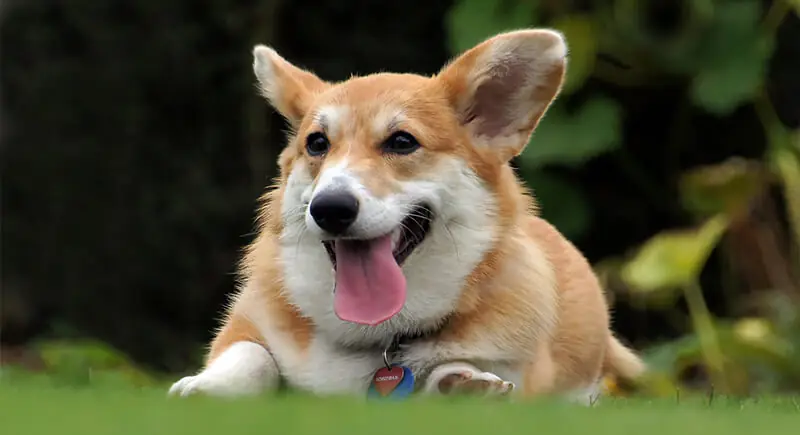
Herding is hardwired, and this breed doesn’t care if their “flock” consists of kids, other animals, or unsuspecting houseguests. Nipping heels is practically their entire job. Training must redirect that instinct into structured activities, or dogs will decide everyone needs herding at all times.
Poodles
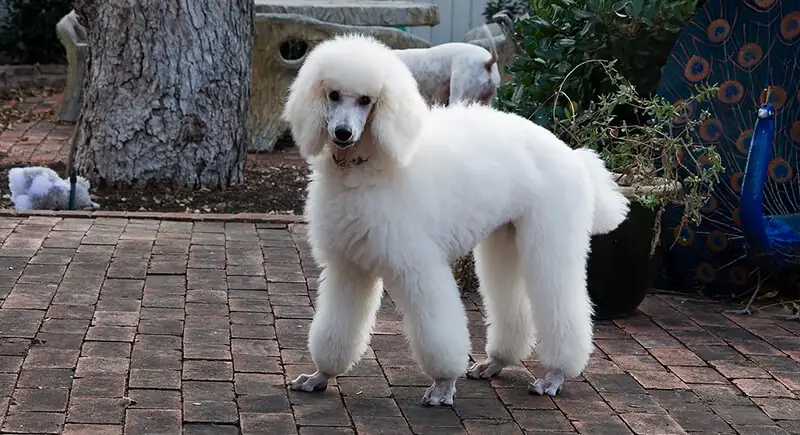
Outthinking their owners is Poodles’ daily pastime. Their intelligence makes them highly trainable, but boredom can also spark bursts of rebellion. Advanced training keeps their minds sharp, while agility courses burn off restless energy.
Rottweilers
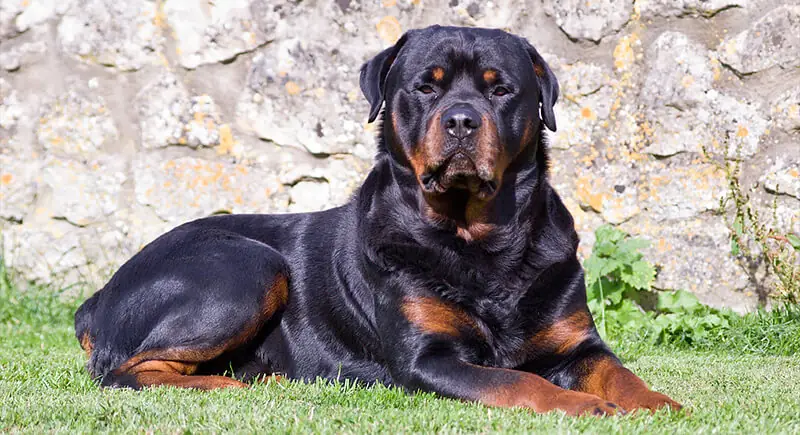
Their high strength and intelligence make Rottweilers an incredible companion—if trained properly. Their natural protectiveness morphs into overconfidence without proper leaderships and turns strangers intro a threat by default. A firm, experienced owner channels their loyalty into structured obedience instead of unchecked dominance.
German Shepherds
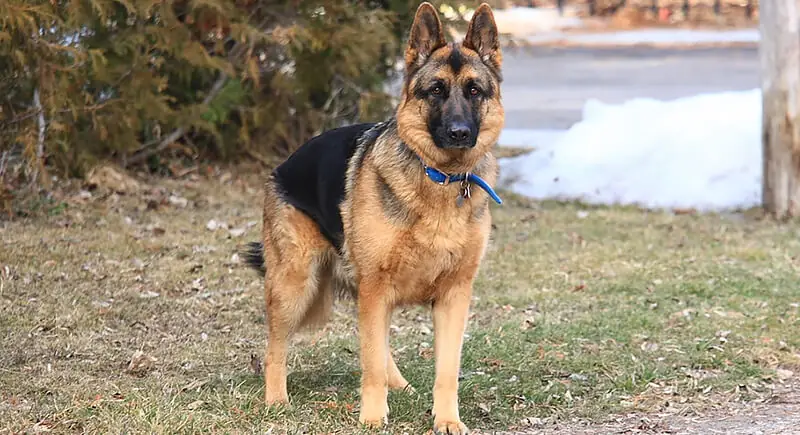
German Shepherds are defined by brains and brawn, but without guidance, their intelligence leads to trouble. Structure keeps them engaged, while training reinforces discipline. An underworked shepherd invents their tasks—like herding furniture or patrolling hallways obsessively. Exercise, challenges, and firm leadership are mandatory. Let structure slip, and they become the household’s self-appointed chief decision-makers.
Boxers
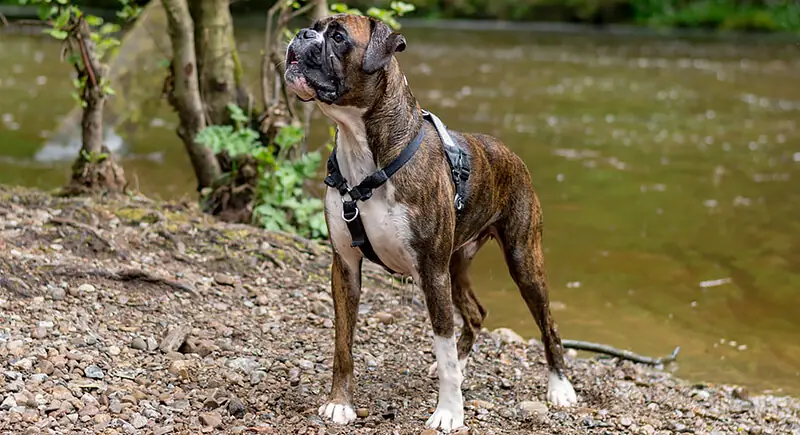
Without an outlet, a Boxer’s hyperactivity leads to zoomies indoors, jumping on guests, and general chaos. Structured activities and vigorous exercise keep their behavior in check. You don’t want this high-energy dog to turn every moment into a full-contact sport and unintentionally knock over anyone in their path.
Shiba Inus
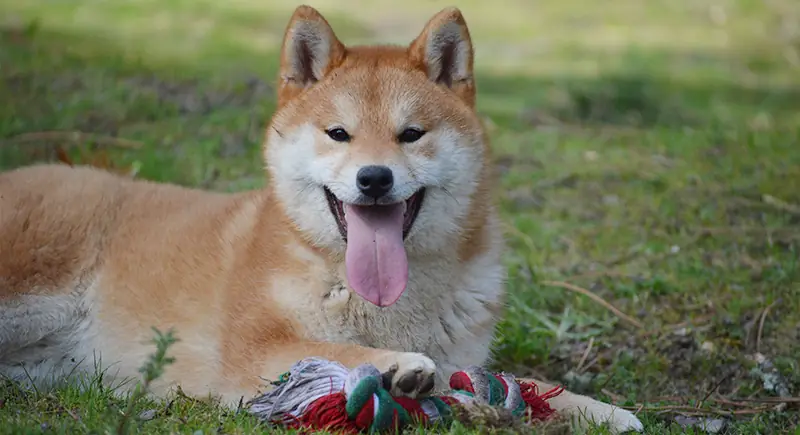
Shiba Inus are known for their independence and will often ignore commands if they don’t see a reason to obey. Their strong-willed personality can make training a challenge, especially if they sense inconsistency. Without proper guidance, they’ll happily turn every walk into their own adventure.
Dachshunds
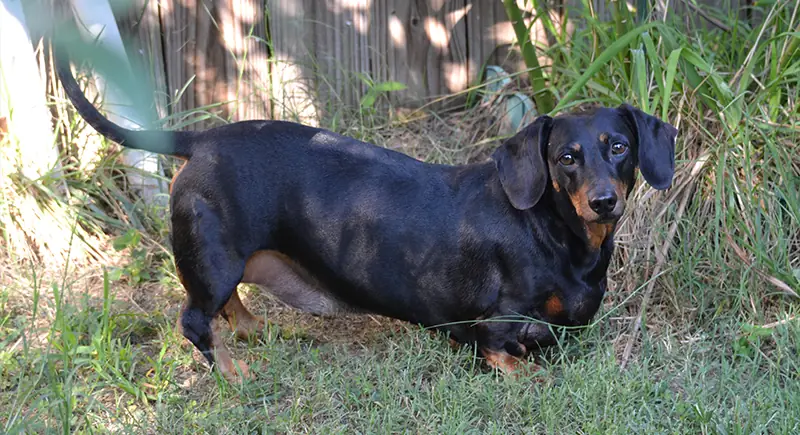
Dachshunds have a mind of their own, often acting as though they’re the ones in charge. Their curious nature and determination to do things their way can make training difficult. Without the proper structure, these little dogs will run the household and have plenty of mischief to show for it.





