

In early 2022, the American Kennel Club (AKC) recognized the Mudi dog breed as its newest member. Although rare in the United States, the Mudi will only gain in popularity after earning this significant spot on the AKC list.
Never heard of the Mudi? That’s OK! Read on to learn 30 facts about this adorable dog breed.
The Mudi Was Developed in Hungary

The Mudi dog breed was developed in Hungary in the 1900s. It was registered as its own breed in 1936.
Dog Ancestors Include the Puli and the German Spitz

The Mudi was developed mixing several different working dogs together. These include the Puli (another AKC recognized breed), the Pumi, the German Spitz and other similar types of dogs.
Dr. Deszö Fényesi Named the Breed
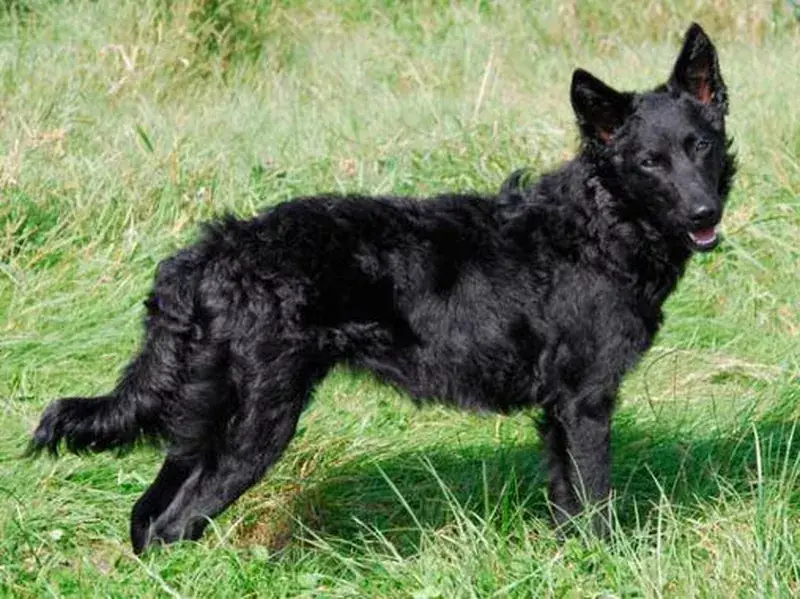
Dr. Deszö Fényesi, who was the director of the museum in Balassagyarmat, Hungary, was also a breeder of these small dogs. In 1930, he was one of the first to separate them from other herding-type dogs in Hungary and to give them the name “Mudi.”
It’s Pronounced ‘Moody’
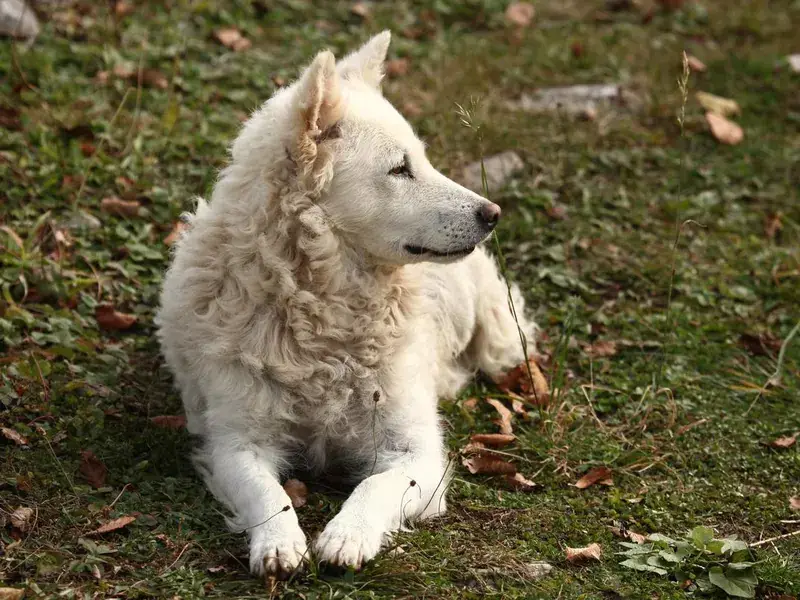
The Hungarian breed’s name is pronounced “moody.” The Mudi Club of America has not been able to find out why it was named this though.
They’re Energetic Working Dogs
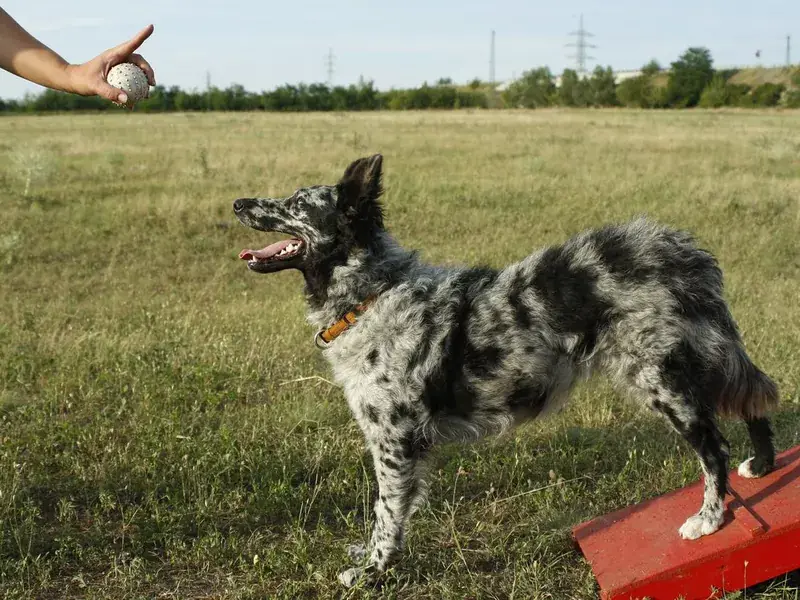
The Mudi is an energetic working dog that was used on Hungarian farms for everything from herding and guarding to vermin control (often a terrier job). They are a true all-around working dog.
The AKC Categorized Them in the Herding Group
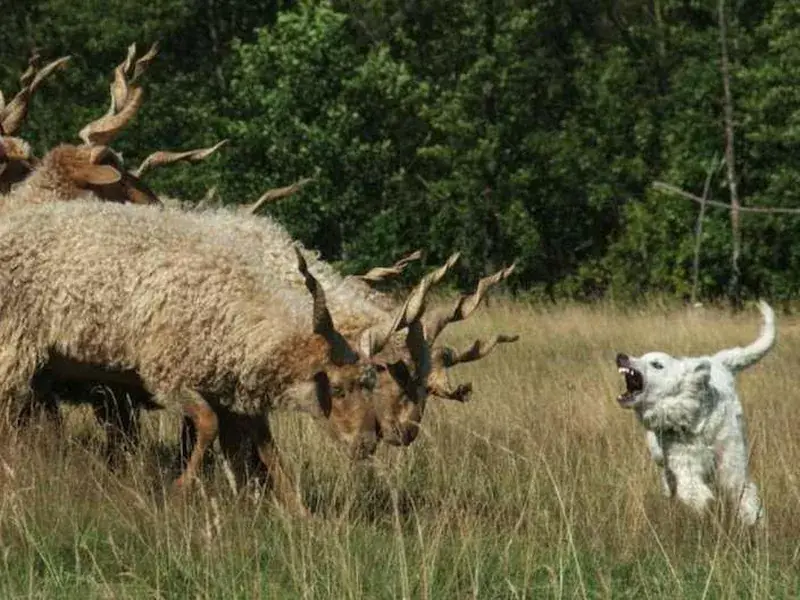
Despite their prowess with vermin, they are not terriers. That’s why AKC recognized them as the newest member of the herding group because they excel at herding sheep and cattle.
They Come in Many Colors
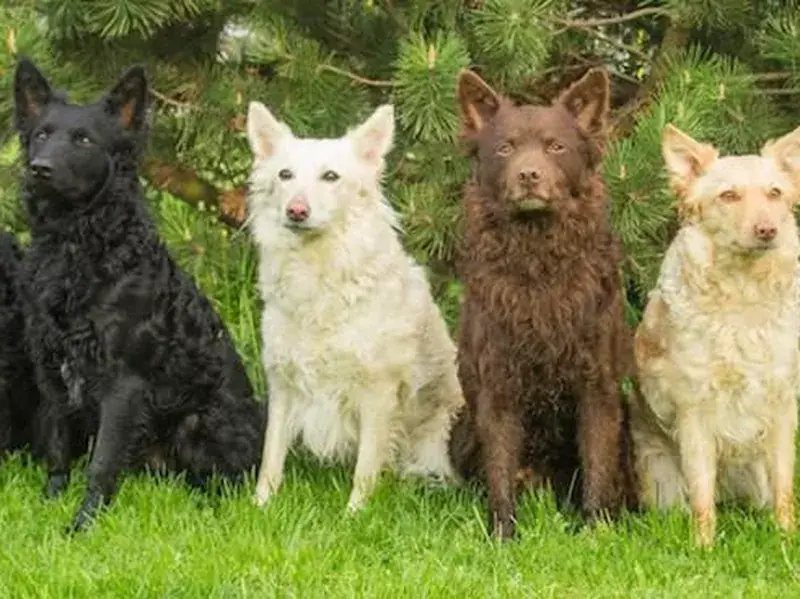
Like many herding breeds, Mudik (yes, that’s the plural of Mudi) can be quite colorful. They come in black, which is most common, as well as white, brown, gray and yellow. A merle coat pattern is accepted as well.
They’re a Medium-Sized Breed

The Mudi is a bit bigger than a Shetland sheepdog, another herding breed. The males are around 16-19 inches at the shoulder, and females are 15-17 inches. They weigh between 18-29 pounds.
They Have a Good Life Expectancy

The Mudi lives to be around 12-14 years old, which is a pretty good life expectancy for dogs. It’s about the same as most herding breeds of their size.
Their Coat Is Easy to Maintain
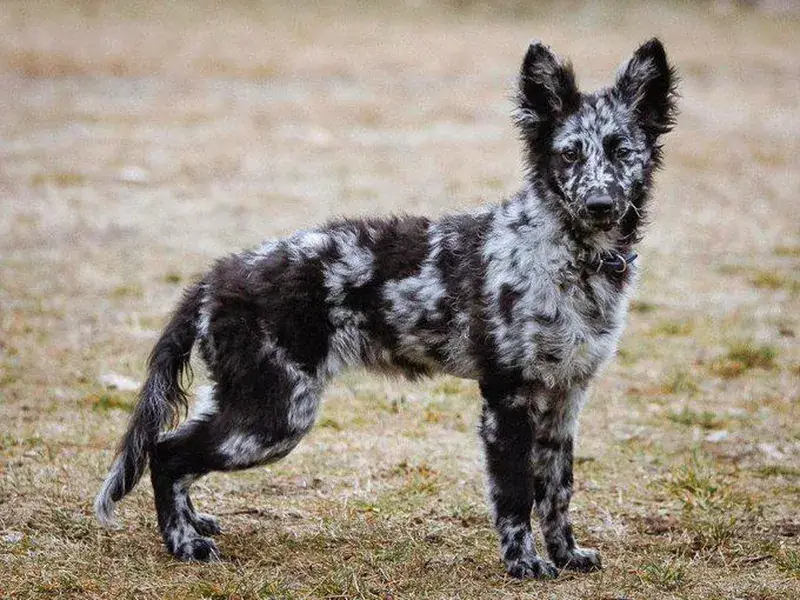
The Mudi dog has an easy-to-maintain coat. They have shorter hair on their head and front legs, with a slightly longer wavy fur covering the rest of their body. A weekly brushing is all they require.
The Mudi Does Not Shed Much
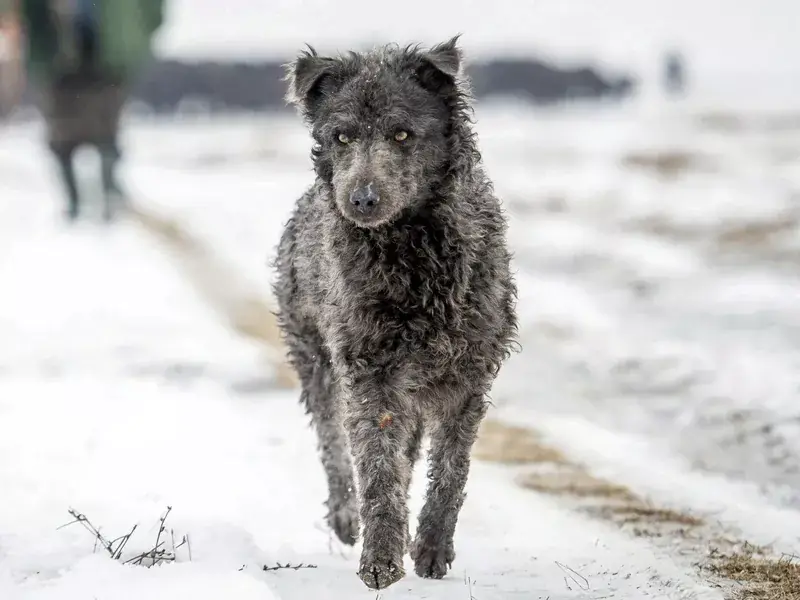
Along with an easy-to-care-for coat, they do not shed as much as longer-haired dog breeds, like the Shetland sheepdog or Australian shepherd.
These Dogs Like to Bark
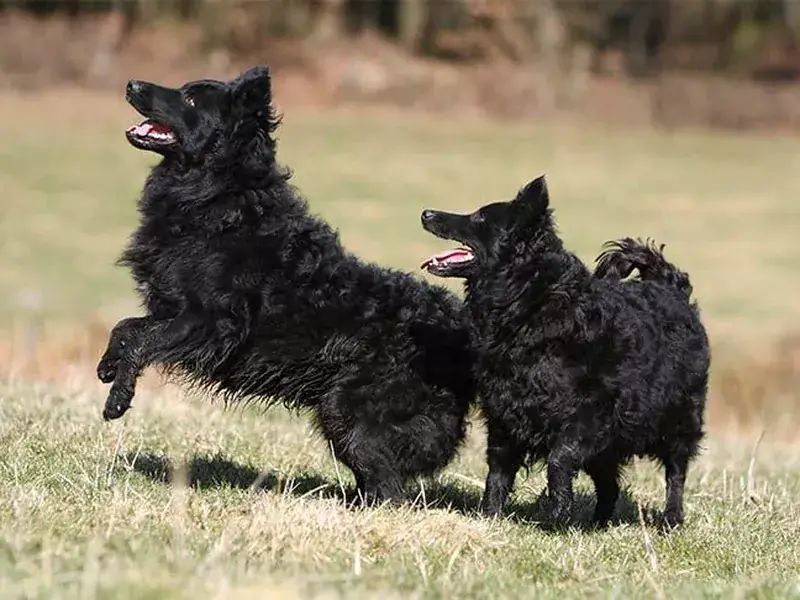
The Mudi likes to bark at almost anything. According to the Mudi Club of America, “One must remember that one of the Mudi’s jobs in his homeland is to alert the bigger flock guardians (Kuvasz, Komondor) when he senses trouble.”
The Mudi Can Be Aloof
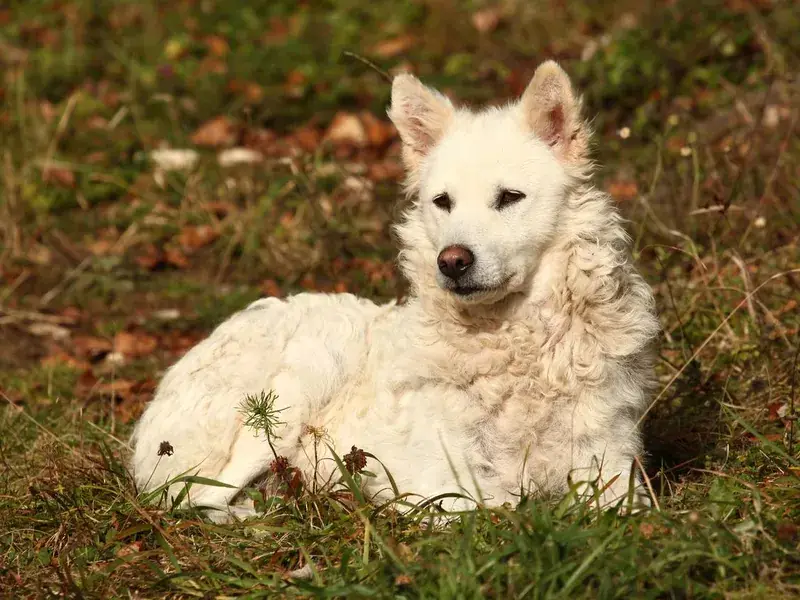
Like most herding breeds, they were bred for protection, which means they are wary when it comes to people they do not know. However, they are friendly and engaging with people they are familiar with.
Is the Mudi Good With Children?

The Mudi that is properly socialized as a puppy, will be exceptionally good with children, according to the Mudi Club of America.
The Mudi Is Easy to Train
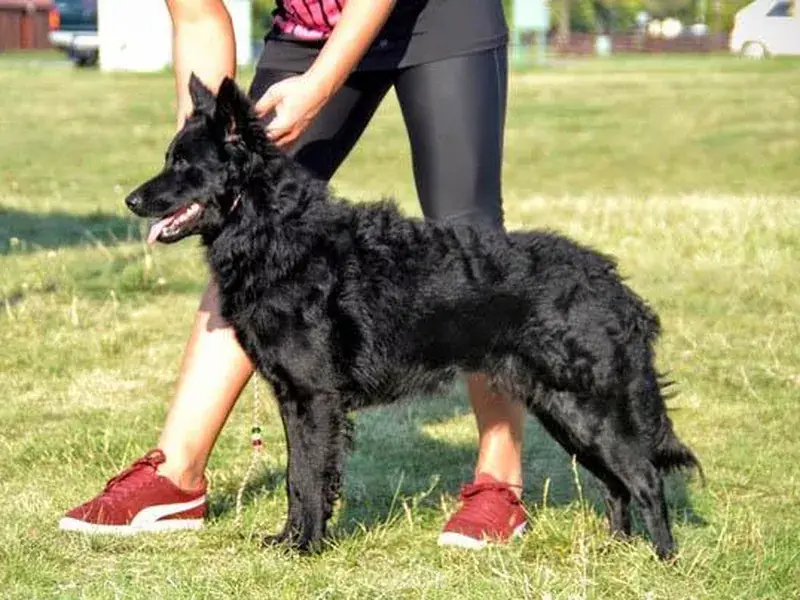
A smart working dog, the Mudi is an obedient, trainable dog breed. At least that’s true as long as you understand they are smart and do not want to do a lot of repetition.
The Mudi Excels at Dog Sports

Bred for work, the Mudi shines not just in herding, but also agility, obedience, disc, obedience, barn hunts, tracking and nose work.
Is the Mudi a Good House Dog?
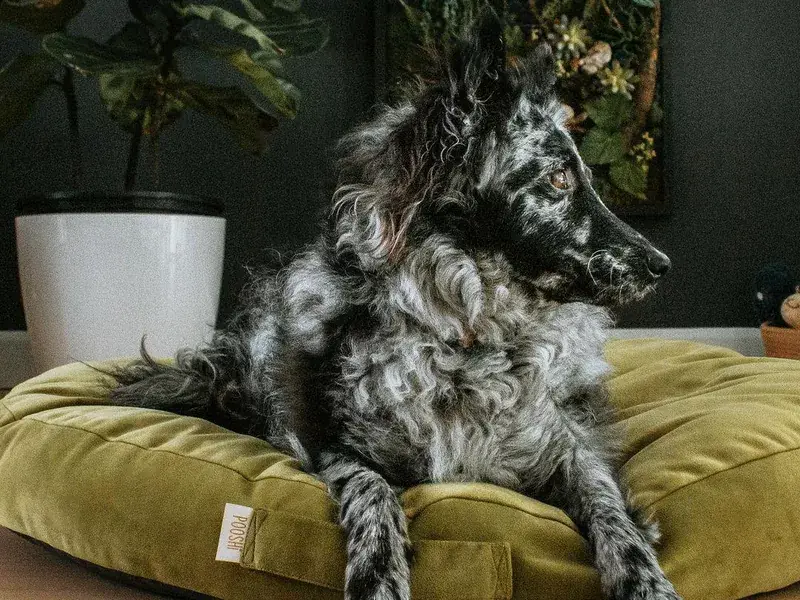
Yes! The Mudi prefers to be with people and does not want to live outside. They enjoy being with their people.
The Mudi Doesn’t Do Well in an Apartment

The Mudi Club of America cautions would-be owners who live in apartments (or close communities) that this dog breed might not be for them. Due to their fondness of barking, they can be a challenge to own in these situations.
Fearless, the Mudi Can Be Reactive

Another note the Mudi Club of America makes is that the Mudi can sometimes be reactive and even aggressive toward other dogs. That said, this is usually seen in adolescent males and is rare.
Positive Reinforcement Works Best

Like most herding breeds, the Mudi does not do well with strong, punishment-focused training. They do best when they can trust and build a bond with their trainer through positive reinforcement.
They Need a Job
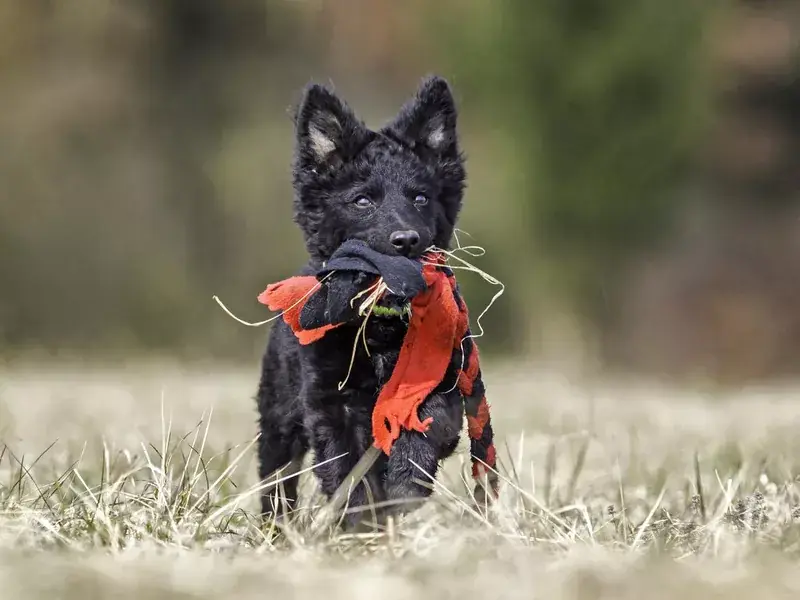
Did we mention they excel at sports? While they excel at them, they also need them. A bored Mudi will become a destructive one pretty quickly.
They’re Often Mistaken for Mixes

This rare dog breed is not seen often, so when people do see them, they often think they are a mix — the most common, owners say, is some type of doodle. According to the AKC, “One fancier compared the breed to a cross between a miniature poodle and a German shepherd dog both in look and temperament.”
You Can’t Have Mudis
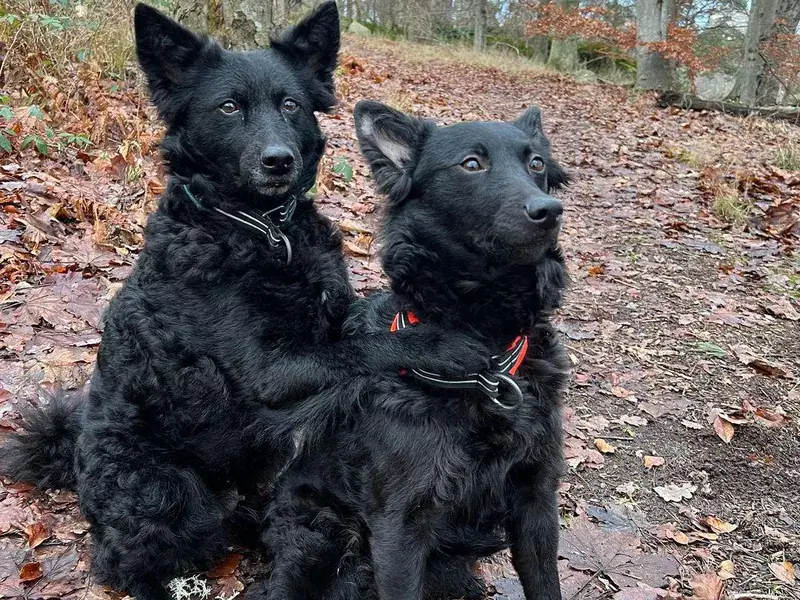
That’s because the correct plural of the name, according to the Mudi Club of America, is Mudik. However, if they have been properly socialized, they do get along with other dogs, including other Mudik.
The Mudi Is Relatively Healthy

Although there are not a lot of them for genetic diversity, the Mudi breed is actually pretty healthy. According to the Mudi Club of America, there are reports of dogs with “epilepsy, hip dysplasia, congenital cataracts, color dilution alopecia (‘blue dog syndrome’) and other inherited health issues.”
The Mudi Needs a Lot of Exercise
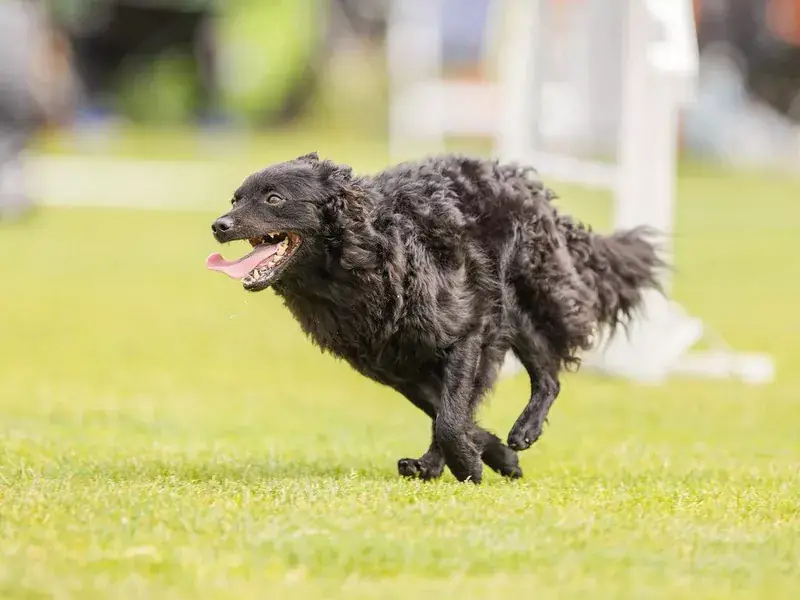
If you haven’t guessed that already, the Mudi needs exercise — daily. A bored Mudi will bark nonstop and get into trouble, like jumping the fence, digging, or destroying your shoes.
The Mudi Is Easy to House Train
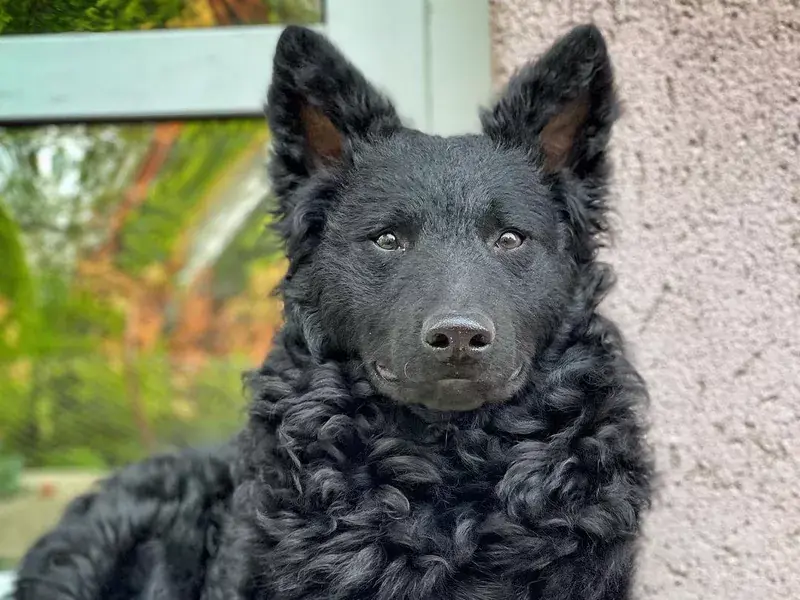
With a few exceptions, the Mudi Club of America says Mudik are usually easy to house train and do well indoors.
They’re Noted for Their Extraordinary Jumping Ability

The Mudi Club of America notes — and warns! — that the Mudi is a breed of dog that excels at jumping. This also means that if your yard is not secure and your dog is bored, they’re going to jump that fence.
There Are Only 450 Mudik in the U.S.

Currently, there are only about 450 Mudi dogs in the United States. That’s a number that will probably grow, though, now that they are AKC Recognized.
The Mudi Is Rare Worldwide
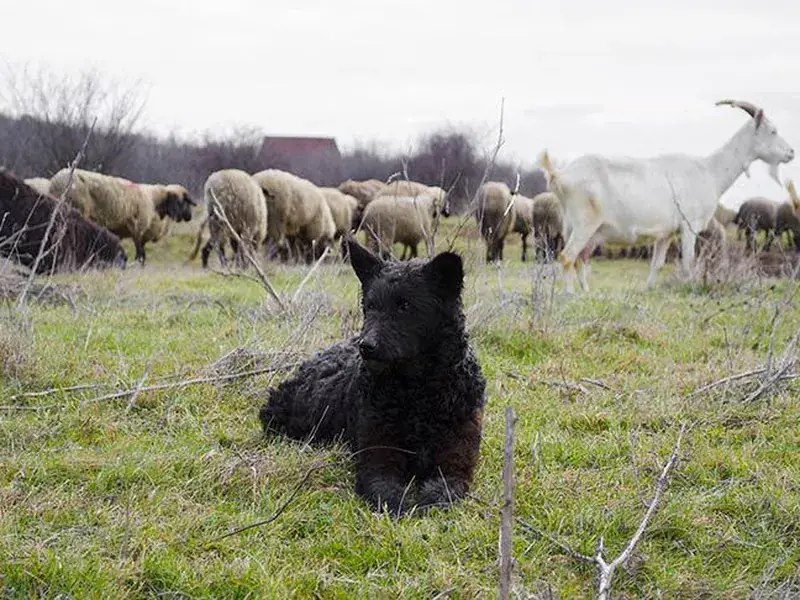
With the largest populations in Hungary and Finland, there are only 3,000 to 4,000 Mudi dogs in the world. This means you may be waiting a bit to get a puppy and may even have to have one shipped from another country.
What Does a Mudi Puppy Cost?

A Mudi puppy will run you anywhere between $1,500 and $2,500. And most likely you will also have to pay for shipping to get your puppy to your house unless you happen to leave near a breeder.





