
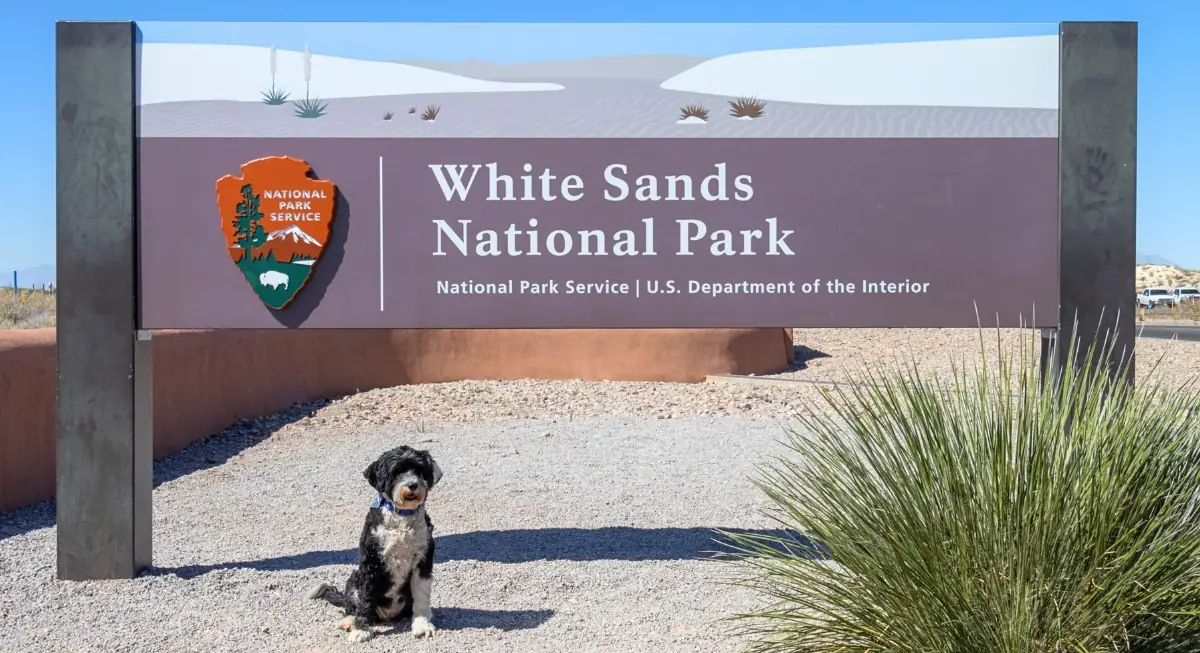
A national park trip with a dog can go one of two ways. One ends with someone stuck near the car. The better one lets your dog be part of the day, with real trails, open views, and space to move. The parks here make that possible.
They stand out for more than just pet-friendly rules. You get granite coastlines, blue mountain ridges, fossil forests, canal paths, white dunes, waterfall walks, and lakefront beaches. Each stop feels different, so the trip stays interesting from start to finish.
Acadia National Park, Maine
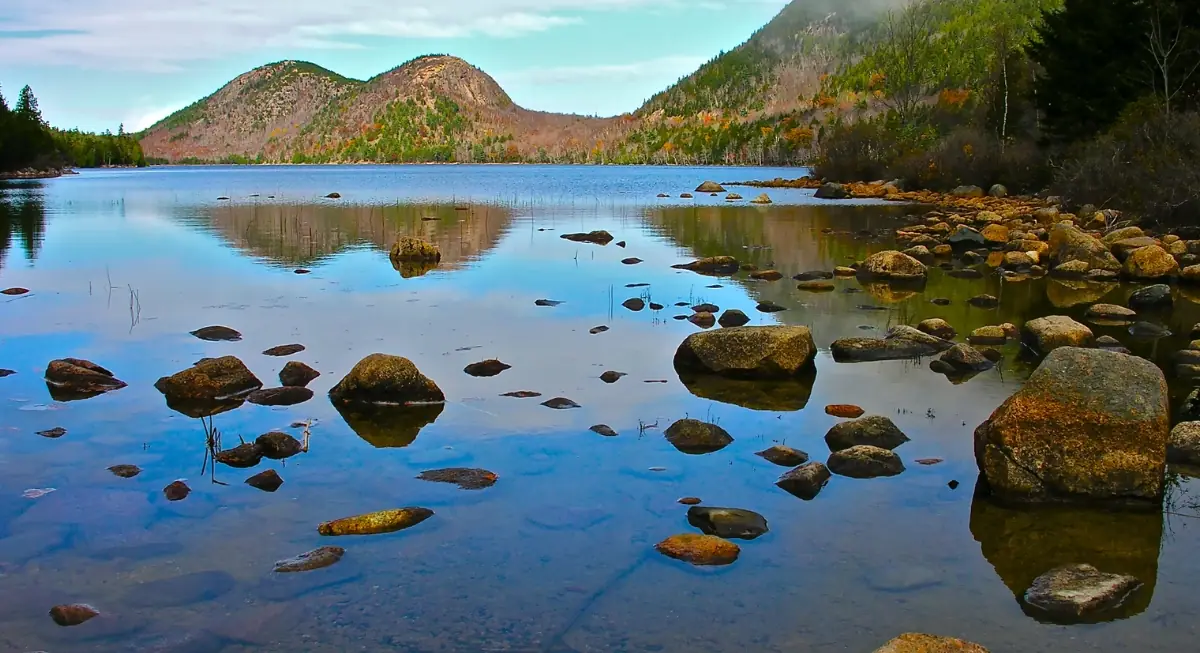
Stone bridges, crushed-stone lanes, and open Atlantic views make Acadia feel easy with a dog by your side. Its 45 miles of carriage roads, built between 1913 and 1940 by John D. Rockefeller Jr. and his family, were designed to stay clear of regular car traffic. Many trails also welcome leashed pets, including Ocean Path, where pink granite, sea spray, and wide coastal views carry the experience.
Shenandoah National Park, Virginia
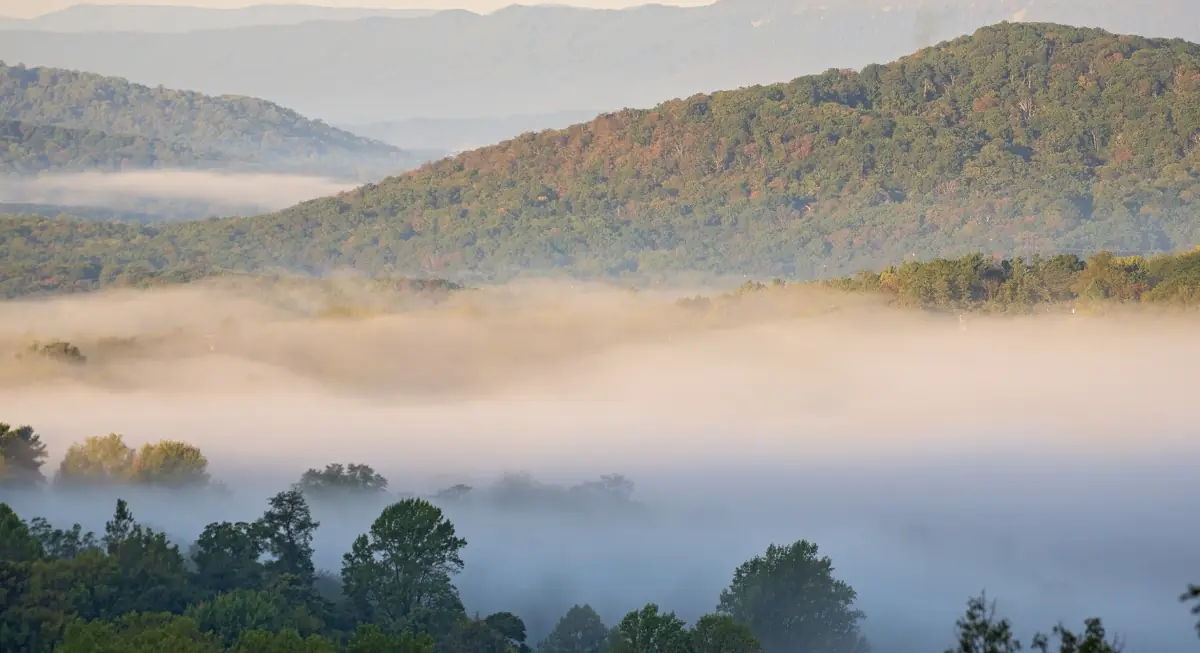
Shenandoah is the kind of place where you can take your dog and not overthink the day. You drive a bit along Skyline Drive, pull over when a view catches your eye, and just step out together. The mountains are right there, with little effort. If you feel like walking more, the park gives you options. There are over 500 miles of trails, including sections of the Appalachian Trail, and most allow dogs. One stretch might lead you to a waterfall, the next to a ridge or a wooded path, and it never feels repetitive.
New River Gorge National Park And Preserve, West Virginia
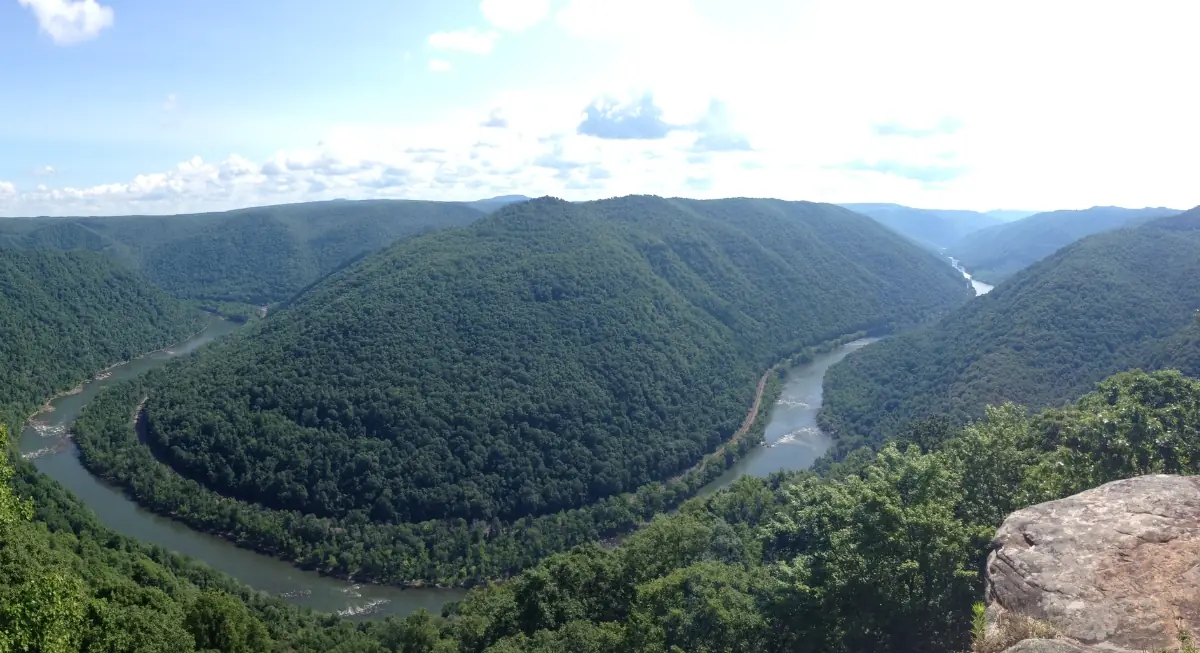
The New River Gorge Bridge grabs attention for good reason. It was completed in 1977 and shortened a long mountain drive to less than a minute. Below, the river cuts through sandstone, shale, and coal layers that have been shaped over millions of years. Trail routes pass through hardwood forests, former mining areas, and high-rim viewpoints. It is now one of West Virginia’s most recognizable landmarks.
Congaree National Park, South Carolina
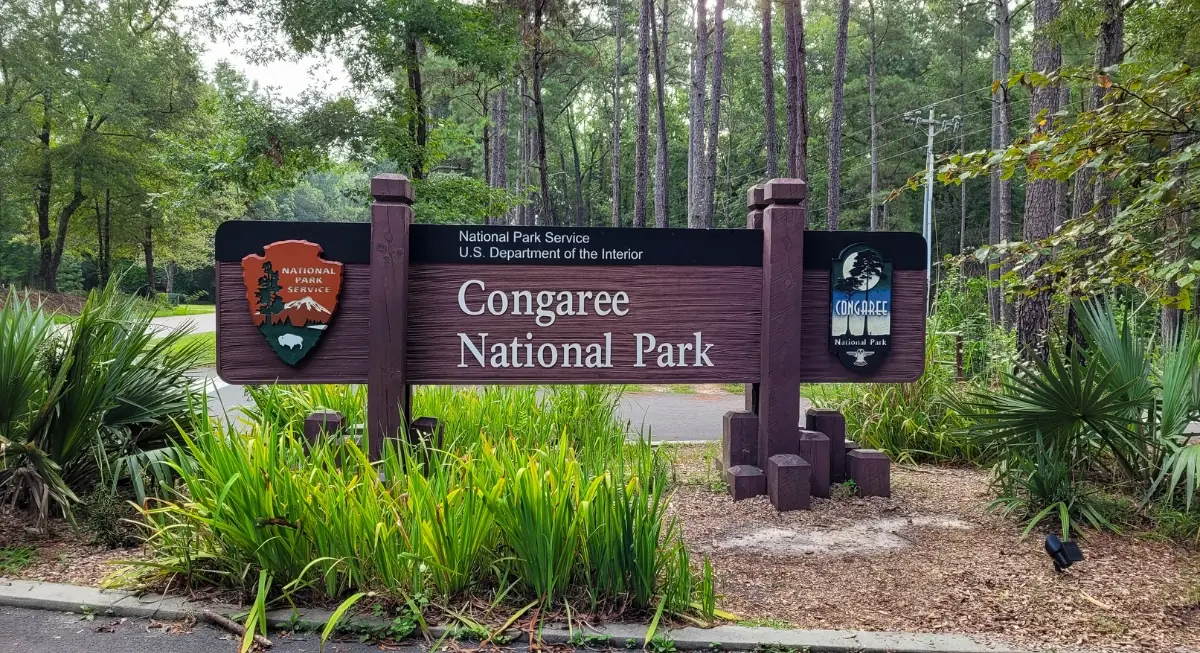
The boardwalk at Congaree gives you an easy way into one of the Southeast’s most distinctive forests. The park protects the largest intact old-growth bottomland hardwood forest in the region, where flooding from the Congaree and Wateree Rivers feeds giant trees and cypress knees. Standing water, tall trunks, and birdsong create a setting that feels far from the usual mountain-and-overlook national park experience. Leashed pets can use the trails, so you don’t have to leave your dog out of it.
Great Sand Dunes National Park And Preserve, Colorado
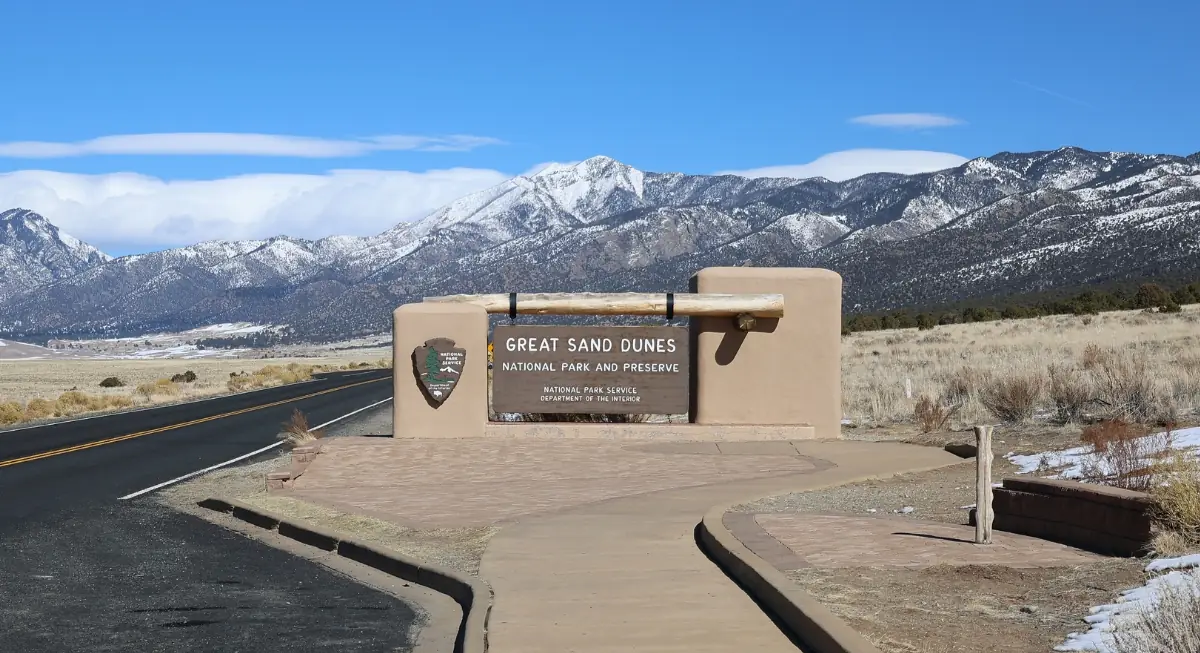
The sand here rises like a mountain range, with real peaks right behind it. Hidden Dune and Star Dune reach about 741 feet, the tallest in North America. Dogs can join you in main-use areas like Dunes Overlook Trail, Piñon Flats Campground, and Medano Pass Primitive Road. Beyond the dunes, the landscape shifts into grasslands, wetlands, forests, alpine lakes, and tundra, so it never feels repetitive. Just watch the timing, since the sand heats up fast and can be hard on paws.
White Sands National Park, New Mexico
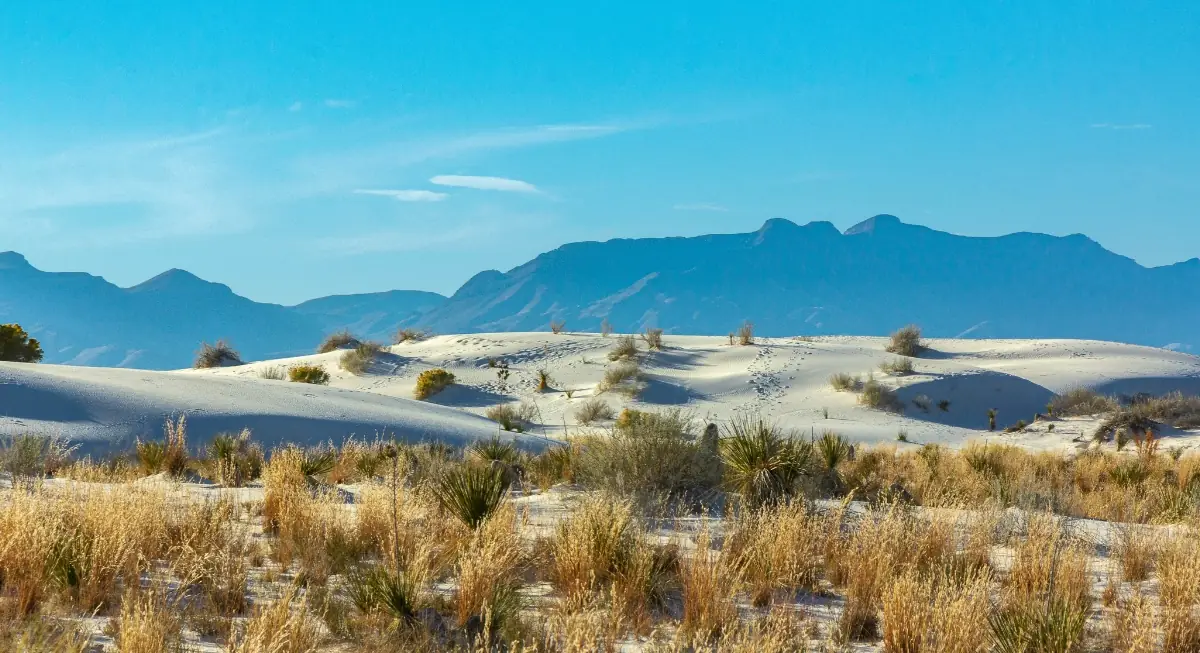
Bright gypsum dunes give White Sands one of the most unusual landscapes in the country. The park protects part of a 275-square-mile dunefield, the largest of its kind on Earth. Gypsum normally dissolves in water, which makes this huge white basin rare at such a scale. The tallest dunes reach around 60 feet. That’s much lower than Colorado’s giant dunes, but the Tularosa Basin creates a cleaner, brighter visual.
Cuyahoga Valley National Park, Ohio
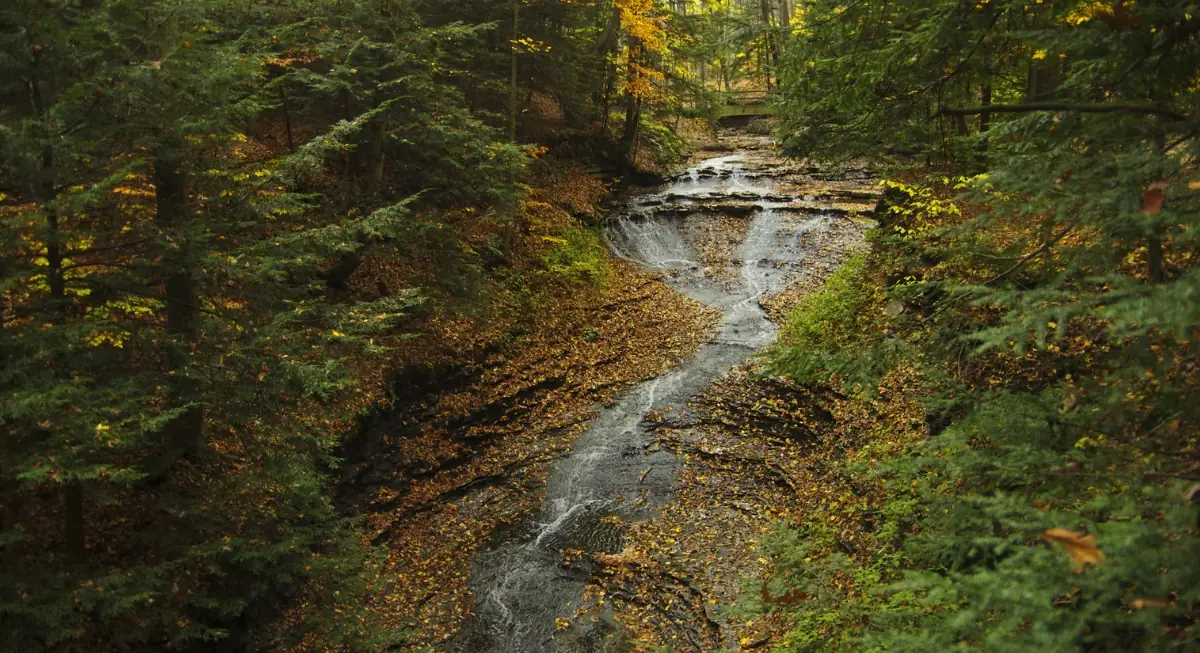
More than 100 miles of trails in the Cuyahoga Valley allow dogs, including the Towpath Trail. The route follows the old Ohio & Erie Canal. This canal was once used to move goods regionally between the Ohio River and Lake Erie. Away from the canal, Brandywine Falls brings the classic waterfall stop, and the nearby Brandywine Gorge Loop adds rock ledges and forest views in a compact hike.
Petrified Forest National Park, Arizona
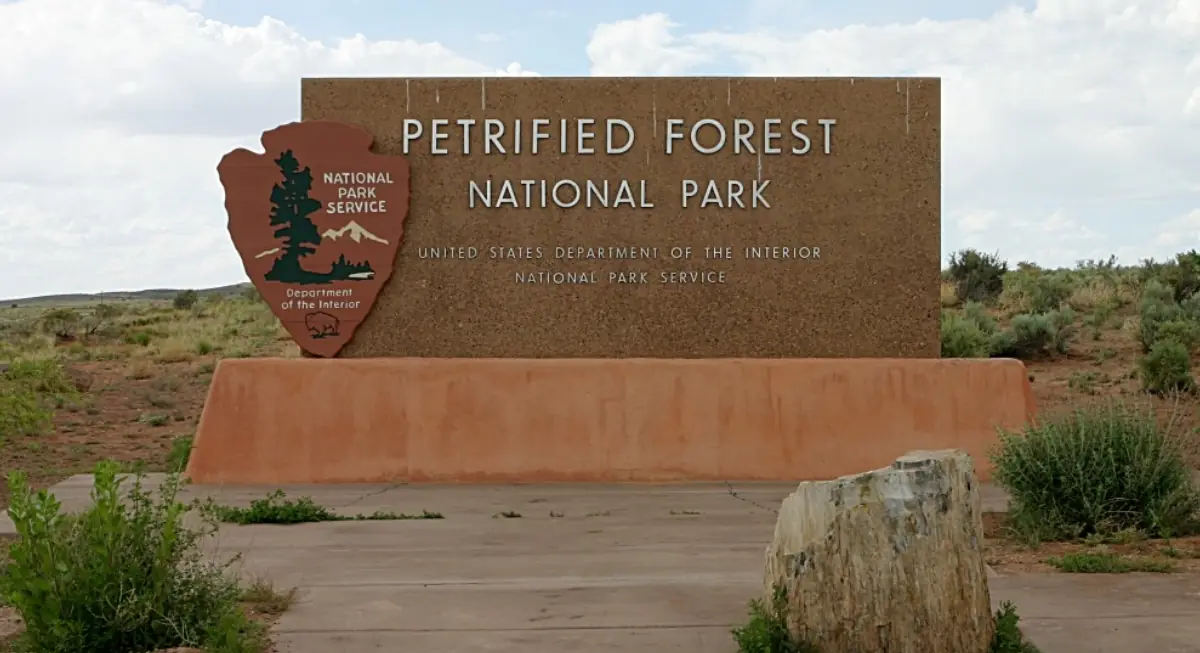
Petrified Forest has fossilized trees that date back more than 200 million years, and the Painted Desert spreads bands of color across badlands and open sky. The Rainbow Forest Museum explains the ancient environment connected to the Chinle Formation, where many of the park’s fossils were preserved. Leashed pets have unusually broad access here.
Hot Springs National Park, Arkansas
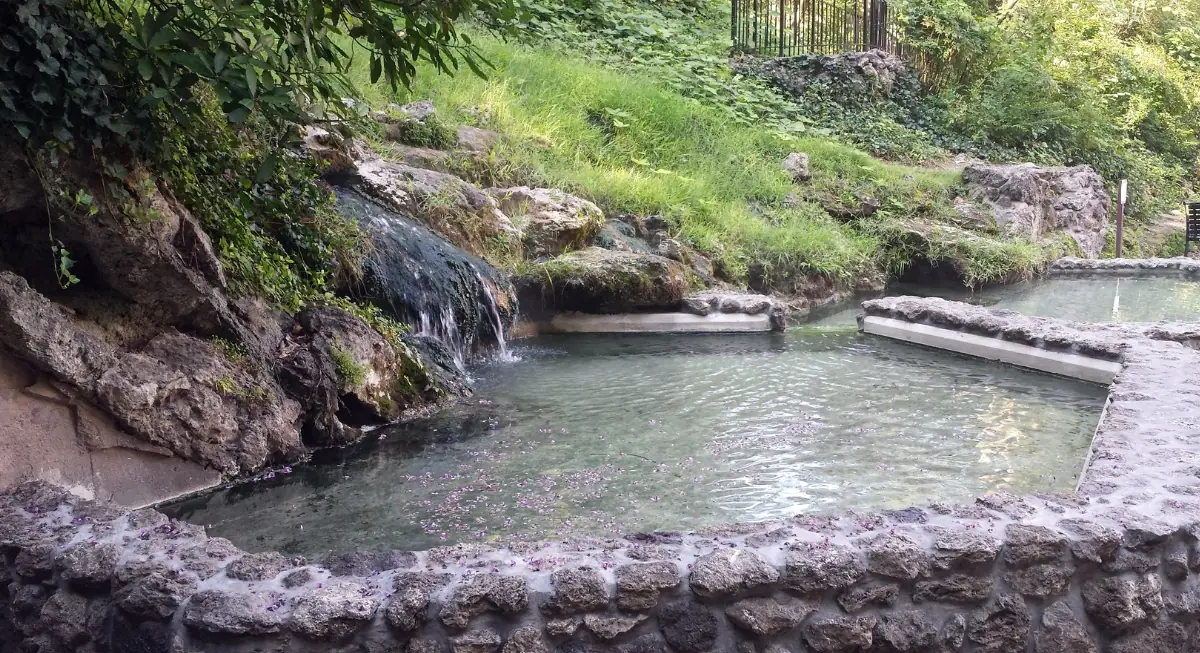
Hot Springs is different from large wilderness areas because the national park is wrapped around a historic spa town. Bathhouse Row and the Grand Promenade are part of a National Historic Landmark District, and the thermal springs emerge at about 143°F. That water is too hot for open soaking, so the bathhouses shaped the area’s identity around managed use of the springs. All 26 miles of park trails link wooded hills, old streets, and bathhouse history in one walkable visit.
Indiana Dunes National Park, Indiana
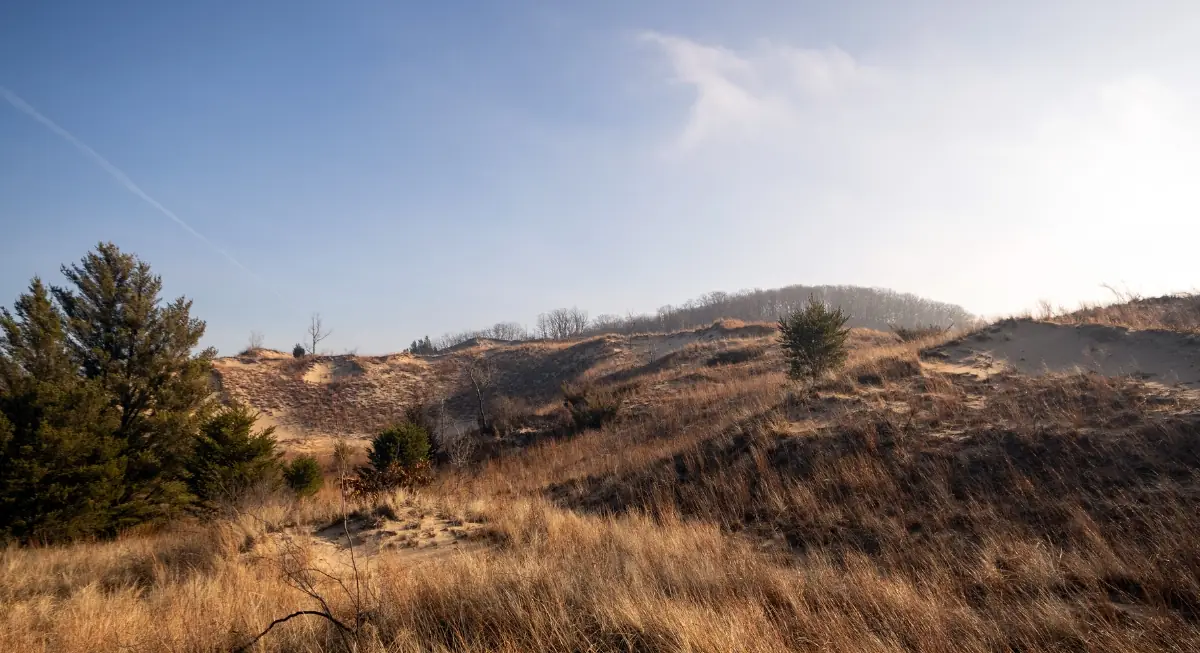
Lake Michigan gives the Indiana Dunes its shoreline, but the park carries much more than beach scenery. Across more than 15,000 acres, visitors have close access to dunes, wetlands, prairies, woods, and sandy lakefront. More than 350 bird species have been observed in the region, adding a strong wildlife angle to the landscape. Most trails and beaches allow dogs, with seasonal limits in certain swimming areas.





